
I remember staring at the fridge, the fluorescent light buzzing, feeling that familiar, gnawing hunger. It wasn't just physical; it was a mental exhaustion that came with constantly thinking about food, planning meals, and then feeling guilty about what I ate. For years, my weight loss journey felt like a rollercoaster, a series of yo-yoing numbers on the scale that left me feeling more defeated than determined. Then, I stumbled upon intermittent fasting weight loss. It wasn't a magic bullet, and honestly, I was skeptical at first. But something about the simplicity, the idea of working *with* my body's natural rhythms instead of against them, resonated. It took time, patience, and a whole lot of learning, but intermittent fasting has become one of the most powerful tools in my arsenal for sustainable weight management.
Unpacking Intermittent Fasting Weight Loss
What Exactly Is Intermittent Fasting?
Let's clear the air right away: intermittent fasting isn't a diet in the traditional sense. You’re not being told *what* to eat, but rather *when* to eat. It's an eating pattern that cycles between periods of voluntary fasting and non-fasting. Think of it as strategically scheduling your meals to give your body a break from constant digestion. This break, as I learned, can have profound effects on your metabolism and body composition.
The Core Principle: Time-Restricted Eating
At its heart, intermittent fasting for weight loss is about manipulating your eating window. Instead of grazing throughout the day, you designate specific hours for eating and specific hours for fasting. This allows your body to tap into stored fat for energy during the fasting periods. It’s a fundamental shift in how we approach fuel intake, and for many, it’s the key that unlocks their weight loss potential.
Why It Works: Beyond Just Calorie Cutting
Sure, you might naturally consume fewer calories when you have a smaller eating window. But the real magic of fasting for weight loss goes deeper. When you fast, your insulin levels drop significantly. This hormonal shift signals your body to start burning stored fat. Additionally, intermittent fasting can improve insulin sensitivity, boost metabolism, and even promote cellular repair processes like autophagy. This is why weight loss fasting can feel so different and more sustainable than restrictive diets.

Finding Your Intermittent Fasting Rhythm
The Popular 16/8 Method
This is probably the most common and often the easiest entry point for many people. The 16/8 method involves fasting for 16 hours and restricting your eating window to 8 hours. For example, you might finish dinner by 8 PM and not eat again until noon the next day. I found this to be a very manageable approach when I first started. It’s surprisingly easy to fit into a typical workday, allowing for breakfast and lunch, or lunch and dinner, within that 8-hour window.
The 5:2 Diet: A Different Approach
Another popular strategy is the 5:2 diet. With this method, you eat normally for five days of the week and then restrict your calorie intake to about 500-600 calories on two non-consecutive days. This offers a different kind of flexibility. It’s less about daily time restrictions and more about managing your intake over the course of the week. Some people find this less daunting than daily fasting.
Other Intermittent Fasting Schedules
Beyond these two, there are variations like the Eat-Stop-Eat method, which involves a 24-hour fast once or twice a week, or even alternate-day fasting. The best intermittent fasting for weight loss is ultimately the one that you can stick to consistently. Experimentation is key here. What works for one person might not work for another, and that’s perfectly okay.
Choosing the Right Schedule for You
Consider your lifestyle, work schedule, and social commitments. Are you an early bird or a night owl? Do you prefer eating more meals or fewer, larger meals? Honestly, I’ve seen people succeed with all sorts of variations. The key is finding a pattern that feels sustainable and doesn't lead to burnout or constant hunger pangs.

The Tangible Intermittent Fasting Results Weight Loss
More Than Just the Scale
When people talk about intermittent fasting results weight loss, they often focus on the number on the scale. And yes, the scale can move. But the benefits I've personally experienced and observed in others go far beyond that. You might notice clearer skin, improved energy levels, and a sharper mind. It’s a holistic shift.
Burning Stubborn Fat
One of the most exciting aspects is its effectiveness in targeting stubborn fat, particularly around the belly. While no single method is a magic cure for belly fat workout, intermittent fasting can create the hormonal environment necessary for your body to tap into those resistant fat stores. When your insulin levels are low, your body is more inclined to release stored fat for energy.
Real-Life Transformations
I’ve heard countless intermittent fasting success stories weight loss. Stories of people who have struggled for years with diets that felt unsustainable, only to find freedom and success with intermittent fasting. One client, Sarah, had tried everything. She worked long hours, and the constant pressure to prepare healthy meals felt overwhelming. After implementing the 16/8 method, she started seeing consistent weight loss without feeling deprived. She told me, "I finally feel in control of my eating, not controlled by it." That’s the kind of transformation that truly matters.
Tracking Your Progress
Don’t just rely on the scale. Keep a journal, take measurements, or simply note how your clothes fit and how you feel overall. Sometimes the most significant intermittent fasting benefits weight loss are the non-scale victories.
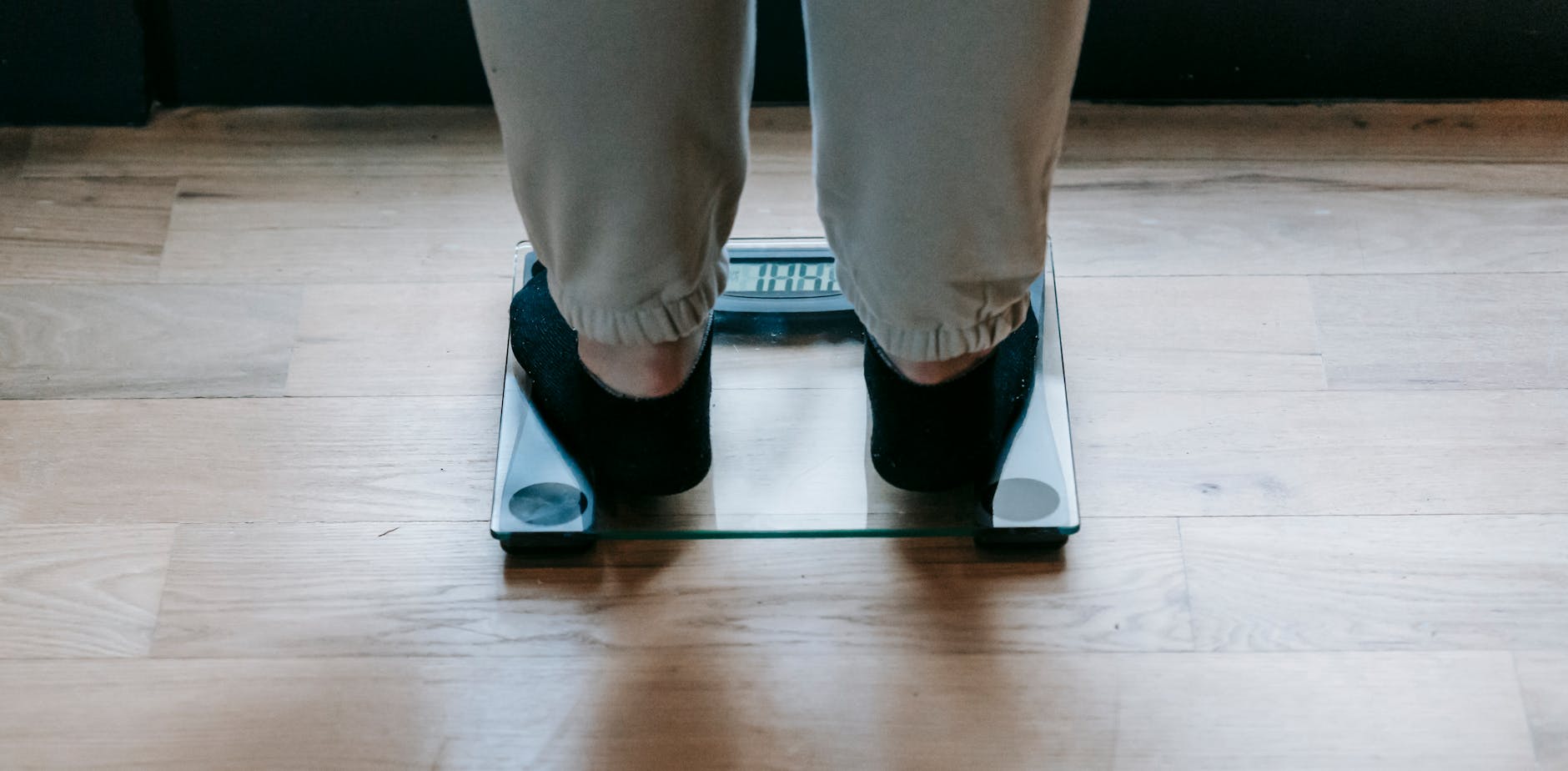
Navigating the Challenges and Common Pitfalls
The Initial Adjustment Period
Let’s be honest, the first few days or even a week can be tough. You might experience headaches, fatigue, or that intense hunger I mentioned earlier. This is your body adjusting to a new eating pattern. Staying hydrated with water, black coffee, or plain tea can make a huge difference. I used to think I’d never get used to it, but my body adapted surprisingly quickly.
What to Eat During Your Eating Window
This is crucial. Intermittent fasting is NOT a license to binge on junk food during your eating window. For sustainable weight loss fasting, you still need to focus on nutrient-dense, whole foods. Think lean proteins, plenty of vegetables, healthy fats, and complex carbohydrates. If your eating window is filled with processed foods, you’ll likely sabotage your efforts. This is where understanding the best diet plan for your needs becomes important, even within an IF framework.
Prioritizing Nutrition
Focus on quality. Your body needs proper fuel to function optimally and to support your weight loss goals. An intermittent fasting meal plan for weight loss should still be a healthy eating plan, just with specific timing.
When Intermittent Fasting Might Not Be Right
It’s important to acknowledge that intermittent fasting isn't for everyone. If you have a history of eating disorders, are pregnant or breastfeeding, have certain medical conditions like diabetes (especially type 1), or are on specific medications, you should consult with your doctor before starting. For teen weight loss, it's also essential to approach with caution and medical guidance.

Integrating Intermittent Fasting into Your Lifestyle
Consistency is Key for Weight Loss Fasting
The most significant factor for intermittent fasting weight loss success is consistency. Sticking to your chosen schedule most of the time will yield better results than sporadic fasting. This doesn't mean you can never deviate, but having a consistent routine trains your body and mind.
Listen to Your Body's Signals
While consistency is important, so is listening to your body. If you feel unwell, overly fatigued, or experience extreme hunger that doesn’t subside, it might be a sign that your current schedule isn't working for you, or you need to adjust your food intake during your eating window. This one surprised me; I used to push through feeling awful, but learning to adjust has been far more effective.
Hydration and Electrolytes
During fasting periods, staying well-hydrated is paramount. Water is your best friend. Black coffee and plain tea are also generally acceptable. For longer fasts, some people find electrolyte supplements helpful to prevent headaches and fatigue, but this is something to discuss with a healthcare professional.
The Role of Exercise and Sleep
Intermittent fasting works best when combined with a healthy lifestyle. Regular exercise, including a mix of cardio and strength training, will complement your weight loss efforts. Similarly, adequate sleep is crucial for hormone regulation and overall health, which directly impacts your ability to lose weight. You can read more about weight loss Tumblr tips, but remember that foundational habits like sleep and exercise are always key.
The Truth About Intermittent Fasting Weight Loss
It's a Tool, Not a Miracle Cure
Here's the truth: intermittent fasting is a powerful tool, but it's not a magic wand. It won't make up for a poor diet or a sedentary lifestyle. The real magic happens when you combine it with mindful eating, nutritious food choices, and regular physical activity. Many studies, including those from Harvard Health research on intermittent fasting weight loss, highlight its efficacy when integrated into a healthy lifestyle.
Sustainability is the Goal
Unlike fad diets that often lead to rebound weight gain, intermittent fasting offers a sustainable approach for many. It teaches you to be more in tune with your hunger cues and to appreciate your eating windows. It's about building healthier habits that last a lifetime, not just a few weeks. The National Institutes of Health research on intermittent fasting weight loss also points to its potential for long-term metabolic health benefits.
Your Journey is Unique
Your path to weight loss is personal. What works for your friend might not work for you, and that's perfectly fine. Intermittent fasting offers a flexible framework, but the ultimate success lies in finding a way of eating that nourishes your body, supports your goals, and fits seamlessly into your life. It’s about progress, not perfection, and every step you take towards a healthier you is a victory. Remember that the Centers for Disease Control and Prevention research on intermittent fasting weight loss emphasizes the importance of personalized approaches to health.