I used to think that late-night snacking was the ultimate enemy of health and weight management. For years, I’d wake up in the middle of the night, stomach rumbling, and then berate myself for even *thinking* about food, convinced it would ruin my progress. It took me a while to realize that sometimes, you genuinely need a snack, and that deprivation can actually lead to worse choices later on. The key isn't to ban late-night eating entirely, but to understand what makes for truly healthy late night snacks.
The Truth About Late-Night Hunger
It’s a common scenario: you’ve had dinner hours ago, you’re settled in for the night, and suddenly, a craving hits. What do you do? Many people feel guilty or assume it's just a sign of weakness. But here's the thing: your body doesn't always stick to a strict 9-to-5 schedule when it comes to hunger cues. Sometimes, it’s a genuine need for fuel, especially if your dinner was earlier than usual, or if you had a particularly active day.
Why Your Body Might Be Asking for Food
Your metabolism doesn't shut off when you go to sleep. While it slows down, it's still at work digesting your last meal and performing essential bodily functions. If your body hasn't received adequate nutrition throughout the day, or if your last meal was unbalanced, it might signal hunger later on. This isn't a moral failing; it's your body trying to tell you something.
The Danger of Ignoring Hunger Cues
When you consistently ignore genuine hunger, you can actually set yourself up for more significant problems. That gnawing feeling can escalate into intense cravings, often for high-sugar, high-fat foods that are easy to grab and consume quickly. This is where the real damage to your health goals can happen, not from a small, sensible snack.
What Makes a Snack "Healthy Late Night"?
The definition of a healthy late-night snack isn't about restriction; it's about smart choices. We're aiming for foods that are easy to digest, provide sustained energy without a sugar crash, and offer some nutritional benefit. Think of it as giving your body a gentle, nourishing support system as it prepares for rest.
Focus on Digestion and Satiety
The best late night snacks are those that won't disrupt your sleep or leave you feeling heavy and uncomfortable. This means avoiding overly processed foods, excessive sugar, and large portions. Instead, opt for items that are gentle on your stomach and provide a sense of fullness without being overly filling. This often points us towards options rich in protein and healthy fats, or those with a moderate amount of complex carbohydrates.
Nutrient Density Over Empty Calories
Here’s a crucial point: if you’re going to eat, make it count. Empty calories from sugary treats or refined snacks offer little to no nutritional value and can lead to blood sugar spikes and subsequent crashes, which are terrible for sleep quality. Prioritizing nutrient-dense foods means you're getting vitamins, minerals, and other beneficial compounds that can actually support your body’s nighttime repair processes. This is where exploring healthy green smoothie recipes or other nutritious options earlier in the day can make a difference, so you're less likely to crave something unhealthy later.
The Best Late Night Snacks: Practical Choices
So, what actually works? I’ve experimented a lot, and some of these options are surprisingly effective. The goal is to have a few go-to ideas that are easy to prepare and genuinely satisfying.
Dairy Delights (If You Tolerate Them)
For many, dairy can be a great option. It contains casein protein, which digests slowly, providing a steady release of amino acids. This can help with satiety and muscle repair overnight. Look for low-sugar, plain varieties.
Greek Yogurt Power
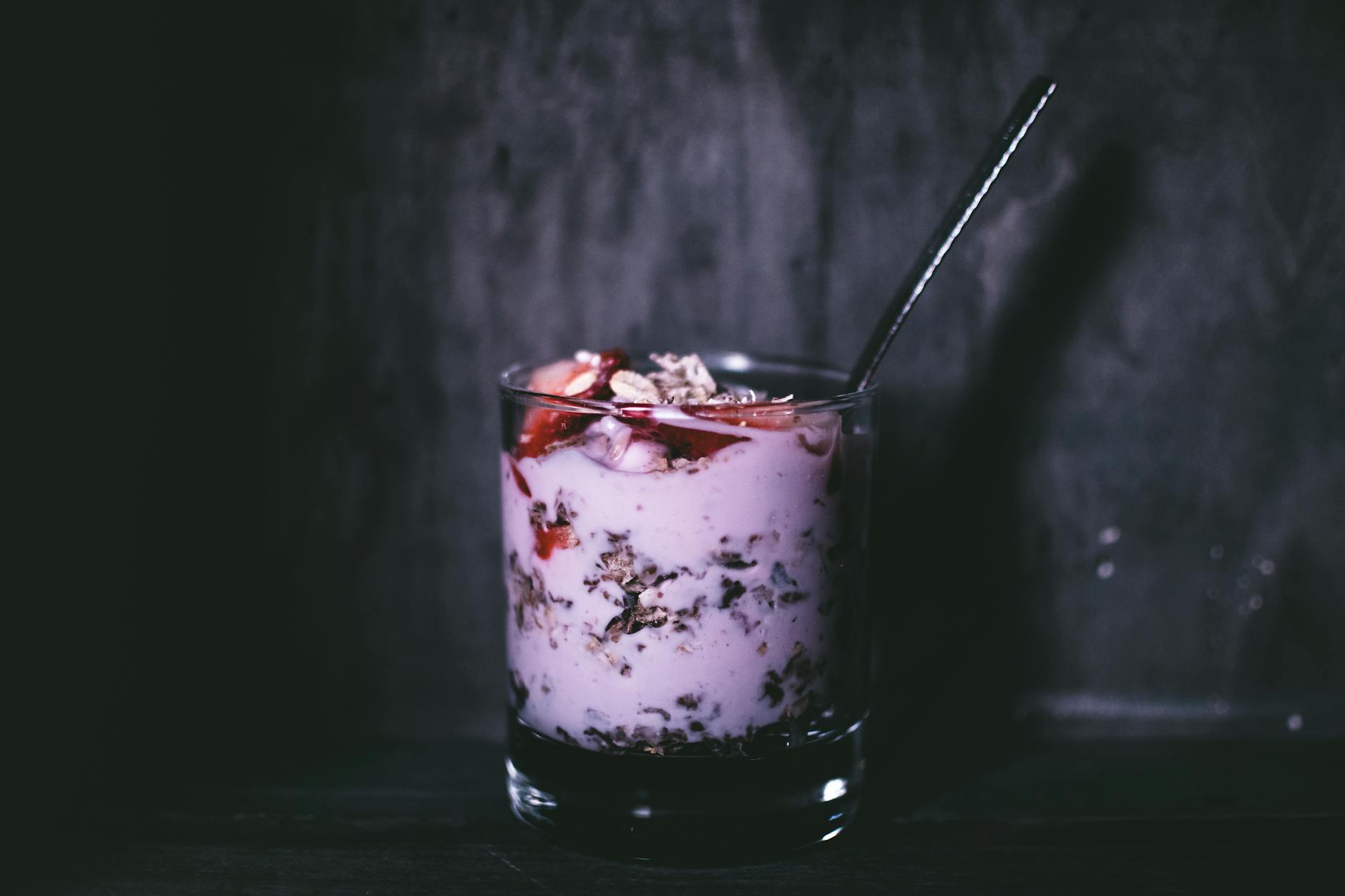
A small bowl of plain Greek yogurt is a fantastic choice. It's packed with protein and calcium. You can add a tiny drizzle of honey for sweetness or a few berries for antioxidants and fiber. This is one of my personal favorites because it's quick, filling, and doesn't feel heavy.
Cottage Cheese Comfort
Similar to Greek yogurt, cottage cheese is another protein powerhouse. Its texture is different, but the slow-digesting protein is just as beneficial. A small serving can be incredibly satisfying.
Plant-Based Wonders
If dairy isn't your friend, or you prefer plant-based options, there are still plenty of fantastic choices. These often focus on healthy fats and fiber to keep you full.
A Handful of Nuts or Seeds
Almonds, walnuts, pumpkin seeds, or sunflower seeds are excellent. They provide healthy fats, protein, and magnesium, which can aid in relaxation. Just be mindful of portion size; a small handful is usually enough, as they are calorie-dense.
Nut Butter on Something Sensible
A tablespoon of almond butter or peanut butter on a few whole-grain crackers or a small apple slice offers a good balance of protein, fat, and complex carbs. It’s satisfying without being overwhelming.
Fruit with a Twist
While fruit is healthy, eating a large amount right before bed might not be ideal for everyone due to its natural sugars. However, pairing it with a protein or fat source can balance things out.
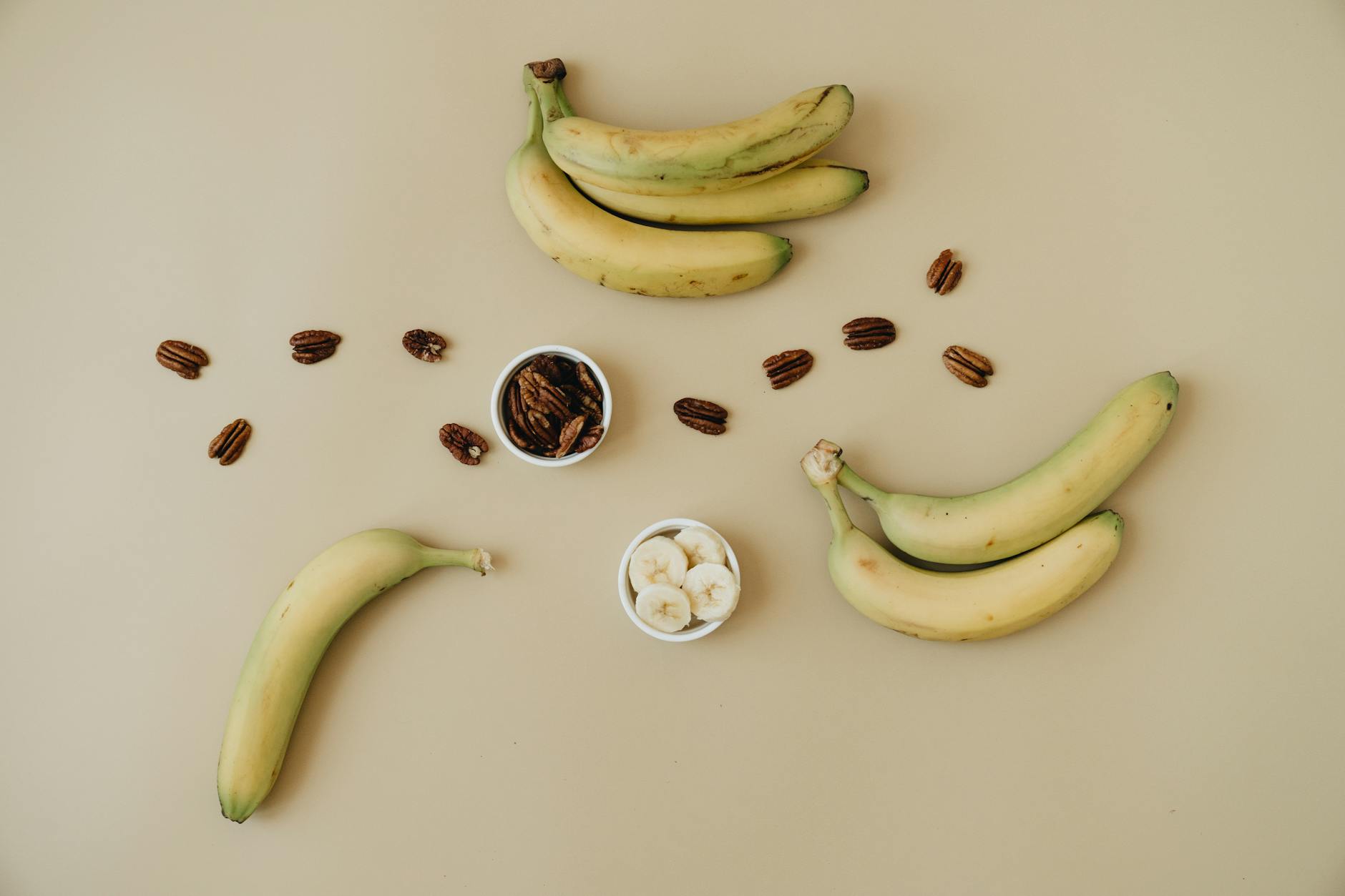
Banana with Almond Butter
This classic combo is great. The banana provides potassium and some natural sweetness, while the almond butter adds protein and healthy fats for sustained energy release. It’s a simple, effective pairing that I used to rely on a lot.
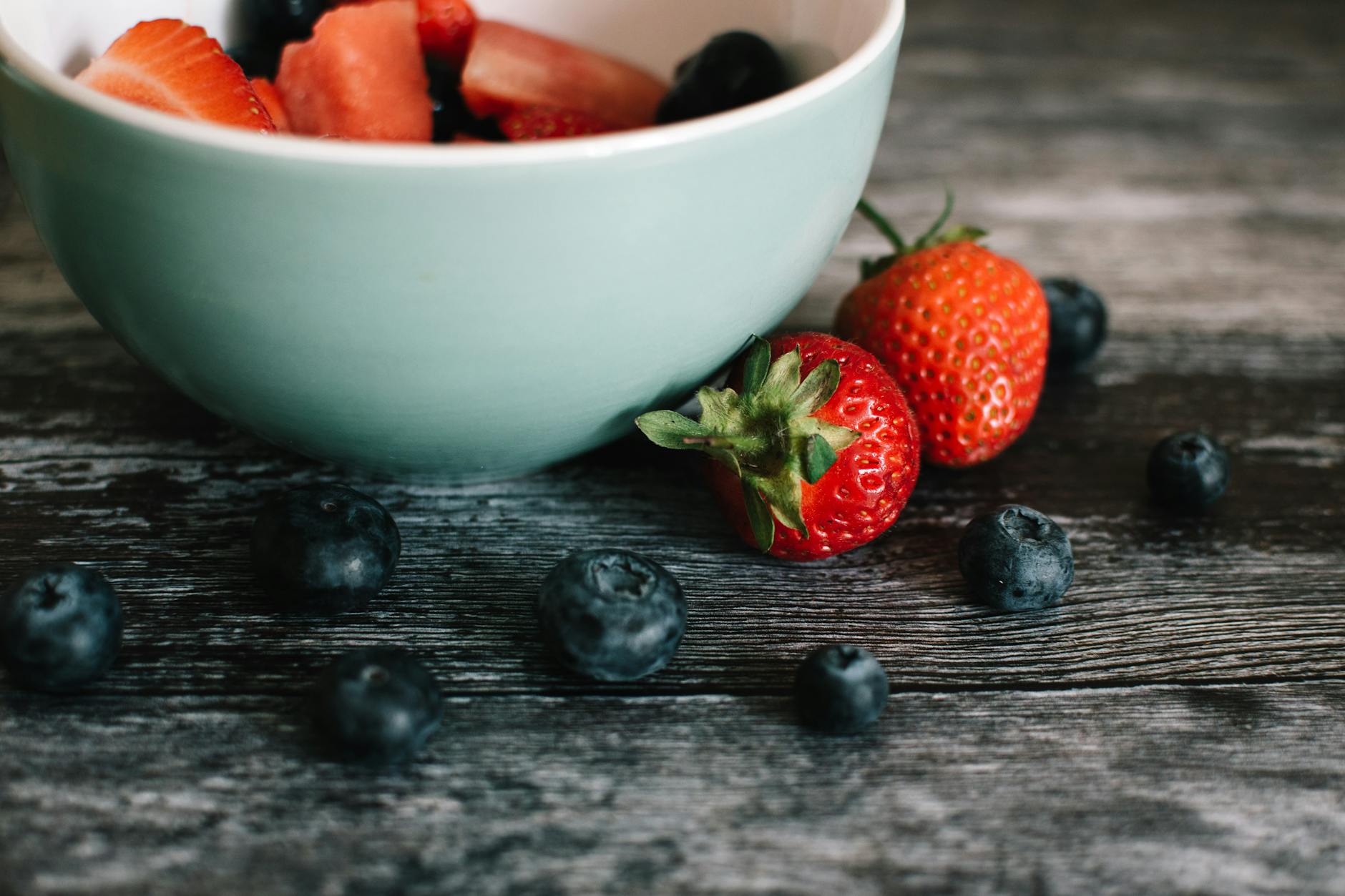
Berries with a Dollop of Yogurt
As mentioned, berries are fantastic. When paired with Greek yogurt or even a small amount of cottage cheese, they become a more balanced snack that’s less likely to spike your blood sugar dramatically.
Savory Selections
Sometimes, you just crave something savory. Fortunately, there are light, healthy options for those moments too.
A Hard-Boiled Egg
Eggs are a complete protein source and incredibly easy to digest. One or two hard-boiled eggs can be a perfect savory snack that keeps you feeling full without any heaviness.
A Small Piece of Lean Turkey or Chicken
If you have some leftover cooked lean protein, a small slice or two can be a good way to get a protein boost. It’s simple and effective.
What to Avoid When Choosing Healthy Late Night Snacks
Just as important as knowing what to eat is knowing what to steer clear of. These are the culprits that can sabotage your sleep and your health goals.
The Sugar Trap
Anything with a high amount of added sugar is a no-go. This includes candy, cookies, cakes, sugary cereals, and even sweetened yogurts. These will cause a rapid spike in blood sugar, followed by a crash, which can disrupt sleep and lead to increased cravings later.
Greasy and Fried Foods
These are tough on your digestive system. They take a long time to break down, which can lead to indigestion, heartburn, and an uncomfortable night’s sleep. Think about the last time you ate a heavy, greasy meal late at night – you probably didn't sleep well.
Excessive Caffeine or Alcohol
This might seem obvious, but it's worth mentioning. Caffeine, found in coffee, tea, chocolate, and some sodas, is a stimulant and will interfere with your ability to fall asleep. Alcohol might make you feel drowsy initially, but it disrupts sleep cycles later in the night, leading to fragmented and less restful sleep. This is why looking into Detox Drink Recipes: Refresh & Rejuvenate Your Body earlier in the day can be a better strategy than relying on evening stimulants.
Large Portions
Even healthy foods can be problematic if consumed in excessive quantities right before bed. Your body is preparing to rest, not to undertake a major digestive task. Keep portions small and satisfying, not filling.
Late Night Cravings Healthy: Strategies for Success
Sometimes, the craving itself is the battle. Here are some strategies to manage those late-night urges effectively.
Hydration is Key
Often, thirst can be mistaken for hunger. Before you reach for a snack, try drinking a glass of water. Sometimes, that’s all your body needs. Herbal teas, like chamomile or peppermint, can also be soothing and help with digestion.
Mindful Eating Practices
If you do decide to have a snack, do it mindfully. Sit down, pay attention to the taste and texture, and eat slowly. This helps you recognize when you’re truly satisfied and can prevent overeating. Think about the last time you ate while distracted by TV or your phone – it’s easy to consume way more than you intended.
Listen to Your Body
This is the most important advice I can give. Learn to distinguish between true hunger, boredom, stress, or emotional eating. If you’re not physically hungry, a snack might not be the answer. Perhaps a few minutes of deep breathing or a light activity would be more beneficial. Understanding your triggers is part of making healthy snacks before bed a sustainable habit.
Prepare Ahead of Time
Having pre-portioned healthy snacks ready to go can be a lifesaver. If you know you're prone to late-night cravings, set aside some nuts, yogurt cups, or pre-cut fruit earlier in the day. This removes the temptation to grab something less healthy out of convenience.
What Nobody Tells You About Healthy Late Night Snacks
Here’s the truth: for some people, eating late at night, even healthy food, can still trigger digestive issues or disrupt sleep. It’s highly individual. While I advocate for sensible snacking, it’s crucial to experiment and see what works best for *your* body. For instance, I used to think I could eat anything as long as it was "healthy." Then I realized that even a small portion of cheese late at night would give me heartburn, something I never experienced earlier in the day. It's about tuning into your own signals.
The Role of Overall Diet
Your late-night snacking habits are often a reflection of your daytime eating. If you’re consistently undereating, not getting enough protein, or relying on highly processed foods during the day, you’re more likely to experience intense late-night hunger. Ensuring you have balanced meals throughout the day, rich in high fiber foods and lean protein, can significantly reduce those midnight cravings. Some studies from the National Institutes of Health research on healthy late night snacks suggest that consistent meal timing can also play a role in regulating hunger hormones.
Sleep Hygiene Matters
Your sleep environment and habits play a massive role. If you’re struggling with insomnia or poor sleep quality, late-night eating might be a symptom or a contributing factor. Ensure your bedroom is dark and cool, and try to establish a consistent sleep schedule. Sometimes, addressing sleep hygiene can naturally reduce late-night cravings. Research from the Centers for Disease Control and Prevention research on healthy late night snacks often highlights the interconnectedness of diet, sleep, and overall well-being.
Easy Healthy Snacks for Weight Loss at Night
If your goal is weight loss, the principles of healthy late night snacks remain the same: nutrient-dense, satisfying, and easy to digest. The key is portion control and choosing foods that support satiety without excess calories. Think about snacks that offer a good protein-to-calorie ratio.
Low-Calorie, High-Volume Options
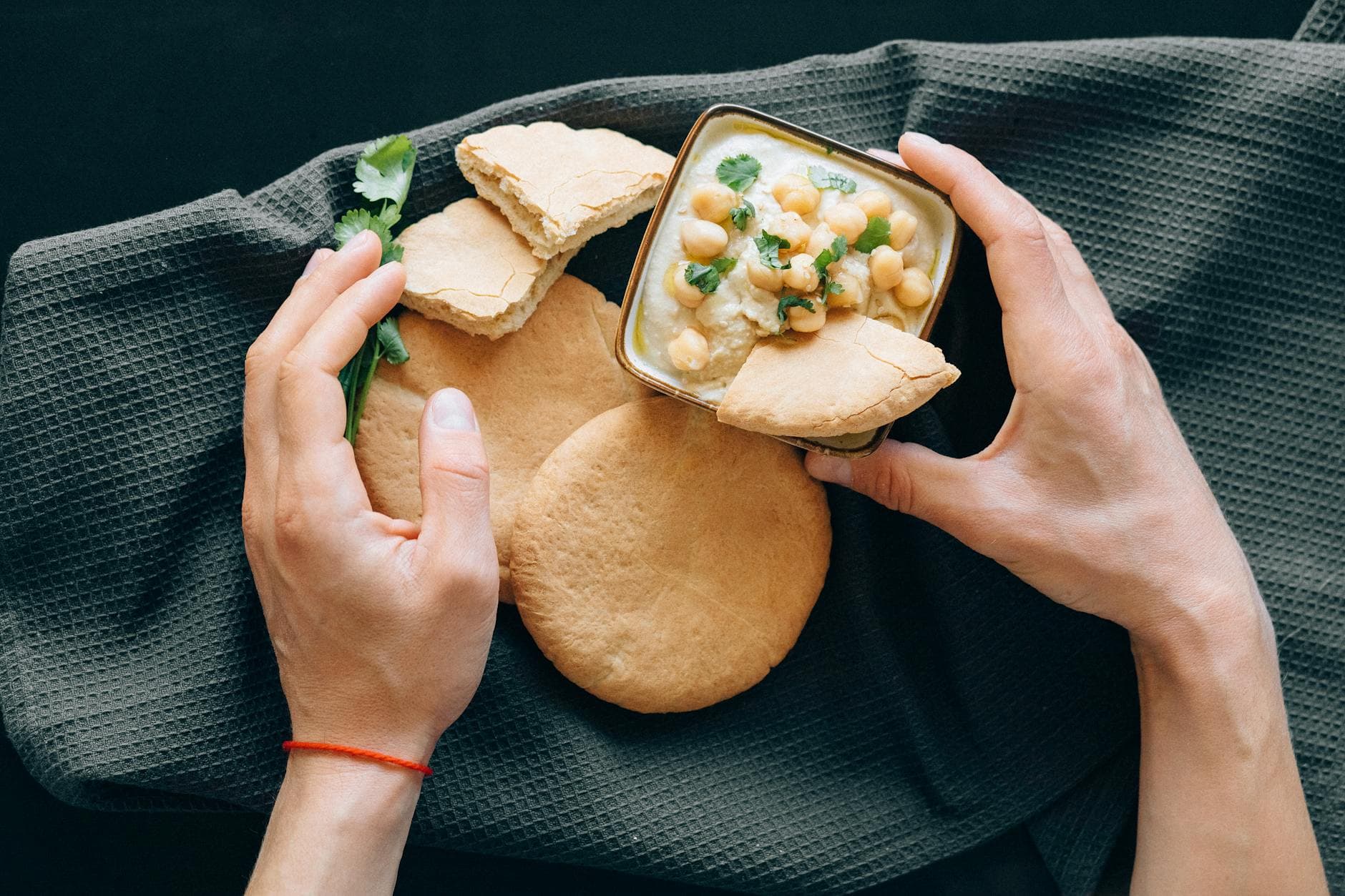
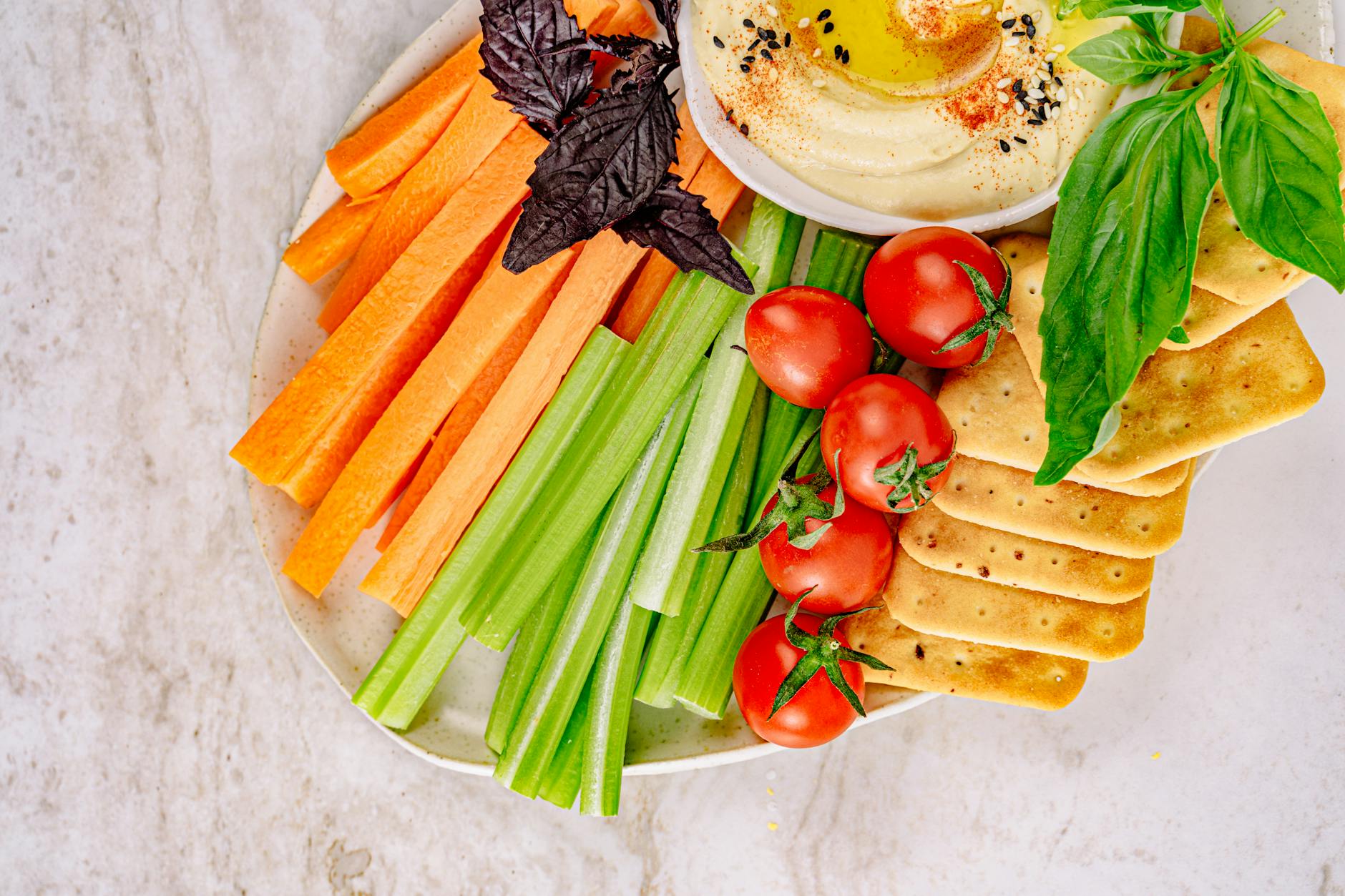
Sometimes, you just need something to chew on. Opt for foods that give you a lot of volume for fewer calories. This could include things like cucumber slices with a tiny bit of hummus, or a small bowl of air-popped popcorn (lightly seasoned, no butter).
Protein-Focused Choices
Protein is excellent for weight loss because it’s highly satiating and requires more energy to digest than carbohydrates or fats. A small serving of Greek yogurt, cottage cheese, or a hard-boiled egg can be very effective for keeping hunger at bay without adding a lot of extra calories.
The Importance of Balance
Even when aiming for weight loss, a completely restrictive approach rarely works long-term. Allowing yourself a small, sensible snack when genuinely hungry can prevent overeating later and keep your metabolism functioning. It’s about making smart choices that fit into your overall calorie goals for the day. If you're curious about boosting your overall nutrient intake, exploring healthy smoothies can be a great strategy for daytime meals.
Ultimately, navigating healthy late night snacks is about balance, awareness, and kindness to yourself. It’s not about perfection, but about making informed choices that support your body and your goals. So, the next time hunger strikes after dark, don't despair – reach for one of these sensible, nourishing options and rest easy knowing you're fueling your body wisely.