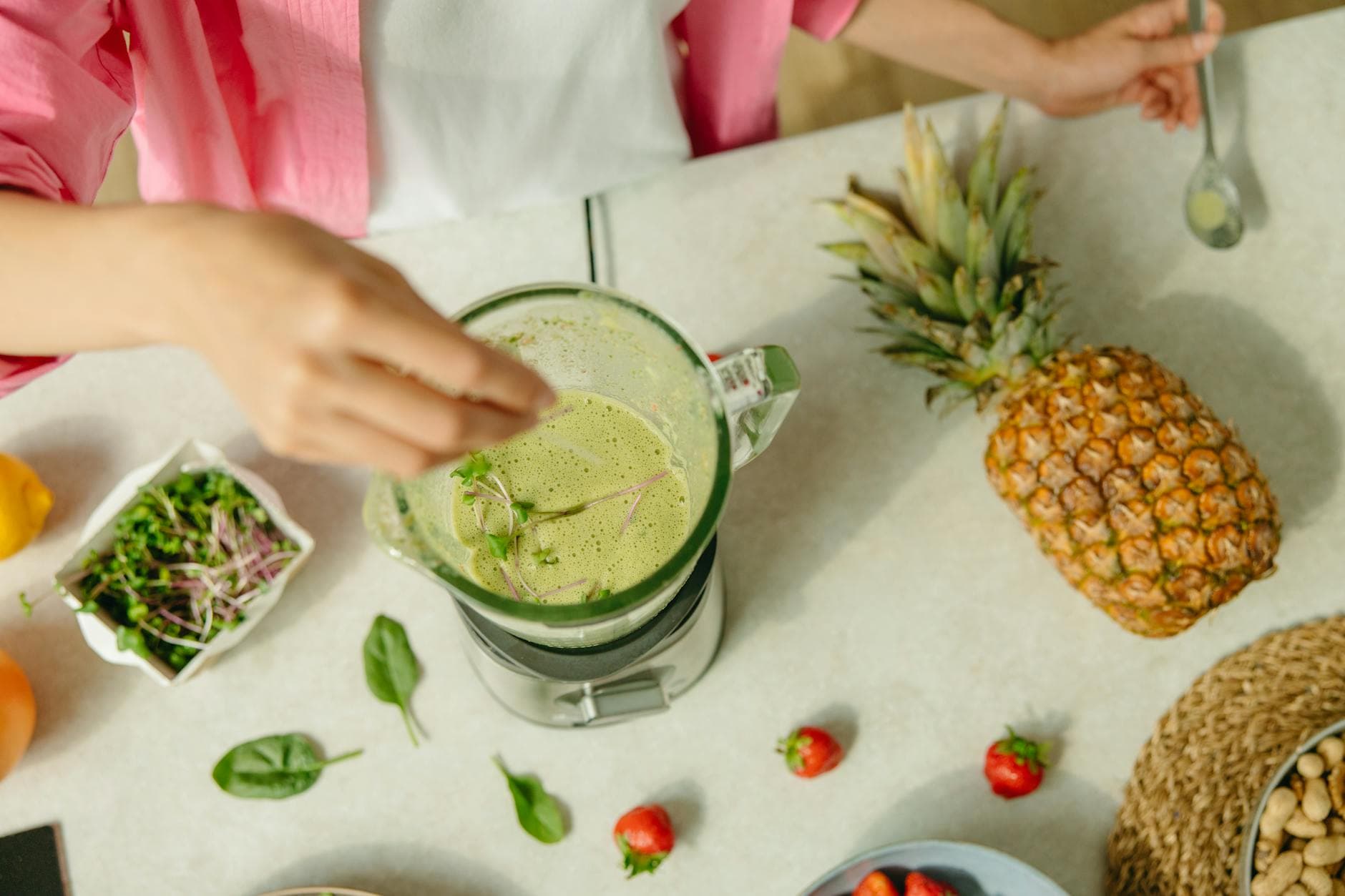
What if you could ditch the post-winter slump and genuinely feel lighter, more vibrant, and deeply satisfied with your food choices, all while embracing the very best of what nature offers right now? Imagine a season where your plate bursts with color, your taste buds sing with freshness, and your energy levels naturally rise. That's the magic of mindful spring eating.
Reawakening Your Senses to Spring's Bounty
After months of heavier, comfort-focused meals, spring arrives like a breath of fresh air, and our bodies often crave that same lightness. It’s not just about what’s in season; it’s about how we approach it. This is where mindful spring eating truly shines, transforming a simple meal into an experience.
The Shift from Winter Comforts
You've probably noticed it yourself – the urge for hearty stews and root vegetables gradually fades as the days lengthen. Our bodies are naturally attuned to these seasonal shifts. We're wired to seek out what’s available and what will best nourish us for the changing environment. Think about the last time you saw the first asparagus spears appear at the market; there's an innate pull towards them, isn't there?
Embracing the "Why" Behind Seasonal Eating
Seasonal eating benefits are huge, and spring is a prime example. Foods that are in season are typically at their peak nutritional value and flavor. They haven’t traveled thousands of miles or spent months in cold storage. This means more vitamins, minerals, and antioxidants for you. Plus, eating seasonally connects you to the natural rhythms of the earth, fostering a sense of grounding and appreciation.
The Art of Savoring Fresh Flavors
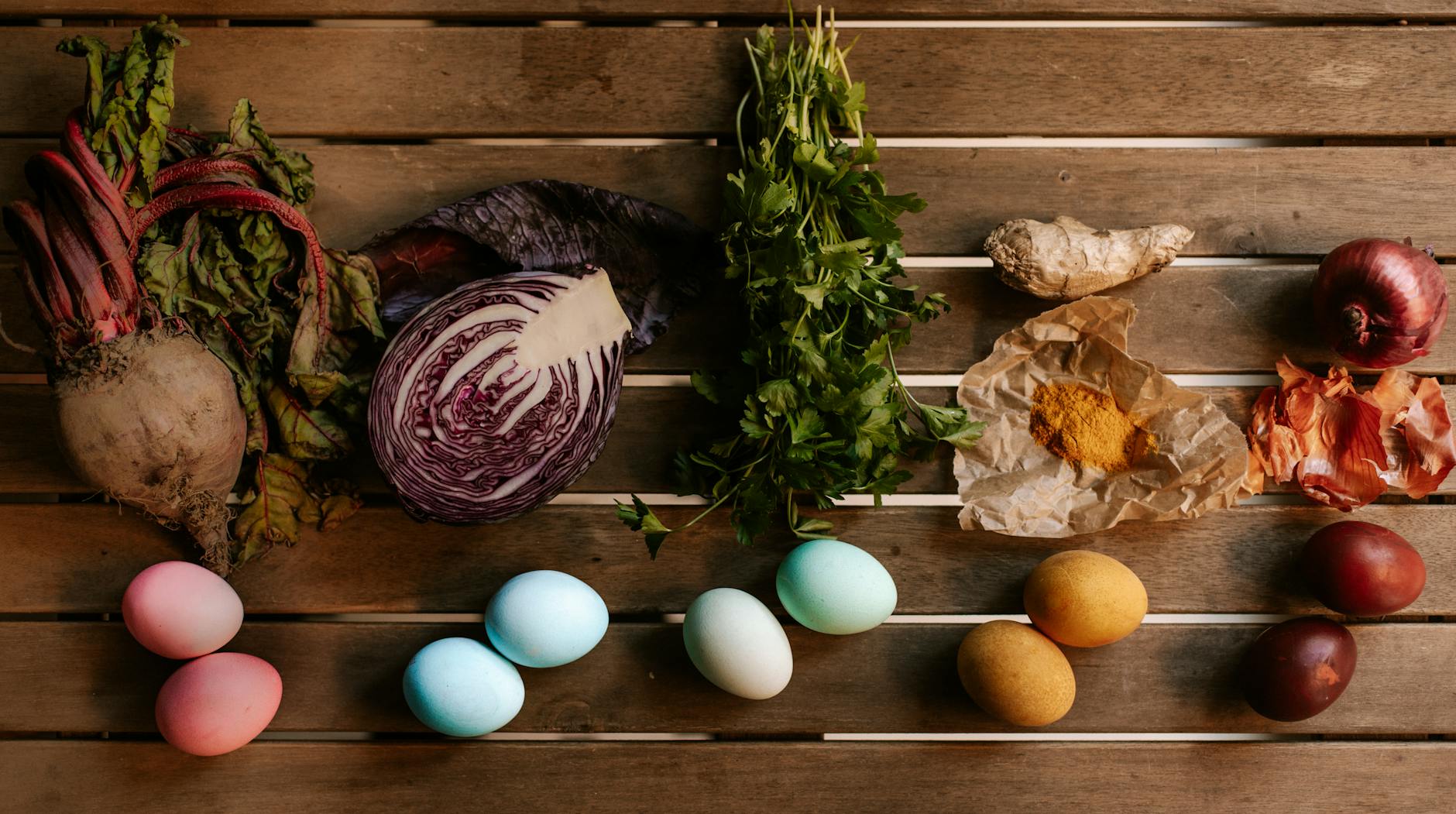
Spring produce is delicate and vibrant. Think tender greens, crisp radishes, sweet peas, and fragrant herbs. The key to mindful spring eating is to truly appreciate these nuances, rather than just rushing through a meal.
Beyond Just Tasting: Engaging All Your Senses
This is where mindful eating techniques come into play. It’s about more than just chewing and swallowing. What does that asparagus look like? Notice the vibrant green, the subtle purple tips. How does it feel in your hand before you cook it? When you take a bite, what’s the texture? Is it crisp, tender, juicy? And the flavor – is it slightly sweet, a little earthy, subtly bitter? Slowing down allows you to fully appreciate these sensory details.
Simple Preparations, Maximum Impact
Sometimes, the best way to enjoy spring produce is with minimal intervention. A drizzle of good olive oil, a squeeze of lemon, a sprinkle of sea salt. This allows the natural, fresh flavors to take center stage. I’ll be real with you, I used to think I needed to “do something” with every ingredient, but the beauty of spring is its inherent deliciousness. Steaming some broccoli or lightly sautéing spinach lets their natural sweetness shine through.
Reducing Cravings Naturally with Spring Foods
One of the most surprising benefits of mindful spring eating is its impact on cravings. When you’re nourishing your body with nutrient-dense, fresh foods, those nagging urges for processed snacks often start to fade away.
The Nutrient-Density Connection
Here's the thing: cravings are often your body's way of telling you it's missing something. If you're not getting enough vitamins, minerals, or fiber, you might find yourself reaching for sugary or salty quick fixes. Spring produce, like leafy greens and berries, is packed with essential nutrients. For example, a large bowl of mixed greens with strawberries and a light vinaigrette can provide fiber, vitamin C, and antioxidants, genuinely satisfying your body's needs and leaving you feeling full and content. This can be a fantastic part of your healthy snack recipes repertoire.
Hydration: The Unsung Hero
Sometimes, what feels like a craving is actually thirst. Spring often brings warmer weather, and it’s easy to forget to drink enough water. Staying well-hydrated is crucial for overall health and can significantly help in managing hunger and cravings. Keeping a pitcher of water infused with cucumber and mint on hand can make all the difference. This is a simple yet effective strategy for craving management strategies.
Crafting Your Mindful Spring Eating Habits
Building sustainable spring eating habits isn't about rigid rules; it's about creating a mindful approach that feels good and works for you. It’s about eating with intention.
The Power of a Spring Produce Guide
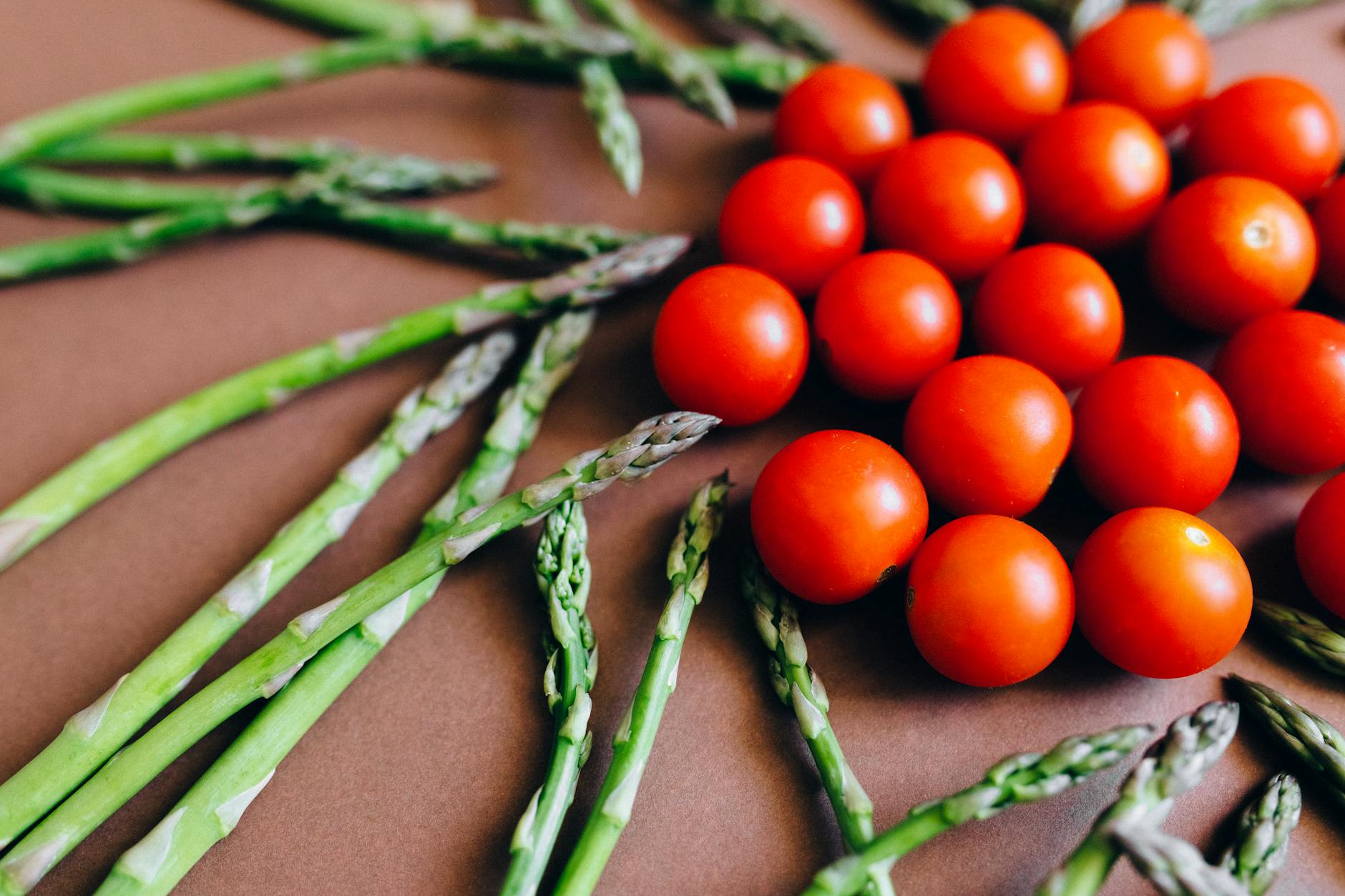
Familiarize yourself with what's in season. A quick glance at a spring produce guide can spark inspiration. Think asparagus, peas, radishes, spinach, strawberries, rhubarb, artichokes, and new potatoes. Knowing what’s at its best makes choosing and preparing meals so much easier and more enjoyable. This knowledge empowers your intuitive eating spring approach.
Mindful Meal Planning: Less Stress, More Joy
Instead of a strict, color-coded meal plan, think of this as gentle guidance. Dedicate 15 minutes each week to think about a few meals you’d like to make, focusing on incorporating 1-2 seasonal items. Maybe it’s a vibrant spring salad for lunch, or perhaps some easy low carb dinners featuring roasted asparagus. Having a loose framework reduces decision fatigue and makes healthy choices more accessible. This is key for a balanced diet spring.
The Importance of Listening to Your Body
This is perhaps the most crucial aspect of intuitive eating spring. Your body sends signals all the time. Are you truly hungry, or are you bored, stressed, or tired? Mindful eating techniques help you tune into these signals. If you’re feeling sluggish, perhaps you need more iron-rich greens. If you’re craving something sweet, maybe a handful of fresh berries will hit the spot better than a processed cookie. This self-awareness is foundational.
Nourishing Spring Foods to Inspire
Let’s talk specifics. What are some truly nourishing spring foods that can elevate your meals and your well-being?
Greens Galore: The Backbone of Spring Nutrition
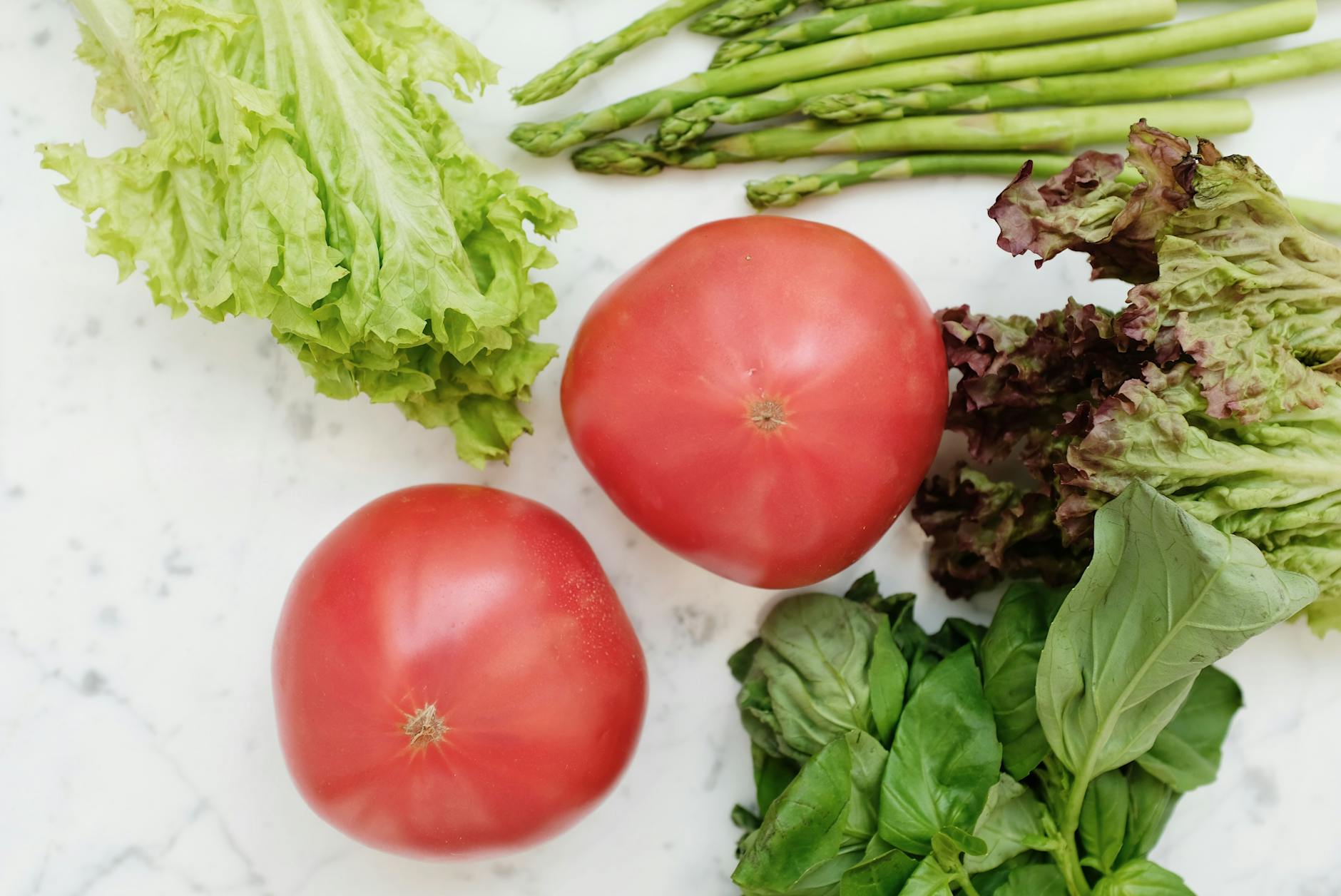
Spinach, kale, arugula, Swiss chard, watercress – the variety is astounding. These leafy powerhouses are loaded with vitamins A, C, K, folate, and minerals like iron and calcium. They're incredibly versatile. You can wilt them into omelets, blend them into smoothies, or build vibrant salads. I often find that incorporating a large salad with easy healthy lunches makes me feel so much more energized for the afternoon.
The Sweetness of Early Fruits and Veggies
Strawberries are a quintessential spring treat, packed with vitamin C and antioxidants. Peas offer a delightful sweetness and fiber. Asparagus, with its unique flavor, is a good source of folate and vitamin K. Don't forget radishes – their peppery bite adds a fantastic crunch and they contain beneficial compounds. Rhubarb, though tart, is wonderful in baked goods or compotes when paired with a sweetener.
Lean Proteins and Healthy Fats for Balance
To round out your spring meals, consider lean proteins like chicken or fish. Low carb chicken recipes can be wonderfully light and fresh when paired with spring vegetables. Incorporate healthy fats from avocados, nuts, and seeds. These elements help with satiety and nutrient absorption, contributing to that feeling of sustained energy.
Mindful Spring Eating: A Journey, Not a Destination
This isn't about perfection; it's about progress and presence. Embracing mindful spring eating is a continuous practice of tuning into yourself and the natural world around you. It’s about finding joy in the simple act of nourishing your body with what’s fresh, vibrant, and alive.
The Long-Term Impact of Seasonal Awareness
When you consistently practice eating seasonally and mindfully, you're not just improving your diet for a few months. You're building a foundation for a more intuitive and sustainable relationship with food year-round. You'll start to notice patterns in your own body and develop a deeper understanding of what truly makes you feel good. This approach aligns with much of the World Health Organization research on mindful spring eating, highlighting the holistic benefits.
Small Steps, Big Rewards
Don't feel overwhelmed. Start small. Pick one meal a day to focus on being more mindful. Try incorporating one new spring vegetable into your rotation each week. The goal is to cultivate a sense of curiosity and enjoyment. The research from institutions like the Mayo Clinic research on mindful spring eating consistently points to the mental and physical health benefits of such practices.
Your Invitation to Savor
So, as the world outside awakens, I invite you to awaken your own senses to the incredible bounty of spring. Let’s move beyond just eating to fuel ourselves and instead, truly savor the experience. This intentionality, this connection to the seasons and to our own bodies, is the heart of mindful spring eating. It’s a delicious path to feeling your best, inside and out, supported by the latest National Institutes of Health research on mindful spring eating that emphasizes the mind-body connection.