I remember a time, not too long ago, when my own body felt like a battlefield. Every morning, a dull ache would greet me, my joints stiff, my energy levels stubbornly low. I’d pop ibuprofen like candy, hoping for a quick fix, but it was just a temporary truce. Then, a friend, a seasoned nutritionist who’d helped hundreds navigate similar struggles, shared her wisdom about the power of anti-inflammatory foods. It wasn’t about deprivation; it was about abundance, about filling my plate with vibrant, healing ingredients. This shift wasn’t just about managing pain; it was about reclaiming my vitality, and I'm here to tell you, it works.
The Silent Culprit: Understanding Inflammation
Inflammation is a natural and necessary process. It's your body's defense mechanism, a vital part of healing when you get injured or fight off an infection. Think of it as your internal alarm system. However, when this alarm system stays on constantly, it becomes chronic inflammation. This persistent state can wreak havoc on your health, contributing to a wide range of issues from heart disease and diabetes to arthritis and even certain cancers. You might not always feel it directly, but it's silently chipping away at your well-being.
What is Chronic Inflammation?
Chronic inflammation is a prolonged inflammatory response that doesn't resolve. Unlike acute inflammation, which is short-lived and beneficial, chronic inflammation is a low-grade, persistent fire within your body. It can be triggered by various factors, including lifestyle choices, environmental toxins, and underlying health conditions.
How Diet Fuels the Fire (or Quenches It)
Here's the thing: what you eat has a profound impact on your body's inflammatory state. Some foods act like gasoline on the fire, while others act like a soothing balm. The good news is that you have the power to choose. By focusing on nutrient-dense, whole foods, you can actively work towards reducing inflammation and supporting your body's natural healing processes.
Your Anti-Inflammatory Arsenal: Foods to Embrace
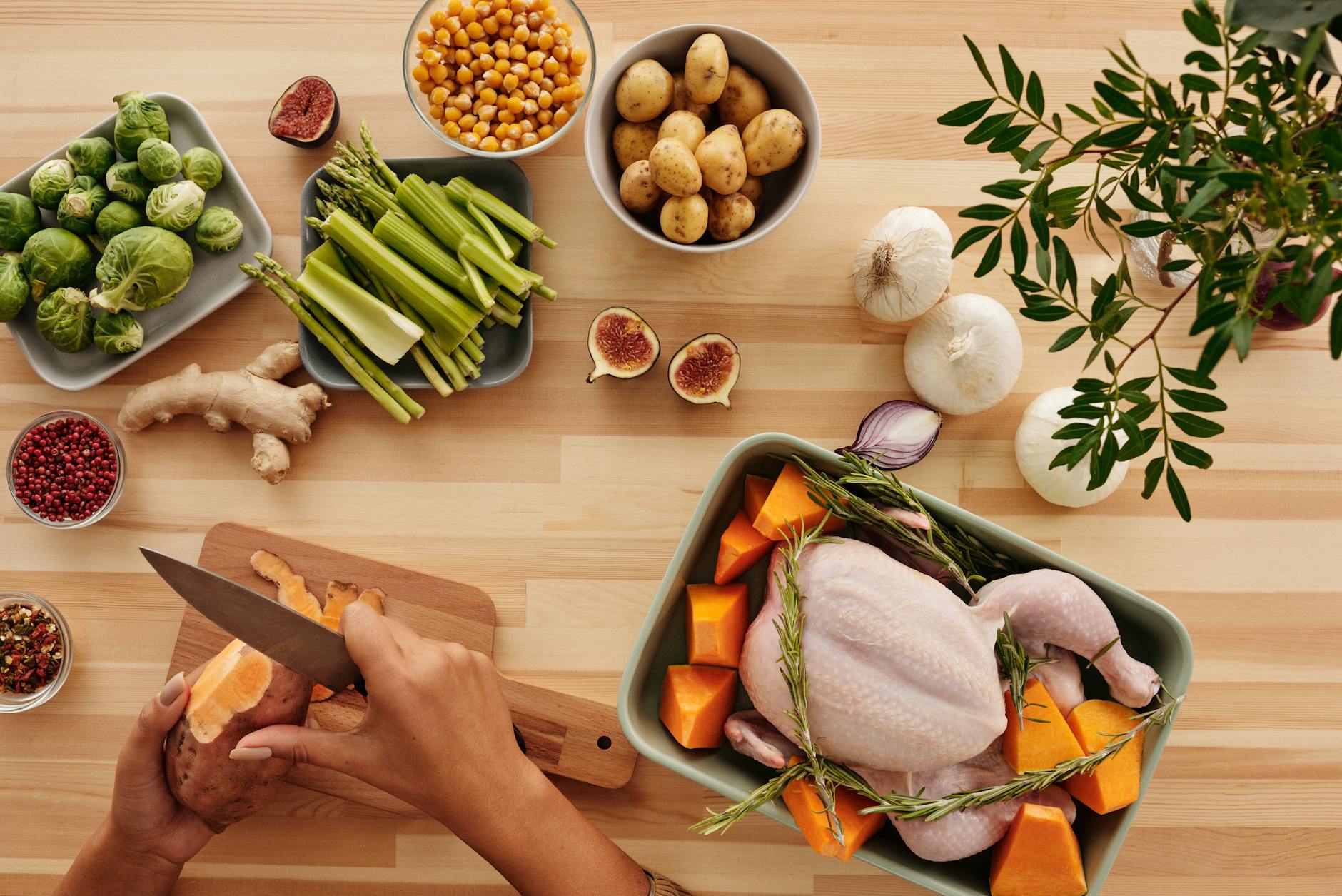
When we talk about anti-inflammatory foods, we’re not talking about some mystical, hard-to-find ingredients. We’re talking about delicious, accessible foods that are packed with antioxidants, healthy fats, and essential nutrients. Building an anti-inflammatory diet is about making conscious choices that nourish your body from the inside out. I’ve seen firsthand how incorporating these foods can make a tangible difference in how people feel, from reducing joint stiffness to boosting energy levels.
The Mighty Berries
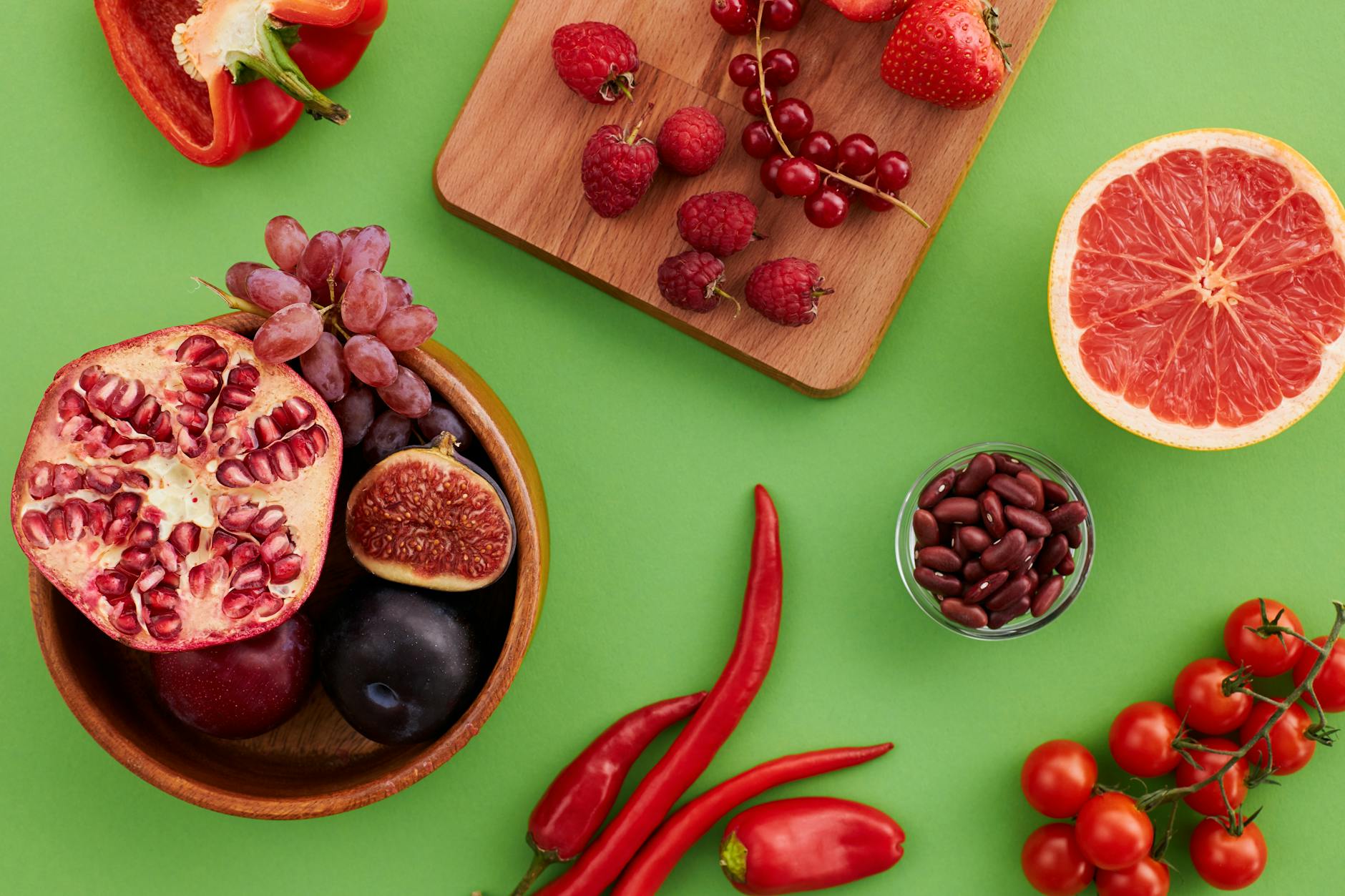
These little powerhouses are bursting with anthocyanins, the compounds that give them their vibrant colors and potent anti-inflammatory properties. Think blueberries, strawberries, raspberries, and blackberries. They are incredibly versatile and can be added to smoothies, yogurt, or simply enjoyed by the handful.
Blueberries: Tiny but Mighty
Blueberries are particularly rich in antioxidants and have been shown in studies to help reduce inflammation markers. I often recommend them for anyone looking for natural allergy remedies, as they can help calm the body's overactive immune response.
Other Berry Benefits
Don’t underestimate raspberries and strawberries either. They offer a fantastic dose of Vitamin C and other beneficial compounds that contribute to overall immune system support.
Fatty Fish: Omega-3 Powerhouses
If you're looking for foods to reduce swelling and combat inflammation, fatty fish should be at the top of your list. Salmon, mackerel, sardines, and anchovies are loaded with omega-3 fatty acids, specifically EPA and DHA. These fats are crucial for reducing inflammation throughout the body. I'll be real with you, I used to struggle with getting enough omega-3s, but incorporating baked salmon or canned sardines a couple of times a week made a huge difference.
Salmon: A Versatile Choice
Wild-caught salmon is my personal favorite. It’s not only rich in omega-3s but also a great source of lean protein and Vitamin D. It’s a staple in many of my meal plans for those seeking natural inflammation relief.
Sardines and Anchovies: Small but Potent
These smaller fish are often overlooked, but they are incredibly nutrient-dense and packed with omega-3s. They are also more sustainable and affordable options.
Leafy Greens: Nature's Detoxifiers
Spinach, kale, Swiss chard, and collard greens are nutritional superstars. They are loaded with vitamins, minerals, and antioxidants like flavonoids and carotenoids, which have powerful anti-inflammatory effects. These are foundational foods for any anti-inflammatory diet.
Kale: The King of Greens
Kale is incredibly versatile and can be enjoyed raw in salads, sautéed, or even baked into crispy chips. Its high vitamin K content also plays a role in reducing inflammation.
Spinach: Easy to Incorporate
Spinach wilts down beautifully in cooked dishes, making it an easy way to boost the nutrient content of soups, stews, and pasta sauces.
Nuts and Seeds: Healthy Fats and More
Almonds, walnuts, flaxseeds, and chia seeds are excellent sources of healthy fats, fiber, and antioxidants. Walnuts, in particular, are a great plant-based source of omega-3 fatty acids. They are perfect for snacking or adding to meals.
Walnuts: Brain Food with Anti-Inflammatory Perks
These crunchy nuts are not only good for your brain but also contain polyphenols that help fight inflammation. I often suggest a small handful as a mid-afternoon snack for sustained energy and reduced cravings.
Flaxseeds and Chia Seeds: Tiny Seeds, Big Impact
Grinding flaxseeds before consuming helps your body absorb their omega-3s more effectively. Chia seeds are fantastic for adding to puddings or as an egg substitute in baking.
Turmeric and Ginger: The Spice Cabinet Heroes
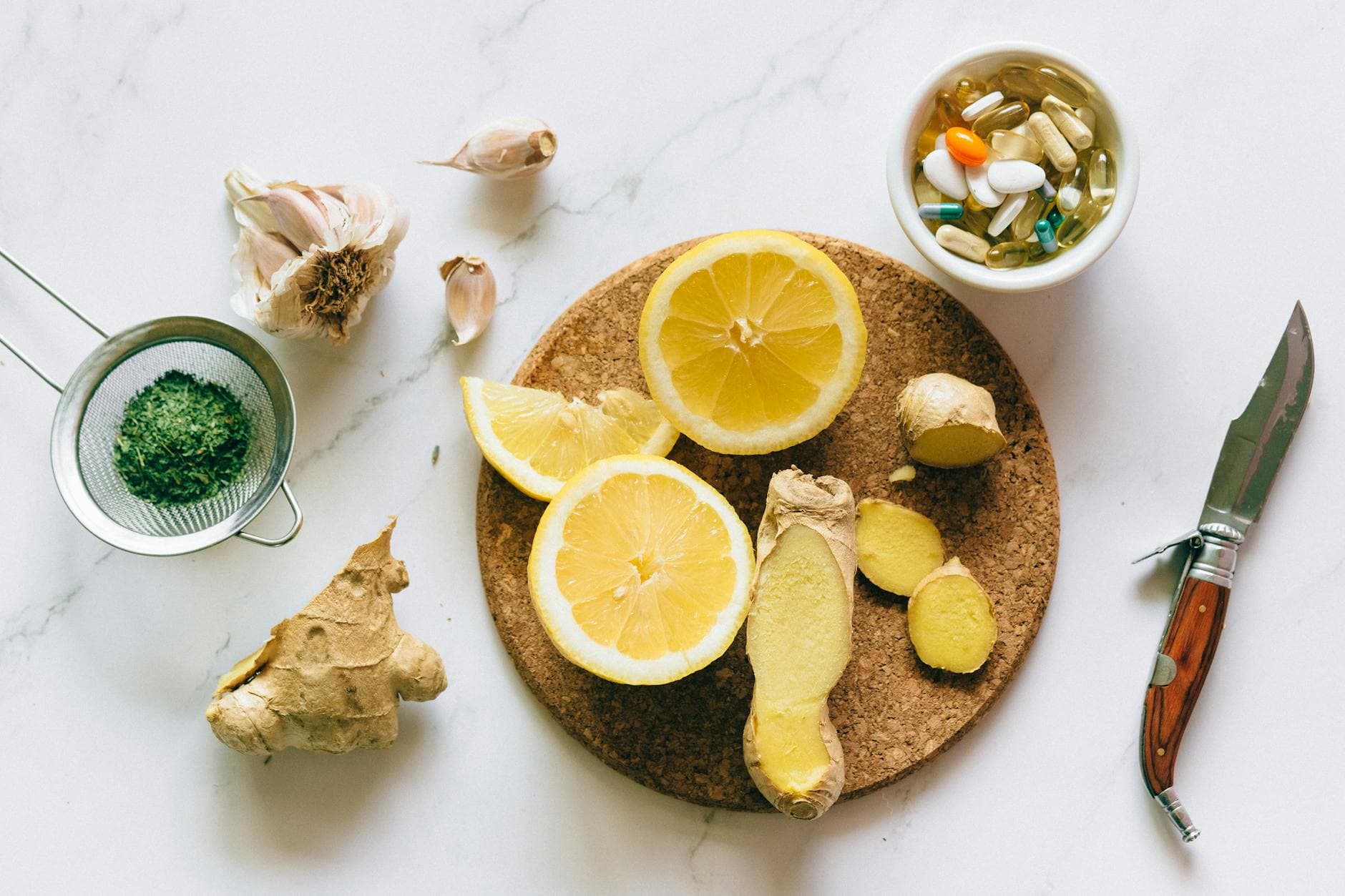
These aromatic spices are renowned for their potent anti-inflammatory compounds. Turmeric contains curcumin, a powerful antioxidant, while ginger is known for its ability to soothe digestive issues and reduce inflammation. They add incredible flavor to your meals and offer significant health benefits.
Turmeric: The Golden Spice
Curcumin is best absorbed when consumed with black pepper, so look for recipes that combine them. This spice is a cornerstone in many traditional healing practices and is a key player in foods for inflammation.
Ginger: Warming and Soothing
Fresh ginger can be added to stir-fries, teas, or even juices. Its warming properties can also be beneficial for seasonal allergy symptoms.
Other Notable Anti-Inflammatory Champions
The list of beneficial foods doesn't end there. Other excellent choices include avocados, extra virgin olive oil, broccoli, tomatoes, dark chocolate (in moderation!), and green tea. Each of these offers unique compounds that contribute to a less inflammatory internal environment.
Avocado: Creamy Goodness
Rich in monounsaturated fats and antioxidants, avocados are a versatile addition to salads, toast, or smoothies.
Extra Virgin Olive Oil: Liquid Gold
This staple of the Mediterranean diet is packed with oleocanthal, a compound with anti-inflammatory properties similar to ibuprofen.
Foods to Approach with Caution (or Avoid)
Just as some foods can heal, others can contribute to inflammation. Understanding these triggers is just as important as knowing which foods to embrace. This is where the concept of an anti-inflammatory diet really shines – it’s about balance and mindful eating.
Processed Foods and Refined Sugars
These are often the biggest culprits. Sugary drinks, processed snacks, refined grains, and fast food are typically high in unhealthy fats, added sugars, and artificial ingredients that can ignite inflammation. You've probably noticed how a sugary treat can lead to an energy crash; that's your body reacting to the inflammatory surge.
The Sugar Trap
Excess sugar consumption can lead to insulin resistance and increased inflammatory markers. It’s a hidden danger in many seemingly innocent foods.
Hidden Inflammatory Ingredients
Trans fats, found in many processed baked goods and fried foods, are particularly detrimental. Always check ingredient labels.
Unhealthy Fats
While healthy fats are crucial, unhealthy fats like saturated and trans fats can promote inflammation. This includes the fats found in fried foods and many processed snacks.
The Omega-6 Imbalance
Many Western diets are too high in omega-6 fatty acids (found in vegetable oils like corn and soybean oil) and too low in omega-3s, creating an inflammatory imbalance. Aim for a better ratio by reducing your intake of processed vegetable oils and increasing your consumption of omega-3 rich foods.
Excessive Alcohol and Red Meat
While moderate consumption of certain types of alcohol might have some benefits, excessive intake can contribute to inflammation. Similarly, high consumption of red and processed meats has been linked to increased inflammatory markers.
Alcohol's Double-Edged Sword
The body processes alcohol as a toxin, and chronic heavy drinking can overwhelm your system, leading to widespread inflammation.
Red Meat Considerations
When consumed in large quantities, certain compounds in red meat can contribute to inflammation. Opting for leaner cuts and enjoying it in moderation is key.
Putting it All Together: Building Your Anti-Inflammatory Plate
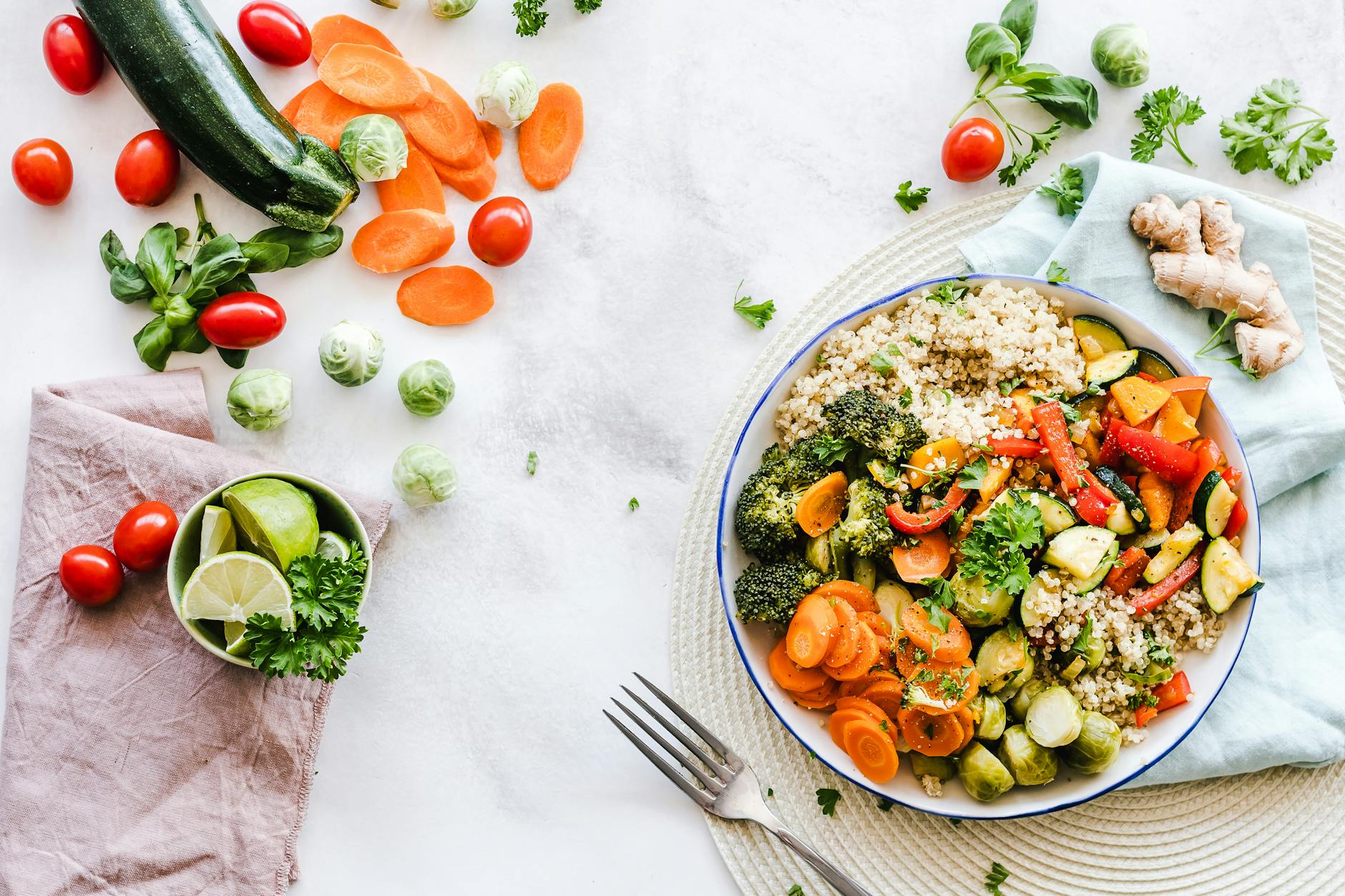
So, how do you translate this knowledge into daily action? It’s simpler than you might think. Focus on building meals around whole, unprocessed foods. Think vibrant colors, fresh ingredients, and delicious flavors. This is the core of an anti-inflammatory diet.
The 80/20 Rule (with a Twist)
I often tell my clients to aim for about 80% of their diet to be composed of these anti-inflammatory foods. This leaves room for flexibility and enjoyment without derailing progress. It’s about sustainable changes, not perfection.
Meal Planning for Success
Planning your meals can make a huge difference. Think about incorporating fatty fish twice a week, adding leafy greens to every lunch and dinner, and having a stash of nuts and seeds for snacks. You might even consider preparing some healthy breakfast muffins packed with berries and nuts for easy, on-the-go nutrition.
Spring Allergy Relief Through Diet
If you struggle with seasonal allergies, you’ll be happy to know that many anti-inflammatory foods can offer spring allergy relief. By reducing overall inflammation, you can help calm your body's hypersensitive immune response. Think of it as a holistic approach to natural allergy remedies. This is particularly relevant as we transition into warmer months, and many people start experiencing seasonal allergy symptoms.
Gut Health: The Foundation of Inflammation Control
Here’s something that often gets overlooked: your gut health is intrinsically linked to inflammation. A healthy gut microbiome, populated by beneficial bacteria, plays a crucial role in regulating your immune system and reducing inflammation. This is why incorporating probiotic foods in spring is so important for spring nutrition macros and overall well-being. Think of foods like yogurt, kefir, sauerkraut, and kimchi as allies in your fight against inflammation. Exploring probiotic recipes can be a delicious way to boost your gut health.
The Gut-Brain Connection
The state of your gut can influence your mood and even your cognitive function, highlighting the deep connection between gut health and inflammation.
Beyond the Plate: Lifestyle Factors
While diet is a powerful tool, it's not the only piece of the puzzle. Stress management, adequate sleep, and regular physical activity all play significant roles in managing inflammation. Think about the last time you were incredibly stressed or sleep-deprived – you probably felt more aches and pains, right?
The Sleep Connection
Aim for 7-9 hours of quality sleep per night. During sleep, your body repairs itself, and insufficient rest can elevate inflammatory markers.
Stress Management Techniques
Find healthy ways to cope with stress, whether it's through meditation, yoga, spending time in nature, or engaging in hobbies you love. This directly impacts your body's ability to manage inflammation.
Embracing anti-inflammatory foods isn't about a restrictive diet; it's about adopting a lifestyle that prioritizes nourishment and well-being. It’s about listening to your body and giving it the tools it needs to thrive. The journey to a less inflamed, more vibrant you starts with the choices you make on your plate, and I’ve seen the incredible transformations that can happen when you commit to this path. The science is clear, and the results speak for themselves, with organizations like the Centers for Disease Control and Prevention research on anti-inflammatory foods and Mayo Clinic research on anti-inflammatory foods consistently highlighting the benefits. Remember, this is a marathon, not a sprint, but every delicious, anti-inflammatory meal is a step in the right direction.