Did you know that the trillions of bacteria living in your gut might be influencing your mood, your immunity, and even your weight more than you realize? It’s a wild thought, but it’s true. And the key to nurturing these microscopic allies often lies in the simplest of foods. We're talking about embracing a diet rich in **probiotic rich foods**, a concept that’s gaining serious traction, and for good reason. This isn't just a trend; it's a fundamental shift towards understanding our bodies from the inside out, aiming for a true gut health reset.
The Mighty Microbes: Why Your Gut Matters
So, why all the fuss about gut health? Think of your digestive tract as a bustling metropolis, teeming with both beneficial and potentially harmful residents. When the good guys – the probiotics – are in the majority, your body functions optimally. They aid digestion, produce essential vitamins, and crucially, communicate with your brain, influencing everything from your stress levels to your cravings. A balanced gut microbiome is the foundation for a truly happy stomach.
The Gut-Brain Connection: More Than Just Digestion
You've probably felt it yourself: after a stressful day, your stomach might feel unsettled. That’s the gut-brain axis at work. The microbes in your gut produce neurotransmitters like serotonin, the "feel-good" chemical. When your gut bacteria are happy and diverse, they can help regulate mood and reduce anxiety. It's a two-way street; a stressed brain can negatively impact gut bacteria balance too.
Beyond Bloating: The Wide-Ranging Benefits of Probiotics
While many people turn to probiotics for bloating relief foods, the benefits extend far beyond immediate digestive comfort. A healthy gut can bolster your immune system, with a significant portion of your immune cells residing in your gut lining. It can also play a role in nutrient absorption, helping you get more out of the healthy foods you eat. For those looking to improve gut bacteria, a consistent intake of probiotic-rich foods is a powerful strategy.
Your Probiotic Foods List: Delicious Ways to Nourish Your Gut
Understanding what probiotic rich foods are is one thing, but knowing how to incorporate them into your daily life is another. Thankfully, many of these gut-loving options are delicious and versatile. They are the cornerstone of a healthy gut diet.
Fermented Foods: The Stars of the Show
Fermented foods are where you'll find the highest concentrations of live, beneficial bacteria. The fermentation process, driven by microorganisms like bacteria and yeast, transforms foods, making them more digestible and creating potent probiotic strains. These are truly the best probiotics for digestion that nature offers.
Yogurt: The Classic Choice
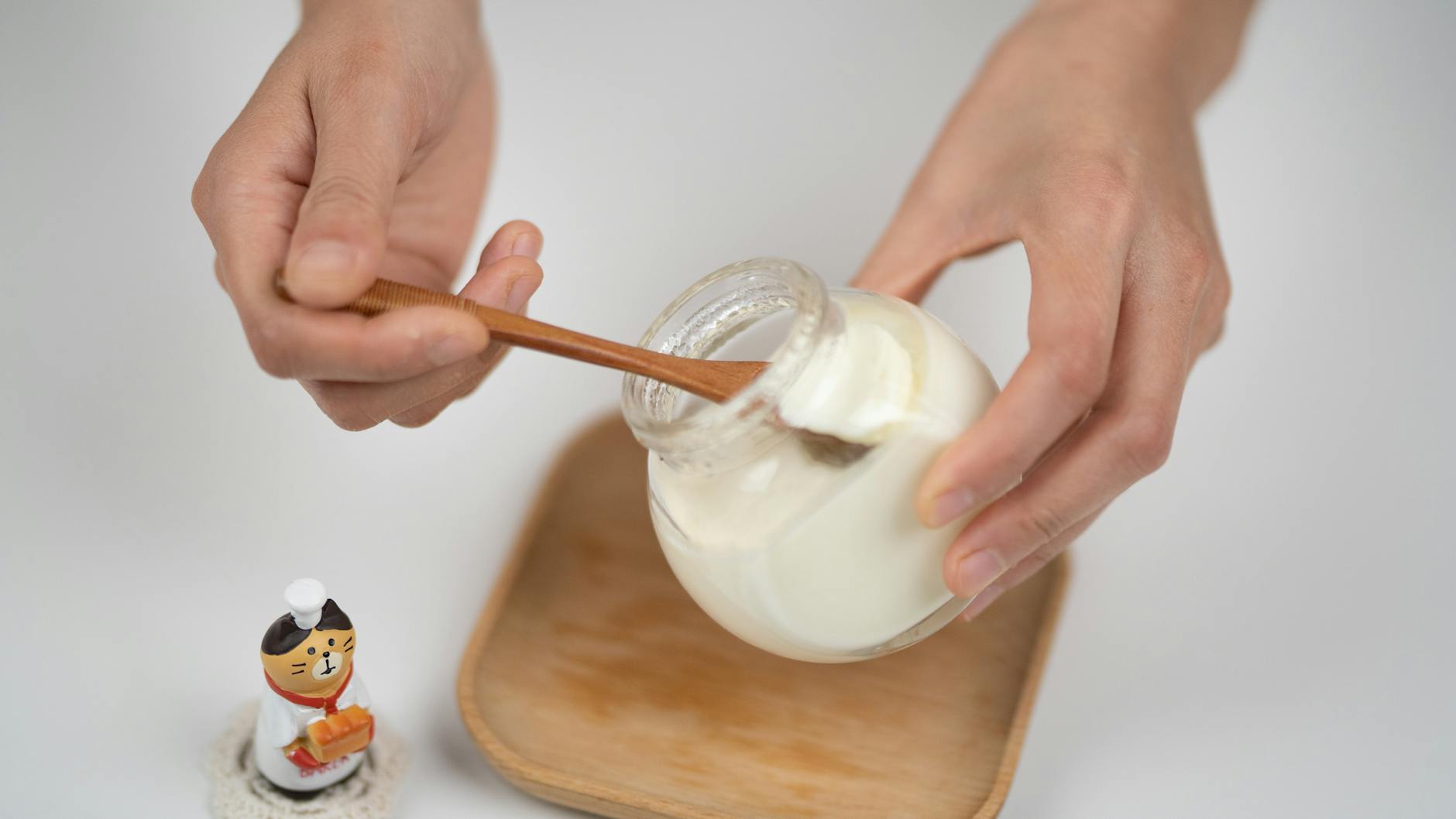
When you think of probiotic rich foods, yogurt is likely the first thing that comes to mind. Look for varieties that explicitly state they contain "live and active cultures" on the label. Plain, unsweetened yogurt is best, as added sugars can feed less desirable bacteria. You can then flavor it yourself with fresh fruit or a drizzle of honey. This is a fantastic starting point for anyone wanting to improve gut bacteria.
Kefir: A Tangy Powerhouse
Kefir, a fermented milk drink, is like a supercharged yogurt. It typically contains a wider variety of probiotic strains and yeasts. Its tangy, slightly effervescent taste might take a little getting used to, but its benefits are undeniable. It’s incredibly versatile – drink it on its own, blend it into smoothies, or use it as a base for dressings.
Sauerkraut: More Than Just a Topping
This fermented cabbage dish is a staple in many cultures for good reason. Opt for raw, unpasteurized sauerkraut found in the refrigerated section of your grocery store. The heat from pasteurization kills the beneficial bacteria. It’s a fantastic source of probiotics and adds a delightful crunch and tang to sandwiches, salads, and bowls.
Kimchi: The Spicy Korean Delight
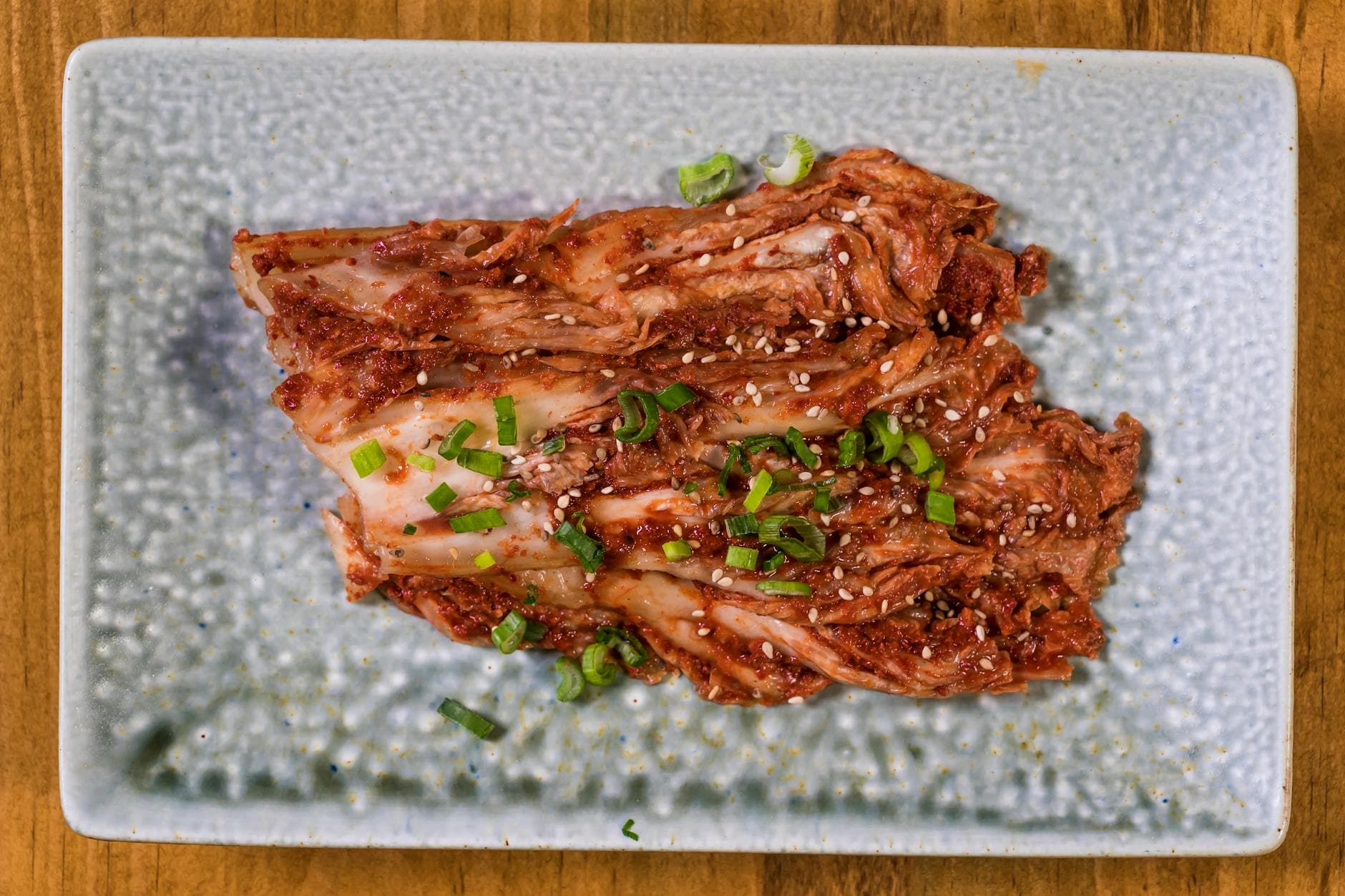
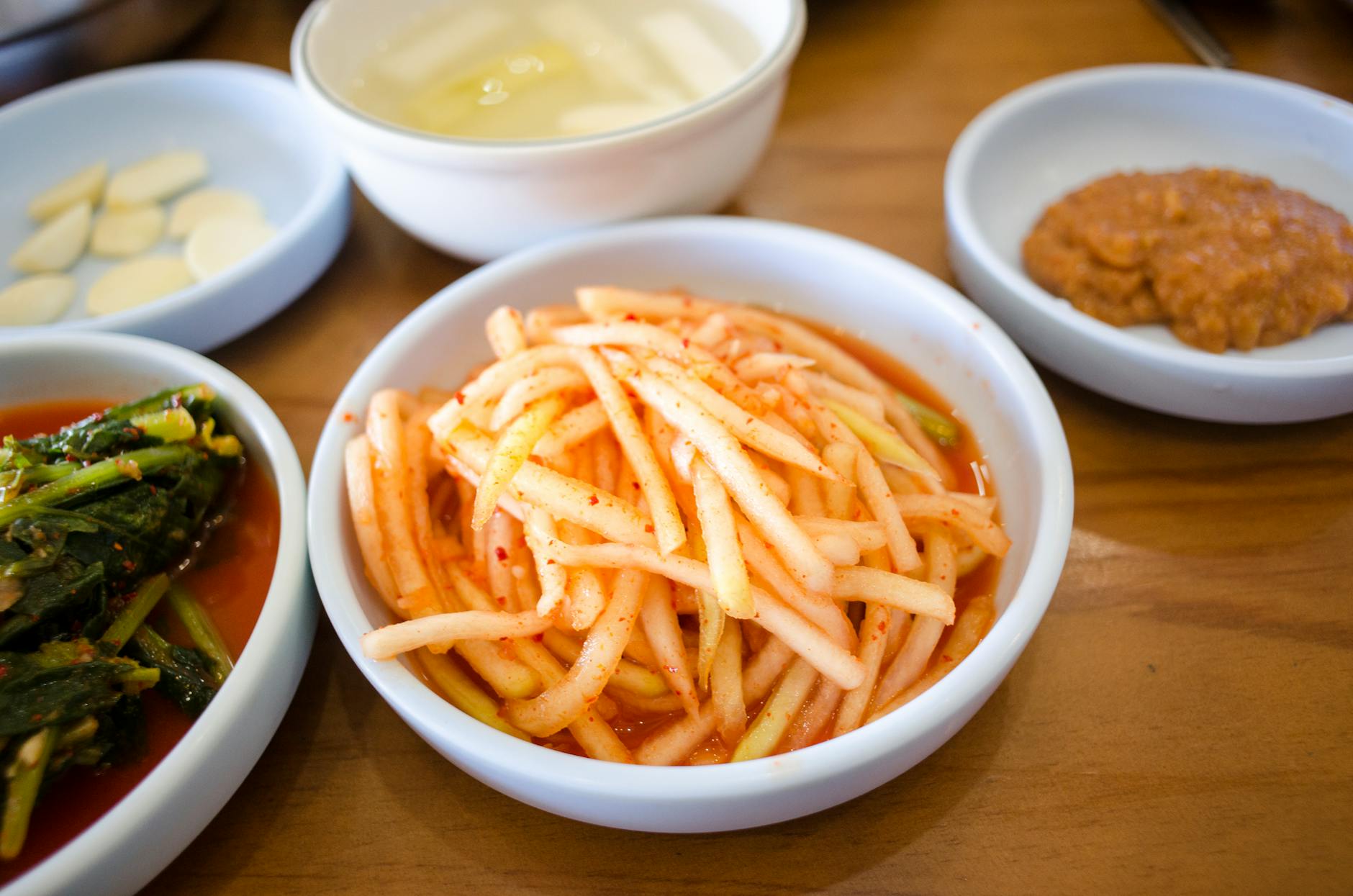
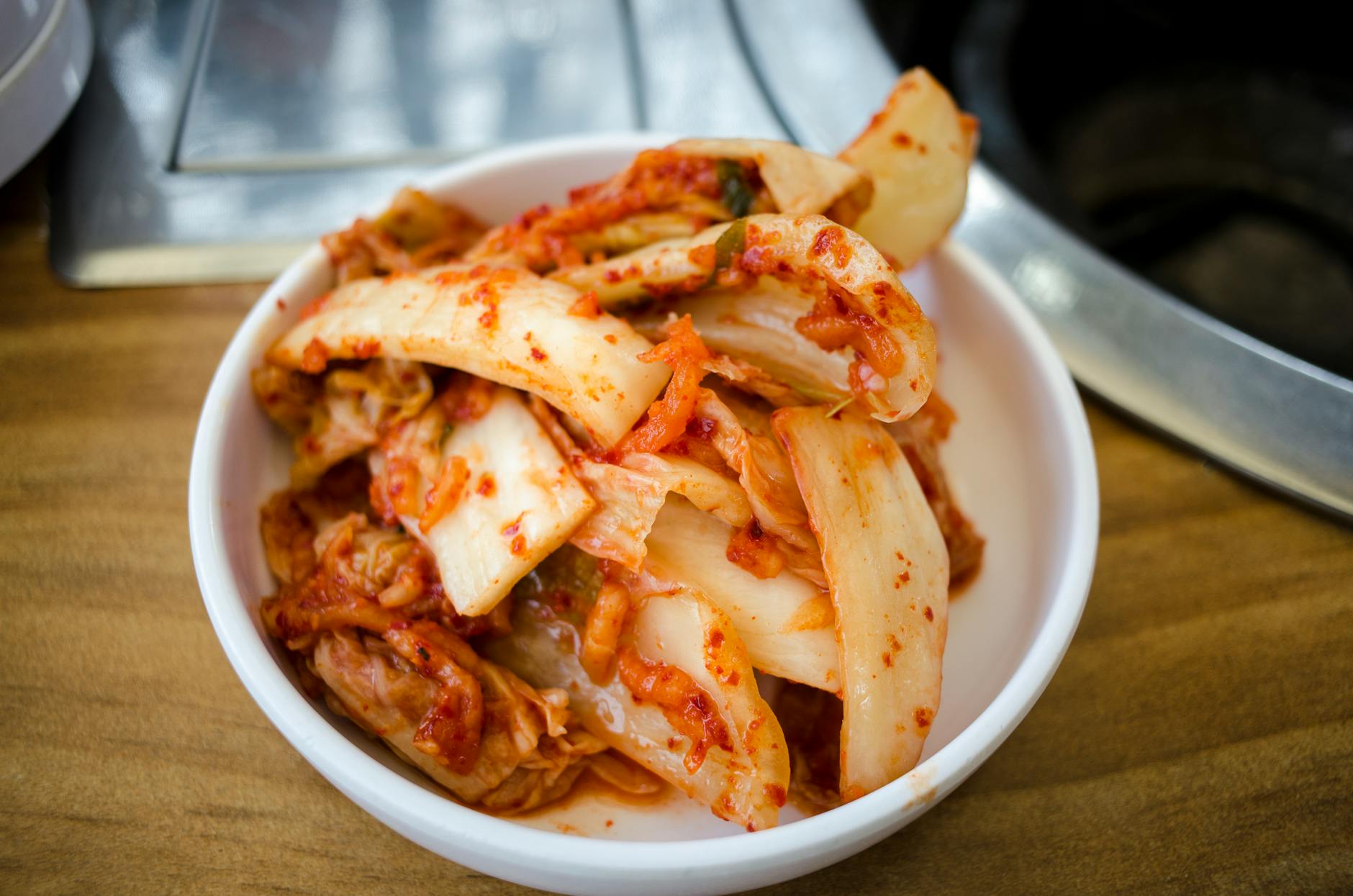
Kimchi, a spicy Korean fermented vegetable dish, is another incredible probiotic rich food. Typically made with cabbage, radishes, and a blend of chili powder, garlic, and ginger, it offers a complex flavor profile and a significant probiotic punch. It’s a wonderful side dish or an ingredient to add zest to stir-fries and omelets.
Miso: The Umami Bomb
Miso, a fermented soybean paste, is a staple in Japanese cuisine. It’s rich in probiotics and adds a deep, savory umami flavor to soups, marinades, and dressings. Like sauerkraut, it's best to add miso towards the end of cooking or use it raw to preserve its live cultures.
Tempeh: A Fermented Protein Source
Tempeh, made from fermented soybeans, is a firm, nutty-tasting meat alternative. The fermentation process makes the soybeans more digestible and creates a unique probiotic profile. It absorbs marinades beautifully and can be grilled, baked, or pan-fried.
Beyond Fermentation: Other Gut-Friendly Options
While fermented foods are the heavy hitters, other foods can contribute to a healthy gut environment. They support the beneficial bacteria already present and help create a thriving ecosystem.
Certain Cheeses: Aged and Wonderful
Some aged cheeses, like Gouda, cheddar, and Swiss, can contain probiotics. The aging process allows bacteria to survive and multiply. Again, look for less processed options where possible.
Sourdough Bread: A Traditional Choice
Traditional sourdough bread, made using a starter culture, contains beneficial bacteria and yeasts that can survive the baking process. This makes it a more gut-friendly alternative to commercially produced bread.
Spring Gut Health: A Time for Renewal
As the seasons change, so too can our approach to eating. Spring is a natural time for a gut health reset, and incorporating probiotic rich foods can be a key part of that. The arrival of fresh produce aligns beautifully with the goal of nourishing our bodies from the inside out. Think about embracing the spring produce benefits and pairing them with these gut-friendly staples.
Seasonal Eating for a Happy Stomach
Spring brings an abundance of vibrant vegetables and fruits. Think crisp asparagus, tender peas, and leafy greens. These foods are not only packed with vitamins and minerals but also fiber, which acts as a prebiotic – food for your good gut bacteria. This synergy makes spring a perfect time to focus on spring plant-based salads and spring vegetable recipes that are both delicious and beneficial.
The Gentle Transition: Gradual Introduction
If you’re new to probiotic rich foods, it’s wise to introduce them gradually. Your gut might need time to adjust to the influx of new bacteria. Starting with small portions of yogurt or sauerkraut a few times a week can prevent any initial digestive upset. Listen to your body; it will tell you what it needs.
What Nobody Tells You About Probiotics
Here’s the truth: while probiotic rich foods are fantastic, they aren't a magic bullet. Achieving optimal gut health is a holistic endeavor. You can eat all the kimchi and kefir in the world, but if your diet is also loaded with sugar and processed foods, you’re working against yourself.
The Prebiotic Connection: Feeding the Good Guys
Probiotics are the beneficial bacteria themselves, but prebiotics are the fibers that feed them. Think of it this way: probiotics are the seeds, and prebiotics are the soil. Foods rich in fiber, like fruits, vegetables, whole grains, and legumes, are crucial for a thriving gut. Without prebiotics, your probiotics won't have the fuel they need to flourish.
Lifestyle Matters: Stress, Sleep, and Movement
Your gut bacteria are sensitive to your overall lifestyle. Chronic stress can wreak havoc on your microbiome, as can insufficient sleep. Regular physical activity can also positively influence gut diversity. For instance, ensuring you're getting enough magnesium can support better sleep, and magnesium glycinate benefits are well-documented for their calming effects, while magnesium citrate benefits can be more geared towards digestive regularity. These elements work in concert with probiotic rich foods to create a truly healthy gut.
Consistency is Key: A Long-Term Strategy
Don't expect overnight miracles. Building a robust and diverse microbiome takes time and consistent effort. It’s about making sustainable dietary choices rather than quick fixes. Think of it as cultivating a garden; it requires ongoing care and attention.
Navigating the World of Probiotic Supplements
You might be wondering about probiotic supplements. They can be helpful, especially if you have specific digestive issues or have recently taken antibiotics, which can deplete your gut bacteria. However, the research on supplements is complex, and not all supplements are created equal. The National Institutes of Health research on probiotic rich foods often highlights the benefits of whole foods first. While supplements can offer targeted strains, relying solely on them might mean missing out on the synergistic nutrients and fibers found in fermented foods. It’s often recommended to consult with a healthcare professional or a registered dietitian to determine if a supplement is right for you and to find the best probiotics for digestion that suit your individual needs.
Embracing Your Gut's Potential
Ultimately, focusing on probiotic rich foods is a powerful step towards better digestive health and overall well-being. It’s about making conscious choices that nourish the incredible ecosystem within you. By incorporating these delicious fermented foods and supporting them with a fiber-rich diet and a healthy lifestyle, you’re setting yourself up for a happier stomach and a more vibrant life. This journey to improve gut bacteria is one of the most rewarding investments you can make in yourself. It’s about listening to your body and giving it the tools it needs to thrive.