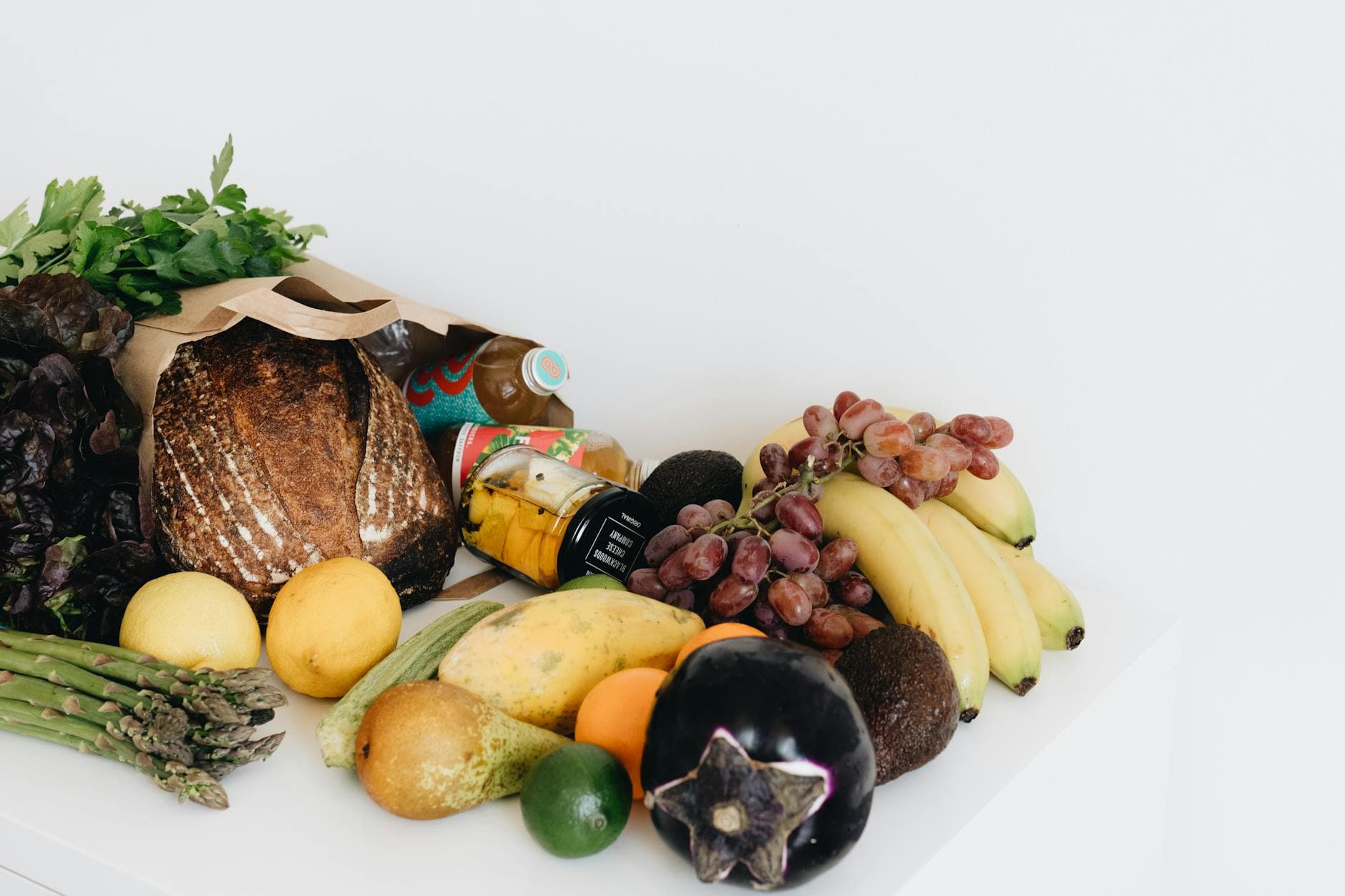
Have you ever found yourself feeling sluggish, a little off, or just not quite hitting your stride, and wondered if your diet might be playing a role? It’s a common feeling, and often, the answer lies in something as fundamental as ensuring we’re getting enough of certain vital minerals. Today, I want to talk about one of the unsung heroes of our well-being: potassium. Getting enough potassium rich foods into your daily meals isn't just a good idea; it's foundational for so many bodily functions, from keeping your heart beating steadily to ensuring your muscles contract properly.
The Undeniable Power of Potassium
For years, I’ve seen firsthand the transformative effects of focusing on nutrient-dense foods, and potassium consistently rises to the top as a mineral we often overlook. We hear a lot about calcium for bones or iron for energy, but potassium? It’s quietly doing incredible work behind the scenes. It’s a crucial electrolyte, meaning it carries an electric charge and is essential for nerve impulses and muscle contractions. Think about it – every time your heart beats, that’s potassium at work.
Why Potassium Matters So Much
So, why is this mineral so vital? Well, it’s a major player in maintaining fluid balance in your body. It works in tandem with sodium to regulate the amount of water inside and outside your cells. This balance is critical for everything from blood pressure regulation to preventing dehydration.
Balancing Act: Sodium and Potassium
Here’s the thing about potassium: it’s a fantastic counterpoint to sodium. While sodium can, in excess, contribute to higher blood pressure, potassium helps your body excrete sodium and relaxes your blood vessel walls. This is why focusing on a diet rich in potassium rich foods is one of the most impactful steps you can take for cardiovascular health. The World Health Organization has long emphasized the importance of this mineral in managing blood pressure.
The Ripple Effect of Potassium Deficiency
When we don’t get enough potassium, the effects can be subtle at first, then more pronounced. You might experience muscle weakness, fatigue, or even cramping. In more severe cases, it can lead to serious heart rhythm disturbances. Honestly, the symptoms of potassium deficiency can be so varied that people often don't connect them back to their diet.
Recognizing the Signs
If you've been experiencing persistent fatigue, unexplained muscle aches, or a general feeling of being run down, it's worth considering your potassium intake. You might be surprised how many people I’ve helped who saw significant improvements in their energy levels and muscle function simply by increasing their consumption of potassium-rich options.

Discovering the Best Potassium Foods
Now, let’s get to the good stuff: where can you find these powerhouse potassium foods? Forget the idea that you need to take a handful of supplements. Nature has provided us with an abundance of delicious and accessible options. My philosophy has always been to get our nutrients from whole foods whenever possible, and potassium is a perfect example of this.
Sweet Potatoes: A Versatile Champion
When I think of potassium rich foods, sweet potatoes immediately come to mind. They are incredibly versatile – you can bake them, mash them, roast them, or even add them to smoothies. A medium baked sweet potato can pack a significant punch of potassium, often providing around 500-700 mg. That’s a great start to your daily needs!
Beyond the Usual Suspects
While sweet potatoes are fantastic, let’s not stop there. Many everyday fruits and vegetables are loaded with potassium. Think about bananas, which are famously known for their potassium content, but there are other fruits that often get overlooked.
Leafy Greens: More Than Just Vitamins
Spinach, kale, and Swiss chard are nutritional powerhouses. They’re not only packed with vitamins and minerals but also offer a good dose of potassium. A cooked cup of spinach, for instance, can provide upwards of 800 mg of potassium. That's why I always encourage people to build their meals around these vibrant greens.
A Culinary Adventure
Exploring different ways to incorporate leafy greens can make healthy eating exciting. From a hearty kale salad to a quick spinach sauté, these foods for blood pressure management are both delicious and effective.

The Unexpected Stars of Potassium Rich Foods
Here’s where things get interesting. Some foods that you might not immediately associate with high potassium content are actually some of the best sources. This is where my experience really comes into play – helping people see beyond the obvious and discover hidden gems.
Beans and Legumes: The Unsung Heroes
White beans, kidney beans, lentils – these are nutritional powerhouses that often don't get enough credit. A cup of cooked white beans, for example, can contain over 1,000 mg of potassium. That’s phenomenal! They’re also high in fiber and protein, making them incredibly satiating and beneficial for overall health.
Building a Balanced Plate
I used to think of beans primarily as a side dish, but they can be the star of the show. Think hearty bean stews, flavorful chili, or even creamy hummus. They are fantastic mineral rich foods that contribute to a well-rounded diet.
Yogurt and Dairy: A Creamy Source
Plain yogurt, especially Greek yogurt, is another excellent source of potassium. A typical 8-ounce serving can provide around 400-500 mg. It’s also a great source of protein and calcium. Just be mindful of added sugars in flavored varieties.
A Simple Snack Solution
For a quick and easy snack, a bowl of plain Greek yogurt topped with some berries and a sprinkle of nuts is hard to beat. It’s a satisfying option that also contributes significantly to your daily potassium intake.

Potassium and Blood Pressure: A Crucial Connection
One of the most well-established benefits of adequate potassium intake is its role in managing blood pressure. This is a topic that I can’t stress enough, especially given the prevalence of hypertension. Getting enough potassium rich foods is a natural, effective strategy to support a healthy cardiovascular system.
The Electrolyte Balance Explained
As I mentioned earlier, potassium works with sodium to maintain fluid balance. When this balance is off, it can lead to increased blood volume and pressure. Potassium helps your body shed excess sodium, which in turn helps to lower blood pressure. It’s a beautiful, natural mechanism. The Centers for Disease Control and Prevention has extensive data supporting this relationship.
Making Smart Food Choices
It’s not about eliminating sodium entirely, but rather about achieving a better balance. By increasing your intake of potassium rich foods, you naturally shift this balance in a healthier direction. This is a key component of what I often refer to as a Spring Diet Reset: Clean Eating Guide for a Healthier You, focusing on whole, nutrient-dense foods.
Beyond Blood Pressure: Other Potassium Benefits
While blood pressure management is a major win, the benefits of potassium extend far beyond that. It's a mineral that supports overall bodily function in numerous ways.
Nerve Function and Muscle Health
Potassium is essential for transmitting nerve signals and for muscle contractions, including the vital beating of your heart. Without sufficient potassium, these processes can become compromised, leading to issues like muscle weakness, cramps, and even heart arrhythmias.
Hydration and Electrolyte Balance
As an electrolyte, potassium plays a critical role in maintaining proper hydration levels. It helps to regulate the amount of fluid in your cells, which is fundamental for every biological process. This is why electrolytes food, like those high in potassium, are so important, especially for active individuals.

Navigating a Low Potassium Diet: When Less is More
Now, I want to touch on a nuanced aspect of potassium intake: the low potassium diet. While most people struggle to get *enough* potassium, there are specific medical conditions, particularly kidney disease, where individuals need to *limit* their potassium intake. This is a crucial distinction, and it’s vital to work closely with a healthcare provider if this applies to you.
Understanding Medical Necessities
If you have been advised to follow a low potassium diet, it doesn't mean you can't eat healthily. It simply means being more mindful of the specific foods you choose. This is where working with a registered dietitian or your doctor is paramount to ensure you’re meeting your nutritional needs safely.
Making Informed Choices
For those on a low potassium diet, the focus shifts to lower-potassium fruits and vegetables, and careful portion control of other foods. It’s about knowledge and careful planning, not deprivation.
The Importance of Professional Guidance
I’ll be real with you: navigating dietary restrictions can be challenging. If you’re in a situation where you need to manage your potassium intake, please don’t try to do it alone. A healthcare professional can provide personalized guidance and help you create a meal plan that is both safe and enjoyable.
Incorporating Potassium Rich Foods Into Your Daily Life
The good news is that making small, consistent changes can have a big impact. You don't need a drastic overhaul to boost your potassium intake. It’s about smart swaps and intentional additions.
Breakfast Boosts
Start your day right! Think about adding a banana to your oatmeal benefits, or enjoying a smoothie with spinach and yogurt. Even a simple serving of whole-wheat toast with Healthy Peanut Butter Snacks can contribute.
Lunch and Dinner Power-Ups
For lunch, a hearty lentil soup or a salad topped with beans is a fantastic option. At dinner, aim to fill half your plate with non-starchy vegetables like broccoli, asparagus, or Brussels sprouts, which are good sources of potassium.
Snack Smart
Instead of reaching for processed snacks, opt for a handful of almonds, a baked sweet potato, or a small bowl of plain yogurt. These are nutrient-dense choices that will keep you satisfied and contribute to your potassium goals.
Hydration and Electrolytes
Don't forget that staying hydrated is key, especially when increasing your intake of certain foods. Water is always best, but electrolyte-rich beverages (without excessive sugar) can also be beneficial, particularly after exercise.
A Final Thought on Nourishment
Ultimately, focusing on potassium rich foods is about embracing a holistic approach to health. It’s about understanding that the food we eat directly impacts how we feel, how we function, and our long-term well-being. It’s not about perfection, but about progress and making informed choices that nourish your body from the inside out. Think about the last time you felt truly energized and vibrant – chances are, your diet was playing a significant role. By prioritizing these mineral rich foods, you're investing in a healthier, more resilient you.