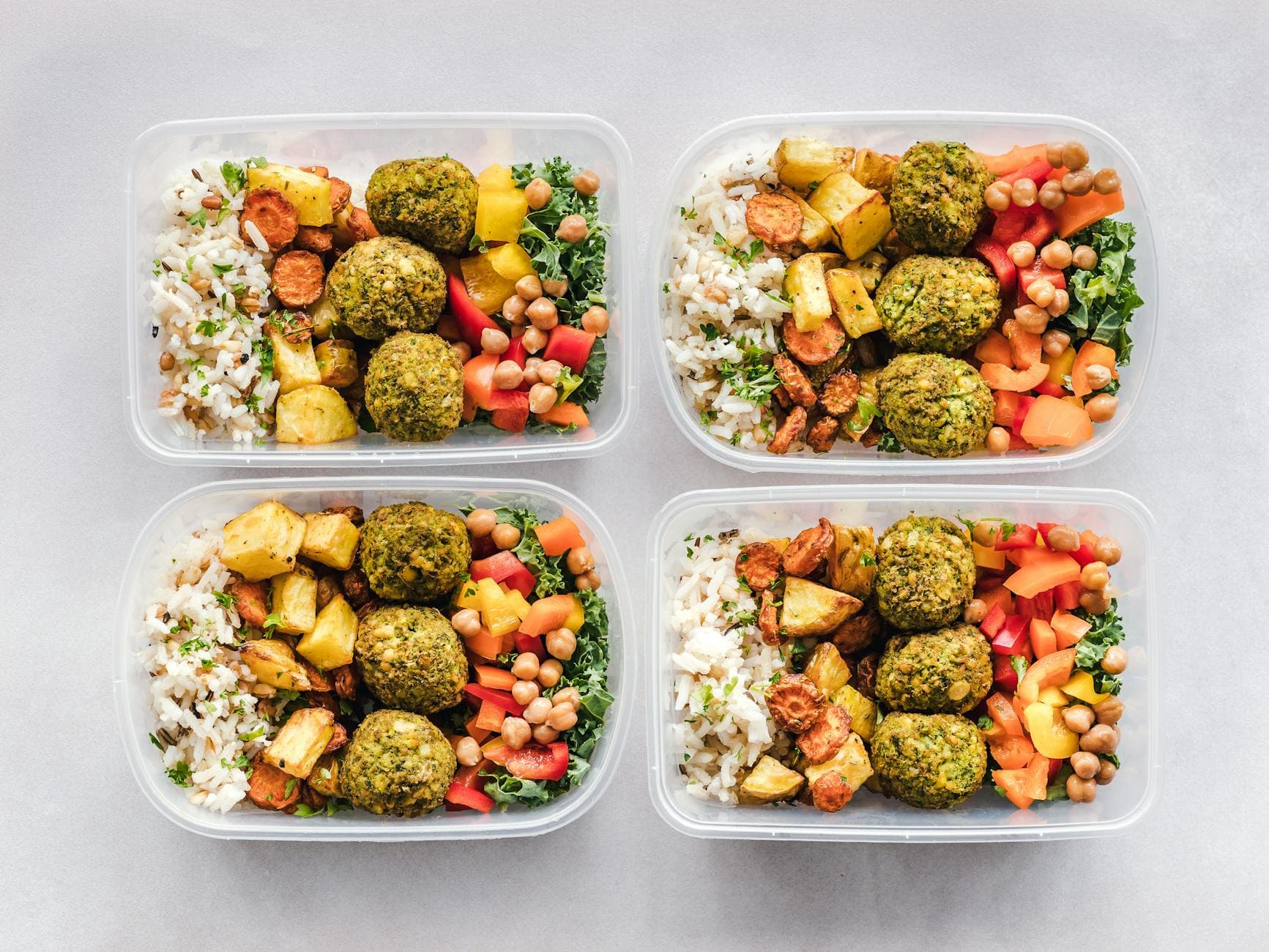
I’ll be real with you: for years, I clung to the idea that serious protein meant meat. Chicken breasts, eggs, whey shakes – that was my go-to. I used to think that transitioning to a plant-based diet, especially a high-protein one, meant sacrificing strength, feeling constantly hungry, or just eating endless bowls of plain lentils. Honestly, I really believed it would be a struggle to get enough protein. It was a huge misconception, and one I learned the hard way when I finally committed to exploring a more compassionate, sustainable way of eating. Developing my own effective plant based protein diet plan completely flipped my understanding, proving that you can absolutely thrive, build muscle, and feel fantastic without animal products.
My journey into the world of plants wasn't just about ethics; it was also about discovering how much better my body felt. Less bloating, more energy, and surprisingly, easier recovery after workouts. It turns out, my old assumptions about protein were just that – assumptions, not facts. If you've been curious, or perhaps even skeptical, about how to build a robust, satisfying, and truly effective vegan protein diet plan, you're in the right place. I’m here to share what I’ve learned, what works, and how to make it delicious and easy for you.
Dispelling the Myths: The Power of Plant Protein
Here's the thing about protein: our bodies don't care where it comes from, as long as it gets the essential amino acids it needs. The myth that plant protein is "incomplete" or inferior is stubbornly persistent, but it's largely outdated. Most plant foods contain all 20 amino acids, just in varying ratios. The key is variety, not obsession over a single meal's amino acid profile.
Understanding Complete Plant Protein
You might be wondering about "complete plant protein." This term refers to foods that contain all nine essential amino acids in sufficient quantities. While some plant sources, like quinoa, soy (think tofu, tempeh, edamame), and buckwheat, are naturally complete, you don't need to eat them at every meal. Your body is incredibly smart; it pools amino acids over the course of a day. So, combining different plant based protein sources throughout your meals, like rice with beans, or hummus with whole-wheat pita, easily provides all the essentials. It’s not a complicated puzzle to solve at each sitting, just a matter of diverse eating.
The Surprising Benefits Beyond Protein
Beyond meeting your protein needs, a high protein plant based diet offers a wealth of other advantages. Plants are packed with fiber, which is fantastic for digestion and gut health. Think about the last time you felt sluggish – chances are, a fiber boost could have helped. They're also loaded with vitamins, minerals, and antioxidants that you simply won't find in animal products. This means better overall health, reduced inflammation, and a stronger immune system. I’ve seen firsthand how adopting an Anti Inflammatory Diet focused on plants can truly transform well-being, helping to avoid Foods That Cause Inflammation and promote vitality.
Crafting Your Plant Based Protein Meal Plan: The Essentials
Building a solid plant based protein meal plan isn't about restriction; it's about abundance and smart choices. Forget complicated formulas; focus on delicious, nutrient-dense ingredients that make you feel good. This approach makes it incredibly easy to sustain long-term.
Your Go-To Plant Based Protein Sources
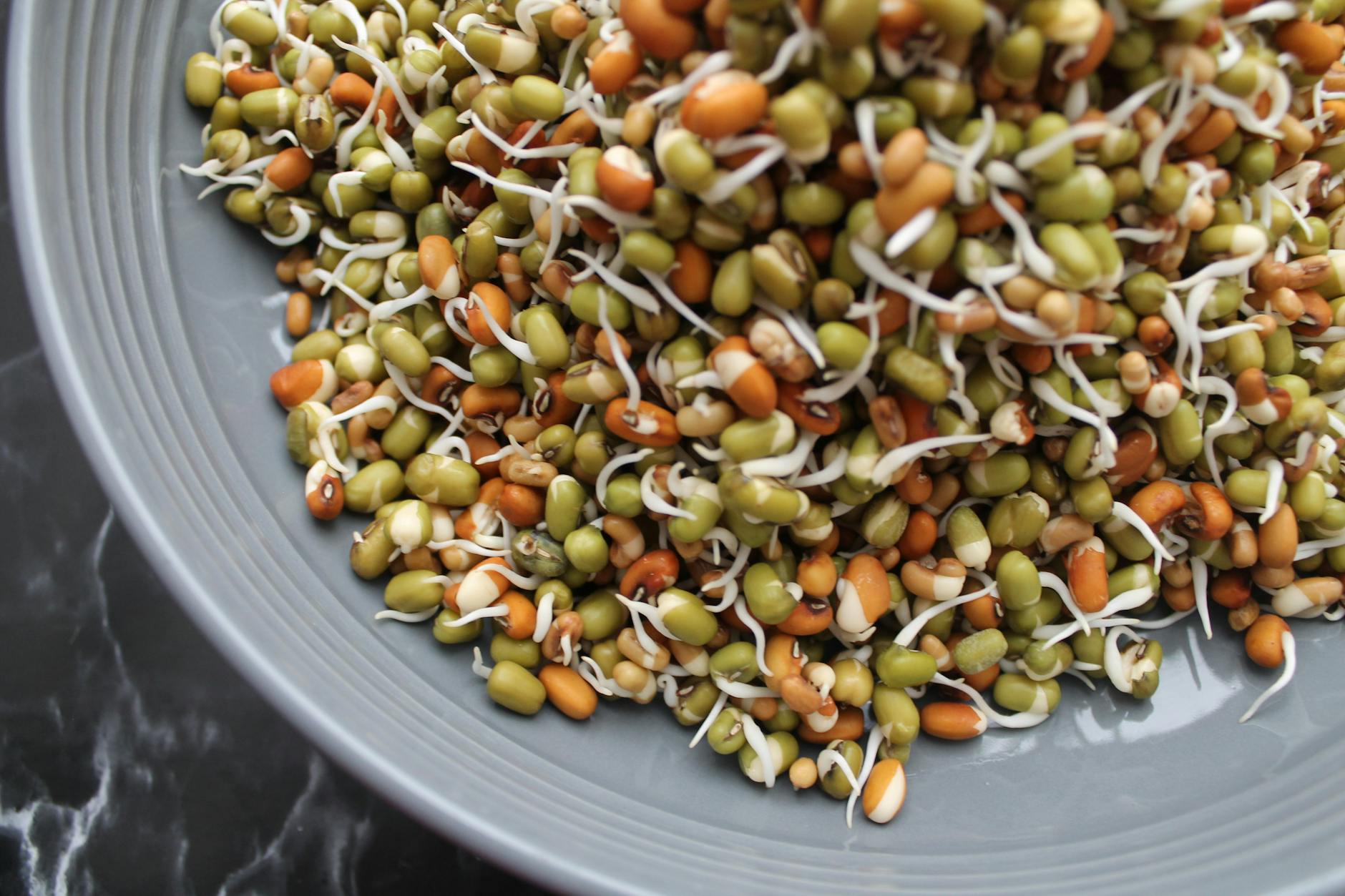
Let's talk about the stars of the show – the incredible plant based protein sources that will form the backbone of your diet. These are the ingredients I rely on daily, and they’re surprisingly versatile.
Legumes and Beans
- Lentils: Red, green, brown – all fantastic. About 18 grams of protein per cooked cup. Great in soups, stews, salads, or as a meat substitute.
- Chickpeas: Around 15 grams per cooked cup. Hummus, roasted chickpeas, curries – the possibilities are endless.
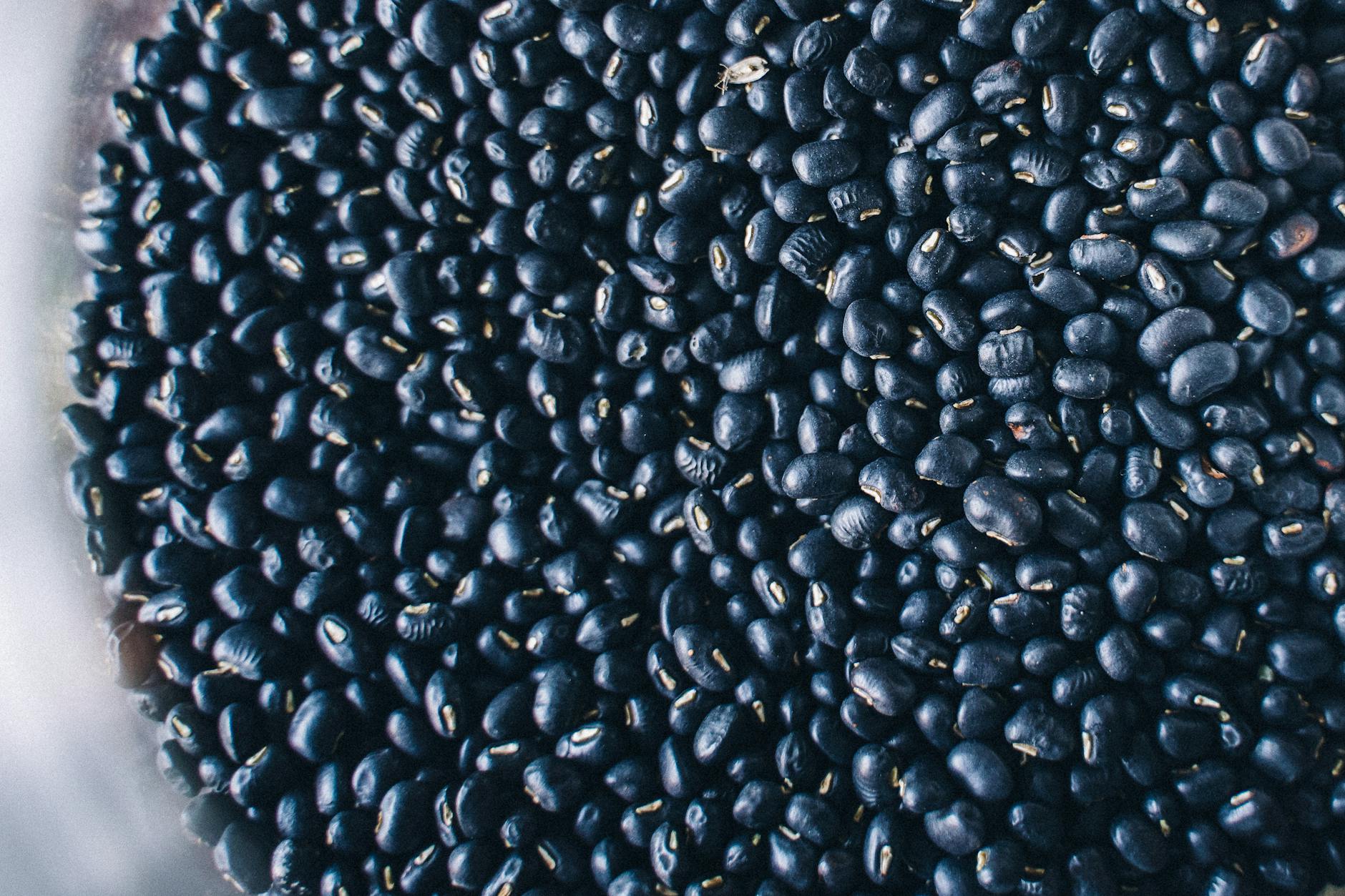
- Black Beans: Roughly 15 grams per cooked cup. Tacos, burritos, salads, and even brownies (trust me on this one!).
- Edamame: 17 grams per cup, shelled. A perfect snack or addition to stir-fries.
Grains and Seeds
- Quinoa: 8 grams per cooked cup, and it's a complete protein. A fantastic base for any meal.
- Hemp Seeds: About 10 grams in 3 tablespoons. Sprinkle them on everything – salads, oatmeal, smoothies.
- Chia Seeds: 5 grams in 2 tablespoons. Great for puddings, thickening smoothies, or as an egg replacer.
- Oats: 11 grams per half cup dry. Not just for breakfast; think savory oat bowls!
Soy Products and Derivatives
- Tofu: About 20 grams per half cup. Super versatile, takes on any flavor. Press it well for best texture.
- Tempeh: Around 31 grams per cup. Fermented, so it's excellent for gut health. Marinate and bake, fry, or crumble.
- Edamame: We mentioned it, but it's worth highlighting again as a whole soy food.
Nuts and Other Vegetables
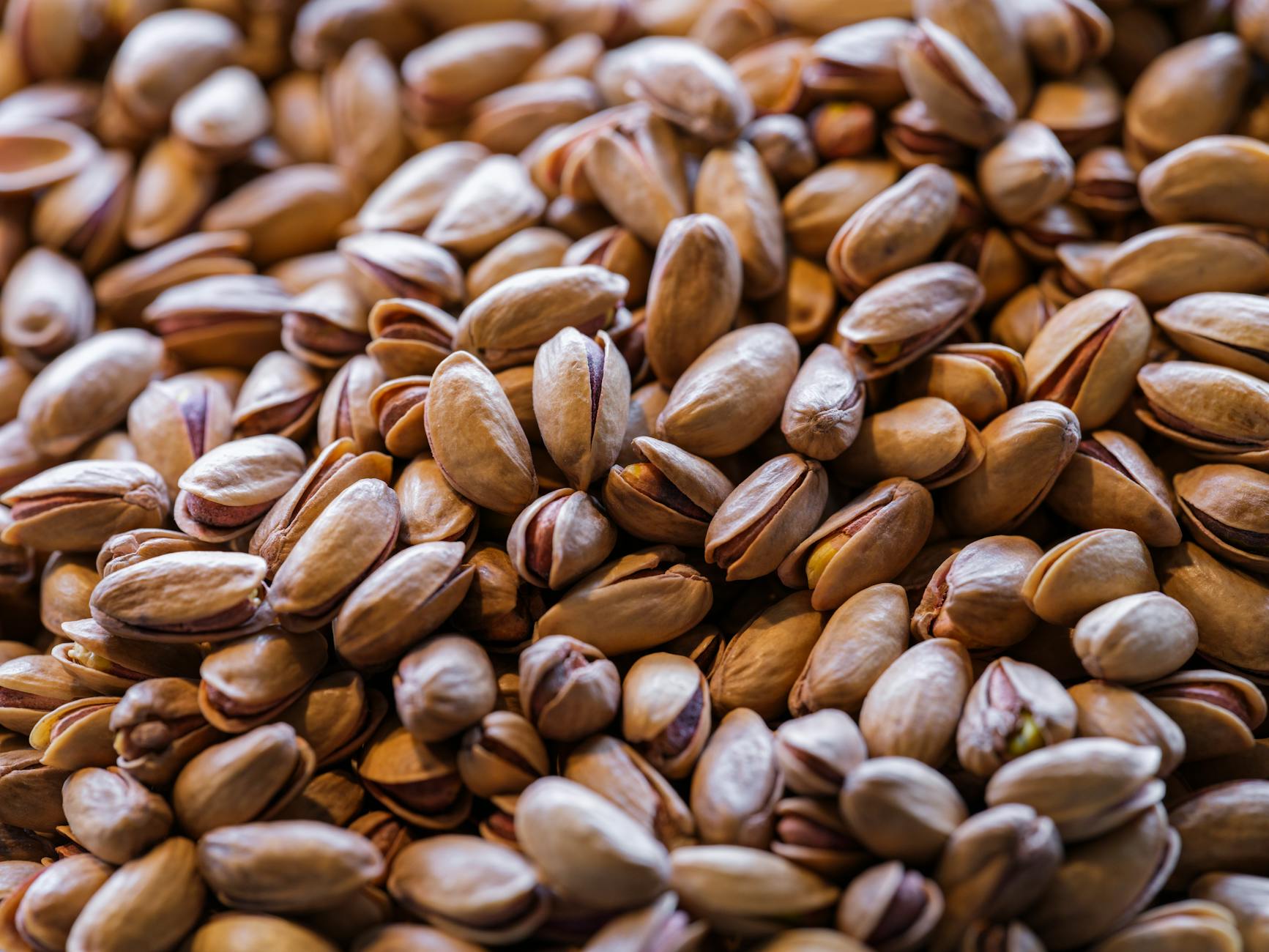
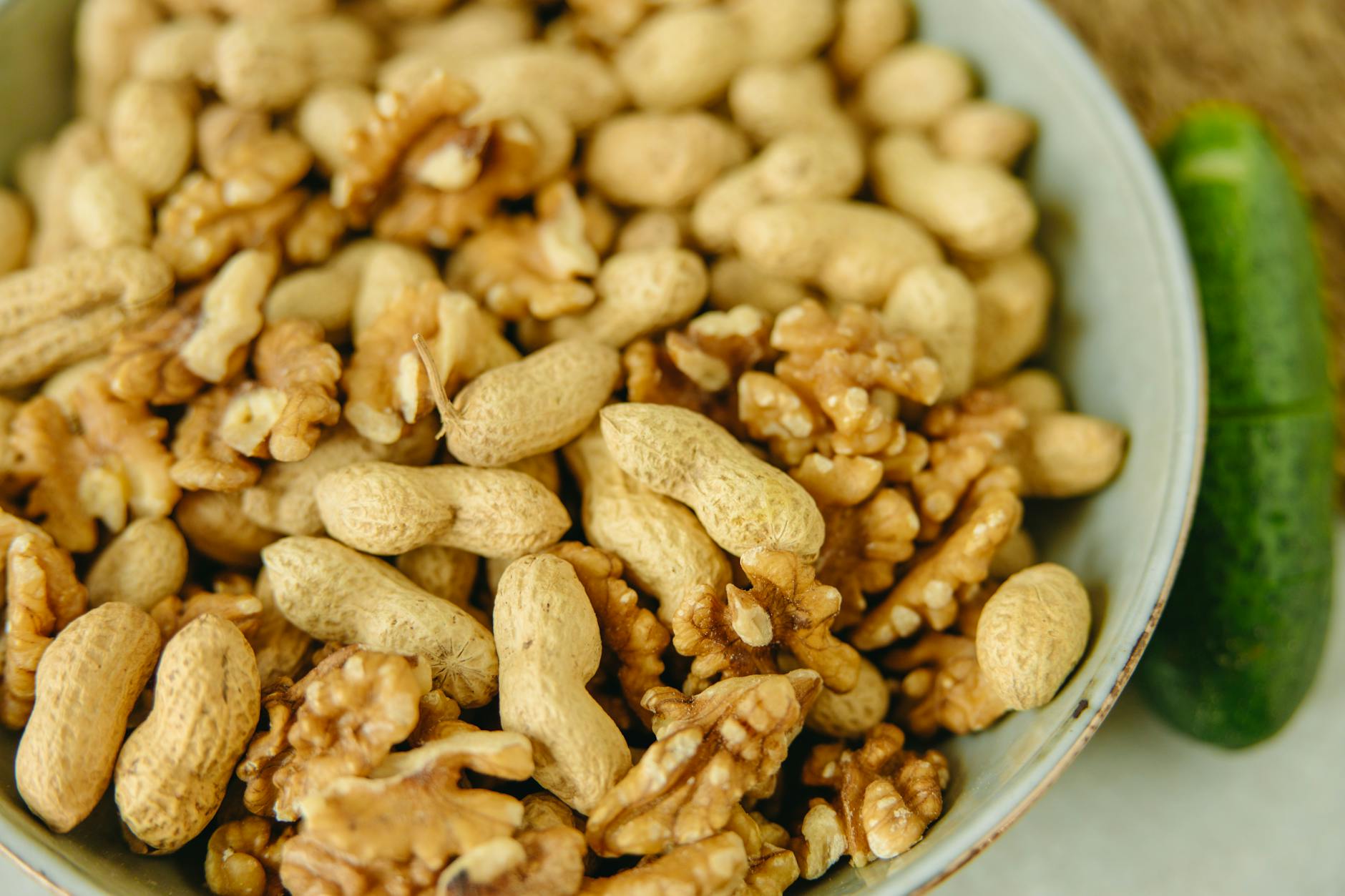
- Almonds, Peanuts, Cashews: Good protein, healthy fats, and satisfying.
- Broccoli, Spinach, Asparagus: While not protein powerhouses on their own, they contribute meaningfully, especially in larger quantities, and are packed with other nutrients.
Designing Your Daily Plate
When I design my meals, I think in terms of components. A good rule of thumb for a high protein plant based diet is to aim for a significant protein source, a healthy fat, complex carbohydrates, and plenty of colorful vegetables. For example, a typical lunch for me might be a large salad with a base of mixed greens, a generous serving of roasted chickpeas and lentils, a sprinkle of hemp seeds, avocado for healthy fats, and a light vinaigrette. That’s easily 20-25 grams of protein right there, and it’s delicious.
Remember, your body needs consistency. Aim for protein at every meal and snack. This helps with satiety, blood sugar stability, and muscle maintenance. You'll find that once you get into the rhythm of it, creating delicious plant based protein recipes becomes second nature.
Beyond the Plate: Supplements and Strategies
While I always advocate for getting most of your nutrients from whole foods, sometimes supplements can be a helpful tool, especially when you're just starting out or have higher protein needs, like for muscle gain.
When to Consider Plant Based Protein Powder
A good quality National Institutes of Health research on plant based protein diet plan suggests that plant based protein powder can be incredibly convenient. If you're short on time, need a quick post-workout boost, or find it challenging to hit your protein targets through food alone, a scoop of protein powder in a smoothie can make a big difference. Look for blends that combine different plant sources (like pea, rice, and hemp) to ensure a complete amino acid profile. I prefer ones with minimal added sugars and artificial ingredients.
Strategic Snacking for Success
Snacks are your secret weapon in a plant based protein diet plan. They keep hunger at bay and provide extra opportunities to sneak in more protein. Think about pairing protein with fiber for maximum satisfaction. Some of my favorite protein-packed snacks include:
- Apple slices with almond butter
- Edamame (steamed or roasted)
- A small handful of mixed nuts and seeds
- Hummus and veggie sticks
- Vegan protein smoothie (with fruit, spinach, and plant milk)
- Roasted chickpeas
These aren't just empty calories; they're opportunities to fuel your body and keep your energy levels steady throughout the day. This steady intake is key to Improve Gut Health: Simple Steps for a Healthier You Today! and overall vitality.
Plant Based Protein for Weight Loss and Muscle Gain
Whether your goal is to shed a few pounds or pack on some muscle, a well-structured plant based protein diet plan is incredibly effective. Protein is crucial for both.
Supporting Weight Loss Goals
When it comes to plant based protein for weight loss, protein is your best friend. It's incredibly satiating, meaning it keeps you feeling full for longer, which naturally helps reduce overall calorie intake. Plus, your body expends more energy digesting protein compared to carbs or fats, a phenomenon known as the thermic effect of food. Couple that with the fiber content in most plant proteins, which also aids satiety and helps regulate blood sugar, and you have a powerful combination for sustainable weight management. I've personally found that focusing on high-protein, high-fiber plant meals makes it much easier to manage cravings and maintain a healthy weight without feeling deprived.
Fuelling Muscle Growth and Recovery
For those looking at plant based protein for muscle gain, rest assured, it's absolutely achievable. The idea that you *need* animal protein to build muscle is simply not true. Many elite plant-based athletes are living proof of this. The principles are the same: consume adequate calories, ensure sufficient protein intake (aim for 1.6-2.2 grams per kilogram of body weight, as suggested by National Institutes of Health research on plant based protein diet plan), and train consistently. The amino acids from diverse plant sources will provide the building blocks your muscles need to repair and grow. Just make sure you're getting enough total calories to support your training demands, as plants can be lower in caloric density.
Making Your Plant Based Protein Diet Plan Sustainable and Enjoyable
The best diet is one you can stick to, right? That’s why enjoyment and sustainability are paramount. This isn't about temporary fixes; it's about creating a lifestyle that nourishes you in every way.
Embracing Variety and Flavor
My biggest piece of advice for anyone exploring a plant based protein diet plan is to experiment. Don't fall into the trap of eating the same bland meals every day. The plant kingdom offers an incredible palette of flavors and textures. Learn to use spices, herbs, vinegars, and healthy fats to elevate your dishes. Explore different cuisines – Indian curries, Mexican bowls, Mediterranean salads – they often naturally feature delicious plant-based protein combinations. This is also where understanding Probiotic Foods List: Top Fermented Options for Gut Health can add another layer of flavor and health benefits to your cooking.
Practical Tips for How to Get Enough Protein Plant Based
It can feel overwhelming at first to figure out how to get enough protein plant based. My practical tips are simple: always have cooked legumes on hand (canned or pre-cooked lentils/chickpeas are a lifesaver). Make big batches of grains like quinoa or farro at the start of the week. Keep nuts and seeds easily accessible for snacking or adding to meals. And don't underestimate the power of nutrient-dense vegetables; while not primary protein sources, they contribute to your overall intake and provide essential micronutrients. Focus on Best Gut Health Foods: Boost Your Digestion Naturally to ensure your body is absorbing all these wonderful nutrients.
Ultimately, a plant based protein diet plan isn't about deprivation; it's about discovery. It's about finding new flavors, feeling better in your own skin, and realizing the incredible power of plants to fuel your body and mind. It's a journey I wish I had started sooner, and one I truly believe will empower you to live a healthier, more vibrant life.