Have you ever stood in the supplement aisle, feeling completely overwhelmed by the sheer volume of protein powders, and wondered, "What is *actually* good for me?" It's a question I get asked all the time, and honestly, it’s a good one. Especially when you start looking at options like **organic plant protein**. It’s become a buzzword, right? But what does it really mean, and why should you care?
I’ve spent years diving deep into nutrition, not just reading studies but living it, experimenting, and helping others do the same. And I’ll be real with you, the world of protein powders can be a minefield. But understanding the nuances of organic plant protein can be a total game-changer for your health, your energy, and even your conscience.
Why Organic Plant Protein Deserves Your Attention
Let’s cut to the chase. When we talk about organic plant protein, we’re talking about protein derived from plants that have been grown without synthetic pesticides, herbicides, or genetically modified organisms. It sounds simple, but the implications are pretty significant.
The Purity Factor
Think about it: if you’re trying to nourish your body, you want the cleanest fuel possible, right? Organic farming practices prioritize soil health and biodiversity, which often translates to a more nutrient-dense final product. Plus, you’re significantly reducing your exposure to potentially harmful chemicals. I’ve seen people experience subtle but noticeable shifts in their well-being just by switching to organically sourced foods, and protein powders are no different.
What "Organic" Really Means for Your Health
It’s not just a label. Organic certification means rigorous standards are met. This can mean better for the environment, and often, better for you. For those of us concerned about what we’re putting into our bodies, especially if we’re looking for gut health reset support, this is a crucial distinction.
Beyond the Buzz: What’s in a Plant Protein?
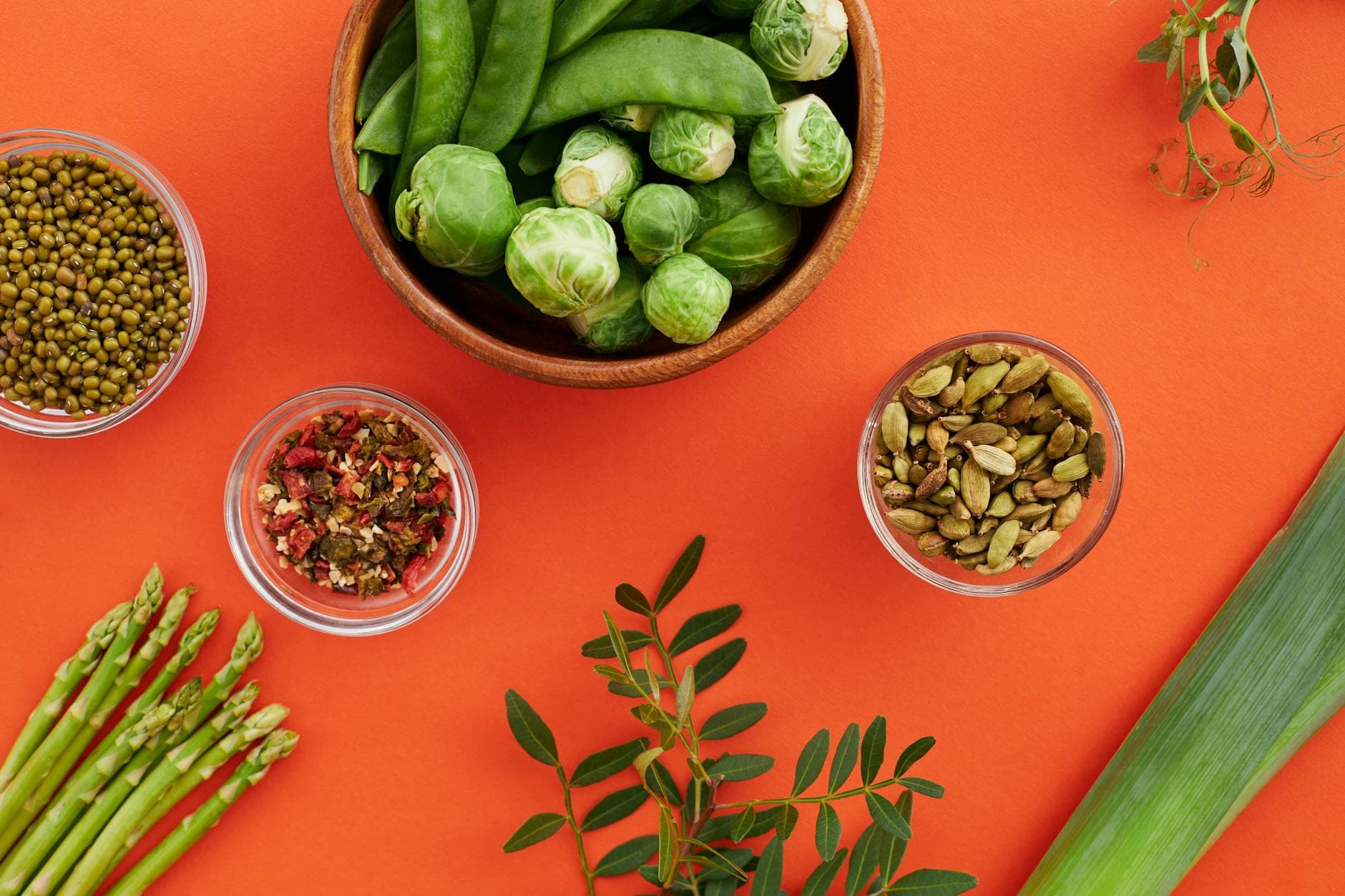
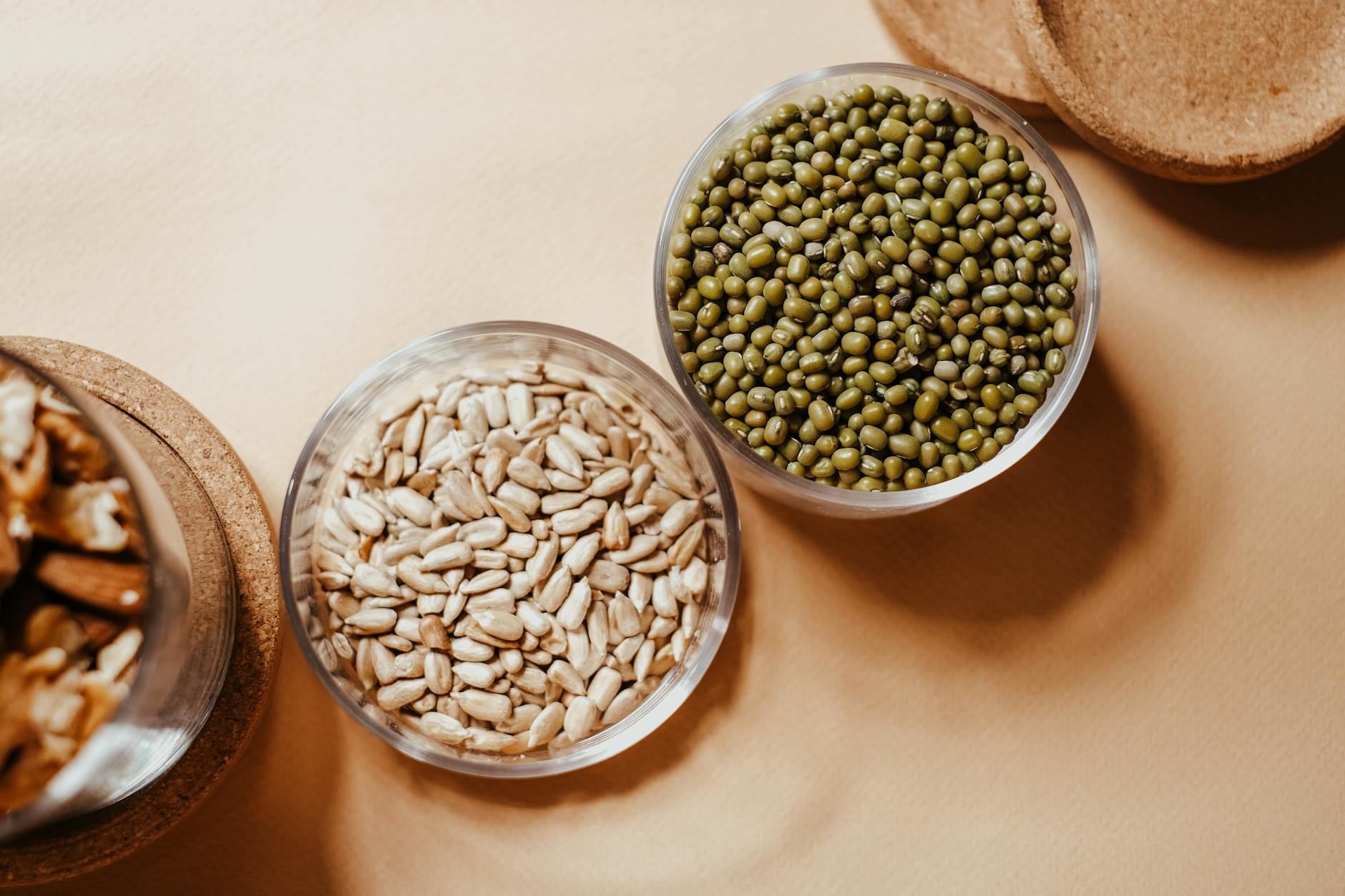
The "plant" part of organic plant protein is where the magic really happens. These aren’t just fillers; they are powerhouses of nutrients. We're talking about things like peas, rice, hemp, pumpkin seeds, and even algae. Each offers a unique profile of amino acids, vitamins, and minerals.
The Complete Protein Puzzle
A common misconception is that plant proteins aren’t “complete,” meaning they don’t contain all nine essential amino acids your body needs. While it’s true that some individual plant sources might be lower in one or two amino acids, this is easily overcome. Most high-quality organic plant protein powders are blends designed to provide a full spectrum. Think of it like building a meal: you combine different ingredients to get all the nutrients. The Vegan Protein Sources: Top Foods for Muscle & Health article I wrote goes into more detail on this if you're curious.
Navigating the "Best" Organic Plant Protein Landscape
Okay, so you’re convinced. You want to try organic plant protein. But how do you choose the *best* one? This is where personal preference and your specific needs come into play.
Taste and Texture: The Dealbreakers
Let’s be honest, if it tastes like chalk or feels like sand in your mouth, you’re not going to stick with it. I’ve tried my fair share of less-than-stellar powders. The best organic plant protein options have come a long way in terms of palatability. Many now use natural sweeteners like stevia or monk fruit and are finely milled for a smooth texture.
My Personal Taste Test Tips
When I’m trying a new blend, I usually start with just water. If it’s good plain, it’s a winner. Then I’ll experiment with almond milk, a banana, or some berries. You can find some incredible Healthy Snack Recipes: Quick & Easy Ideas that incorporate protein powder beautifully.
Ingredient Transparency: What Else is in There?
This is huge for me. When I look at an organic plant protein powder label, I want to see a short, recognizable ingredient list. Ideally, it’s just the protein source(s) and maybe a natural flavor or sweetener. I’m wary of anything with a long list of artificial ingredients, fillers, or excessive sugars. Protein powder without dairy is a major plus for many, and most plant-based options are naturally free of it.
Decoding the Label
Look for certifications beyond just "organic." Third-party testing for purity and contaminants is a good sign. Brands that are transparent about their sourcing and manufacturing processes tend to be the most trustworthy. Some Spring Energy Foods: Boost Your Natural Pick-Me-Up recipes might even benefit from a scoop of this!
Plant Protein Benefits: More Than Just Muscles
While many people reach for protein powder to support muscle growth and recovery, the benefits of organic plant protein extend far beyond the gym.
Supporting a Plant-Based Diet
For those embracing a Mindful Spring Eating: Savor Flavors, Beat Cravings lifestyle or a fully plant-based diet, ensuring adequate protein intake is paramount. Organic plant protein powder offers a convenient and effective way to meet your daily requirements without compromising your dietary choices. It's a safety net, if you will, ensuring you get those essential amino acids.
Nutrient Density Beyond Protein
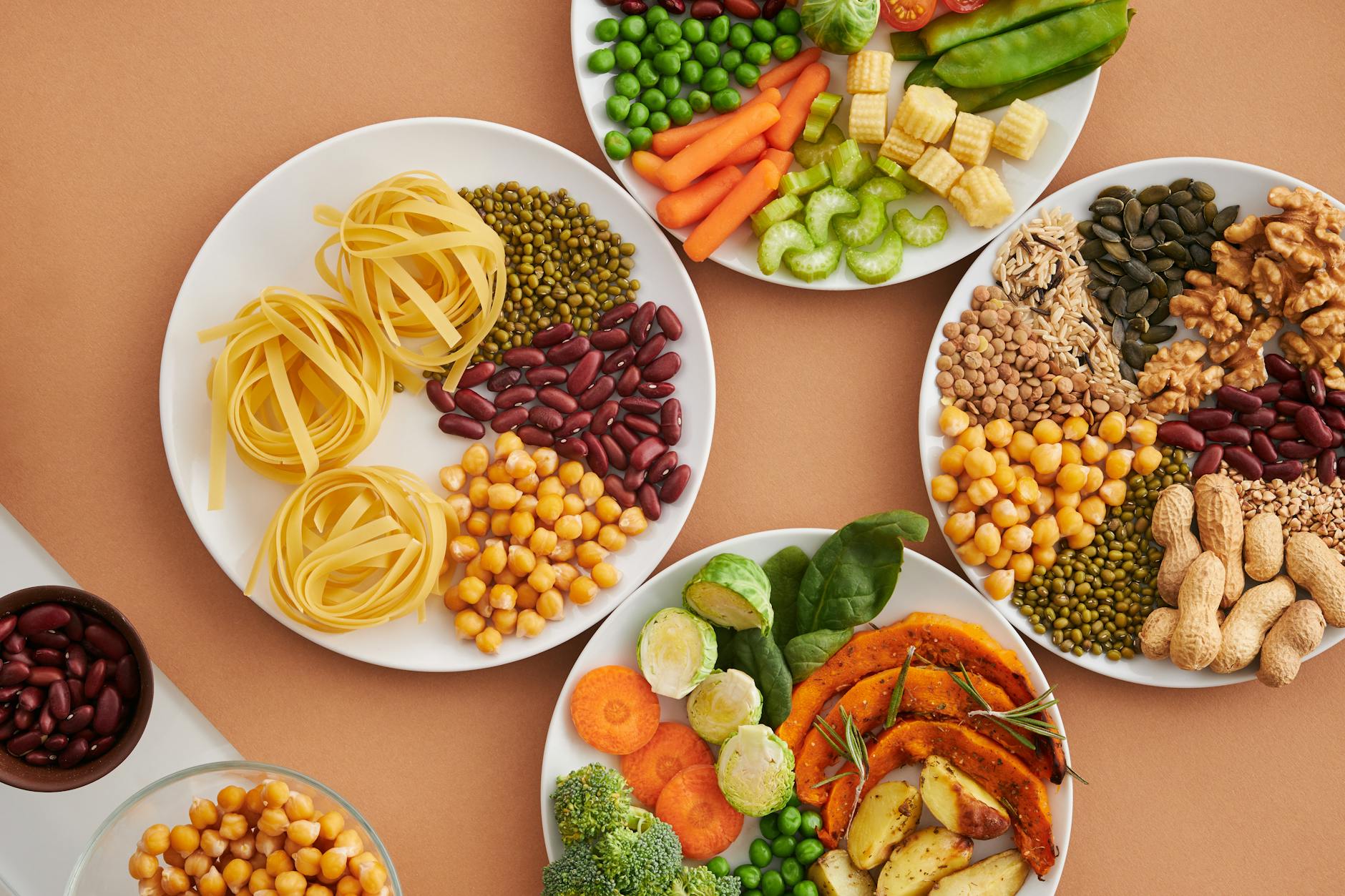
Many plant protein sources are packed with fiber, antioxidants, vitamins, and minerals. For example, hemp protein contains omega-3 and omega-6 fatty acids, and pumpkin seed protein is a good source of magnesium and zinc. This makes it a more holistic nutritional supplement than some purely synthetic options.
Gut Health and Digestion
This is an area that often surprises people. Many plant proteins are easier to digest than whey or casein, especially for those with lactose intolerance or sensitivities. The fiber content in some plant proteins can also contribute positively to your gut microbiome. I've seen firsthand how a gentler protein source can lead to less bloating and digestive discomfort. Research from the National Institutes of Health research on organic plant protein supports the idea that plant-based proteins can be highly digestible.
When Digestion is Key
If you’ve ever struggled with digestive issues after using protein supplements, exploring organic vegan protein options could be a revelation. They are often formulated with digestive enzymes or prebiotics to further enhance absorption and gut comfort.
Who Needs Organic Plant Protein? (Spoiler: Probably You!)
You don’t have to be a hardcore athlete to benefit from organic plant protein. It’s a versatile tool for a wide range of people.
The Everyday Athlete and Fitness Enthusiast
For anyone who engages in regular physical activity, from a brisk walk to intense training sessions, protein is essential for muscle repair and growth. Organic plant protein provides this crucial building block in a clean, easily digestible form. It’s a smart choice for plant based protein powder users aiming for peak performance and recovery.
Muscle Building Without the Dairy
If you’re looking for plant protein for muscle development but want to avoid dairy, organic plant protein is your go-to. You can achieve significant results without the potential inflammatory effects some people experience with whey.
Busy Professionals and On-the-Go Lifestyles
Life gets hectic, and sometimes, a balanced meal just isn’t in the cards. A quick shake made with organic plant protein can be a lifesaver. It’s a convenient way to ensure you’re getting enough protein to stay full, maintain energy levels, and support overall health when time is tight. Think of it as a nutritional insurance policy for your busy day.
A Nutritional Power-Up
Having a reliable organic protein powder brand on hand means you can whip up a satisfying meal or snack in minutes. This can prevent those desperate, unhealthy choices you might make when hunger strikes unexpectedly.
Anyone Prioritizing Clean Eating
If you’re conscious about the quality of your food, choosing organic plant protein aligns perfectly with a clean eating philosophy. You’re opting for whole-food-based nutrition, free from artificial additives and chemicals. This aligns with recommendations from organizations like the World Health Organization research on organic plant protein regarding healthy dietary patterns.
Mindful Consumption
Making conscious choices about your food, from your produce to your supplements, is a powerful act of self-care. Organic plant protein fits beautifully into this approach, offering a way to fuel your body with integrity. This can be particularly important for individuals seeking protein powder without dairy.
Finding Your Perfect Organic Plant Protein Match
So, how do you pinpoint that *best organic plant protein* for *you*? It’s a bit of a personal quest, but here are some pointers that have helped me and countless others.
Consider Your Protein Needs
This is foundational. Your protein needs depend on your activity level, age, weight, and health goals. A general guideline from sources like the Mayo Clinic research on organic plant protein suggests around 0.8 grams of protein per kilogram of body weight for sedentary adults, but this can increase significantly for active individuals. A good organic plant protein powder can help you hit these targets more easily.
Calculating Your Intake
Don't be afraid to track your food intake for a few days to get a baseline understanding of how much protein you’re currently consuming. You might be surprised!
The Blend Matters
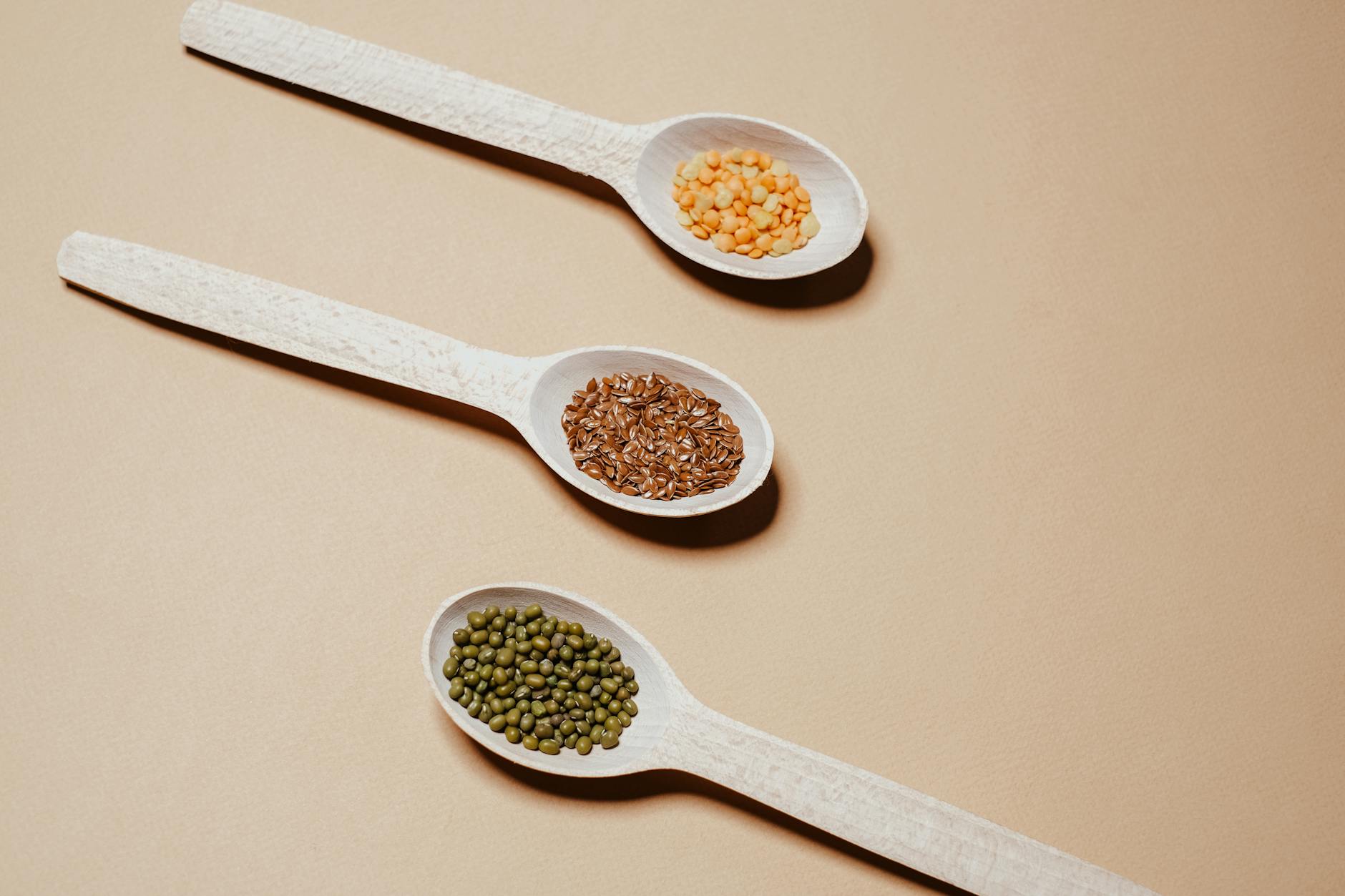
Many of the best organic plant protein options are blends of different plant sources (like pea, rice, and pumpkin seed). This is often the best way to ensure you’re getting a complete amino acid profile. Some brands even add superfoods or probiotics, which can be a nice bonus. This is often a superior choice compared to a single-source plant protein powder.
Amino Acid Profiles
When comparing different organic protein sources, look at the amino acid breakdown if it’s provided. This can help you understand the nutritional completeness of the powder.
Taste Preferences and Dietary Restrictions
As mentioned before, taste is king. If you dislike the flavor, you won’t use it. Also, consider if you have any specific allergies or intolerances. Some plant proteins, like soy, can be allergens for some people. This is where looking at options beyond just soy becomes important, especially when seeking organic vegan protein.
Experimentation is Key
Don’t be afraid to buy smaller sizes or sample packs if available. Trying different flavors and brands is part of the process of finding your holy grail organic plant protein.
I used to think all protein powders were created equal, and that organic was just a marketing ploy. I was so wrong. Making the switch to high-quality organic plant protein has been one of the most impactful nutritional choices I've made. It’s about fueling your body with the best, supporting sustainable practices, and feeling genuinely good from the inside out. It’s more than just a supplement; it’s a conscious choice for a healthier, more vibrant you.