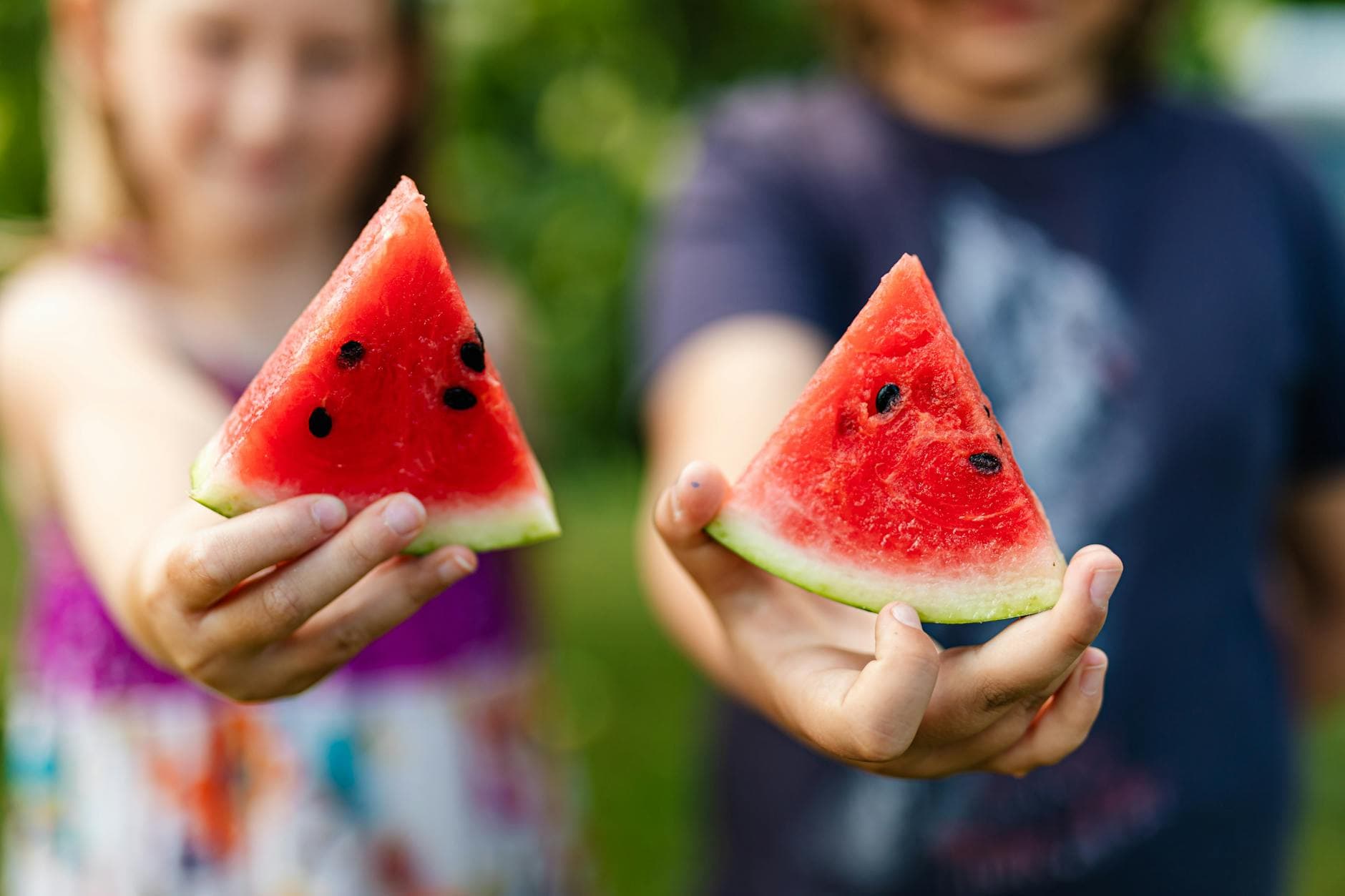
Here's a truth I've learned the hard way over two decades in nutrition: many of us, despite our best intentions, are accidentally sabotaging our children's health right in the snack aisle. Forget the main meals for a moment; did you know that snacks often contribute a staggering 30-40% of a child’s daily calorie intake? And honestly, a huge chunk of those calories comes from highly processed, sugar-laden options, masquerading as convenient or even 'healthy.' It’s a statistic that used to keep me up at night, knowing the profound impact these choices have on energy levels, mood, and long-term well-being. But it doesn't have to be this way. Crafting truly healthy snacks for kids is not about perfection, but about thoughtful, consistent choices that empower them.
I remember feeling overwhelmed myself, standing in front of my pantry, a toddler pulling at my leg, wondering how on earth to make nutritious choices that they would actually eat. It felt like a constant battle against brightly colored marketing and the siren call of convenience. But through years of research, trial-and-error with my own family, and working with countless other parents, I've come to understand that providing genuinely nutritious snacks for kids is simpler than we often make it. It’s about understanding what truly nourishes them, making smart swaps, and involving them in the process.
The Hidden Dangers of "Kid-Friendly" Snacks and What to Avoid
Look, the food industry is brilliant at marketing. They know exactly how to grab our attention and, more importantly, our children's. Those cartoon characters, the promises of 'whole grains' or 'fruit,' can be incredibly deceptive. I've seen so many parents fall into this trap, genuinely believing they're making a good choice because the packaging says so. But here's the thing: many so-called kids' snacks are nutritional landmines, packed with ingredients that do more harm than good.
Unmasking Sugar's Many Disguises
Sugar is the undisputed king of hidden villains in kids' snacks. It's not just about the obvious candy; it's lurking everywhere. Fruit snacks, flavored yogurts, granola bars, even some crackers – they're all often loaded. The World Health Organization research on healthy snacks for kids consistently points to excessive sugar intake as a major driver of childhood obesity and dental issues. It spikes blood sugar, leads to energy crashes, and ultimately leaves kids feeling hungrier sooner. You've probably noticed that infamous post-sugar crash, haven't you?
My rule of thumb? If sugar (or its many aliases like high-fructose corn syrup, dextrose, glucose, malt syrup, etc.) is among the first three ingredients, put it back. Period. We're aiming for sugar free kids snacks as much as possible, not just 'less sugar.' This one surprised me when I first started digging into labels; it's astonishing how many products position themselves as healthy but are fundamentally just sugar delivery systems.
The Problem with Processed Grains and Empty Calories
Another major culprit? Refined grains. Think white bread, many crackers, and those ubiquitous snack cakes. While they might provide a quick burst of energy, they lack the fiber and nutrients found in whole grains. This means they digest quickly, leading to the same blood sugar roller coaster as sugar. Our kids need sustenance that lasts, not a fleeting spike.
Empty calories are calories that provide little to no nutritional value. They might fill a child's tummy temporarily, but they don't offer the vitamins, minerals, or fiber essential for growth and development. This is why a handful of chips, while satisfying in the moment, is never a truly healthy snack idea compared to, say, apple slices with nut butter.
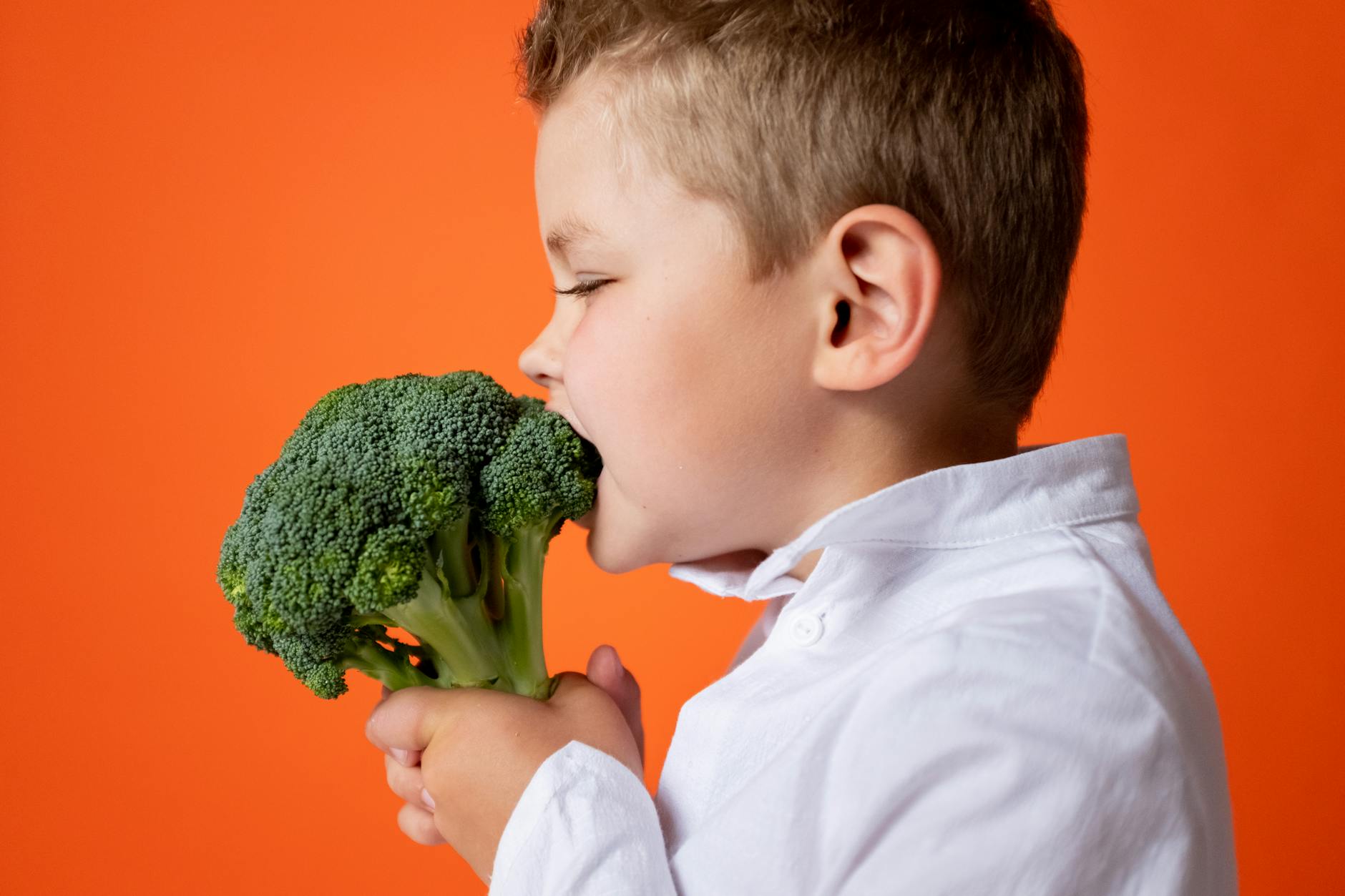
Building a Strong Foundation: The Pillars of Nutritious Snacks for Kids
So, what should we be looking for? It boils down to a few key components that work together to provide sustained energy, essential nutrients, and satiety. When I think about truly nutritious snacks for kids, I focus on balance. It’s not just about what to avoid, but what to actively include.
The Power of Protein-Packed Snacks
Protein is a game-changer for kids' snacks. It keeps them feeling full, supports muscle growth, and stabilizes blood sugar. This means fewer meltdowns, better focus, and longer stretches between meals. For years, I used to think a piece of fruit was enough, but then I'd wonder why my kids were hungry again in 30 minutes. Adding a protein source made all the difference.
- Hard-boiled eggs: So simple, so effective. My kids actually love them.
- Greek yogurt: Unsweetened, with a sprinkle of berries or a tiny drizzle of maple syrup.
- Nut butter (or seed butter for allergies) on fruit or celery: A classic for a reason.
- Cheese sticks or cubes: Quick, easy, and satisfying.
- Edamame: A fun, interactive snack that's packed with plant-based protein.
Fiber-Rich Fruits and Veggie Snacks for Kids
Fruits and vegetables are non-negotiable. They provide essential vitamins, minerals, and fiber, which is crucial for digestive health and sustained energy. But here's an opinion: don't just offer raw carrots every time. Get creative! Presentation matters, especially for snacks for picky eaters.
Think about vibrant colors and different textures. Apple slices, berries, orange segments, cucumber sticks, bell pepper strips, cherry tomatoes – these are all fantastic. Pairing them with a protein or healthy fat (like hummus or a small handful of nuts) turns a good snack into a great, balanced one. It's about making healthy snacks at Walmart or your local store work for you by combining simple ingredients.
Healthy Fats for Growing Brains and Bodies
Don't fear fat! Healthy fats are vital for brain development, hormone production, and nutrient absorption. Avocados, nuts, seeds, and full-fat dairy (in moderation) are excellent sources. These fats also contribute to that feeling of fullness, preventing kids from reaching for another less healthy option shortly after.
A small handful of almonds or walnuts, a smear of avocado on whole-grain toast, or a tablespoon of chia seeds mixed into yogurt can make a significant difference. You might be wondering if nuts are safe for younger children; whole nuts can be a choking hazard for kids under four, so always opt for nut butters or finely chopped nuts for healthy toddler snacks.
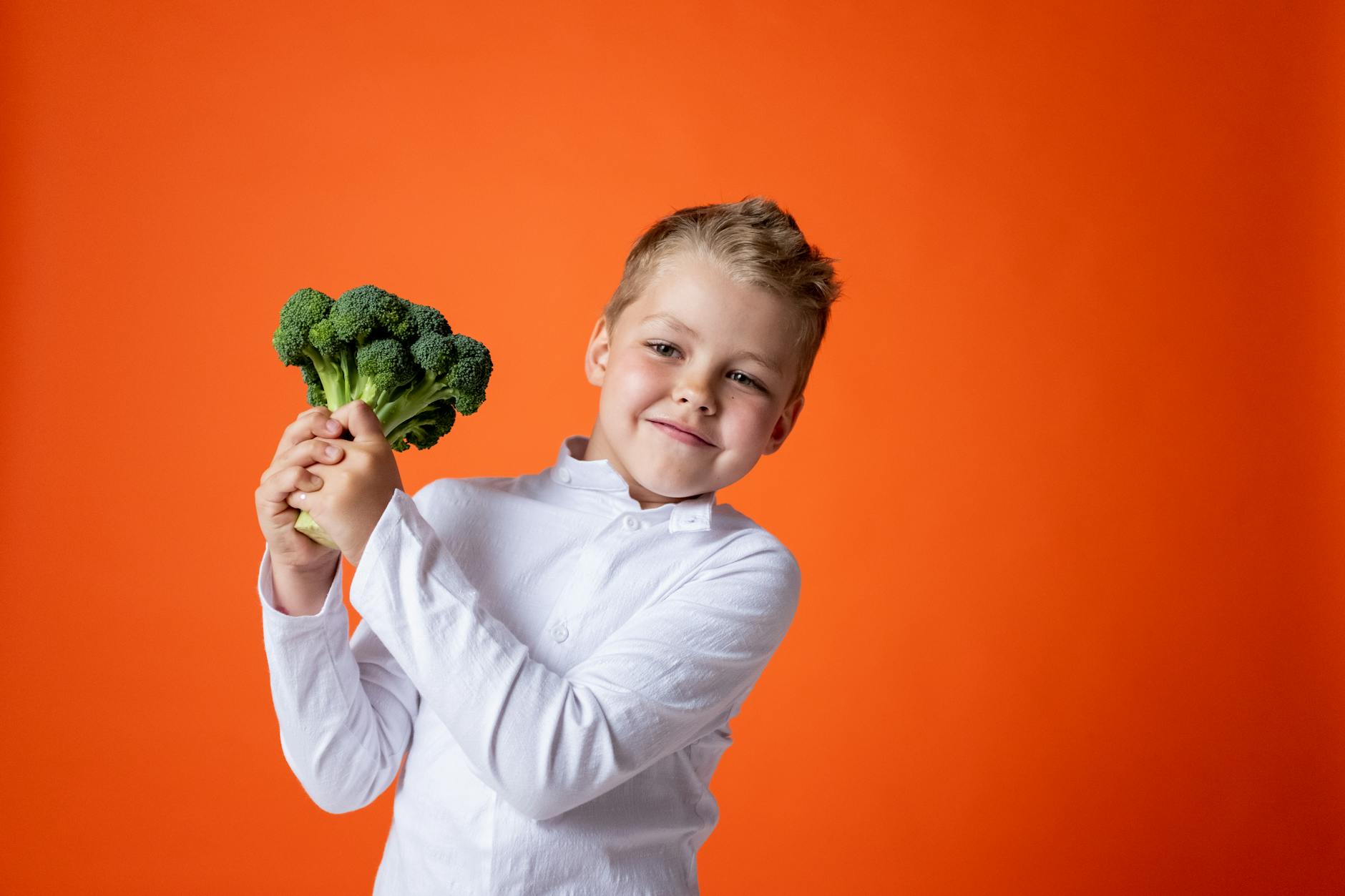
Easy Healthy Kids Snacks: Practical Strategies for Busy Parents
I'll be real with you: life with kids is chaotic. We don't always have time for elaborate snack prep, and that's okay. The key to successful healthy snacking isn't about being a gourmet chef; it's about smart planning, simple ingredients, and making it accessible. This is where the rubber meets the road for busy families.
Prep Ahead: The Secret Weapon for Quick Healthy Snacks for Kids
My biggest piece of advice for any parent looking to improve their kids' nutrition is this: prep is paramount. A little bit of effort on Sunday can save you a world of stress during the week. Think about the last time you were scrambling for an after-school snack. Was it easy to make a healthy choice, or did you grab whatever was fastest?
Wash and Chop Your Produce
On Sunday evenings, I spend about 30 minutes washing and chopping fruits and vegetables. Carrot sticks, cucumber slices, bell pepper strips, melon cubes, grapes – all go into clear containers in the fridge. When my kids open the fridge, healthy options are immediately visible and ready to grab. This simple act drastically increases the likelihood of them choosing a fruit or veggie snack.
Batch Cook Protein Sources
Hard-boiled eggs are a lifesaver. I make a dozen at the start of the week. Cooked chicken breast can be shredded for mini wraps or mixed with a little mayo for a quick protein boost. Even a batch of homemade energy bites (oats, nut butter, honey, chia seeds) can be a fantastic protein-packed snack for kids that lasts a few days.
Homemade Kids Snacks vs. Store-Bought: When to Choose What
Honestly, homemade is almost always better. You control the ingredients, the sugar content, and the quality. However, I'm a realist. We can't always make everything from scratch. So, when you do buy store-bought, be a detective. Read those labels like your life depends on it.
Smart Store-Bought Choices
Look for single-ingredient items: apples, bananas, pre-portioned unsweetened applesauce, plain Greek yogurt, cheese sticks. When it comes to packaged goods, aim for minimal ingredients, low sugar (ideally under 5g per serving), and good sources of fiber and protein. Things like whole-grain crackers (check for hidden sugars!), individual hummus cups, or roasted seaweed snacks can be good options. Remember, you can find healthy snacks near me in almost any grocery store if you know what to look for.
Simple Homemade Snack Recipes for Kids
You don't need a fancy recipe book. Think simple combinations. A handful of berries with a few almonds. A small bowl of cottage cheese with sliced peaches. Whole-wheat toast with avocado. These are quick, easy, and provide excellent nutrition without a lot of fuss. For something slightly more involved, consider healthy breakfast ideas that can double as snacks, like overnight oats or mini frittatas.
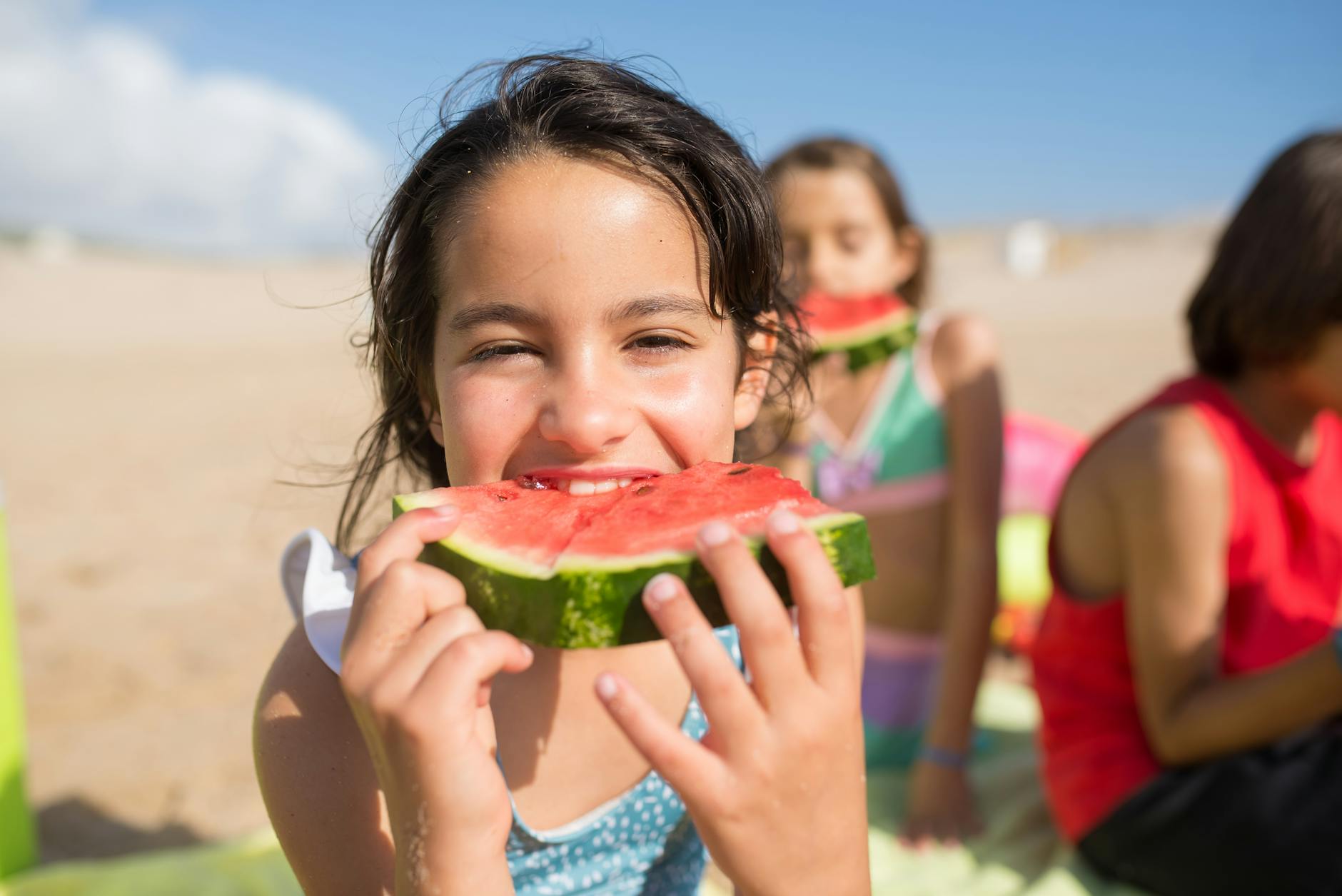
Beyond the Plate: Cultivating a Healthy Snack Culture
This is the unexpected angle I mentioned earlier. It’s not just about *what* we offer, but *how* we approach food and snacking in our homes. Our attitudes, our language, and our routines profoundly shape our children's relationship with food. I've seen parents meticulously plan healthy meals only to unknowingly undermine it all with their snack philosophy.
Involving Kids in the Process
Children are far more likely to eat something they've helped prepare or choose. Take them to the grocery store and let them pick out a new fruit or vegetable. Involve them in washing berries or stirring ingredients for a simple snack recipe. Even a toddler can help put chopped veggies into a container. This sense of ownership transforms healthy eating from a chore into an adventure.
My daughter, for example, used to turn her nose up at bell peppers. One day, I let her choose the color at the store and then helped her cut them into fun shapes. She devoured them. It was a lightbulb moment for me: engagement is key, especially with snacks for picky eaters. Don't force; invite.
Mindful Snacking: Breaking the "Always Available" Habit
One of the biggest pitfalls I observe is the constant availability of snacks. Kids graze all day, often out of boredom or habit rather than genuine hunger. This can lead to overeating, less interest in meals, and a poor understanding of their body's hunger cues. The Mayo Clinic research on healthy snacks for kids often highlights the importance of structured eating times.
Instead, establish clear snack times, usually one mid-morning and one mid-afternoon (healthy after school snacks are crucial!). Offer a balanced, nutritious snack during these times, and then put the food away. This teaches children to listen to their bodies and understand that food isn't an endless buffet. It also helps prevent them from filling up on empty calories right before dinner, making them more likely to eat their main meal.
Modeling Healthy Habits
Our children are always watching us. If we're constantly reaching for highly processed snacks, they will too. If we complain about healthy foods or diets, they'll internalize that negativity. Be a role model. Let them see you enjoying fruits, vegetables, and whole foods. Talk positively about how food fuels your body and makes you feel good. This isn't about perfection, but about consistency and authenticity.
I know it's not always easy. There will be days of forgotten lunchboxes and desperate dashes for convenience. But by focusing on real, whole foods, involving our children, and creating a mindful approach to snacking, we can equip them with the tools for a lifetime of healthy eating. It's an investment, not just in their physical health, but in their overall well-being and happiness. Let's start today, one delicious, healthy snack at a time.