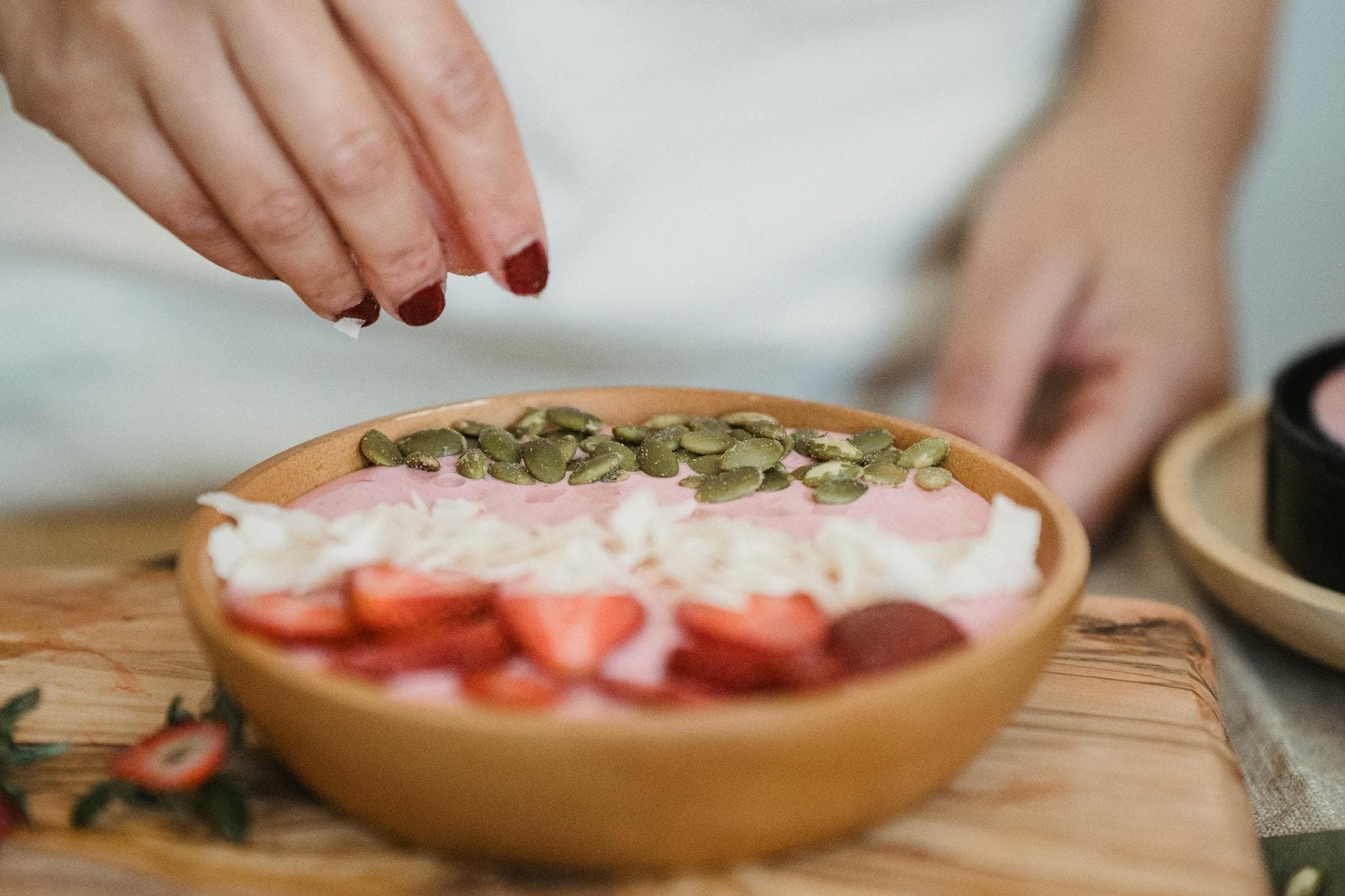
I remember a time, not too long ago, when my mornings felt like a frantic scramble. Alarm blaring, a quick glance at the clock, and then a mad dash out the door, usually with a half-eaten piece of toast in hand. My energy levels were all over the place, and by lunchtime, I was battling that familiar brain fog. I’d heard about healthy smoothie recipes, of course, but they always seemed a bit…involved. Like something only super-organized, kale-loving people could pull off. Then, one particularly rough Tuesday, I decided enough was enough. I needed something quick, something packed with nutrients, and something that actually tasted good. That’s when I truly discovered the magic of a well-made smoothie, and it completely changed my mornings – and my energy for the rest of the day.
The Truth About Healthy Smoothie Recipes
Look, I’ll be real with you. The term "healthy smoothie" can be a bit of a minefield. You can easily end up with a sugar bomb disguised as a health drink if you’re not careful. It’s not just about throwing some fruit into a blender and calling it a day. The real power of healthy smoothie recipes lies in intentional ingredient choices. It’s about creating a balanced meal that fuels your body, provides sustained energy, and supports your overall well-being. This isn't about restrictive diets or deprivation; it's about smart, delicious choices that make you feel amazing from the inside out.
Understanding the Building Blocks
Before we dive into specific recipes, let’s talk about what makes a smoothie truly healthy. It’s all about balance. Think of it like building a strong foundation for your house. You wouldn’t use flimsy materials, right? The same applies to your smoothie.
The Liquid Base
This is where you start. Water is the simplest and lowest-calorie option, but unsweetened plant-based milks like almond, soy, or oat milk add a bit of creaminess and nutrients. Coconut water can be refreshing, but be mindful of its natural sugar content. I personally love a mix of water and unsweetened almond milk for a good balance.
The Fruits (and Veggies!)
Fruits are fantastic for sweetness, vitamins, and fiber. Berries are my go-to because they are lower in sugar and packed with antioxidants. Bananas add creaminess and potassium, but use them in moderation if you’re watching sugar intake. Now, here’s where many people get shy: vegetables. Leafy greens like spinach or kale are virtually tasteless when blended with fruit, and they add a huge nutrient boost. I often add a handful of spinach to my berry smoothies, and you honestly can’t taste it. This is a game-changer for increasing your nutrient intake without sacrificing flavor.
Protein Power
This is crucial for satiety and muscle repair. Without protein, your smoothie might leave you feeling hungry again too soon. Greek yogurt, protein powder (whey, plant-based, or collagen peptides), or even silken tofu are excellent choices. I find that adding a scoop of unflavored or vanilla protein powder really helps keep me full until my next meal.
Healthy Fats for Fullness and Absorption
Fats are your friends when it comes to feeling satisfied and helping your body absorb fat-soluble vitamins. A tablespoon of chia seeds, flax seeds, hemp seeds, or a quarter of an avocado can make a world of difference. Nut butters are also great, but be mindful of portion sizes as they are calorie-dense.
Boosters for Extra Goodness
This is where you can get creative! Spices like cinnamon or ginger add flavor and potential health benefits. A squeeze of lemon or lime can brighten things up. Superfood powders, like spirulina or maca, can be added for an extra nutritional punch, though I’d recommend starting small with these.
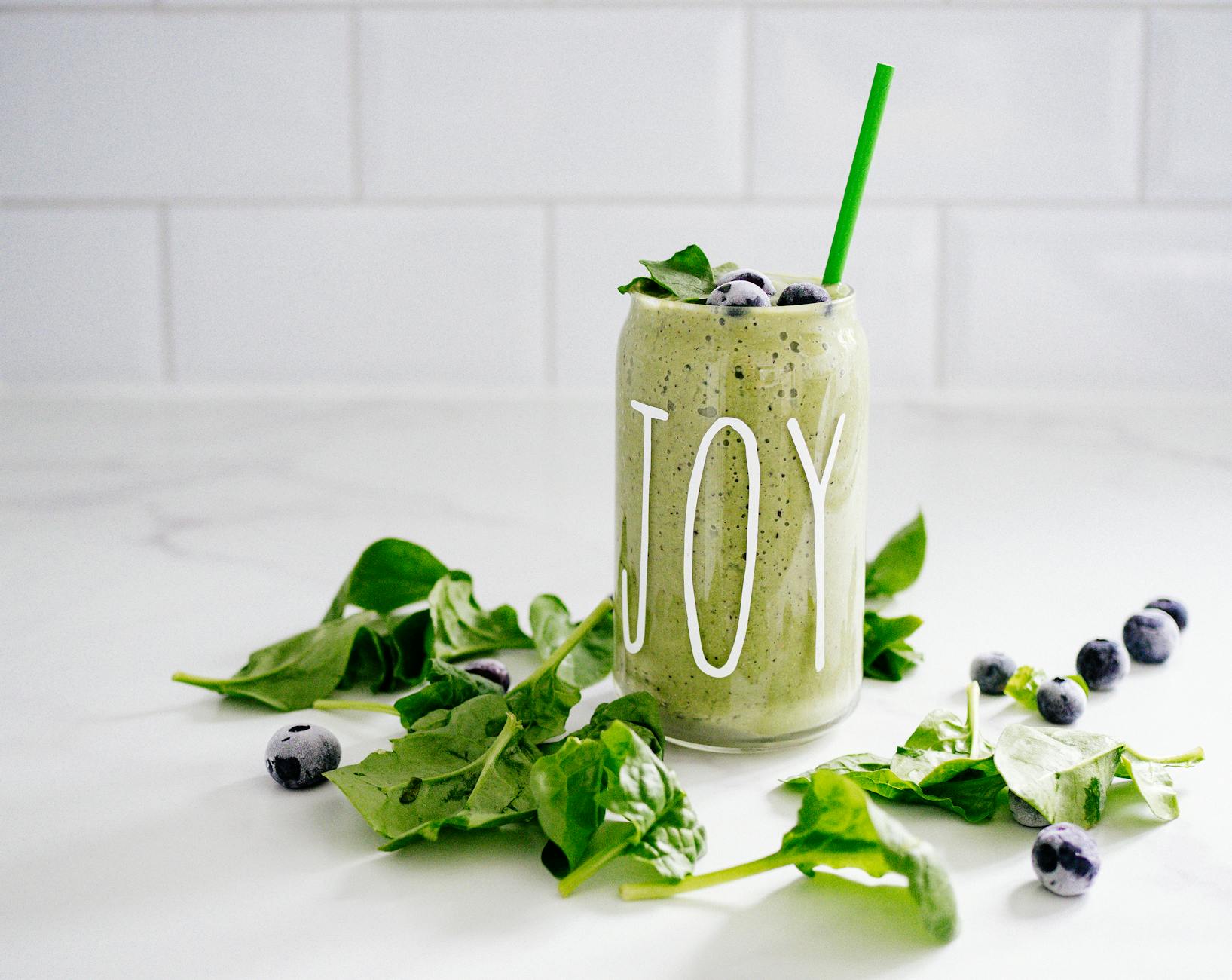
Easy Smoothie Recipes for Busy Mornings
The beauty of healthy smoothie recipes is their adaptability. You can whip up a delicious and nutritious breakfast or snack in minutes, making them perfect for anyone with a packed schedule. These are my go-to, tried-and-true quick smoothie recipes that I rely on when time is short but my need for good nutrition is high.
The Berry Powerhouse
This is my ultimate go-to when I need something fast and satisfying. It’s packed with antioxidants and fiber, and it tastes like a treat.
Ingredients:
- 1 cup unsweetened almond milk (or water)
- 1/2 cup mixed berries (frozen works best for thickness)
- 1/2 banana (frozen for extra creaminess)
- 1 scoop vanilla protein powder
- 1 tablespoon chia seeds
Instructions:
- Combine all ingredients in your smoothie blender.
- Blend until smooth and creamy. Add a splash more liquid if needed to reach desired consistency.
This recipe is a fantastic example of a well-rounded smoothie for weight loss, offering a good balance of protein, fiber, and healthy fats to keep you feeling full and satisfied. You’ll find that incorporating such nutrient-dense options can be key to managing your weight effectively without feeling deprived.
The Green Goddess Delight
Don’t let the color fool you; this green smoothie recipe is surprisingly delicious and incredibly nutrient-dense. It’s a great way to sneak in those greens!
Ingredients:
- 1 cup water
- 1 cup fresh spinach (packed)
- 1/2 green apple, cored
- 1/4 cucumber, peeled
- 1/2 inch piece of fresh ginger, peeled
- Juice of 1/2 lemon
- Optional: 1/2 scoop unflavored protein powder
Instructions:
- Add the liquid and spinach to the blender first, blending until the spinach is completely broken down.
- Add the remaining ingredients and blend until smooth.
This one surprised me with how refreshing it is. The ginger and lemon really cut through any potential “green” taste, leaving you feeling invigorated. It’s a fantastic way to start your day with a boost of vitamins and minerals, contributing to your overall health and energy levels.
The Tropical Sunshine Blend
When you need a taste of the tropics and a burst of energy, this is the smoothie for you. It’s naturally sweet and incredibly satisfying.
Ingredients:
- 1 cup unsweetened coconut milk
- 1/2 cup frozen mango chunks
- 1/2 cup frozen pineapple chunks
- 1/4 cup plain Greek yogurt
- 1 tablespoon hemp seeds
Instructions:
- Place all ingredients into your smoothie blender.
- Blend until smooth and thick.
This smoothie is a fantastic way to get a dose of vitamins and minerals, especially if you’re looking to support your immune system. The combination of fruits provides natural sweetness and essential nutrients, making it a delightful and healthy choice. If you’re focusing on a smoothie for weight loss, be mindful of the fruit portions, but the protein and healthy fats will help with satiety.
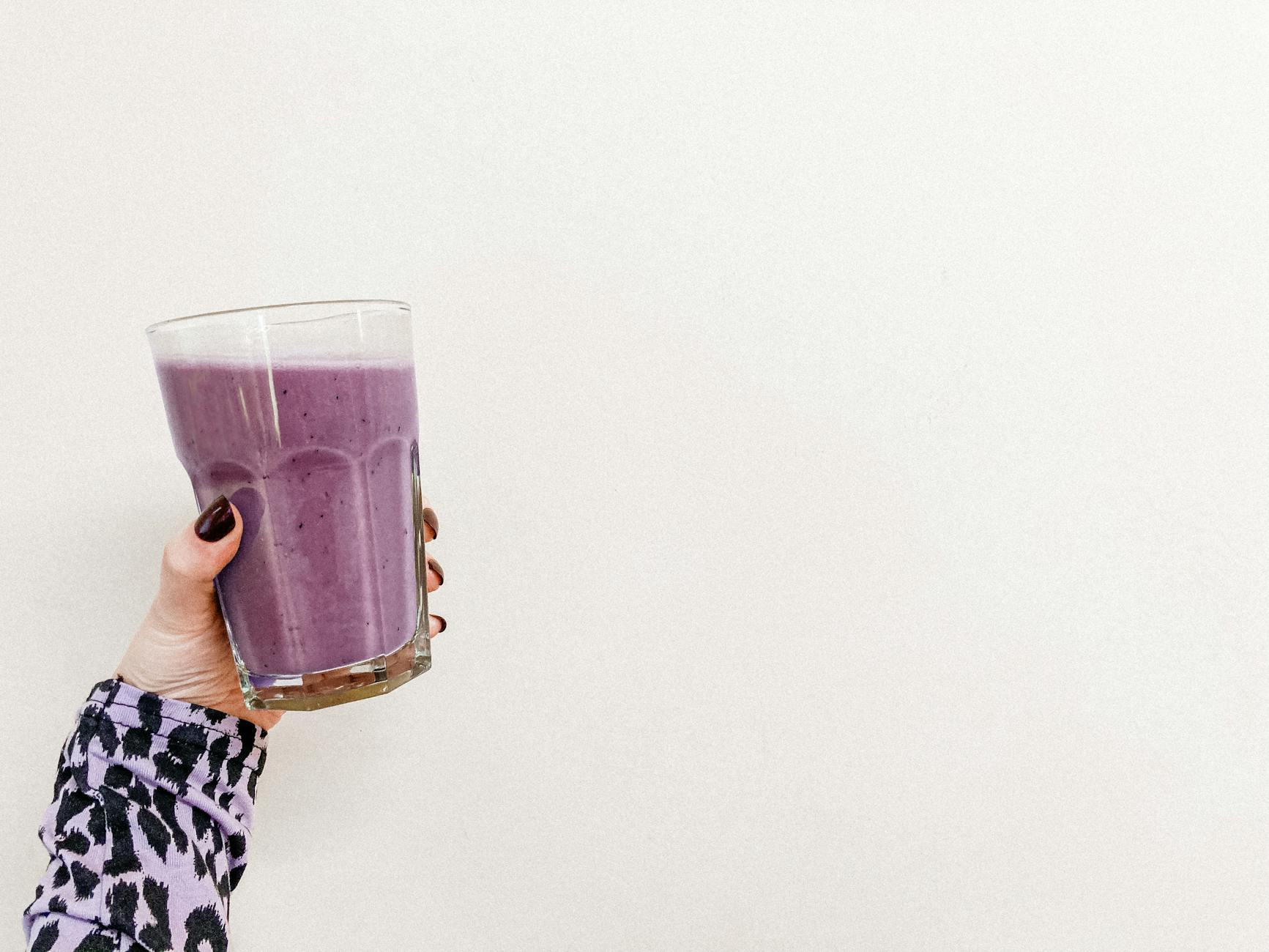
Weight Loss Smoothies: Making Them Work for You
Many people turn to healthy smoothie recipes when they’re aiming for weight loss, and for good reason. A well-constructed smoothie can be a fantastic tool. However, it's crucial to understand what makes a smoothie effective for weight management and what can actually hinder your progress.
The Pitfalls to Avoid
Here's the thing: not all smoothies are created equal when it comes to weight loss. A common mistake is loading them with too much fruit, which can lead to a sugar overload. This can cause blood sugar spikes and crashes, leaving you feeling hungry shortly after. Also, excessive amounts of high-calorie ingredients like nut butters, sweetened yogurts, or even too much avocado can quickly turn a healthy drink into a calorie bomb. You might be consuming hundreds of calories without realizing it, which can counteract your weight loss efforts.
What Nobody Tells You About Smoothie Diets
The idea of a "smoothie diet" where you replace all meals with smoothies can be tempting for quick results, but it's often not sustainable or nutritionally complete. Our bodies need a variety of textures, nutrients, and the chewing process itself to function optimally. Relying solely on smoothies can lead to nutrient deficiencies and a disrupted relationship with food. Instead, think of smoothies as powerful meal replacements or nutrient-dense snacks that *complement* a balanced diet, rather than being the entire diet.
Building a Better Weight Loss Smoothie
The key to effective weight loss smoothies is focusing on satiety and nutrient density. This means prioritizing protein and fiber, and being mindful of sugar and calorie content. Aim for a balance of macronutrients that will keep you full and energized.
Prioritize Protein and Fiber
These are your best friends for feeling satisfied. Protein, as we’ve discussed, is essential for keeping hunger at bay. Fiber, found abundantly in fruits, vegetables, and seeds, also promotes fullness and aids digestion. A good rule of thumb is to include at least 20-30 grams of protein in your meal replacement smoothies.
Control Sugar Intake
Opt for low-sugar fruits like berries. If you need sweetness, a touch of stevia or monk fruit can be a good alternative to added sugars or large amounts of high-sugar fruits. Remember, even natural sugars from fruit should be consumed in moderation when you’re trying to lose weight. The Centers for Disease Control and Prevention research on healthy smoothie recipes often highlights the importance of sugar management in overall health.
Include Healthy Fats
Don’t shy away from healthy fats. They are crucial for nutrient absorption and can help you feel fuller for longer. A small amount of avocado, nuts, or seeds can make a significant difference in the satiety factor of your smoothie.
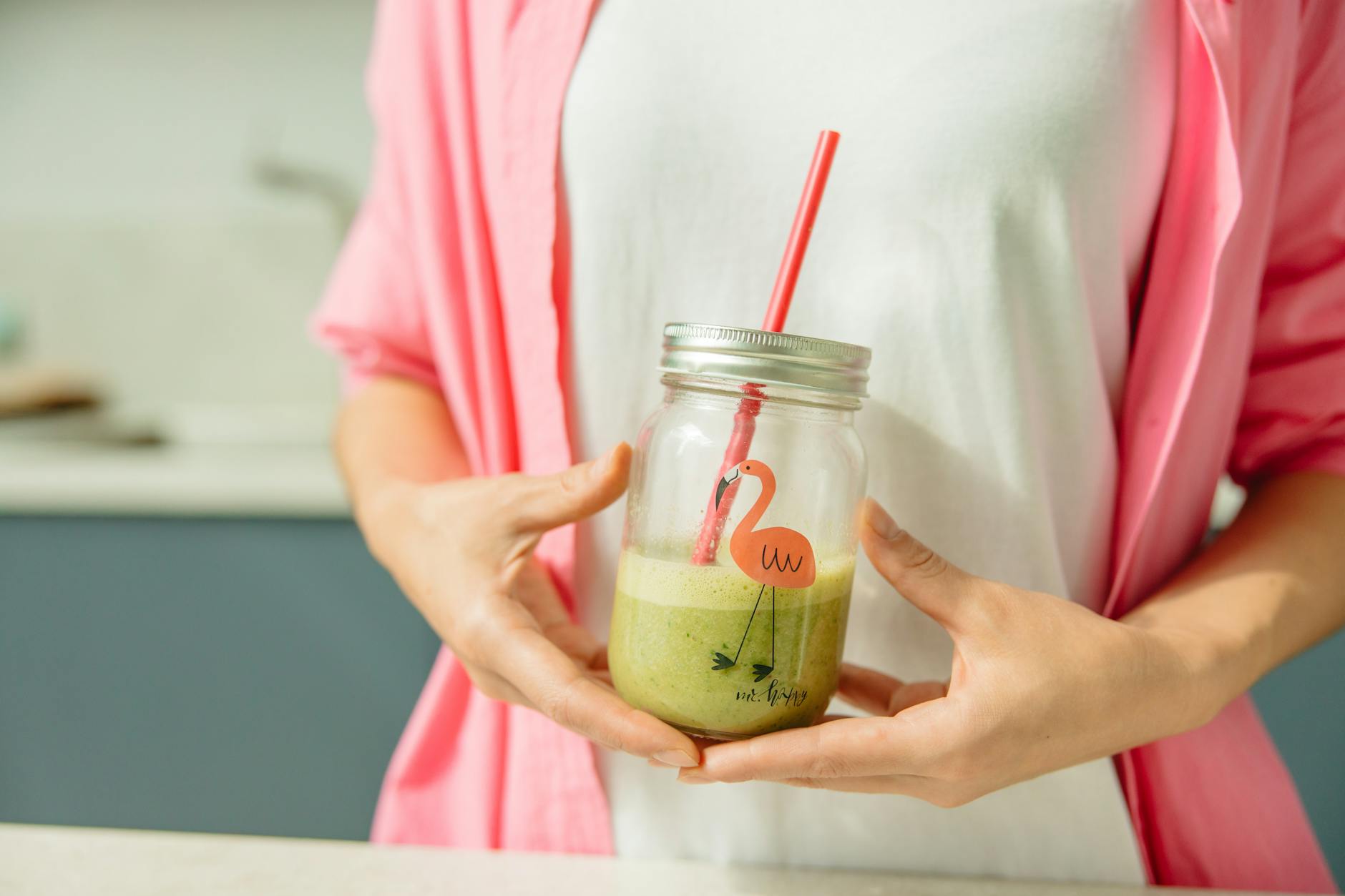
The Best Smoothie Ingredients for Optimal Health
Choosing the right ingredients is what elevates a simple blend of items into a truly nourishing powerhouse. When I talk about the best smoothie ingredients, I'm thinking about flavor, nutrient density, and how they contribute to your overall well-being. It’s about making every sip count.
Leafy Greens: The Unsung Heroes
I cannot stress this enough: incorporate leafy greens! Spinach, kale, romaine lettuce, and even Swiss chard can be blended into your smoothies. They are packed with vitamins A, C, and K, as well as minerals like iron and calcium. Their mild flavor gets easily masked by fruits, making them an easy way to boost your nutrient intake. Think of it as a delicious way to get more seasonal produce spring into your diet, even when fresh greens aren't readily available.
Berries: Antioxidant Powerhouses
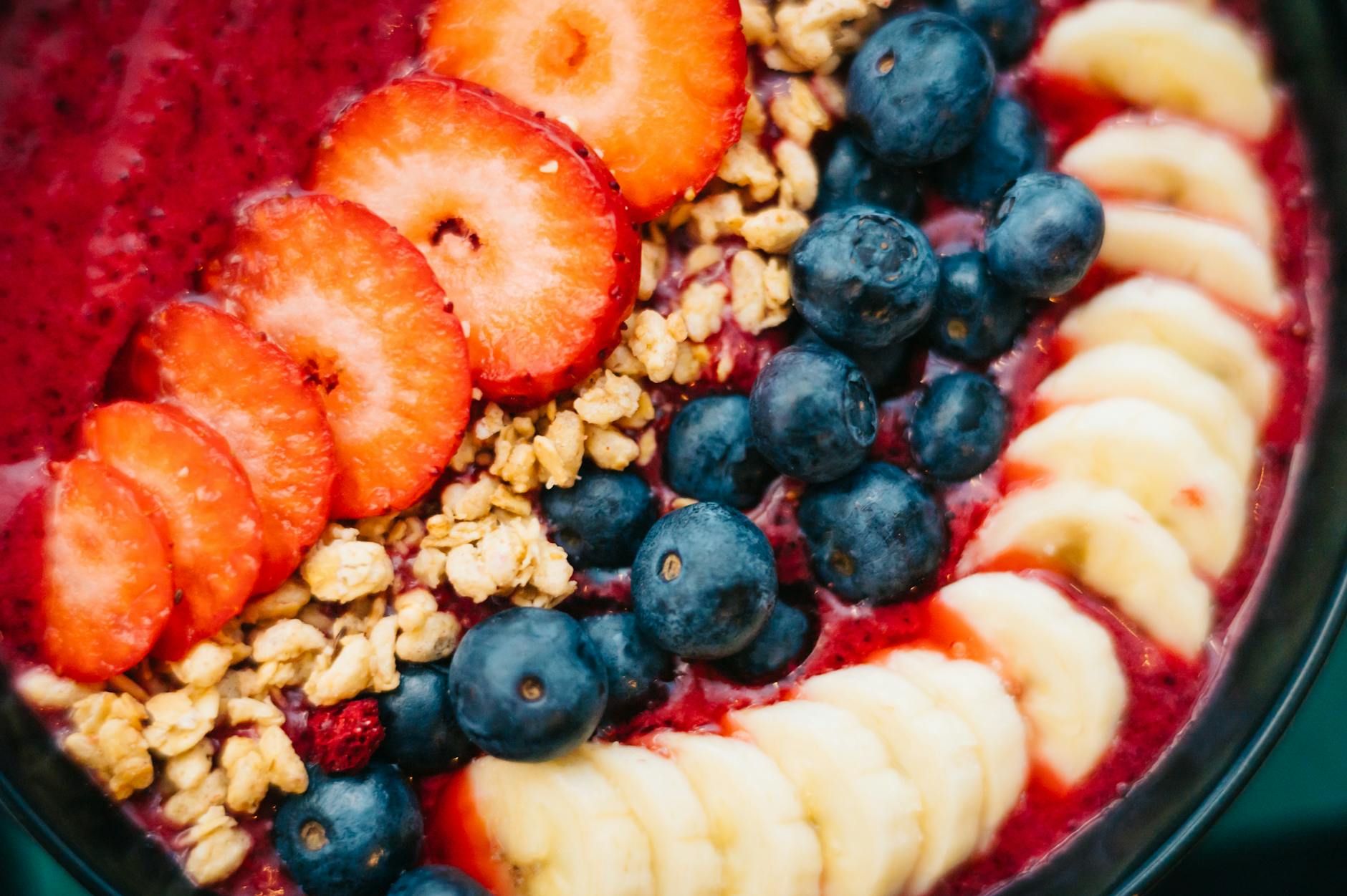
Blueberries, raspberries, strawberries, and blackberries are nutritional superstars. They are loaded with antioxidants, which help combat cellular damage, and they are relatively low in sugar compared to other fruits. Frozen berries are fantastic for creating thick, frosty smoothies, and they are often more affordable and available year-round.
Seeds: Tiny but Mighty
Chia seeds, flax seeds, and hemp seeds are nutritional powerhouses. They are excellent sources of fiber, omega-3 fatty acids, and plant-based protein. Chia seeds and flax seeds will thicken your smoothie, while hemp seeds add a slightly nutty flavor and a good dose of protein. These are fantastic additions for anyone looking to improve their gut health, and they pair wonderfully with probiotic recipes gut health.
Avocado: Creaminess and Healthy Fats
A quarter to half an avocado can transform a smoothie’s texture, making it incredibly creamy and smooth. Beyond its texture, avocado provides healthy monounsaturated fats, which are beneficial for heart health and can help you feel fuller for longer. They also aid in the absorption of fat-soluble vitamins from other ingredients in your smoothie.
Spices and Superfoods: Flavor and Function
Don't underestimate the power of spices! Cinnamon can help regulate blood sugar, ginger is great for digestion and has anti-inflammatory properties, and turmeric offers potent anti-inflammatory benefits. Superfood powders like spirulina, chlorella, or maca can add extra vitamins, minerals, and antioxidants, but always start with small amounts to get used to their taste.
Smoothie Blender Basics and Beyond
Having the right tool can make all the difference when it comes to making delicious and smooth smoothies. You don't necessarily need the most expensive gadget, but understanding what to look for in a smoothie blender can save you frustration.
What to Look for in a Blender
When choosing a blender for your healthy smoothie recipes, consider power. A blender with at least 600 watts is generally sufficient for most smoothie needs, especially if you plan on using frozen fruits or tougher ingredients. Look for features like multiple speed settings and a sturdy base. Some people prefer personal blenders that allow you to blend and drink from the same cup, which is incredibly convenient for quick breakfasts. Others prefer larger, more powerful blenders that can handle larger batches and create incredibly silky-smooth textures.
Making the Most of Your Blender
Layering your ingredients correctly can help your blender work more efficiently. Start with your liquid base, then add softer ingredients like greens and fresh fruit, followed by harder ingredients like frozen fruit, ice, and seeds. This helps the blades catch the ingredients and blend them more evenly. If your blender is struggling, add a little more liquid to help things move along.
The Smoothie Benefits You Might Be Missing
Beyond just being a convenient breakfast or snack, the smoothie benefits are far-reaching. They are a powerful tool for improving your overall health and well-being when prepared thoughtfully. Think about the last time you felt sluggish and uninspired; a nutrient-packed smoothie can be a game-changer.
Nutrient Density in a Glass
This is, perhaps, the most significant benefit. Smoothies allow you to pack an incredible amount of vitamins, minerals, fiber, and antioxidants into one easy-to-consume meal. For those who struggle to eat enough fruits and vegetables, a smoothie is an excellent workaround. It’s an efficient way to ensure you’re getting a wide spectrum of nutrients that your body needs to function optimally. This can have a profound impact on everything from your immune system to your skin health.
Improved Digestion and Gut Health
The fiber content in fruits, vegetables, and seeds is crucial for digestive health. Fiber adds bulk to your stool, promotes regular bowel movements, and feeds the beneficial bacteria in your gut. A healthy gut microbiome is linked to everything from improved immunity to better mood regulation. Adding ingredients like chia seeds or flax seeds can significantly boost the fiber content of your smoothies, contributing to a happier digestive system.
Sustained Energy Levels
Unlike sugary snacks or refined carbohydrates that cause rapid energy spikes and crashes, a balanced smoothie provides sustained energy. The combination of protein, healthy fats, and complex carbohydrates from fruits and vegetables releases energy gradually, keeping you feeling full and focused for longer. This makes them an ideal Spring Energy Breakfast: 5 Power Meals for Your Day option, helping you tackle whatever the day throws at you.
Hydration Boost
Many smoothie ingredients, like fruits and vegetables, have a high water content. Blending them with a liquid base contributes to your daily fluid intake, which is essential for virtually every bodily function. Staying adequately hydrated is often overlooked but plays a critical role in energy levels, cognitive function, and overall health.
So, there you have it. Crafting healthy smoothie recipes isn't rocket science, but it does require a little intention. It's about understanding the building blocks, making smart ingredient choices, and remembering that these blended creations are a powerful ally in your pursuit of a healthier, more energized life. Start simple, experiment, and find what makes you feel your absolute best. Your body will thank you for it.