The Gut Revolution: Unlocking the Real Benefits of Fermented Foods
There's a lot of buzz around fermented foods these days. You hear about them everywhere, promising miraculous gut health and a glowing complexion. Honestly, I used to be skeptical. It felt like another diet fad, another thing to add to an already overwhelming plate of "healthy eating." But here's the truth: the benefits of fermented foods are far more profound and deeply rooted than many realize, and they’ve played a crucial role in my own journey toward better well-being.
For years, I struggled with digestive issues that left me feeling sluggish, bloated, and just plain unwell. I tried countless supplements and restrictive diets, but nothing seemed to truly address the root cause. It wasn't until I started incorporating more fermented foods into my diet that I began to see a real, sustainable shift. This isn't just about popping a pill; it's about embracing a natural, ancient process that can fundamentally change how your body functions.
Demystifying the Fermentation Process
So, what exactly is fermentation? It’s an age-old preservation technique where microorganisms, like bacteria and yeast, convert carbohydrates into alcohol or acids. Think about it: before refrigeration, how did people keep food from spoiling? Fermentation was a lifesaver. It’s a natural alchemy, transforming simple ingredients into something more complex, more digestible, and, crucially, more beneficial for us.
The Magic of Microbes
The stars of the show in fermented foods are the live and active cultures, often referred to as probiotics. These are the beneficial bacteria and yeasts that do the heavy lifting. They break down sugars and starches, making the nutrients in the food more accessible to our bodies. This process not only enhances flavor and texture but also creates a treasure trove of health-promoting compounds.
Beyond Preservation
While preservation was the original goal, the health implications are what truly excite me. The fermentation process predigests food, meaning your body doesn’t have to work as hard to break it down. This can be a game-changer for anyone experiencing digestive discomfort. It’s like giving your gut a head start, making nutrient absorption smoother and more efficient. This is a key aspect of the benefits of fermented foods for gut health.
The Gut Health Powerhouse: Why Fermented Foods Shine
This is where the rubber meets the road for so many of us. Our gut is often called our "second brain" for a reason. A healthy gut microbiome, the vast community of microorganisms living in our digestive tract, is intrinsically linked to our overall health, from immunity to mood. Fermented foods are one of the most direct and delicious ways to nurture this vital ecosystem.
Cultivating a Diverse Gut Microbiome
A diverse gut microbiome is a resilient gut microbiome. When you consume fermented foods, you're introducing a variety of beneficial bacteria to your system. These probiotics can help to crowd out harmful bacteria, rebalance your gut flora, and promote a more harmonious internal environment. This diversity is crucial for optimal digestion and nutrient absorption. You've probably noticed how much better you feel when your digestion is running smoothly.
Boosting Digestion and Nutrient Absorption
Here's the thing: fermented foods can actually improve your body's ability to absorb nutrients from other foods you eat. The probiotics help break down complex compounds, making vitamins and minerals more bioavailable. This means you get more bang for your buck from your meals. For instance, the fermentation of dairy in yogurt can increase the availability of calcium and B vitamins. This is a significant part of the benefits of fermented foods that often gets overlooked.
Supporting a Strong Immune System
Did you know that a significant portion of your immune system resides in your gut? It's true. By supporting a healthy gut microbiome, fermented foods can indirectly bolster your immune defenses. A balanced gut helps your body distinguish between friend and foe, and can reduce inflammation, which is a root cause of many chronic diseases. Research from the Centers for Disease Control and Prevention research on benefits of fermented foods has highlighted the intricate connection between gut health and immunity.
Exploring the Best Fermented Foods for Your Plate
The world of fermented foods is wonderfully diverse. You don't have to stick to just one or two options. Exploring different types can give you a broader spectrum of beneficial microbes and unique flavors. Finding your favorites is part of the fun, and it makes incorporating them into your diet so much easier.
The Ubiquitous Yogurt and Kefir
Yogurt, especially plain, unsweetened varieties with live and active cultures, is a classic. It’s readily available and incredibly versatile. Kefir, a fermented milk drink, is often even more potent with a wider array of beneficial bacteria and yeasts. I’ll be real with you, the tangy taste of kefir took some getting used to, but the digestive improvements were undeniable. It’s a fantastic base for smoothies or can be enjoyed on its own.
Kimchi and Sauerkraut: The Fermented Vegetable Stars
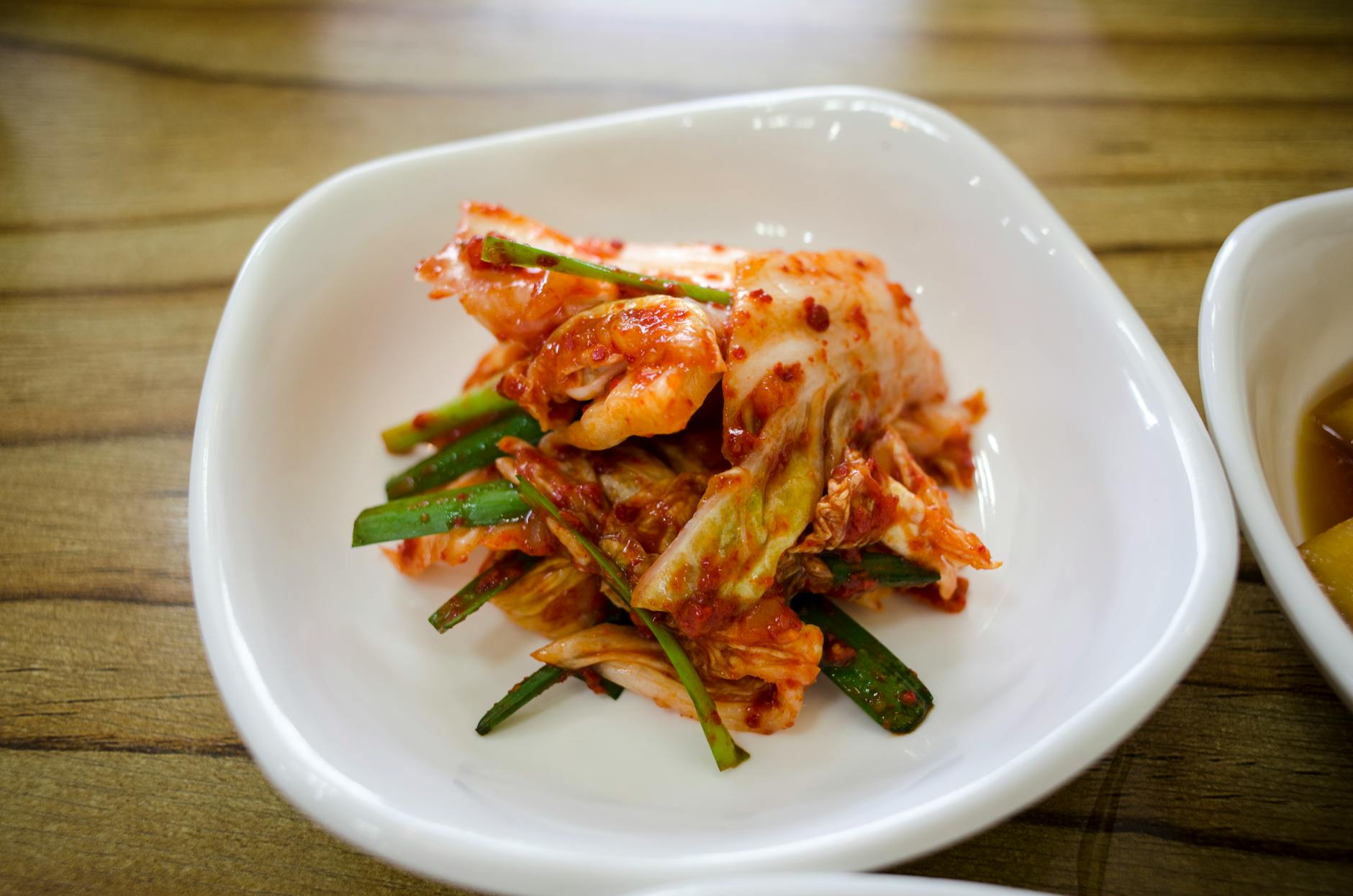
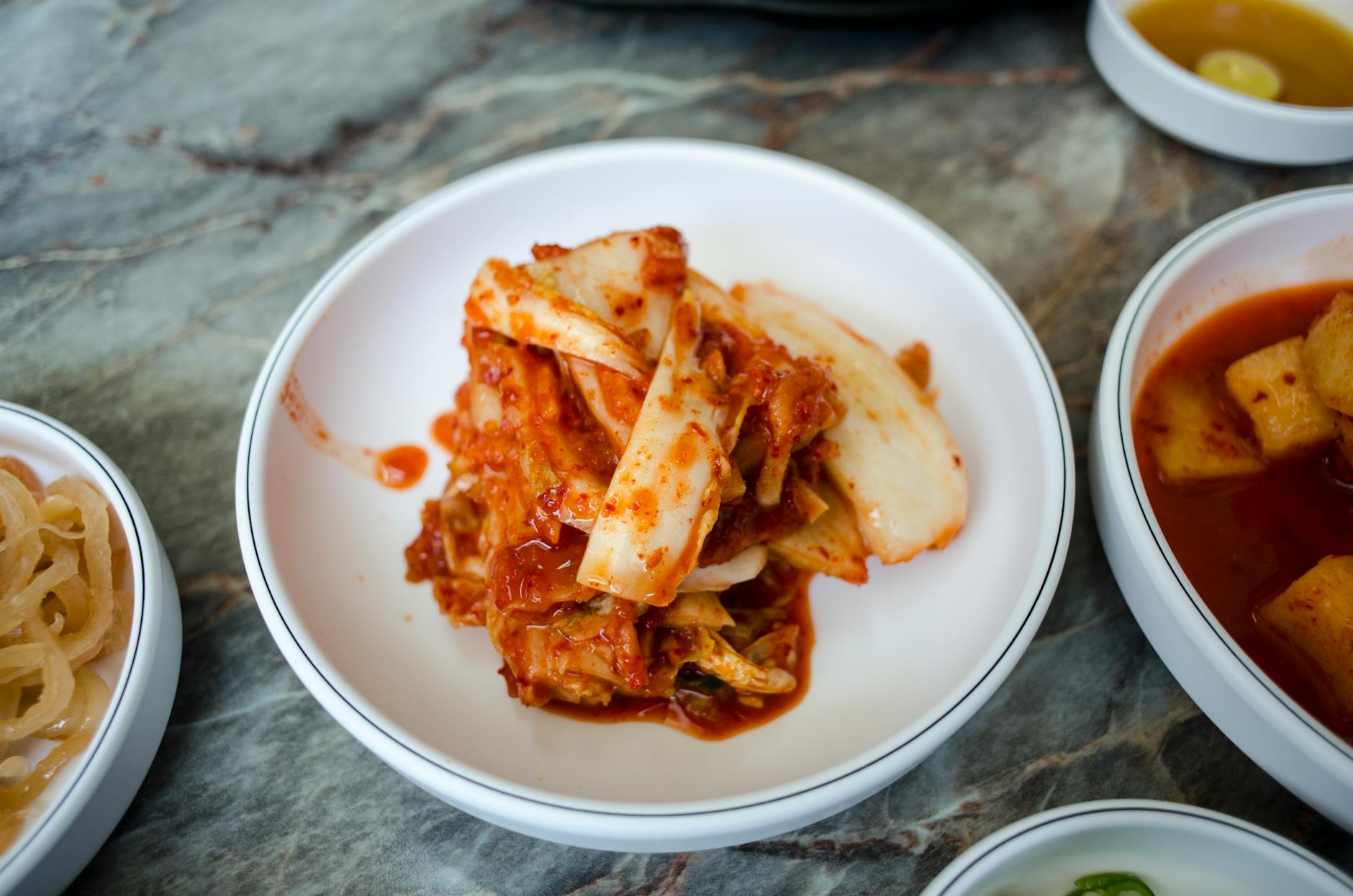
These are two of my absolute favorites. Kimchi, a Korean staple, is fermented cabbage and other vegetables, often seasoned with chili peppers, garlic, and ginger. It’s spicy, flavorful, and packed with probiotics. Sauerkraut, a simpler fermented cabbage dish from Germany, offers a milder yet equally beneficial punch. Both are excellent as side dishes, in sandwiches, or even mixed into grain bowls. You can find recipes for probiotic recipes gut health that feature these delicious staples.
Kombucha: The Fizzy Fermented Tea
Kombucha is a fermented tea that has gained immense popularity. It’s slightly fizzy, a little tart, and comes in a dizzying array of flavors. While the exact probiotic content can vary, it’s generally considered a good source of beneficial bacteria. The kombucha benefits extend beyond just its probiotic content; it can be a refreshing, lower-sugar alternative to sodas. Just be mindful of the sugar content in some commercial brands.
Tempeh and Miso: Fermented Soy Powerhouses
For those looking for plant-based protein sources, tempeh and miso are excellent choices. Tempeh is a fermented soybean cake with a firm texture and nutty flavor. Miso, a Japanese paste made from fermented soybeans, rice, or barley, is a staple in broths and marinades. These offer not only probiotics but also valuable protein and other nutrients.
Beyond the Gut: Other Surprising Benefits of Fermented Foods
While gut health is the headline act, the benefits of fermented foods extend far beyond our digestive tract. I’ve personally experienced some of these unexpected perks, and they’ve solidified my commitment to this way of eating.
Enhanced Nutrient Bioavailability
I touched on this earlier, but it’s worth reiterating. Fermentation can actually increase the levels of certain vitamins in foods, particularly B vitamins and vitamin K2. This means you're not just getting the nutrients that were originally in the food; you're getting enhanced levels thanks to the microbial activity. This one surprised me initially – the idea that fermentation could *create* nutrients felt like magic.
Potential for Mood and Brain Health
The gut-brain axis is a hot topic in health research, and for good reason. The trillions of microbes in our gut communicate with our brain, influencing everything from our mood to our cognitive function. By promoting a healthy gut microbiome, fermented foods may play a role in reducing anxiety and improving overall mental well-being. Research from Harvard Health research on benefits of fermented foods often delves into these fascinating connections.
Reduced Anti-nutrients
Many plant-based foods contain compounds called anti-nutrients, which can interfere with the absorption of certain minerals. Fermentation can help break down these anti-nutrients, making it easier for your body to absorb essential minerals like iron and zinc. This is particularly beneficial for individuals following vegetarian or vegan diets.
How to Make Fermented Foods at Home: A Taste of Tradition
The beauty of fermented foods is their accessibility. You don't need fancy equipment or a degree in microbiology to start. Making them at home is incredibly rewarding and often more cost-effective. It connects you to a tradition that has sustained communities for centuries.
Getting Started with Sauerkraut
Sauerkraut is a fantastic entry point for home fermentation. All you need is cabbage, salt, and a clean jar. You'll shred the cabbage, massage it with salt to draw out moisture, pack it tightly into a jar, and let it ferment at room temperature for a few weeks. It’s surprisingly simple, and the results are delicious. You’ll be amazed at how quickly you can master this one of the simplest types of fermented foods.
The Art of Fermented Vegetables
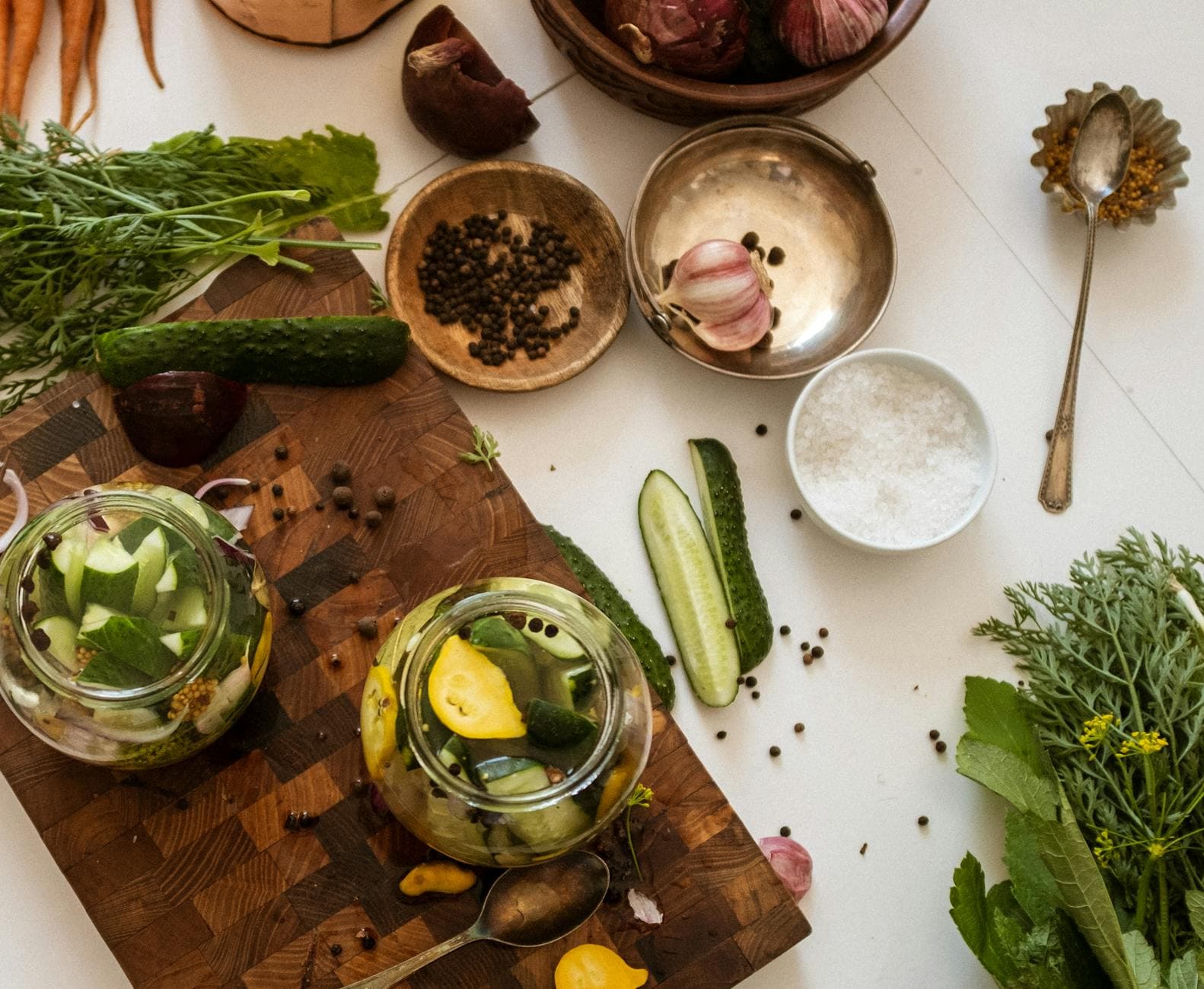
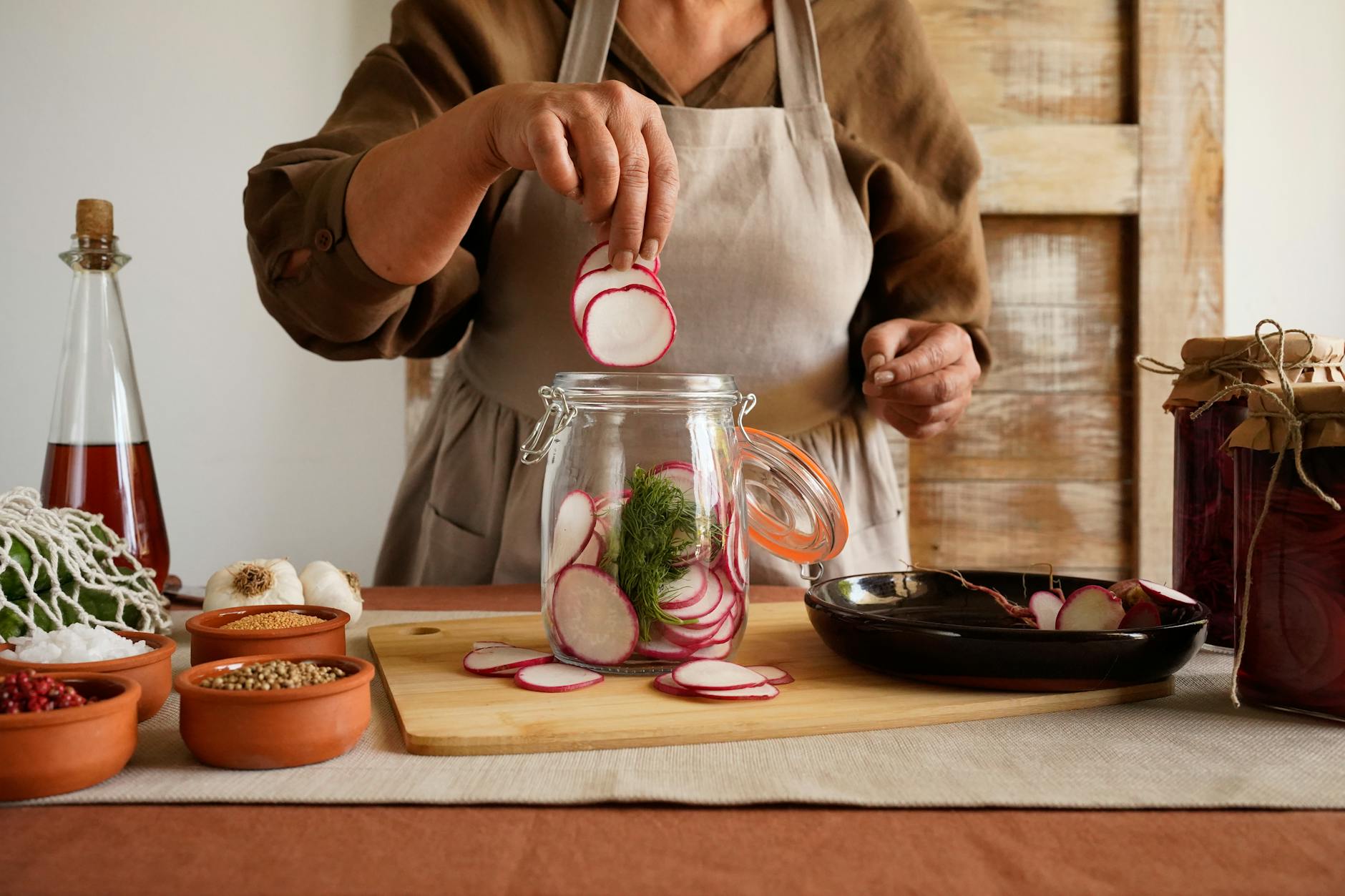
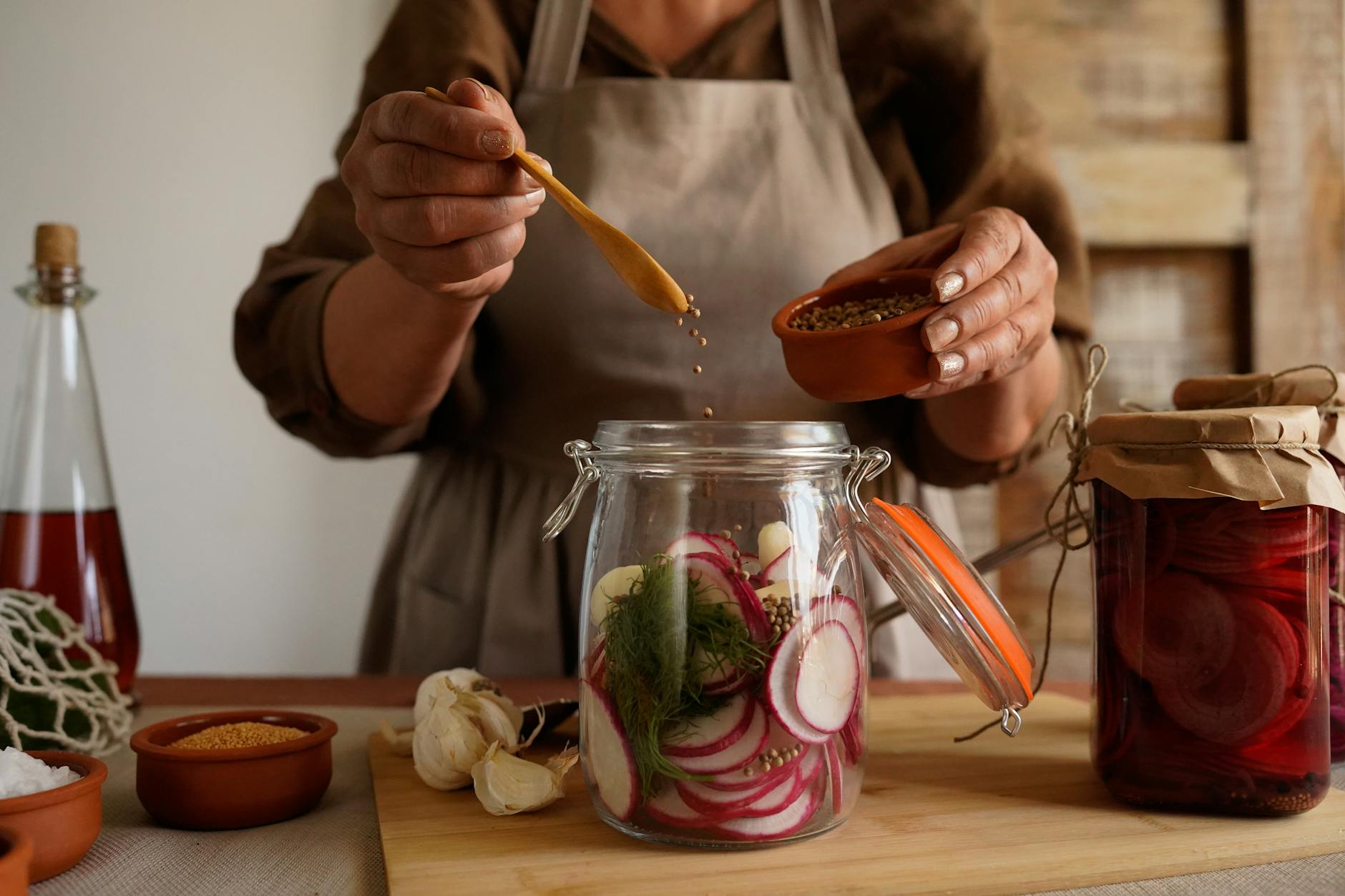
Beyond sauerkraut, you can ferment a wide variety of vegetables: carrots, beets, radishes, cucumbers – the possibilities are vast. The basic principle remains the same: combine chopped vegetables with a brine (saltwater) or simply salt them to draw out their own liquid, and let them ferment. This is a great way to preserve seasonal produce, like the delicious finds you might discover from Seasonal Produce Spring: Delicious Local Finds & Recipes.
A Note on Safety and Hygiene
When fermenting at home, cleanliness is paramount. Ensure all your equipment is thoroughly washed. You're working with live cultures, and you want to encourage the good ones to thrive while preventing the growth of unwanted pathogens. If something smells off, looks moldy, or tastes truly unpleasant, it's best to discard it. Trust your senses, but don’t let fear stop you from trying.
Integrating Fermented Foods into Your Daily Life
The most significant benefits of fermented foods come from consistent consumption. Making them a regular part of your diet, rather than an occasional treat, will yield the best results. Think about how you can weave these powerhouses into your existing meals.
Breakfast Boosts
Start your day right! Add a spoonful of plain yogurt or kefir to your morning smoothie or oatmeal. A dollop of sauerkraut can even add a tangy kick to scrambled eggs. These are simple ways to incorporate Spring Energy Breakfast: 5 Power Meals for Your Day with added gut-loving benefits.
Lunch and Dinner Enhancements
Top your salads with kimchi or sauerkraut. Use miso in dressings or marinades. Add a side of fermented vegetables to any meal. These additions not only boost the nutritional profile but also add layers of complex flavor to your dishes.
Snack Smart
Instead of reaching for processed snacks, consider a small serving of plain yogurt, a glass of kombucha, or a few bites of fermented pickles. These are satisfying and contribute to your daily intake of beneficial microbes. They are great alternatives to some of the less healthy options you might typically grab for Healthy Spring Snacks: Fresh & Easy Ideas.
Embracing fermented foods has been a transformative experience for me. It’s a journey back to a more natural, ancestral way of eating that offers profound health benefits. It’s not a magic bullet, but it’s a powerful, delicious, and accessible tool for cultivating a healthier gut and a more vibrant life. So, dive in, explore the flavors, and listen to what your body tells you. The rewards are truly worth it.