What if I told you that a simple nutrient, often called the "sunshine vitamin," could be the missing piece in your quest for a brighter outlook, especially when those grey skies start to linger? You've probably noticed how the changing seasons can affect your energy and overall mood. Sometimes, it feels like a switch flips, and suddenly everything seems a little dimmer. This connection between our environment and our internal state is real, and a key player in this dynamic is vitamin D. Exploring the link between vitamin d mood is more than just a health trend; it's about understanding a fundamental aspect of our well-being.
The Sunshine Vitamin and Your Brain
It’s easy to dismiss feeling a bit down as just a passing mood, but when it becomes persistent, especially during certain times of the year, it’s worth investigating. The sun's rays on our skin trigger vitamin D production, and this vitamin does far more than just keep our bones strong. It plays a crucial role in brain function, impacting neurotransmitter systems that directly influence how we feel.
How Vitamin D Influences Mood
Think of vitamin D as a conductor for your brain's orchestra. It helps regulate the production and activity of key neurotransmitters like serotonin and dopamine, which are fundamental to feelings of happiness, motivation, and well-being. When vitamin D levels dip, this delicate balance can be disrupted, leading to a noticeable shift in your emotional state.
The Serotonin Connection
Serotonin is often dubbed the "happy chemical." Research suggests that vitamin D receptors are present in areas of the brain that regulate mood, and vitamin D appears to influence serotonin synthesis. This is a significant finding because low serotonin levels are strongly linked to depression and anxiety. Understanding this connection highlights why maintaining adequate vitamin D is so vital for a stable vitamin d mood.
Beyond Serotonin: Other Brain Benefits
While the serotonin link is powerful, vitamin D's influence doesn't stop there. It also plays a role in protecting brain cells from damage and may even influence cognitive function. Some studies suggest a correlation between higher vitamin D levels and better overall brain health, which indirectly supports a positive mood.
Vitamin D Deficiency Symptoms: More Than Just Low Energy
Many people are walking around with suboptimal vitamin D levels without even realizing it. The symptoms can be subtle and often mistaken for other common issues. If you've been feeling persistently fatigued, experiencing mood swings, or struggling with a general sense of malaise, it might be time to consider your vitamin D status.
Recognizing the Signs
Beyond the obvious bone health implications, vitamin D deficiency symptoms can manifest in ways that directly impact your emotional and mental state. These might include feelings of sadness, irritability, difficulty concentrating, and an overall lack of motivation. It's a quiet drain on your vitality.
Who is at Risk?
Several factors can increase your risk of vitamin D deficiency. If you live in northern latitudes where sunshine is less abundant, especially during winter months, you're more susceptible. People with darker skin tones produce less vitamin D from sun exposure. Additionally, certain medical conditions, such as inflammatory bowel disease, can affect nutrient absorption. And honestly, many of us simply don't spend enough time outdoors to get sufficient sun. This is a significant factor contributing to lower vitamin d mood in many populations.
The Link to Seasonal Affective Disorder (SAD)
This is where the connection becomes particularly clear for many. Seasonal Affective Disorder (SAD) is a type of depression that’s related to changes in seasons, typically starting in late fall and continuing through winter. Reduced sunlight during these months can disrupt your body's internal clock and lead to a drop in vitamin D levels. Many find that addressing their vitamin D deficiency is a crucial part of managing SAD symptoms, offering a tangible spring mood boost as days lengthen.
Harnessing the Power of the Sun: Natural Ways to Get Vitamin D
The most natural and arguably the best way to get vitamin D is through sensible sun exposure. It’s a gift from nature, and learning to use it wisely can make a big difference.
Sunlight Therapy: The Original Mood Booster
Think about how you feel after a walk on a sunny day. There’s an undeniable lift, a sense of invigoration. This isn't just psychological; it’s your body responding to sunlight. Spending time outdoors, even for short periods, can significantly impact your vitamin D levels and, consequently, your mood. This is the core of sunshine benefits.
How Much Sun is Enough?
This is where it gets a bit nuanced. You don't need to bake in the sun for hours. For most fair-skinned individuals, about 10-15 minutes of midday sun exposure on arms and legs a few times a week can be sufficient to produce vitamin D. For those with darker skin, it may take longer. The key is to find a balance that allows for vitamin D production without risking sunburn. Always prioritize sun safety.
Timing and Location Matter
The angle of the sun is crucial. The UVB rays that trigger vitamin D production are strongest when the sun is high in the sky, typically between 10 AM and 3 PM. If you live in a region with very little sun during winter months, or if your work keeps you indoors, you might struggle to get enough vitamin D from sunlight alone. This is a common challenge that leads people to seek other sources.
Foods High in Vitamin D: Dietary Strategies
While sunlight is a primary source, your diet can also contribute to your vitamin D intake. However, it’s important to be realistic: it can be challenging to meet your full needs through food alone, which is why supplementation is often recommended.
Fatty Fish: A Nutritional Powerhouse
When thinking about foods high in vitamin D, fatty fish like salmon, mackerel, herring, and tuna often top the list. A 3-ounce serving of cooked salmon can provide a significant portion of your daily recommended intake. Including these in your diet a couple of times a week is a smart move for overall health and can certainly help with your vitamin d mood.
Fortified Foods: Filling the Gaps
Many common foods are fortified with vitamin D to help populations meet their needs. This includes milk, some yogurts, orange juice, and breakfast cereals. Always check the nutrition labels to see if a product is fortified and how much vitamin D it contains. These are excellent strategies for boosting energy levels naturally.
Other Sources to Consider
Mushrooms, particularly those exposed to UV light, can contain vitamin D. Egg yolks also offer a small amount. While these are beneficial, they generally won't provide the same vitamin D punch as fatty fish or fortified products.
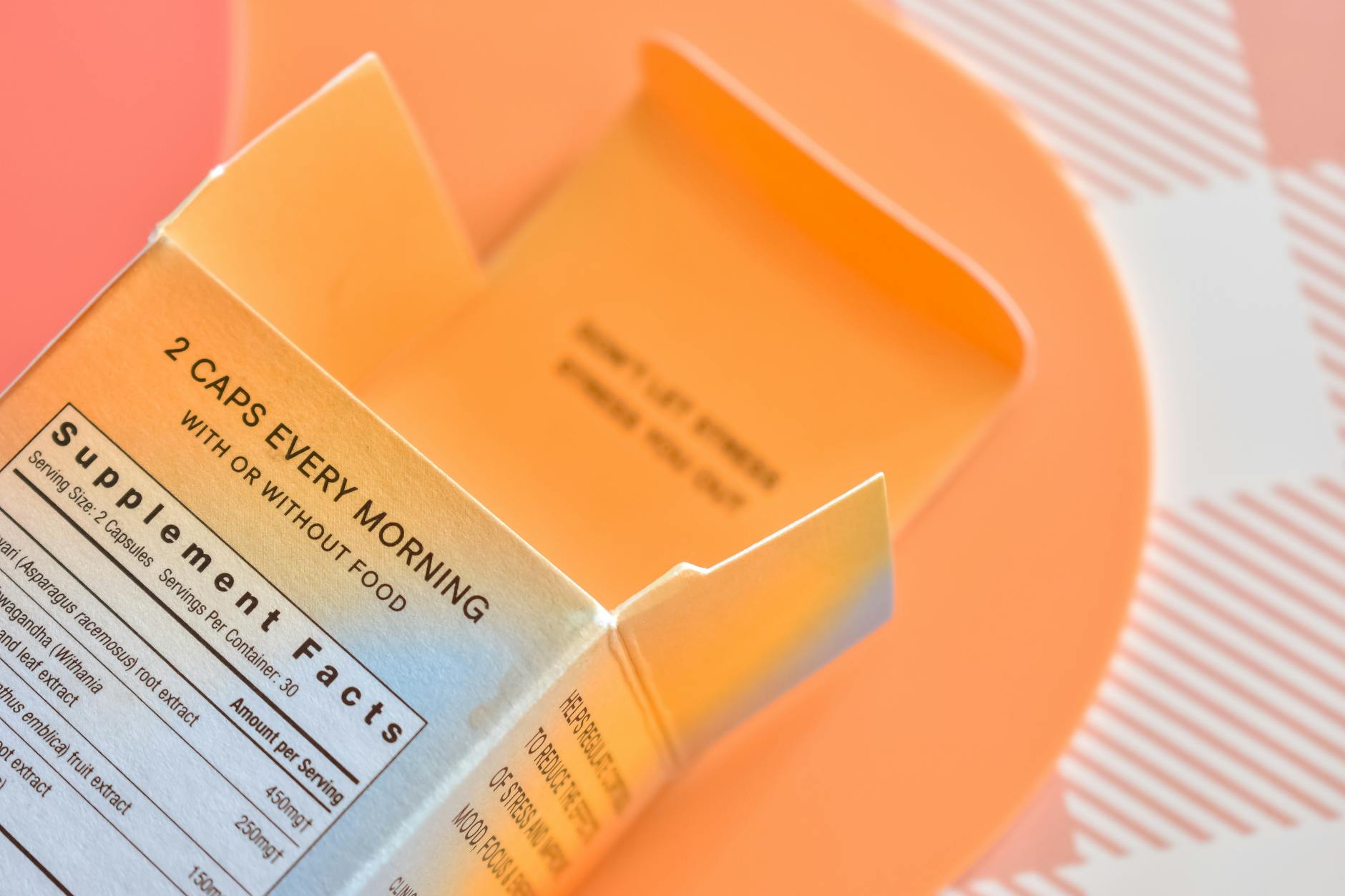
When to Consider Supplementation
Here's the thing: for many people, especially those living in less sunny climates or with specific dietary restrictions, relying solely on sun and food isn't enough. This is where supplementation comes into play, and it can be a game-changer for your vitamin d mood.
Talking to Your Doctor
Before you start popping vitamin D pills, I strongly recommend talking to your doctor. They can order a simple blood test to check your vitamin D levels. This is the most accurate way to determine if you are deficient and what dosage would be appropriate for you. Self-diagnosing and self-treating can sometimes lead to more problems than solutions.
Dosage and Forms
Vitamin D supplements come in various forms, most commonly D2 (ergocalciferol) and D3 (cholecalciferol). D3 is generally considered more effective at raising and maintaining blood levels of vitamin D. Your doctor can help you choose the right form and dosage. For example, someone with a significant deficiency might need 2,000-4,000 IU (International Units) daily, while others might need less. This is where the mental health benefits of sun truly get a boost from targeted support.
Consistency is Key
If you do decide to supplement, consistency is crucial. Taking your vitamin D regularly, as prescribed by your doctor, will allow your levels to build up and have a sustained impact on your mood and overall health. It’s not a quick fix, but a long-term strategy for better well-being, contributing to your spring wellness tips.
A Holistic Approach to Mood Enhancement
While vitamin D is incredibly important, it's just one piece of the puzzle when it comes to maintaining a positive mood. Think of it as a powerful tool in your wellness arsenal, not the entire arsenal itself.
The Power of Movement and Sleep
Regular physical activity is a well-established mood enhancer. Even a brisk walk can release endorphins, your body's natural mood lifters. Similarly, prioritizing quality sleep is fundamental. When you're well-rested, you're better equipped to handle stress and maintain emotional balance. If you're struggling with posture that interferes with sleep or comfort, looking into improving your posture can be a surprisingly effective step.
Mindfulness and Social Connection
Practicing mindfulness or meditation can help you stay grounded and reduce feelings of anxiety. Connecting with loved ones also plays a vital role. Social support is a powerful buffer against stress and can significantly impact your overall happiness. Sometimes, the simplest acts of connection are the most profound.
Addressing Underlying Issues
It’s also important to acknowledge that persistent low mood or depression can stem from a variety of factors, including genetics, life stressors, and other medical conditions. If you're struggling, don't hesitate to seek professional help from a therapist or counselor. They can provide personalized strategies and support. Understanding Spring SAD Triggers: What Causes Seasonal Depression Now? is also a key part of this holistic approach.
Ultimately, taking charge of your vitamin D levels is a proactive step towards a brighter, more balanced you. It’s about listening to your body, understanding the science, and making informed choices. Whether it’s through more time in the sun, dietary adjustments, or strategic supplementation, optimizing your vitamin D can unlock a significant spring mood boost and contribute to your overall vitality. Don't underestimate the power of this sunshine vitamin; it might just be the key to feeling your best.