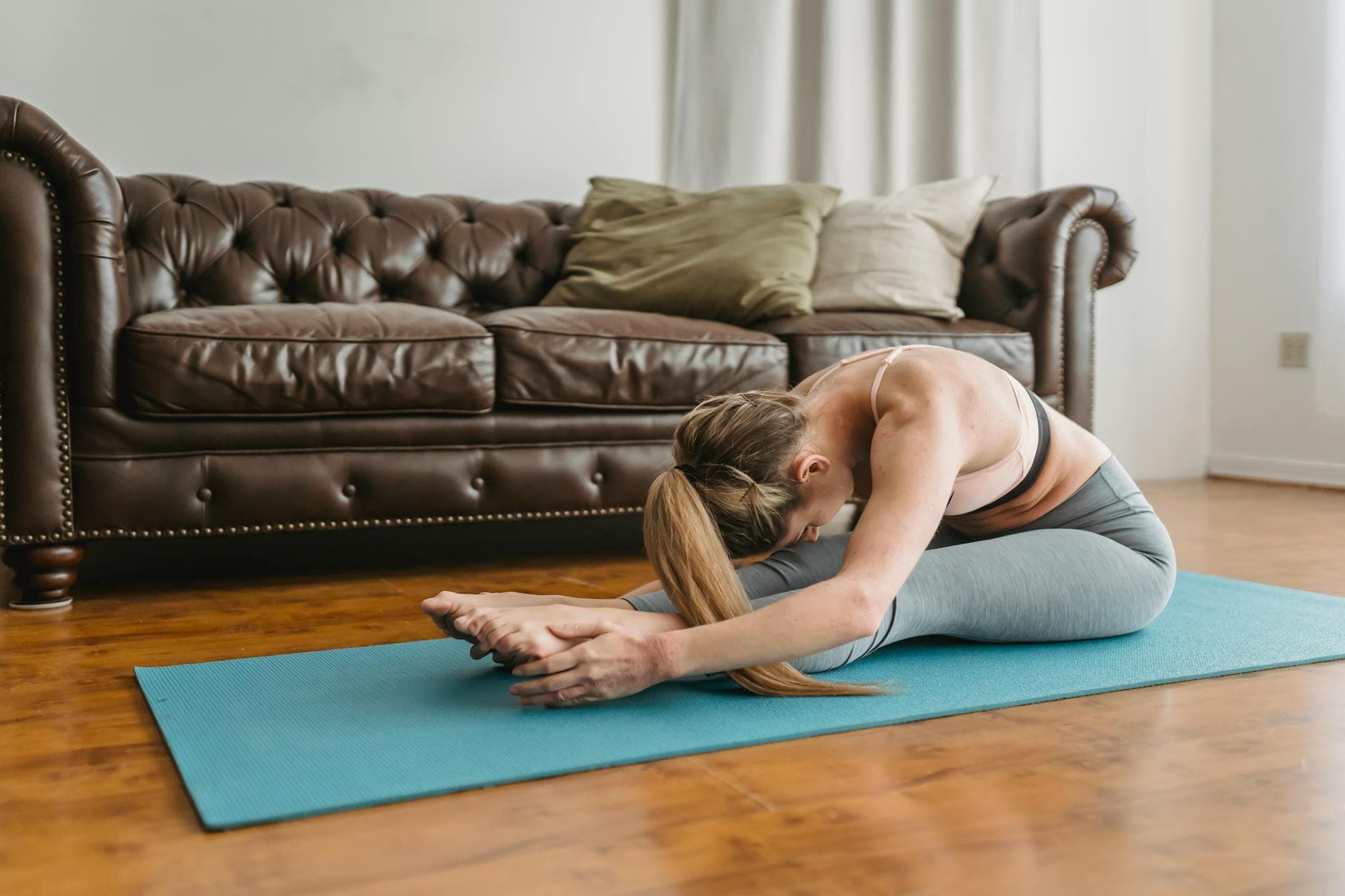
I remember a time, not so long ago, when my shoulders felt permanently hunched forward, my neck a perpetual ache, and my lower back screamed in protest after even a short walk. I’d catch my reflection in shop windows and see… well, I’d see someone who looked perpetually tired and defeated, even when I felt okay inside. It wasn't just a physical thing; it felt like it was affecting my whole outlook. That’s when I knew I had to do something to improve posture. It wasn't about vanity; it was about reclaiming my physical well-being and, honestly, my confidence.
The Hidden Cost of Slouching
We live in a world that often pulls us forward. Our desks, our phones, our cars – they all conspire to round our spines. It’s become so ingrained that many of us don’t even realize the extent of our slouching. This isn't just about looking less than your best; it's a slow erosion of your physical health.
The Everyday Culprits
Think about your typical day. How much time do you spend looking down at a screen? Whether it's for work, scrolling through social media, or reading an e-book, that constant downward gaze is a silent killer of good posture. Your head, which weighs about as much as a bowling ball, is suddenly being supported by muscles not designed for that angle for hours on end.
Beyond the Aesthetic
The consequences of prolonged slouching run deep. You might experience nagging aches and pains, particularly in your neck and back. This can escalate into chronic issues, making everyday activities feel like a chore. It can even affect your breathing, your digestion, and your energy levels. It’s a domino effect that starts with a simple, unconscious slump.

Understanding the Mechanics of Better Posture
Fixing your posture isn't about forcing yourself into some rigid, unnatural stance. It's about retraining your body to find its natural, efficient alignment. It's a process of strengthening weak muscles, stretching tight ones, and becoming more aware of how you hold yourself throughout the day.
The Core Connection
Here's the thing: your core muscles – your abs, obliques, and lower back – are the foundation of good posture. When they're weak, the rest of your body has to compensate, leading to strain and misalignment. Strengthening your core isn't just for a flat stomach; it's crucial for supporting your spine and allowing you to stand tall.
The Power of Planks
A simple plank, done correctly, can be a game-changer. Focus on keeping your body in a straight line from head to heels, engaging your abs to prevent your hips from sagging. Start with short holds, maybe 20-30 seconds, and gradually increase the duration. This one exercise alone can make a significant difference in your ability to improve posture.
The Role of Spinal Alignment
Your spine has natural curves – a gentle inward curve in your neck (cervical lordosis), an outward curve in your upper back (thoracic kyphosis), and an inward curve in your lower back (lumbar lordosis). When you slouch, these curves become exaggerated or flattened, putting undue stress on your vertebrae and the surrounding discs. The goal of posture correction is to restore these natural, healthy curves.
Practical Steps to Improve Posture
This is where the rubber meets the road. You’ve identified the problem; now it’s time for solutions. These are the things that worked for me, the habits I cultivated, and the exercises I learned to rely on.
Ergonomics at Work: Your Desk Setup
If you spend hours at a desk, your workspace is your first line of defense. It’s not just about having a fancy chair; it’s about conscious adjustments. Your monitor should be at eye level so you’re not craning your neck up or down. Your feet should be flat on the floor, and your knees should be at about a 90-degree angle. Your elbows should also be at a 90-degree angle when typing, with your wrists straight. This is a simple but incredibly effective way to combat desk posture issues.
The Screen Height Secret
I used to think I was fine with my laptop screen lower than my eye line. Big mistake. I ended up with a constant crick in my neck. Forcing myself to prop up my laptop or use an external monitor made an immediate, palpable difference. It's a small change that yields huge results for your spinal alignment.
Posture Exercises: Building Strength and Flexibility
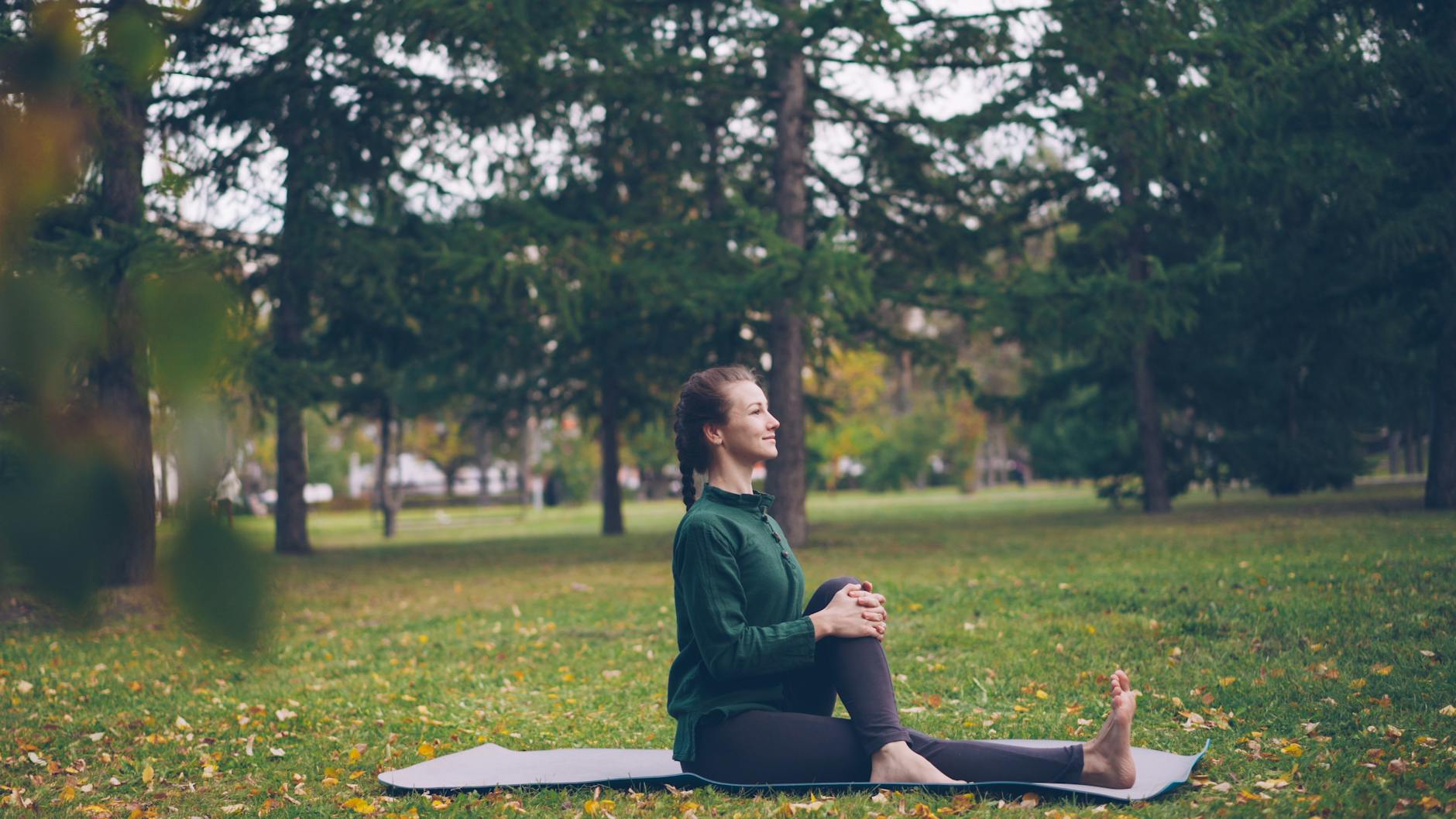
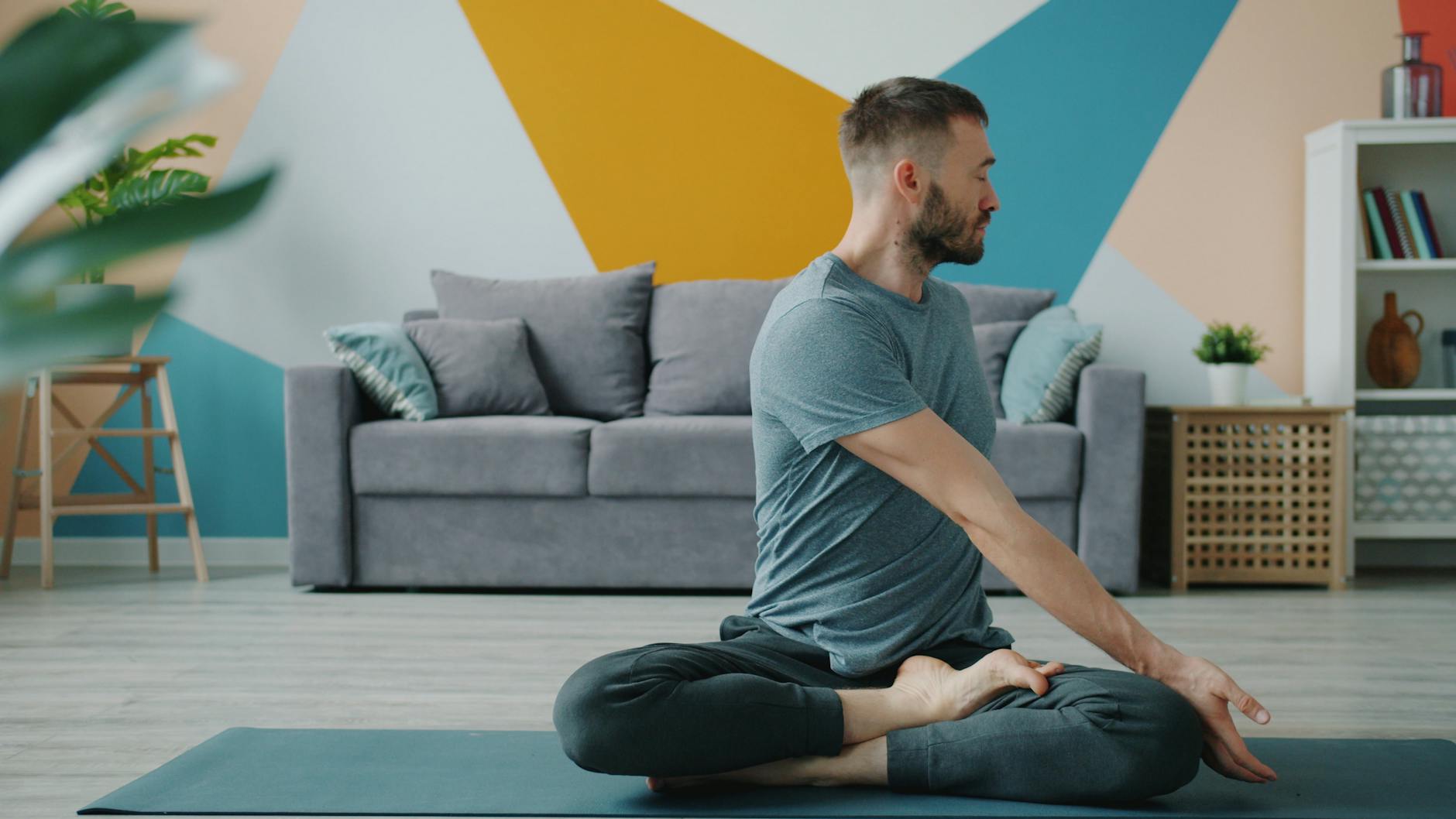
No one can "think" their way into good posture all day. You need to build the physical capacity to maintain it. This involves a combination of strengthening exercises for your back and core, and stretching exercises for your chest and hips, which often become tight from prolonged sitting.
Strengthening the Posterior Chain
Your back muscles, glutes, and hamstrings – collectively known as the posterior chain – are essential for holding you upright. Exercises like bridges, bird-dogs, and Superman holds are fantastic for building strength in these areas. They directly counteract the forward pull of gravity and tight chest muscles.
Targeting Tight Chest Muscles
For many of us, the chest muscles (pectorals) become incredibly tight from hunching over desks and phones. This tightness pulls our shoulders forward. Simple chest stretches, like doorway stretches, can work wonders. Stand in a doorway, place your forearms on the frame with your elbows bent at 90 degrees, and gently lean forward until you feel a stretch across your chest. Hold for 30 seconds and repeat a few times. This is a quick win to help you improve posture.
Mindfulness and Awareness
This one surprised me. I thought it was all about the physical exercises. But I realized that even after a great workout, I’d fall back into my old habits without conscious effort. Developing a sense of body awareness is key. Regularly check in with yourself throughout the day. Are your shoulders rounded? Is your head jutting forward? A simple mental cue – like imagining a string pulling you up from the crown of your head – can make a big difference.
The "String" Technique
It sounds a bit silly, but it works. Picture a string attached to the top of your head, gently pulling you upwards. This natural elongation helps to lengthen your spine and bring your head back into alignment over your shoulders. It’s a subtle shift that can realign your entire body.
When to Seek Professional Help
While many aspects of posture correction can be managed at home, there are times when professional guidance is invaluable. If you’re experiencing persistent pain, numbness, or tingling, it’s essential to consult a healthcare provider.
The Role of Physical Therapists
A physical therapist can assess your specific posture issues, identify muscle imbalances, and create a tailored exercise program. They can also provide manual therapy to help alleviate pain and improve mobility. Their expertise can be crucial in accelerating your progress and ensuring you're doing exercises correctly, preventing further injury. For persistent issues, this is often the fastest route to improve posture effectively.
Understanding Your Unique Needs
What works for one person might not work for another. A physical therapist can help you understand the root causes of your postural problems, whether it’s from an old injury, a sedentary lifestyle, or even how you sleep. They can offer targeted solutions that go beyond generic advice.
Considering Chiropractic Care
Chiropractors can also play a role in posture correction, particularly in addressing spinal misalignments. Through adjustments, they aim to restore proper joint function and alignment, which can alleviate pain and improve overall posture. It’s about creating a foundation for your body to function optimally.
The Long-Term Vision for Better Posture
Improving your posture isn't a quick fix; it’s a journey. It requires patience, consistency, and a willingness to make small, sustainable changes. But the rewards – reduced pain, increased energy, improved confidence, and a greater sense of well-being – are absolutely worth it.
Consistency is Your Best Friend
Don't get discouraged if you don't see results overnight. The habits that led to poor posture likely took years to develop. Reversing them will take time. Dedicate yourself to your exercises, be mindful of your posture throughout the day, and celebrate the small victories. This consistent effort is what truly allows you to improve posture over the long haul.
Making it a Habit
Think about how you integrated other healthy habits into your life, like drinking more water or getting enough sleep. Approach posture correction with that same mindset. Set reminders, find an accountability partner, or simply make it a non-negotiable part of your daily routine. The more you practice, the more natural it becomes.
The Ripple Effect on Your Health
When you finally achieve better posture, you’ll notice it’s not just your physical appearance that changes. You’ll likely find that back pain relief becomes a reality. Your ability to breathe deeply might improve. You might feel more energetic and less prone to fatigue. It truly is a foundation for overall health. This journey can even complement other health goals, like a metabolism reset in spring, by improving your body’s efficiency.
I can tell you from personal experience that the commitment to improving my posture has paid dividends far beyond what I initially imagined. It’s a testament to how interconnected our physical and mental well-being truly are. So, take that first step. Be kind to yourself on the journey. And get ready to stand a little taller, both literally and figuratively.