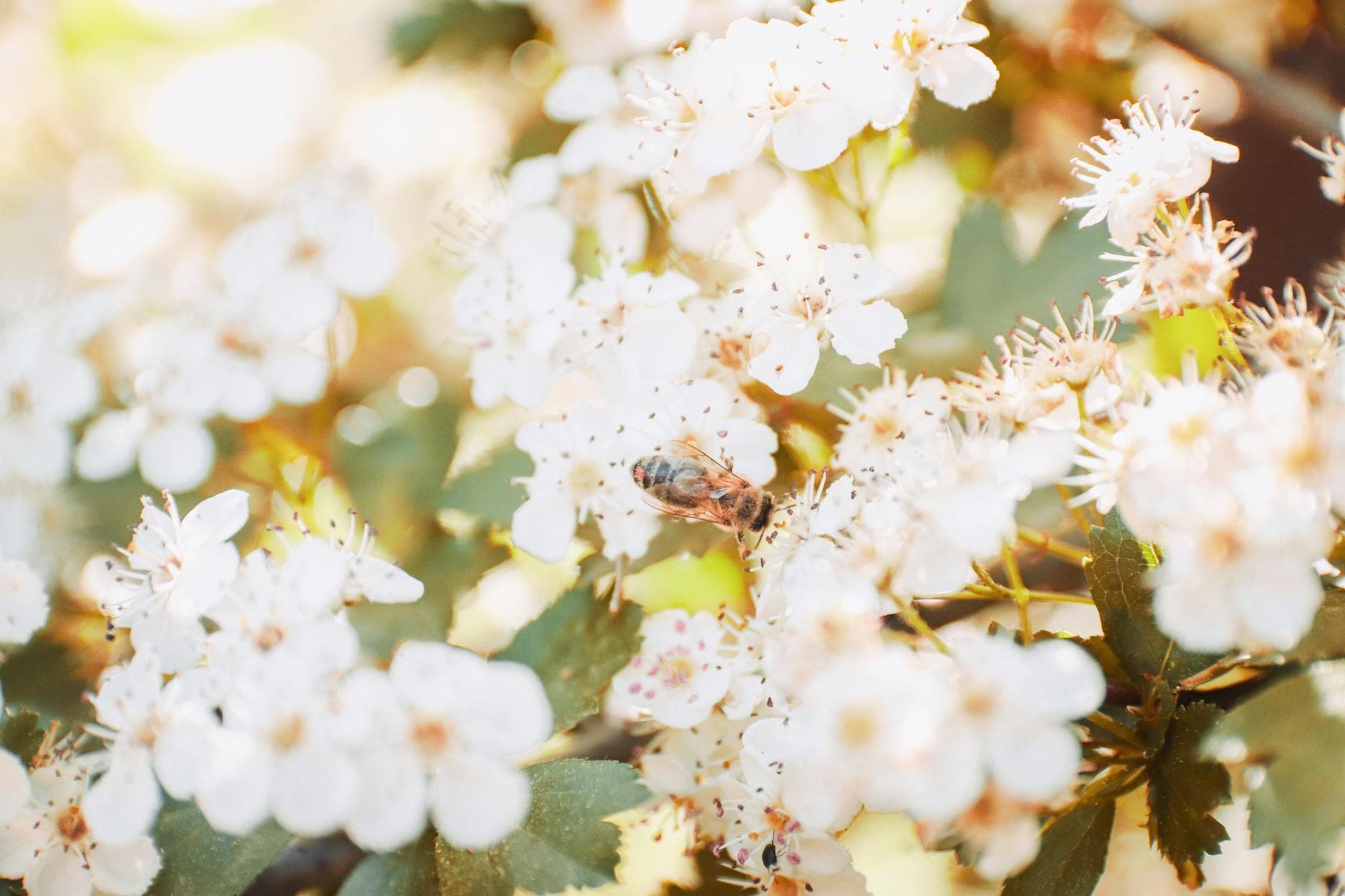
The Sneaky Culprits Behind Your Spring Allergy Agony
Did you know that for millions, the first signs of spring aren't blooming flowers and warmer days, but the relentless tickle in their throat, the watery eyes, and the constant urge to sneeze? It’s a cruel irony, isn't it? Spring allergy causes are far more complex than just a bit of pollen in the air. I used to think it was as simple as stepping outside, but years of dealing with this myself and talking to countless others have shown me the real story. It’s a battle against microscopic invaders, and understanding their tactics is the first step towards reclaiming your season.
The Pollen Offensive: A Microscopic Invasion
When we talk about spring allergy causes, pollen is the undisputed heavyweight champion. These tiny grains, released by trees, grasses, and weeds, are the reproductive cells of plants. They’re designed to travel on the wind, often for miles, seeking out other plants to fertilize. For most people, these are harmless. But for those with allergies, the immune system mistakenly identifies pollen as a threat.
Trees: The Early Spring Barrage
The allergy season often kicks off with tree pollen. Think of oak, birch, maple, and cedar. These trees are usually the first to "wake up" in the spring, releasing their pollen long before grasses even start thinking about it. This is why some people start experiencing symptoms as early as February or March, even when it still feels like winter. I remember one year, I was caught completely off guard. I’d just enjoyed a rare mild February day, and by evening, my nose was running like a faucet. It was the cedar trees in my neighborhood, I later learned.
Grasses: The Summer Preview
While trees dominate early spring, grasses take over as the weather warms further. Timothy grass, Bermuda grass, and rye grass are common culprits. Their pollen season typically runs from late spring through early summer. This is a crucial period for many, as grass pollen can be particularly pervasive, especially in parks and lawns.
Weeds: The Lingering Threat
Weeds, like ragweed, are notorious for their potent allergenic pollen, which usually emerges in late summer and fall. However, some early-blooming weeds can contribute to the spring pollen load, extending the misery for some unfortunate souls. Understanding the specific culprits is key to effective allergy prevention tips.
Beyond Pollen: The Hidden Spring Allergy Causes
It’s easy to blame pollen and call it a day, but the reality of spring allergy causes is a bit more nuanced. Several other factors can contribute to or even exacerbate your symptoms, making you feel like you’re fighting a losing battle.
Mold Spores: The Damp Invaders
While mold is often associated with damp indoor environments, outdoor mold spores are also significant allergens, especially in the spring. After a wet winter, decaying leaves and organic matter on the ground become breeding grounds for mold. As things dry out and warm up, these spores are released into the air. You might not even realize mold is a factor until your symptoms flare up unexpectedly.
Environmental Factors: The Perfect Storm
Sometimes, it’s not just one thing. It’s the combination of factors. Warm, dry, and windy days are a nightmare for allergy sufferers. Wind picks up pollen and mold spores, carrying them further and in higher concentrations. Conversely, rainy days can temporarily wash pollen out of the air, offering a brief respite. But then, after the rain, the pollen count can surge. This unpredictable nature is why checking the pollen count today is so vital for managing your day.
Your Genetics and Immune System: The Internal Battleground
Here's the thing: not everyone reacts to pollen. Your predisposition to allergies is largely genetic. If your parents have allergies, you’re more likely to develop them. The immune system in allergic individuals is simply wired differently, overreacting to harmless substances. This internal sensitivity is the root cause, and what we call "spring allergy causes" are merely the external triggers for that internal reaction. It's a fascinating, albeit frustrating, aspect of human biology, and understanding this can offer a different perspective on why you suffer when others don't.

Understanding Allergy Symptoms Explained: More Than Just a Cold
The line between a common cold and seasonal allergies can be blurry, but there are key differences. Recognizing your specific allergy symptoms explained is crucial for effective treatment. It’s not just about feeling miserable; it’s about knowing what you’re up against.
The Classic Trio: Sneezing, Itching, and Congestion
These are the hallmarks of allergic rhinitis, the medical term for hay fever.
- Sneezing: Often comes in fits, a rapid-fire series of sneezes that can leave you breathless. This is your body's attempt to expel the perceived irritant.
- Itchy Eyes, Nose, and Throat: This is a classic sign of histamine release. Your body is essentially saying, "Something's wrong here!" This itching can be maddening and is often accompanied by watery eyes.
- Nasal Congestion and Runny Nose: Inflammation of the nasal passages leads to both blockage and excessive mucus production. The mucus is often thin and clear, unlike the thicker, colored mucus of a cold.
Watery, Red Eyes: The Visible Distress Signal
Beyond the itching, your eyes can become red, watery, and even swollen. This is your body's histamine at work again, causing blood vessels in the eyes to dilate and become more permeable. It makes you look and feel like you've been crying for days, which, in a way, you have – tears of frustration!
Beyond the Obvious: Less Common Allergy Manifestations
Sometimes, allergy symptoms can be more subtle or manifest in ways you might not immediately connect to allergies.
Fatigue and Brain Fog: The Hidden Toll
Constant inflammation and the body's ongoing battle with allergens can lead to significant fatigue. You might feel drained, even if you've had a full night's sleep. This can also contribute to what many describe as "brain fog" – difficulty concentrating, feeling sluggish mentally. It's like your brain is running on low power because your immune system is so busy.
Cough and Sore Throat: The Indirect Impact
While not primary symptoms of allergic rhinitis, a cough can develop from post-nasal drip, where mucus from the nose drips down the back of the throat, causing irritation. This can also lead to a persistent sore throat. This one surprised me for a long time; I always thought a cough meant I was catching something more serious.
Effective Allergy Prevention Tips: Proactive Defense
While you can't eliminate all spring allergy causes, you can significantly reduce your exposure and build resilience. These allergy prevention tips are hard-won, based on what actually works for me and others I know.
Mastering Your Environment: Creating a Sanctuary
The goal here is to minimize the allergens that make their way into your personal space.
Keep Windows and Doors Closed
This seems obvious, but you'd be surprised how many people leave their windows open "for fresh air" during peak pollen season. Resist the urge! Use air conditioning instead, and make sure it has a good filter. Change those filters regularly.
Shower After Outdoor Exposure
Pollen sticks to your hair, skin, and clothes. If you’ve been outside, especially on a high-pollen day, hop in the shower. Wash your hair to remove trapped pollen. Change into clean clothes. This simple act can make a huge difference in reducing indoor allergen levels.
Clean Your Home Regularly
Vacuuming with a HEPA filter, dusting with a damp cloth, and washing bedding in hot water can help remove allergens that have settled in your home. Focus on areas where you spend the most time, like your bedroom and living room.
Personal Strategies: Fortifying Your Body
Beyond environmental controls, there are personal steps you can take to prepare your body for the onslaught.
Monitor the Pollen Count
As mentioned, knowing the pollen count today is crucial. Plan your outdoor activities for times when the count is lower, usually early morning or after a rain.
Consider Nasal Rinses
Saline nasal rinses, often done with a neti pot or squeeze bottle, can be incredibly effective at flushing out allergens and mucus from your nasal passages. I found this to be a game-changer when I first started doing it consistently. It feels a bit strange at first, but the relief is immediate for many.
Explore Natural Allergy Remedies
While not a substitute for medical advice, some natural remedies may offer support. Things like butterbur and quercetin have shown promise in some studies, though it’s always best to discuss these with your doctor. Think of them as complementary tools rather than standalone solutions.

Seasonal Allergy Relief: Finding Your Calm Amidst the Chaos
When prevention isn't enough, and the symptoms hit, you need effective strategies for seasonal allergy relief. It’s about finding what works for *you* to manage the symptoms and reclaim your quality of life.
Medical Interventions: When to Seek Professional Help
Don't suffer in silence. Medical professionals can offer a range of solutions.
Antihistamines: The First Line of Defense
Over-the-counter antihistamines are widely available and can be very effective at blocking histamine, the chemical your body releases during an allergic reaction. They come in various forms, from pills to nasal sprays. Finding the right one might take a little trial and error.
Nasal Corticosteroid Sprays: Powerful Inflammation Fighters
These prescription or over-the-counter sprays are often considered the most effective treatment for allergic rhinitis. They work by reducing inflammation in the nasal passages, tackling congestion, sneezing, and itching at their source. It’s important to use them consistently for them to be most effective.
Allergy Shots (Immunotherapy): A Long-Term Solution
For those with severe or persistent allergies, allergy shots might be an option. This involves a series of injections that gradually expose your body to increasing amounts of the allergen, helping your immune system become less sensitive over time. It's a significant commitment, but for many, it offers lasting relief. This is a more involved approach to allergic rhinitis treatment.
Lifestyle Adjustments: Supporting Your Body's Fight
Sometimes, simple lifestyle tweaks can make a significant difference in how you feel.
- Hydration: Staying well-hydrated can help thin mucus, making it easier to clear.
- Diet: While the direct link between diet and allergies is complex, some find that reducing inflammatory foods can help. Focus on whole, unprocessed foods.
- Stress Management: High stress levels can sometimes worsen allergy symptoms. Finding ways to manage stress, like through mindfulness or gentle exercise, can be beneficial.
How to Stop Allergies: A Holistic Approach
Ultimately, learning how to stop allergies isn't about a single magic bullet. It's a multi-faceted approach. It involves understanding the specific spring allergy causes that affect you, implementing robust prevention strategies, and knowing when and how to seek effective seasonal allergy relief. It’s a journey of self-discovery and proactive health management. Think about the last time you felt truly free from allergy symptoms. What were you doing differently? Applying those lessons consistently is key. This is also why focusing on overall well-being, like maintaining good posture to improve breathing and ensuring your metabolism is functioning optimally, as discussed in Metabolism Reset Spring: Boost Your Energy & Health, can indirectly support your body's ability to cope with allergens.
The key is to be informed and proactive. Don't let spring allergy causes steal another season from you. By understanding the triggers, implementing smart prevention, and knowing your relief options, you can transform your experience from one of misery to one of enjoyment. It takes effort, but the reward of breathing freely and enjoying the beauty of spring is absolutely worth it.