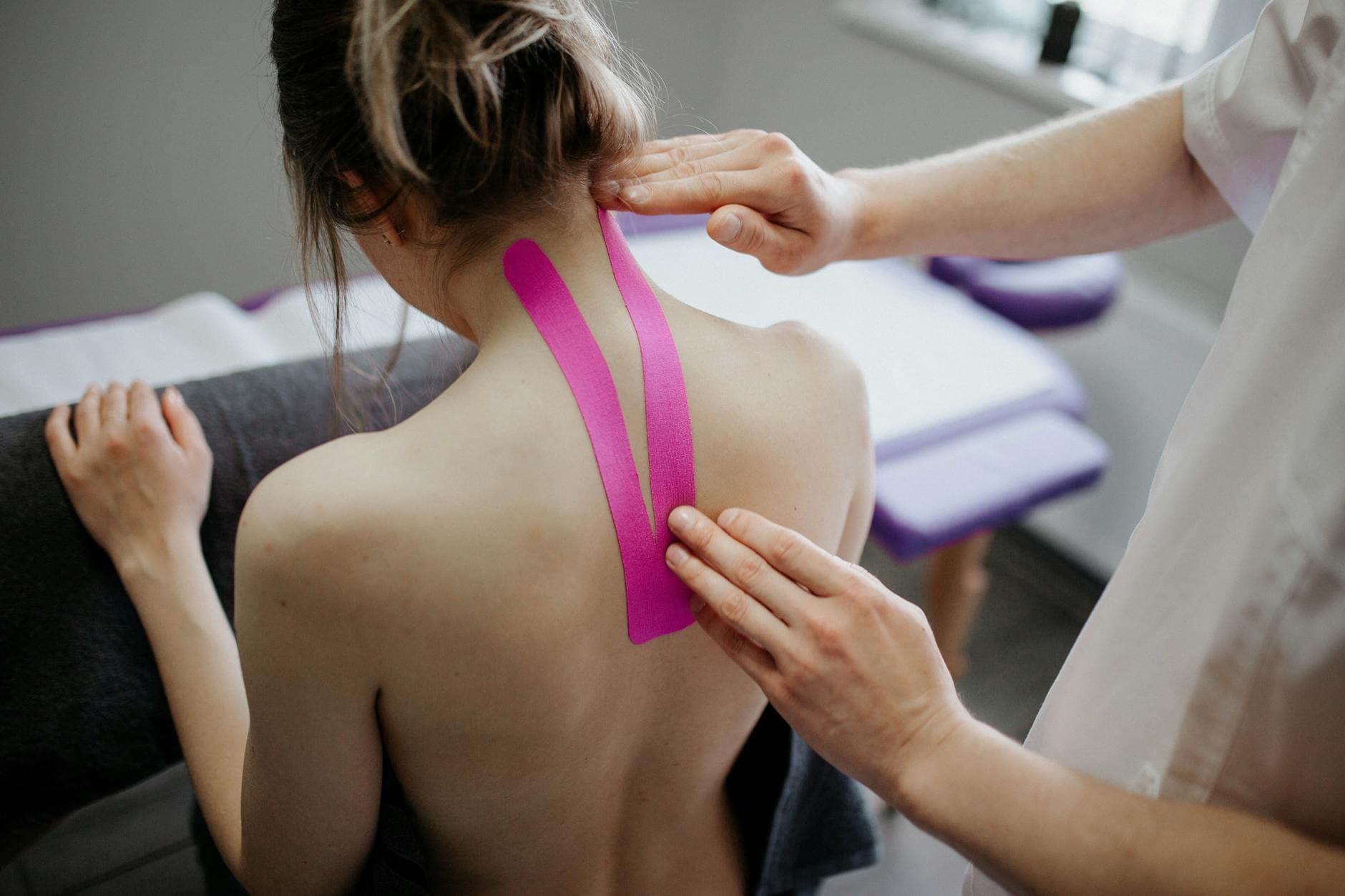
The Truth About Pregnant Back Pain
So, you're dealing with pregnant back pain. First off, know you're not alone. It’s incredibly common, and honestly, a bit of a rite of passage for many expectant mothers. But here's the thing: a lot of people think it's just an unavoidable part of pregnancy, something you just have to grin and bear. That’s a myth I want to bust right away. While some discomfort is par for the course, debilitating pain isn't. Understanding *why* it happens is the first, crucial step to finding real relief.
Is It Just Part of the Package?
Many women are told, "Oh, you're pregnant, of course your back hurts." This passive acceptance can lead to unnecessary suffering. While the physiological changes of pregnancy *do* put stress on your back, there are many proactive things you can do to manage and even prevent severe discomfort. It’s about working *with* your changing body, not just enduring its demands.
Why Your Back Cries Out for Help
The primary culprits behind pregnant back pain are the dramatic shifts happening within your body. Your growing uterus shifts your center of gravity forward, which in turn forces you to adjust your posture. This often means arching your lower back more than usual, putting extra strain on those muscles. Add to this the hormonal changes, specifically the release of relaxin, a hormone that loosens ligaments and joints to prepare your pelvis for childbirth. While beneficial for delivery, this can lead to instability and pain, especially in the lower back and pelvic area.
The Weight of Expectation
Let's be honest, carrying a baby is a significant physical undertaking. The average woman gains between 25 to 35 pounds during pregnancy, and all that extra weight, especially concentrated in the front, pulls your body forward. This constant forward pull is a major contributor to lower back pain pregnancy. Your muscles have to work overtime to keep you upright, and they can easily become fatigued and sore.

Navigating the Discomfort: Strategies for Relief
The good news is that you don't have to suffer through pregnancy backache. There are numerous strategies, from simple adjustments to targeted therapies, that can make a world of difference. Think of it as building your personal toolkit for comfort.
Posture: Your New Best Friend
This one surprised me when I first learned about it. So many of us have ingrained poor posture habits that pregnancy exacerbates. Correcting your pregnancy posture isn't just about looking more elegant; it’s about reducing strain. Stand tall, with your shoulders back and relaxed. Avoid locking your knees. When sitting, use a chair with good lumbar support or place a small cushion behind your lower back. This can significantly alleviate pressure.
Simple Posture Checks
Try this: stand with your back against a wall. Your head, shoulder blades, and buttocks should touch the wall. There should be a small space between your lower back and the wall. If there's a big gap, you're likely over-arching. If your head is far from the wall, you're probably slouching. Aim for that small, natural curve.
Movement is Medicine
It might seem counterintuitive when your back hurts, but gentle movement can be incredibly beneficial. Think of it as lubricating your joints and strengthening the muscles that support your spine. Avoid long periods of sitting or standing. If you must sit, get up and walk around every 30 minutes. Even a short stroll can help.
Prenatal Back Pain Exercises
Specific prenatal exercises can target the muscles that support your back and pelvis. Pelvic tilts are fantastic; they help strengthen your abdominal muscles and relieve lower back pressure. Cat-cow stretches, done gently on your hands and knees, improve spinal flexibility. Always consult with your healthcare provider or a physical therapist specializing in prenatal care before starting any new exercise routine. They can guide you on what's safe and effective for your specific needs.
Sleep Smarter, Not Harder
Sleep positions can make or break your comfort levels during pregnancy. Sleeping on your side, with a pillow between your knees, is generally recommended. This helps keep your hips, pelvis, and spine aligned. Some women find a full-body pregnancy pillow incredibly helpful for maintaining this position and providing extra support.
The Pillow Trick
Even without a fancy pillow, a regular pillow tucked between your knees can work wonders. It prevents your top leg from pulling your hip out of alignment. You might also try placing a small pillow under your abdomen for added support. Experiment to see what feels best for your body.
When to Seek Professional Help
While many cases of pregnant back pain can be managed at home, there are times when professional intervention is necessary. Don't hesitate to reach out to your healthcare team if your pain is severe, persistent, or accompanied by other concerning symptoms.
The Role of Your Doctor
Your obstetrician or midwife is your first point of contact. They can assess your pain, rule out any serious underlying conditions, and recommend appropriate treatments. They might suggest physical therapy, specific exercises, or even pain medication that is safe during pregnancy. Don't downplay your pain; they are there to help you navigate these challenges.
Chiropractor for Pregnancy Back Pain
Many women find significant relief from seeing a chiropractor who specializes in prenatal care. A chiropractor can perform adjustments to help align your pelvis and spine, which can reduce pressure on nerves and alleviate back pain. Look for someone with specific training in treating pregnant women, as their techniques will be adapted for safety and comfort. I’ve heard countless stories from clients who found this to be a game-changer for their sciatic pain pregnancy and overall back comfort.
Massage for Pregnancy Back Pain
Prenatal massage is another excellent option. Certified prenatal massage therapists are trained to work with pregnant bodies, using techniques that are safe and effective for relieving muscle tension and improving circulation. A good massage can ease tight muscles in your back, hips, and legs, which often contribute to overall discomfort. This can be particularly helpful for relieving lower back pain pregnancy.
Finding the Right Practitioner
When seeking a chiropractor or massage therapist, ask about their experience with pregnant patients. Do they have specific certifications? What techniques do they use? Recommendations from your doctor or other pregnant friends can also be valuable. This is about finding someone you trust and feel comfortable with.
Beyond the Basics: Advanced Relief Techniques
Sometimes, the standard advice isn't quite enough, and you need to explore other avenues for safe back pain relief pregnancy.
Understanding Sciatic Pain Pregnancy
Sciatica, characterized by shooting pain down the leg, is a common complaint during pregnancy. It often occurs when the growing uterus or baby puts pressure on the sciatic nerve. Gentle stretching, proper posture, and sometimes physical therapy can help manage this. If you experience numbness, tingling, or weakness, it’s crucial to discuss this with your doctor immediately.
The Power of Water
Believe it or not, water can be a pregnant woman's best friend for pain relief. Warm baths can soothe aching muscles, and swimming or water aerobics can provide a low-impact way to exercise and strengthen your body without putting extra stress on your joints. The buoyancy of water takes the weight off your spine, offering immediate relief.
Mind-Body Connection
Don't underestimate the impact of stress on your physical discomfort. Techniques like prenatal yoga, meditation, or deep breathing exercises can help manage stress and tension, which can often manifest as physical pain. Learning to relax your body can indirectly ease your back pain. It’s amazing how much tension we hold without realizing it, and pregnancy can amplify that. Thinking about the Spring Mood Disorders and how stress impacts us can give you a broader perspective on mind-body connections.
Nutrition and Hydration
While not a direct pain reliever, proper nutrition and hydration are foundational for overall well-being during pregnancy. Staying hydrated, perhaps with something refreshing like lemon water benefits, supports your body's functions and can help prevent muscle cramps. A balanced diet provides the nutrients your body needs to cope with the physical demands of pregnancy. Considering a gentle detox process can also support your body’s natural functions.
Looking Ahead: A Stronger You
Dealing with pregnant back pain is a challenge, but it’s one you can absolutely manage and overcome. By understanding the causes, implementing proactive strategies, and knowing when to seek professional help, you can navigate this phase with greater comfort and ease. Remember, this is a temporary phase, and the goal is to support your body through it so you can embrace motherhood feeling as strong and well as possible. Prioritizing your comfort and well-being now will benefit you and your baby. Consider how improving your overall physical health, perhaps even with a posture corrector, can have a ripple effect. The journey of pregnancy is remarkable, and managing its discomforts is part of that incredible experience. Don't be afraid to advocate for yourself and explore every avenue for relief. Your body is doing amazing work, and it deserves your care and attention. For more insights into natural wellness, you might find Boost Energy Naturally: Beat Spring Slump with These Tips helpful, as many of these principles overlap with managing physical discomfort.