
So, You Want to Know How to Detox? Let's Get Real.
Alright, let's talk about "detox." You've probably seen it plastered everywhere, promising miraculous transformations overnight. Honestly, most of what you hear is a load of marketing fluff designed to sell you overpriced juices or questionable supplements. The truth is, your body is already a pretty amazing detox machine. Your liver, kidneys, lungs, and skin are constantly working to filter out the junk. So, when people ask me how to detox, I usually start by saying, "Your body's already doing most of the heavy lifting. We just need to give it a little support and stop weighing it down." It’s not about some extreme cleanse; it's about creating an environment where your natural systems can thrive.
Think about it: the human body has evolved over millennia to handle a certain level of "toxins" – things like metabolic byproducts and natural compounds from food. The real problem isn't these natural processes; it's the sheer volume of synthetic chemicals, processed foods, and environmental pollutants we're exposed to daily. These overload our system. So, instead of a radical, short-term fix, we’re aiming for a sustainable way to lighten the load and support our body’s innate ability to cleanse itself. This is about long-term health, not just a quick, temporary reset.
Understanding What "Detox" Really Means
When we talk about how to detox, we're not talking about starving yourself or drinking only lemon water for a week (though I'll get to why that's not the best idea). It’s more about identifying and reducing your exposure to harmful substances while actively supporting your body's elimination pathways. It’s a holistic approach that addresses your diet, lifestyle, and environment.
The Myth of the "Detox Diet Plan"
Let's be brutally honest here: the concept of a specific "detox diet plan" that magically flushes out toxins in a few days is largely a myth. Many of these plans rely on severe calorie restriction or eliminating entire food groups, which can actually stress your body and disrupt your metabolism. Your body doesn't need a special diet to dump toxins; it needs the right nutrients to do its job effectively.
Supporting Your Body's Natural Processes
Instead of a restrictive diet, focus on what truly helps. This means flooding your body with nutrients that aid liver function, support kidney filtration, and promote healthy digestion. Think of it as providing your internal cleanup crew with better tools and more energy. This is where genuine natural detox methods come into play.
Toxin Removal: A Continuous Effort
The goal isn't to "detox" once and be done. It's about adopting healthier habits that minimize toxin exposure and maximize your body's ability to process and eliminate what it doesn't need on an ongoing basis. This is the core of effective body detox cleanse strategies.

The Foundations of Natural Detox Methods
Forget the fad diets. True detoxing is about making smart, sustainable choices that empower your body. It’s less about restriction and more about abundance – abundance of nutrient-dense foods and healthy habits.
Embracing Whole, Unprocessed Foods
This is the absolute cornerstone. When you ask how to detox, the first thing I always recommend is ditching the processed junk. Think vibrant fruits, colorful vegetables, lean proteins, and healthy fats. These foods are packed with vitamins, minerals, and antioxidants that your body needs to repair itself and fight off damage. They also provide the fiber necessary for optimal digestive health.
The Power of Plants
Fruits and vegetables are nature's detox powerhouses. Their antioxidants combat free radicals, and their fiber helps move waste through your digestive system efficiently. Aim for a wide variety of colors to get a broad spectrum of phytonutrients.
Hydration: Your Body's Best Friend
Water is crucial for almost every bodily function, including detoxification. Your kidneys need water to filter waste products, and your digestive system needs it to keep things moving. Aim for at least 8 glasses of water a day, more if you're active or it's hot.
Beyond Plain Water
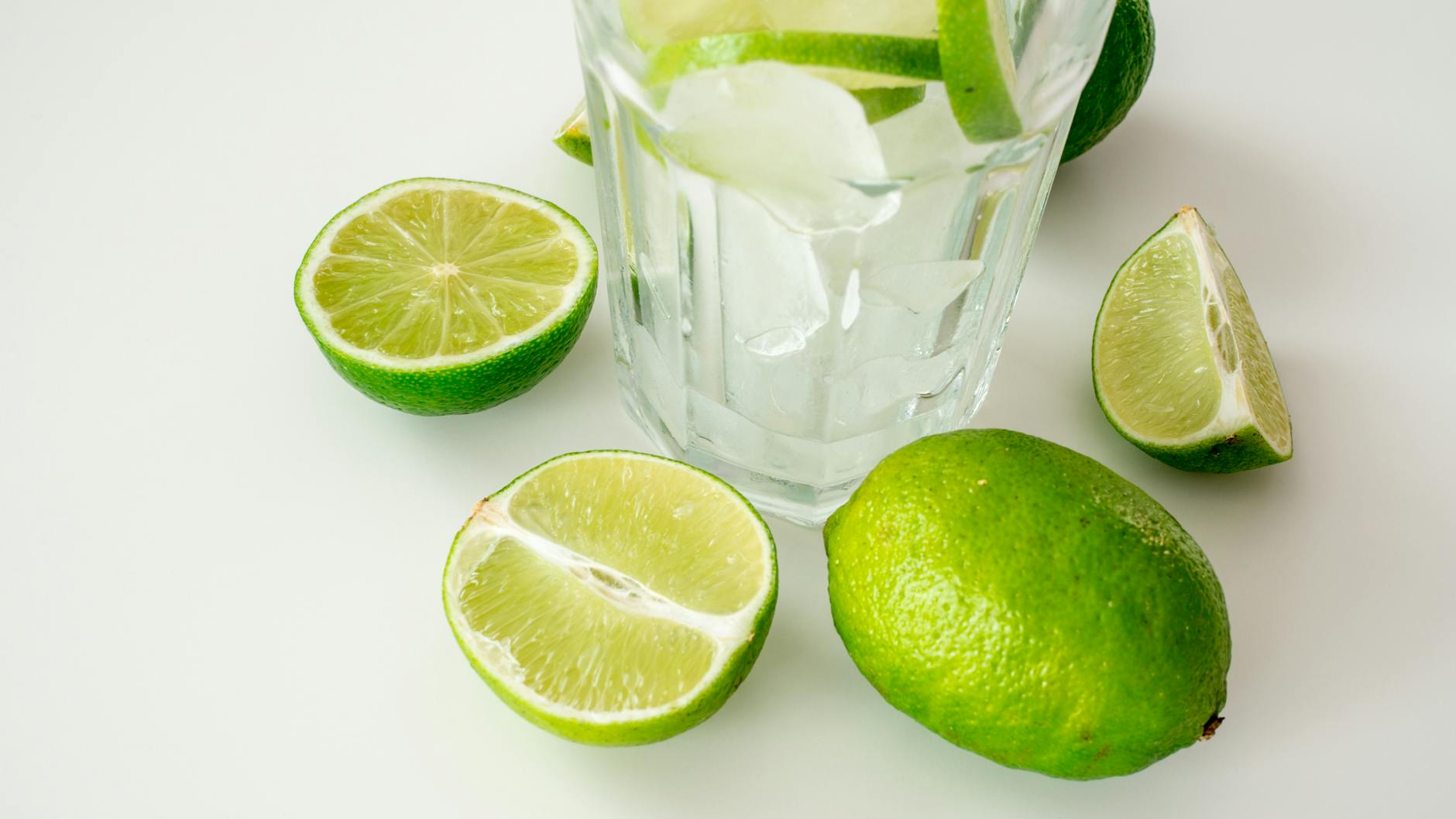
Infusing your water with lemon, cucumber, or mint can make it more appealing and add a little extra zing. Herbal teas, like dandelion or peppermint, can also offer gentle support for your liver and digestive system.
The Role of Fiber
Fiber is your digestive system's best friend. It adds bulk to your stool, helping to move waste out of your body more quickly. This prevents waste from sitting in your colon and potentially being reabsorbed. Whole grains, legumes, fruits, and vegetables are excellent sources.

A Gentle Detox Diet Plan for Real People
If you're looking for a more structured approach, think of a "detox diet plan" not as a short-term shock to your system, but as a week or two of eating exceptionally clean to give your body a break and reset your habits. This is about nurturing your body, not punishing it.
Week 1: Laying the Groundwork
For the first week, focus on eliminating major offenders. This means saying goodbye to refined sugars, processed foods, alcohol, caffeine (or significantly reducing it), and dairy. Instead, load up on leafy greens, cruciferous vegetables, berries, lean protein like fish and chicken, and healthy fats like avocado and nuts.
Morning Routine Reset
Start your day with a large glass of warm water with lemon. This can help kickstart your digestion. Follow this with a breakfast rich in fiber and protein, like a smoothie made with spinach, berries, and a scoop of plant-based protein powder, or scrambled eggs with a side of avocado.
Lunch and Dinner Focus
For lunch, a large salad with grilled chicken or salmon, packed with diverse veggies and a light vinaigrette, is ideal. Dinners should be similar: lean protein with a generous portion of steamed or roasted vegetables. Think broccoli, asparagus, or sweet potatoes.
Week 2: Deepening the Cleanse
In the second week, you can continue with the Week 1 principles, perhaps introducing some gentle additions like fermented foods for gut health or experimenting with juicing for detox in moderation.
Incorporating Probiotics
A healthy gut is essential for effective detoxification. Introduce foods like sauerkraut, kimchi, or plain yogurt (if you tolerate dairy well) to support your gut microbiome. You can also consider a quality probiotic supplement, especially if you're looking to boost your immunity this season.
Mindful Juicing
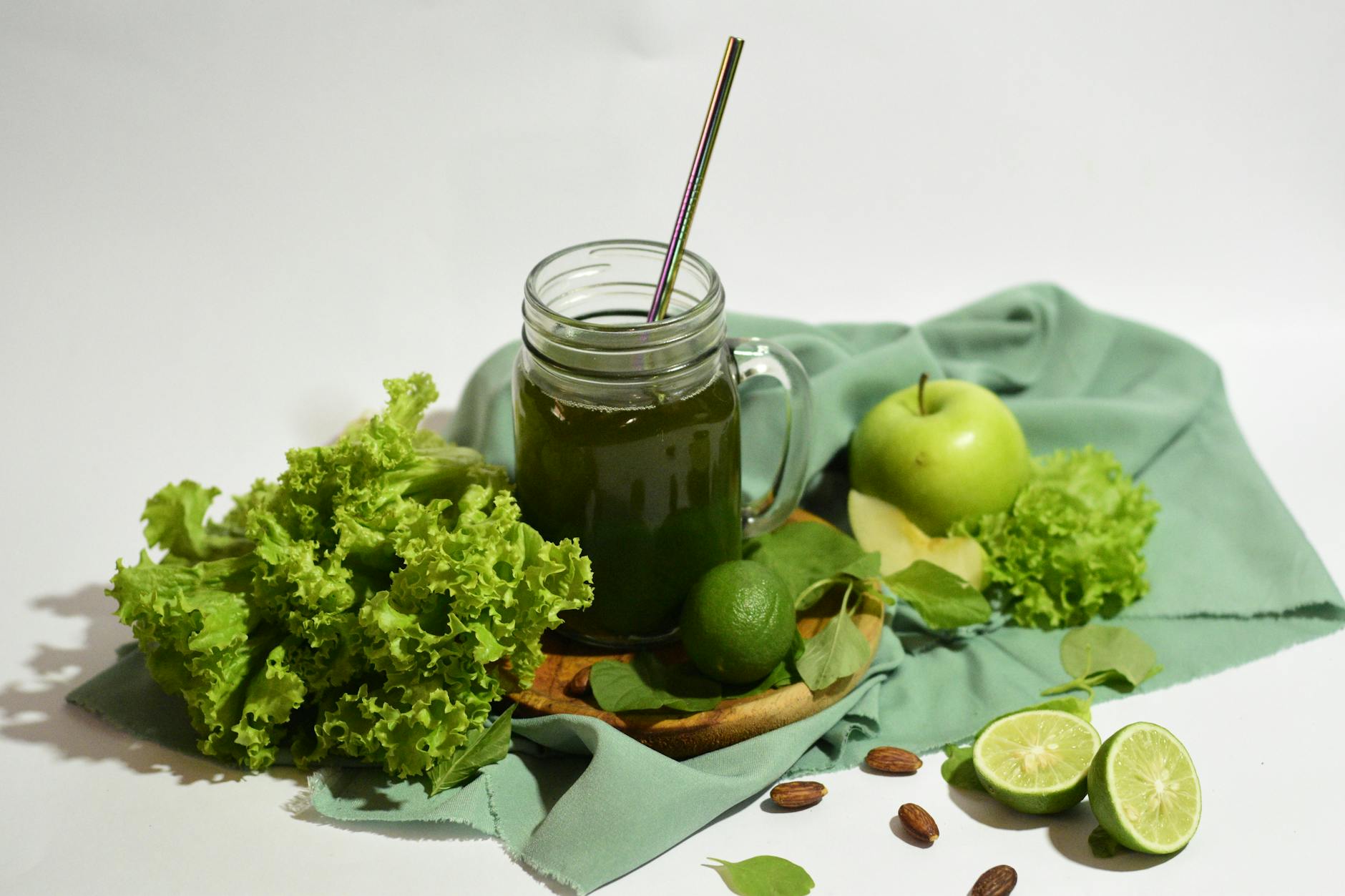
While not a meal replacement, a fresh green juice can be a great way to get a concentrated dose of nutrients. Think spinach, kale, cucumber, celery, and a touch of apple or ginger for sweetness and flavor. Remember, whole fruits and vegetables are generally better due to their fiber content, but juices can be a helpful supplement.
Listen to Your Body
Throughout this period, pay close attention to how you feel. If you experience headaches or fatigue, it might be a sign you're cutting back too drastically on caffeine or sugar. Adjust as needed. This isn't about suffering; it's about feeling better.
Beyond Diet: Lifestyle Factors for Detoxification
Detoxing isn't just about what you eat; it's about how you live. Your daily habits play a massive role in your body's ability to cleanse itself.
The Importance of Sleep
When you sleep, your body is busy repairing and regenerating. Crucial detoxification processes, particularly in the brain and liver, happen most effectively during deep sleep. Aim for 7-9 hours of quality sleep per night. Poor sleep can significantly hinder your body's ability to detoxify.
Creating a Sleep Sanctuary
Make your bedroom dark, quiet, and cool. Avoid screens for at least an hour before bed. Establishing a consistent sleep schedule, even on weekends, can make a huge difference.
Movement and Exercise
Regular physical activity helps boost circulation, which in turn aids in the transport of nutrients and the removal of waste products. Sweating through exercise also helps your body eliminate toxins through the skin. It doesn't have to be intense; a brisk walk can be incredibly beneficial.
Finding Your Flow
Whether it's yoga, swimming, dancing, or hiking, find an activity you enjoy. This makes it something you'll stick with. For instance, I used to think I had to do intense gym workouts, but discovering trail running helped me connect with nature and actually look forward to exercising. It’s a form of moving meditation that also aids natural energy boosts.
Stress Management
Chronic stress can wreak havoc on your body, including your detoxification systems. When you're stressed, your body releases cortisol, which can interfere with healthy bodily functions. Finding ways to manage stress is therefore a vital part of any how to detox strategy.
Mindfulness and Breathwork
Simple practices like deep breathing exercises, meditation, or spending time in nature can significantly reduce stress levels. Even 10 minutes a day can make a difference. This is especially relevant as the seasons change and some people experience shifts in mood.
The Role of Your Liver and Kidneys
Your liver and kidneys are the primary organs involved in filtering your blood and eliminating waste. Supporting their function is key to any effective detox effort. This is where liver cleanse and general body detox cleanse strategies are most impactful.
Nourishing Your Liver
Your liver performs hundreds of vital functions, including processing toxins. Foods rich in antioxidants, like berries, leafy greens, and cruciferous vegetables, help protect liver cells. Certain herbs, such as milk thistle and dandelion root, have been traditionally used to support liver health, though it's always wise to consult a healthcare professional before using them, especially if you have underlying conditions. Research from institutions like the Harvard Health often highlights the importance of diet in liver health.
Supporting Kidney Function
Your kidneys act as your body's filters, removing waste and excess fluid from your blood. Staying well-hydrated is paramount for kidney function. Limiting salt and processed foods also helps reduce the burden on your kidneys.
When to Seek Professional Help
If you have concerns about your liver or kidney health, or if you're considering a more intensive detox approach, it's always best to talk to your doctor. They can provide personalized advice and ensure any detox plan is safe and appropriate for you. Resources like the Mayo Clinic offer reliable information on organ health.
Common Pitfalls to Avoid
When you're trying to figure out how to detox, it's easy to fall into common traps that can do more harm than good.
Extreme Calorie Restriction
As mentioned, drastically cutting calories can slow your metabolism and deprive your body of essential nutrients. It's counterproductive to long-term health and can lead to nutrient deficiencies. Your body needs fuel to detoxify effectively.
Relying Solely on Supplements
While some supplements can be supportive, they are not a magic bullet. The foundation of any effective detox is a whole-foods diet and healthy lifestyle. Supplements should complement, not replace, these fundamental practices. Be wary of products promising unrealistic results.
The "All-or-Nothing" Mentality
It's easy to get discouraged if you slip up. Remember, perfection isn't the goal. Making consistent, small improvements over time is far more effective than trying to be perfect for a short period and then reverting to old habits. This is about progress, not perfection.
Making it Last: Sustainable Habits
The real success in asking how to detox lies in integrating these principles into your everyday life. Think of it as a continuous journey of self-care, not a one-time event. This is how you achieve lasting results and foster genuine digestive health and overall well-being.
Gradual Changes for Long-Term Success
Instead of overhauling your entire life overnight, introduce changes gradually. Swap one processed snack for a piece of fruit. Add an extra serving of vegetables to your dinner. Drink an extra glass of water. Small, consistent steps lead to significant, lasting transformation. This approach also aligns with strategies for managing things like spring allergy relief or general immunity.
The Alkaline Diet Connection
While the concept of "alkalizing" the body is debated, focusing on an alkaline diet – rich in fruits, vegetables, nuts, and seeds – naturally aligns with many detox principles. These foods are nutrient-dense and help reduce the overall inflammatory load on your system, supporting processes related to toxin removal.
Listen to Your Body's Cues
Your body sends you signals all the time. Learn to recognize them. Are you feeling sluggish? Low on energy? Having digestive issues? These are clues that your body might need a little extra support. Responding to these cues is a powerful way to reset your body naturally.
Ultimately, figuring out how to detox is about making conscious choices that honor your body's incredible ability to heal and regenerate. It’s about supporting your natural systems with good food, clean water, adequate sleep, and mindful movement. Forget the quick fixes and the miracle cures. Invest in your health for the long haul, and you'll be amazed at how good you can feel. The World Health Organization also provides extensive resources on factors influencing health, which can indirectly inform approaches to supporting the body's natural functions, highlighting the importance of environmental and lifestyle factors in overall well-being, as can World Health Organization research on how to detox.