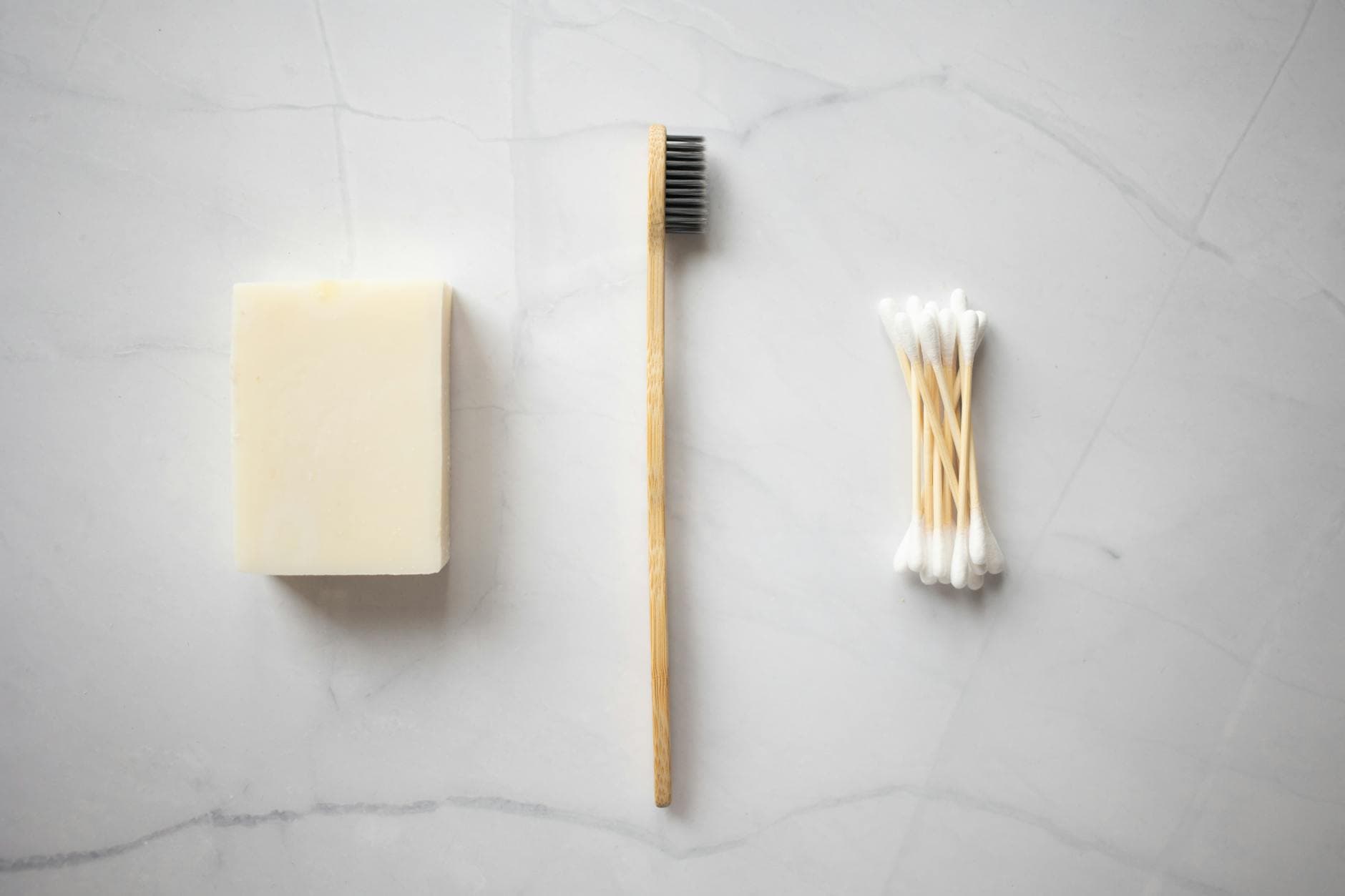
The Astonishing Truth About Personal Hygiene Tips
There's a common belief that personal hygiene is just about smelling nice and looking presentable. Honestly, I used to think that too. It's like we're taught the basics as kids – wash your hands, brush your teeth – and then we assume we've mastered it. But here's the thing: personal hygiene tips are so much more than a superficial aesthetic. They are the frontline defense for your entire well-being, a powerful, often-underestimated tool against a world teeming with invisible threats. I’ve recently been diving deep into the science and the simple, everyday practices that can radically transform our health, and it’s truly fascinating how much impact these seemingly small actions have.
Unveiling the Power of Cleanliness
Think about the last time you felt truly unwell. Chances are, a simple lapse in your daily hygiene routine might have played a role. It's not just about avoiding the sniffles; it's about building a robust internal environment that can fight off infections and keep you feeling energetic and vibrant. The importance of hygiene is often discussed, but the depth of its impact is rarely appreciated.
The Myth of "Good Enough" Hygiene
We often settle for "good enough." We might shower every few days, brush our teeth for a minute, and call it a day. But what if that's leaving us more vulnerable than we realize? This isn't about guilt-tripping anyone; it's about empowerment. Understanding the 'why' behind these practices makes them feel less like chores and more like essential self-care rituals. The world of personal hygiene tips is vast, and there's always something new to learn or refine.
Mastering the Art of Handwashing: Your First Line of Defense
Let's get straight to the point: handwashing is, without a doubt, the single most effective personal hygiene tip you can adopt. It sounds almost too simple, right? Yet, the science behind it is incredibly compelling. Every surface we touch, every person we interact with, can transfer microscopic organisms. Without proper handwashing, we're essentially inviting these unwelcome guests into our bodies, setting the stage for illness. The handwashing benefits are so profound they’re hard to overstate.
The Germ Connection
Did you know that the average smartphone screen can harbor more bacteria than a toilet seat? It’s a startling statistic that highlights just how easily germs can spread. These microscopic invaders, invisible to the naked eye, are responsible for a vast array of illnesses, from the common cold and flu to more serious infections. Understanding the link between germs and disease is the first step to taking control.
The "How-To" That Actually Works
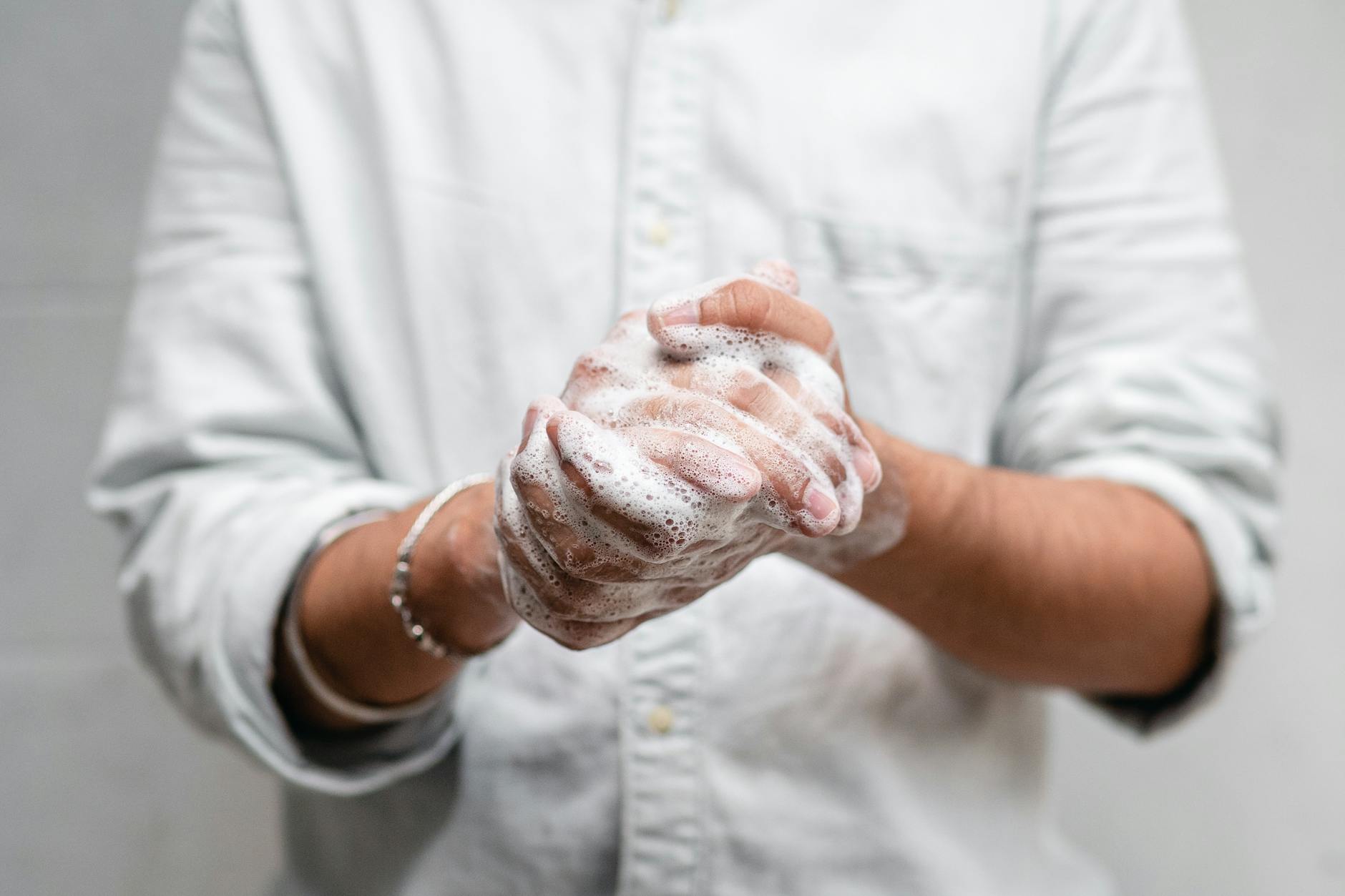
It's not just about a quick rinse. For maximum effectiveness, use warm water and soap, lathering for at least 20 seconds – that's about the length of singing "Happy Birthday" twice. Make sure to scrub all surfaces: palms, backs of hands, between fingers, and under fingernails. Rinse thoroughly and dry with a clean towel or air dryer. This simple act, when done correctly, significantly reduces the transmission of pathogens. This is a cornerstone of any comprehensive set of personal hygiene tips.
When to Wash: More Than Just Before Meals
Beyond the obvious times like after using the restroom or before eating, consider washing your hands after touching public surfaces like doorknobs, public transport railings, or even after petting an animal. If you've been sneezing or coughing, washing your hands is crucial to prevent spreading your germs. If you're experiencing seasonal discomfort, understanding Spring Allergy Causes: Symptoms & Prevention Tips can also be key, but clean hands remain your steadfast ally.

Oral Hygiene: A Gateway to Overall Health
Your mouth is a complex ecosystem, and maintaining its health is critical for more than just a bright smile. Poor oral hygiene can lead to a cascade of problems, from cavities and gum disease to potentially more serious systemic issues. The connection between oral health and overall well-being is a topic that continually fascinates me.
The Pillars of a Healthy Mouth
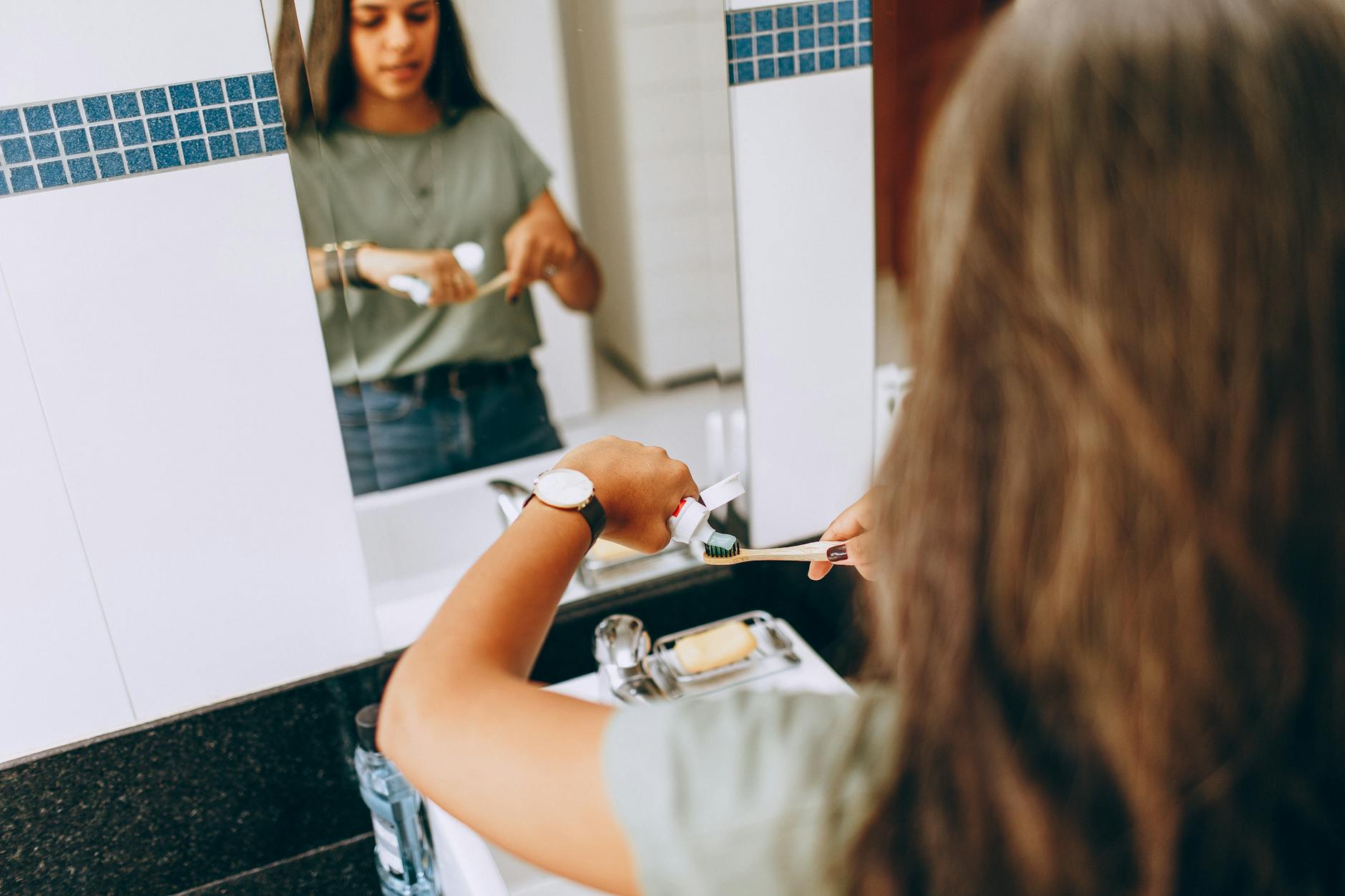
The foundation of good oral hygiene rests on a few key practices. Brushing twice a day with fluoride toothpaste is non-negotiable. Aim for at least two minutes each session, ensuring you reach all surfaces of your teeth and along the gum line. This mechanical action removes plaque, the sticky film of bacteria that causes decay.
Beyond Brushing: The Unsung Heroes
Flossing daily is just as vital as brushing. It cleans the tight spaces between teeth that your toothbrush can't reach, where food particles and plaque love to hide. Don't skip this step! Mouthwash can be a beneficial addition, but it's not a substitute for brushing and flossing. It can help kill bacteria and freshen breath, but its true value lies in complementing your primary cleaning efforts.
When to Seek Professional Help
Regular dental check-ups, typically every six months, are essential. Your dentist can spot problems early, offer professional cleanings, and provide personalized advice. Don't wait until you have a toothache; prevention is always better than cure. These are critical personal hygiene tips that many overlook.
Body Odor Prevention: More Than Just Deodorant
Let’s be honest, body odor is something most of us are concerned about. It can impact our confidence and social interactions. While deodorants and antiperspirants are common solutions, true body odor prevention goes deeper, involving consistent cleanliness and understanding how our bodies work.
The Daily Shower Ritual
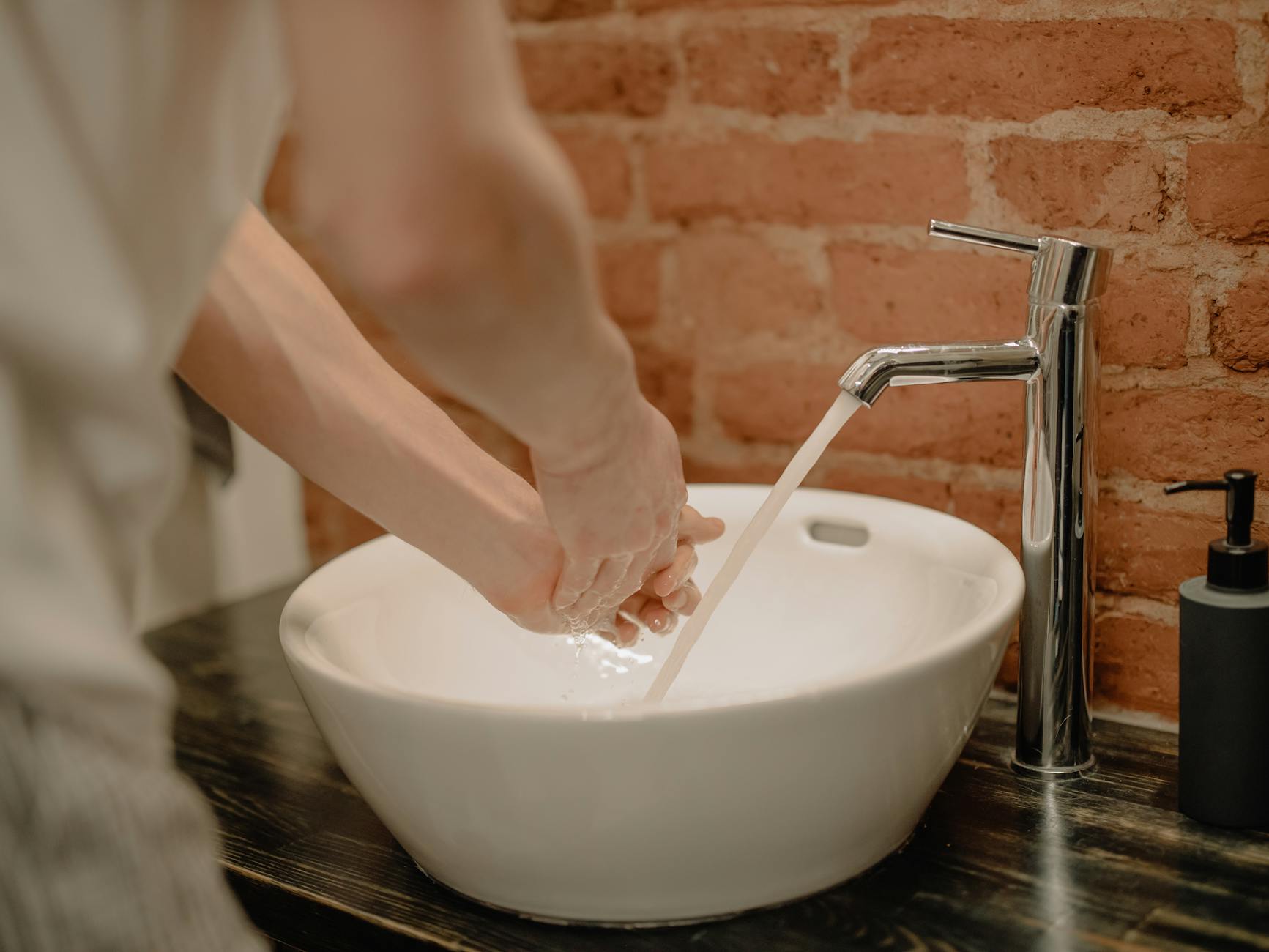
A daily shower is fundamental for managing body odor. Using a mild soap or body wash helps remove sweat, bacteria, and dead skin cells that can contribute to unpleasant smells. Pay special attention to areas prone to sweating, such as the underarms, groin, and feet. Don't overdo it with harsh soaps, though, as they can strip your skin of its natural oils, leading to irritation.
Understanding Sweat and Bacteria
Sweat itself is largely odorless. It's the bacteria on your skin that break down the sweat, producing the characteristic smell. Keeping your skin clean is therefore paramount. For those who experience excessive sweating, known as hyperhidrosis, consulting a doctor is a good idea, as there are medical treatments available.
Clothing Choices Matter
The fabrics you wear can also play a role. Natural fibers like cotton and linen are breathable and allow sweat to evaporate more easily, helping to reduce odor. Synthetic materials can trap moisture, creating a breeding ground for bacteria. Regularly washing your clothes, especially workout gear, is also a simple yet effective step in body odor prevention.
Skin Care Hygiene: Nurturing Your Largest Organ
Your skin is your body's first line of defense against the environment, and its health is intrinsically linked to your overall well-being. Proper skin care hygiene isn't just about vanity; it's about maintaining the integrity of this vital organ.
Cleansing and Moisturizing: The Dynamic Duo
Washing your face twice a day with a gentle cleanser is a cornerstone of skin care hygiene. This removes dirt, oil, and pollutants that can clog pores and lead to breakouts. After cleansing, applying a moisturizer helps to keep your skin hydrated and supple. This is particularly important in drier climates or during seasons when the air is less humid. If you're prone to seasonal sniffles, you might find relief by understanding Spring Allergy Triggers: Find Relief Now!, but healthy skin is always a good starting point.
Sun Protection: A Non-Negotiable
Sunscreen is not just for beach days; it's a daily necessity. Ultraviolet (UV) radiation from the sun can cause premature aging, dark spots, and, most importantly, skin cancer. Applying a broad-spectrum sunscreen with an SPF of 30 or higher every morning, even on cloudy days, is one of the most impactful personal hygiene tips for long-term skin health.
Exfoliation: The Gentle Renewal
Periodically exfoliating your skin helps to remove dead skin cells, revealing brighter, smoother skin underneath. This can be done through physical scrubs or chemical exfoliants. However, it's crucial not to over-exfoliate, as this can damage your skin barrier. Once or twice a week is usually sufficient for most people.
Hair Washing Frequency: Finding Your Personal Balance
The question of how often to wash your hair is a common one, and the answer isn't one-size-fits-all. It depends on your hair type, lifestyle, and scalp condition. Over-washing can strip natural oils, leading to dryness and irritation, while under-washing can lead to buildup and scalp issues.
Understanding Your Scalp and Hair Type
Oily hair might require more frequent washing, perhaps daily or every other day. Dry or coarse hair, on the other hand, may benefit from washing only once or twice a week to preserve natural moisture. Consider your environment too; if you live in a very humid or polluted area, you might need to wash more often. This is an area where personal hygiene tips can feel very individualized.
The Role of Products
The shampoos and conditioners you use also make a difference. Harsh detergents can strip hair, while moisturizing formulas can help protect it. If you use a lot of styling products, you might need to wash more frequently to remove buildup. Exploring different product lines can help you discover what works best for your specific needs.
Signs You Might Be Washing Too Much or Too Little
If your scalp is constantly itchy, flaky, or irritated, you might be over-washing or using the wrong products. If your hair looks greasy, feels heavy, or develops an odor shortly after washing, you might not be washing it enough. Listen to your body and adjust your routine accordingly.
Cultivating Healthy Habits for Lifelong Well-being
Ultimately, personal hygiene tips are just one facet of a larger commitment to healthy habits. They are the building blocks upon which a robust and resilient body is built. It’s about making conscious choices every day that support your physical and mental health.
The Mind-Body Connection
It's astonishing how interconnected our physical and mental states are. When you feel clean and well-cared for, your mood often lifts. This positive feedback loop encourages you to maintain those good habits. For instance, something as simple as feeling refreshed after a shower can have a ripple effect on your entire day. And if you're struggling with seasonal blues, exploring the benefits of Vitamin D Mood Boost: Spring Sunshine Benefits might be a worthwhile endeavor.
Consistency is Key
The real magic of personal hygiene tips lies in consistency. Doing something sporadically won't yield the same results as making it a regular part of your routine. Think of it like building muscle; you wouldn't expect results from one gym session. It’s the daily commitment that makes the difference.
Beyond the Obvious: Gut Health and Hygiene
Even your gut health is influenced by your overall hygiene practices. A healthy gut microbiome is crucial for immunity and digestion. While not directly a "washing" tip, maintaining good hygiene reduces the load of harmful bacteria that could disrupt your gut balance. Research increasingly highlights the importance of Gut Health Allergies: Boost Your Body's Defenses Naturally, and a clean internal system supports this.
A Continuous Journey
This isn't about achieving some mythical state of perfect cleanliness. It's about a continuous journey of self-care and awareness. The world of health is always evolving, and so are our understanding of what it means to be truly well. The importance of hygiene is a timeless principle, but the ways we apply it can be refined. I’ll be real with you, the more I learn, the more I realize how much power we have over our own well-being through these fundamental practices. The Mayo Clinic research on personal hygiene tips, for example, offers a wealth of evidence-based insights, and the National Institutes of Health research on personal hygiene tips provides even deeper scientific understanding. The World Health Organization research on personal hygiene tips also offers global perspectives on best practices. Embrace these personal hygiene tips, and you're not just cleaning your body; you're investing in your future health.