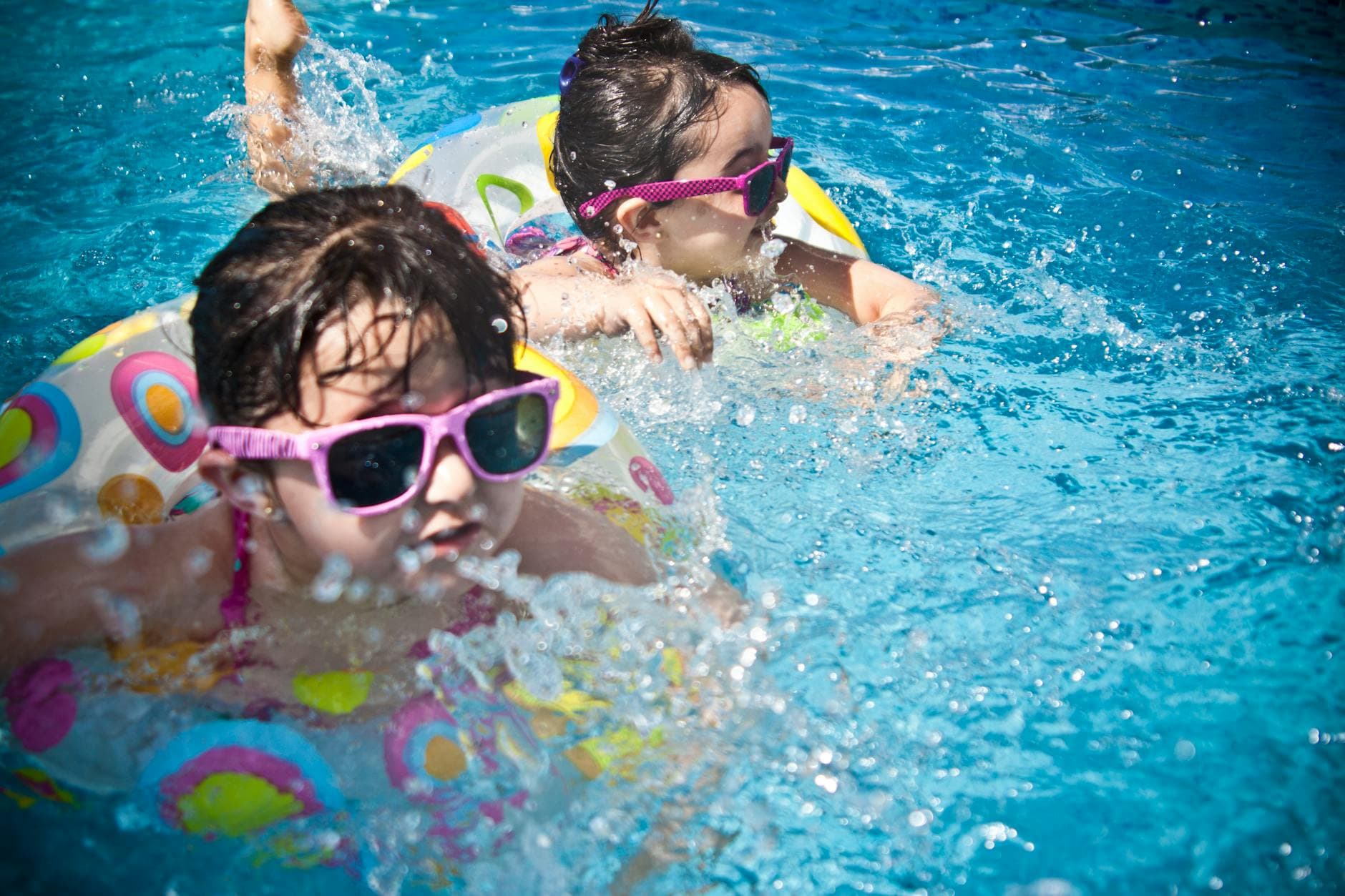
The Truth About Swimming and Kids: Busting the Myths
You've probably heard that swimming is just a fun way for kids to burn off energy, right? While that's true, it's a massive understatement. The actual swimming benefits for children are far more profound, touching nearly every aspect of their development. It's not just about splashing around; it's a comprehensive workout for their bodies and minds. I'm here to tell you that the advantages of swimming for kids go way beyond a simple fun activity.
The Common Misconception
A lot of parents think of swimming as a summer activity or a recreational pastime. They might believe it's good for fitness, but they often underestimate the depth of its positive impact. This limited view misses out on the incredible benefits.
Setting the Record Straight
Swimming is a powerful tool for overall health and well-being. It's a fantastic form of exercise, and it's also a life skill that provides a foundation for a healthy and active lifestyle. The truth is, the more you understand the true scope of swimming benefits for children, the more you'll want to get your kids in the water.
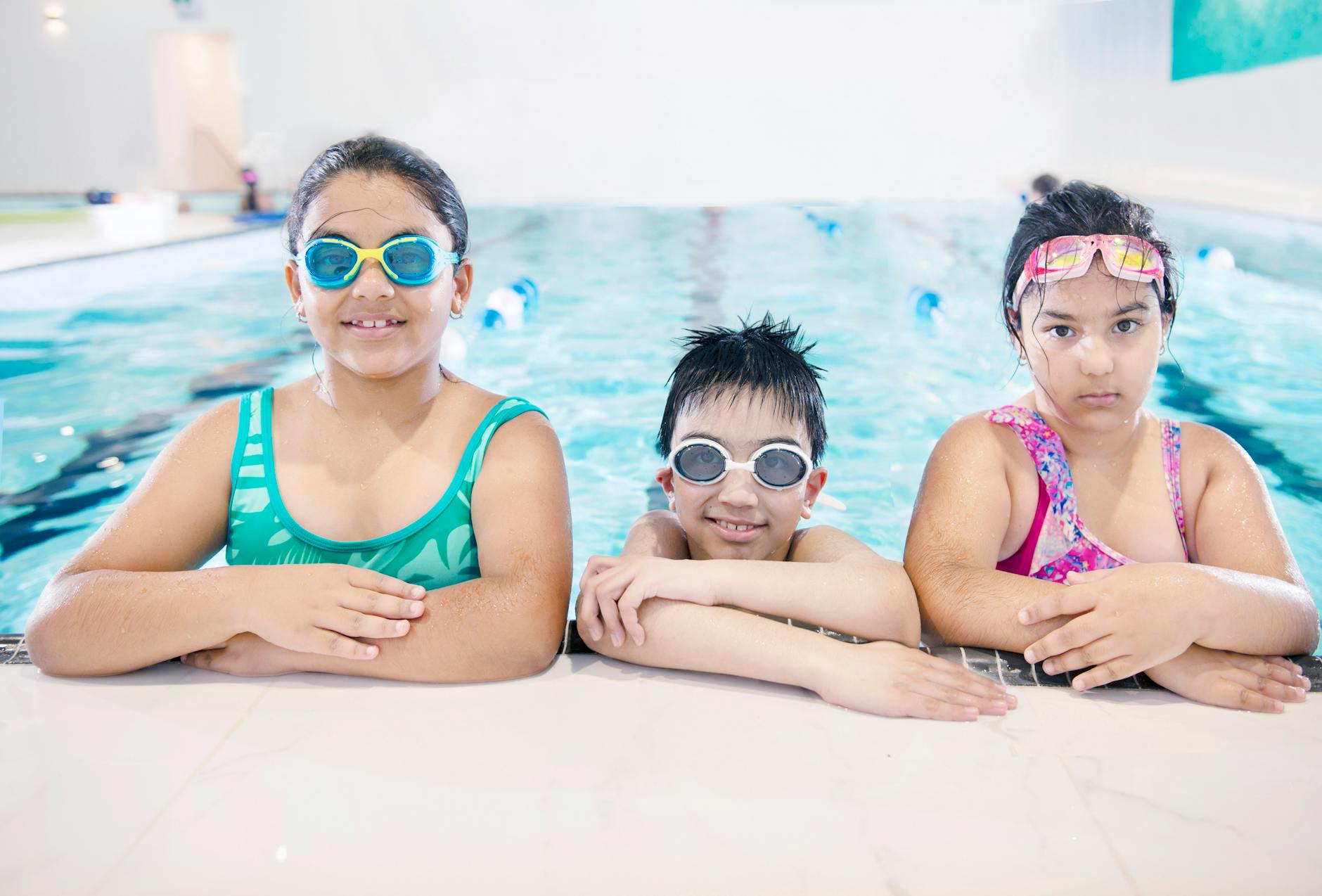
Unpacking the Physical Advantages of Swimming
Let's dive into the tangible ways swimming helps kids physically. These advantages are significant and can set the stage for a healthier life.
Building Muscle Strength and Endurance
Swimming is a full-body workout. It uses nearly every muscle group, unlike many other sports. Think about it: they're kicking, pulling, and rotating, all while maintaining balance. This constant movement builds muscle strength and endurance. Regular swimming sessions can lead to significant improvements in overall physical fitness.
Boosting Cardiovascular Health
Swimming is a fantastic cardiovascular exercise, benefiting the heart and lungs. It increases heart rate and improves circulation, strengthening the heart muscle. This can lower the risk of cardiovascular issues later in life. Studies from the Mayo Clinic research on swimming benefits for children have highlighted the positive effects of regular swimming on heart health.
Enhancing Bone Density
While not as impactful as weight-bearing exercises, swimming still contributes to bone health. The impact of water, combined with the movements involved, can stimulate bone growth. This is particularly important during childhood, a critical period for bone development.
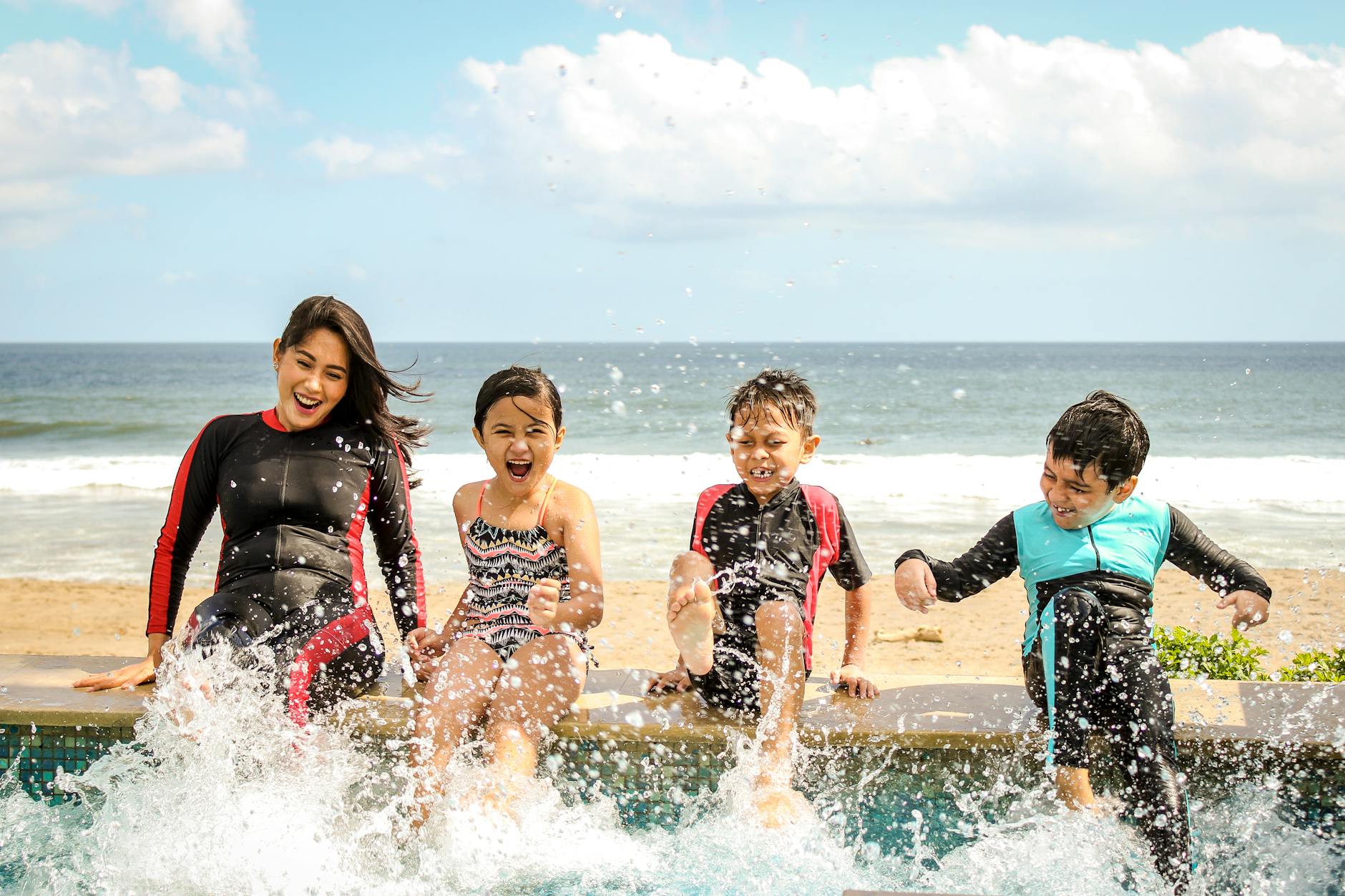
Beyond the Body: Mental and Emotional Benefits
The advantages of swimming for kids extend far beyond the physical realm. It significantly impacts their mental and emotional well-being.
Improving Cognitive Function
Swimming helps improve cognitive function. The coordination required for swimming, the need to focus on technique, and the constant mental engagement all contribute to better brain function. This can lead to improved concentration and memory.
Reducing Stress and Anxiety
Swimming is a fantastic stress reliever. The rhythmic movements and the feeling of weightlessness in the water can be incredibly calming. It's a great way for kids to unwind and reduce anxiety. Think about the last time you were in the water; there's a certain peacefulness that comes with it.
Boosting Confidence and Self-Esteem
Learning to swim and improving skills in the water is a huge confidence booster for kids. Achieving milestones, like swimming a certain distance or mastering a new stroke, provides a sense of accomplishment. This can translate into greater self-esteem in other areas of their lives.

The Crucial Importance of Water Safety
One of the most important aspects of swimming is water safety. It's more than just a sport; it's a life skill.
Learning to Swim: A Life-Saving Skill
Teaching children to swim is arguably the most critical swimming benefit for children. Drowning is a leading cause of accidental death for children, and knowing how to swim significantly reduces this risk. The World Health Organization research on swimming benefits for children emphasizes the importance of swimming lessons for kids.
Understanding Water Safety Rules
Swimming lessons teach not only how to swim but also essential water safety rules. These include understanding the dangers of open water, the importance of supervision, and how to react in emergency situations. This knowledge is invaluable.
Developing Respect for the Water
Swimming lessons instill respect for the water. Children learn to appreciate its power and to understand the importance of responsible behavior around water. This respect is crucial for their safety and well-being.
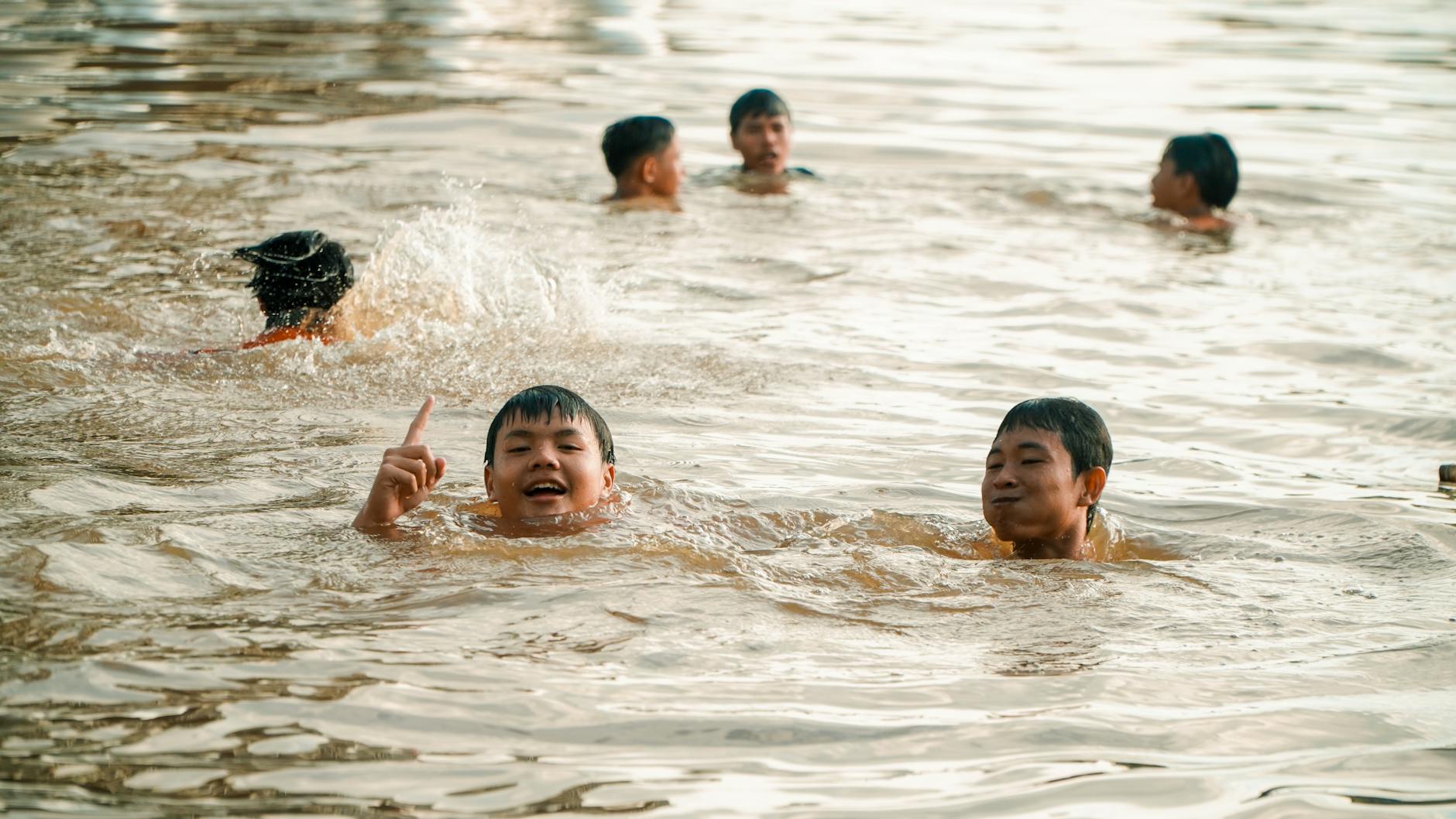
Swimming and Childhood Development: A Comprehensive Approach
Swimming isn't just a sport; it's a holistic activity that contributes to all aspects of a child's development.
Fostering Gross Motor Skills
Swimming is excellent for developing gross motor skills. The coordinated movements required for swimming, like kicking, stroking, and breathing, help improve coordination, balance, and overall motor skills.
Enhancing Social Skills
Swimming lessons often involve group activities, providing opportunities for kids to interact with their peers. This helps develop social skills, teamwork, and communication abilities. They learn to share, take turns, and support each other.
Promoting Overall Physical Activity
Swimming encourages regular physical activity, which is crucial for children's health. It combats sedentary lifestyles and contributes to maintaining a healthy weight. This is particularly relevant in today's world, where children spend a lot of time indoors.
An Unexpected Angle: Swimming and Sensory Processing
Here's a perspective you might not have considered: swimming can be incredibly beneficial for children with sensory processing challenges.
The Calming Effect of Water
For kids who are easily overwhelmed by sensory input, the water can be a soothing environment. The gentle pressure of the water, the rhythmic movements, and the reduced external stimuli can be calming and help them regulate their sensory systems.
Improved Body Awareness
Swimming helps children with sensory processing issues develop a better understanding of their bodies in space. The water provides proprioceptive input, which helps them become more aware of their movements and body position.
Increased Confidence and Independence
Learning to swim and mastering skills in the water can be a significant achievement for children with sensory challenges. It can boost their confidence and give them a sense of independence and control. I've seen firsthand how much this can help.
Getting Started with Swimming: Practical Tips
Ready to get your kids in the water? Here are some practical tips to help you get started.
Choosing the Right Swimming Lessons
Look for certified instructors and age-appropriate classes. Consider the class size and the instructor's experience. Make sure the environment is safe and welcoming.
Making Swimming Fun
Keep it enjoyable! Use games, toys, and positive reinforcement to keep kids engaged and motivated. Celebrate their achievements and encourage them to have fun.
Ensuring Safety at All Times
Always supervise children around water, regardless of their swimming abilities. Use appropriate safety equipment, such as life jackets, and follow all pool rules. Never leave a child unattended near water.
Final Thoughts: Embracing the Power of Water
The swimming benefits for children are undeniable, encompassing physical, mental, and emotional well-being. From building muscle strength to boosting confidence and developing crucial life skills, swimming offers a wealth of advantages. You've probably noticed that kids who swim are generally happier and healthier.
So, get your kids in the water! Encourage them to learn to swim and embrace the power of this incredible activity. It's an investment in their health, happiness, and future. You won't regret it.