
The Journey to Vibrant Senior Years
I was at my grandmother's 80th birthday party last year, and honestly, the energy in that room was incredible. There was music, laughter, and a whole lot of dancing, and it struck me: this wasn't just a celebration of years; it was a testament to a life lived well. It made me think about all the things she'd done – the walks in the park, the home-cooked meals, the constant pursuit of learning. Seeing her, I realized that healthy aging wasn't some abstract concept; it was a tangible reality. And it's something we can all strive for. This is where we delve into some powerful healthy aging tips seniors can use to live fulfilling lives.
Fueling Your Body: Diet and Nutrition
Prioritizing Nutrient-Rich Foods
The food we eat plays a monumental role in how we age. It's not just about eating; it’s about eating *smart*. Think about it: you want foods packed with vitamins, minerals, and antioxidants to combat the effects of aging. Focus on colorful fruits and vegetables, lean proteins, and whole grains. Did you know that diets rich in these foods have been linked to a lower risk of chronic diseases? Look, I'm not saying you have to become a perfect eater overnight, but small changes can make a massive difference.
Understanding Portion Control and Hydration
Portion sizes become increasingly important as we age. Metabolism slows down, and our bodies don't require as many calories. Overeating can lead to weight gain, which can exacerbate several health issues. Pay attention to how much you're eating, and don’t be afraid to ask your doctor or a nutritionist for help. Staying hydrated is also crucial, because it supports nearly every bodily function. Carry a water bottle with you and sip throughout the day.
Dietary Considerations for Seniors
Here's the thing: as we get older, our nutritional needs change. For instance, many seniors need more vitamin D and calcium to maintain bone health. Some might need to increase their protein intake to preserve muscle mass. It is not always easy to get these things through food alone, so it’s worth discussing supplements with your doctor. They can assess your individual needs and guide you accordingly.

Staying Active: Exercise and Movement
The Importance of Regular Exercise
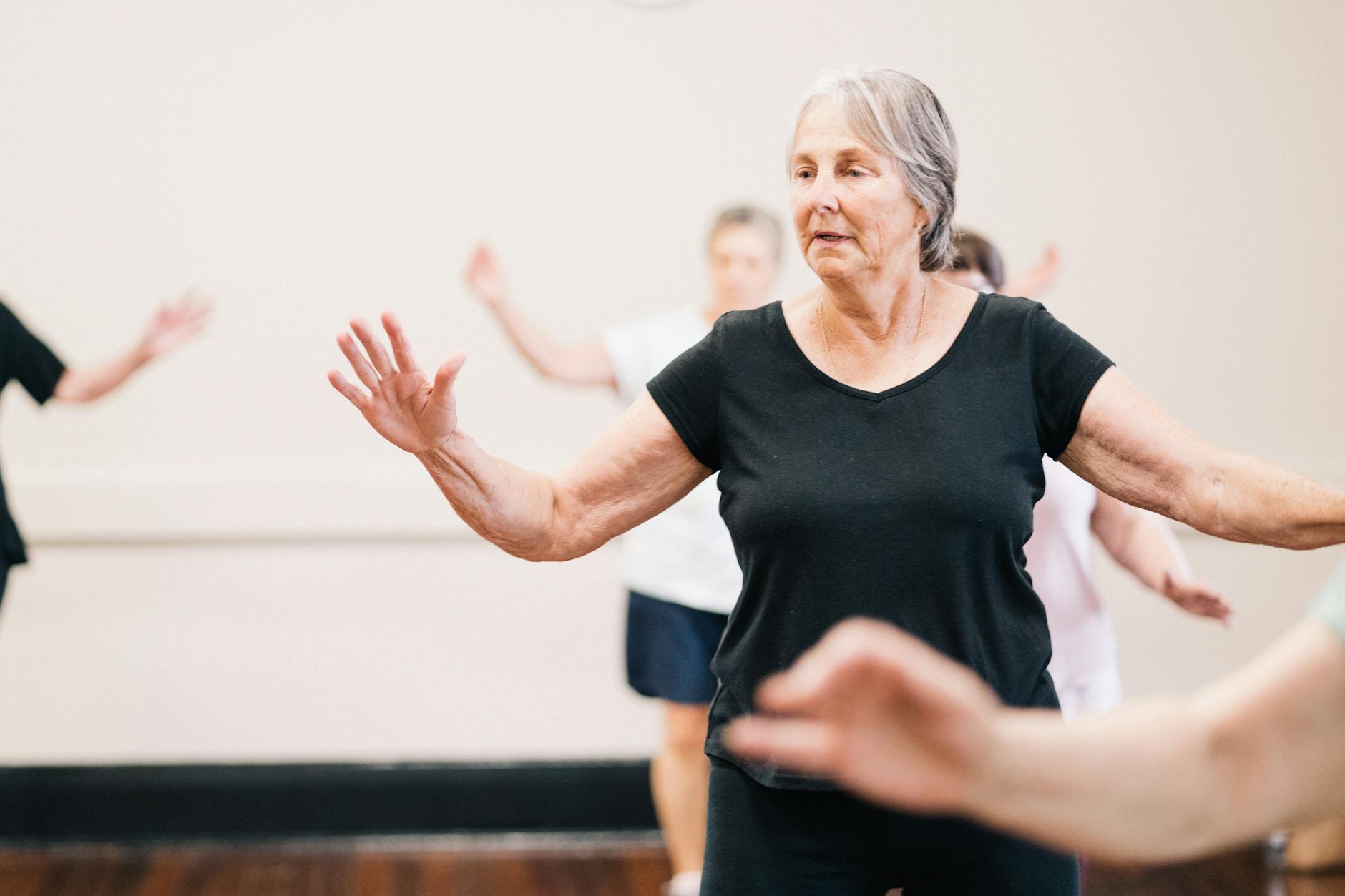
You might be wondering, "Why exercise, especially when I'm older?" The answer is simple: it's one of the most effective healthy aging tips seniors can adopt. Regular physical activity helps maintain muscle mass, improves balance, boosts mood, and reduces the risk of chronic diseases. It’s like a fountain of youth, really! Even something as simple as a daily walk can make a big difference.
Types of Exercise for Seniors
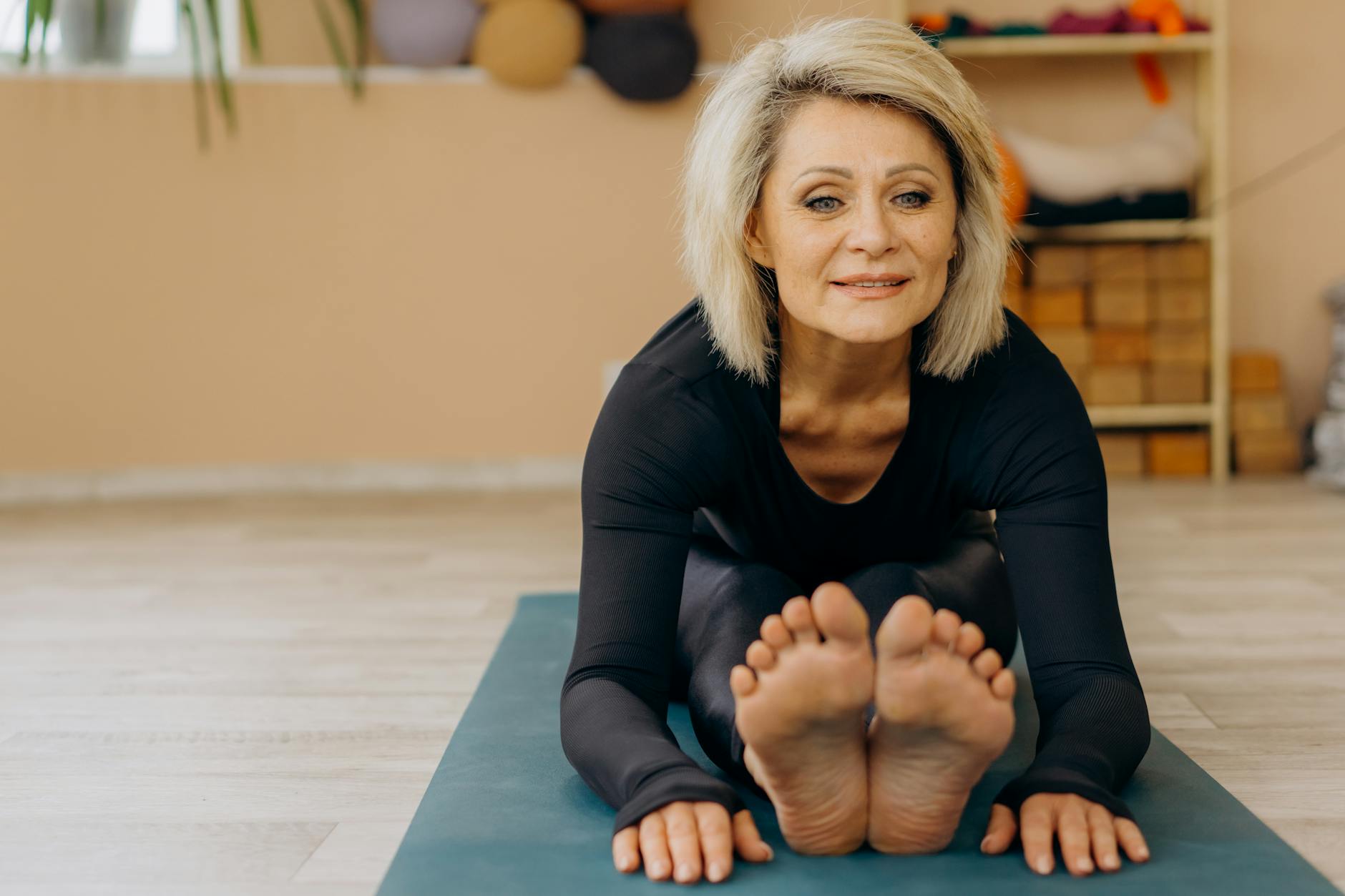
There are so many exercise options available, catering to different fitness levels and preferences. Walking, swimming like you might have done as a child, and cycling are all excellent choices for cardiovascular health. Strength training, using light weights or resistance bands, helps maintain muscle strength and bone density. Flexibility exercises, such as yoga or stretching, improve range of motion and reduce the risk of falls.
Creating a Sustainable Exercise Routine
The key to sticking with an exercise program is to find something you enjoy. If you hate running, don't force yourself to run! Find activities that bring you joy. Start slowly, gradually increasing the intensity and duration of your workouts. Consistency is more important than intensity, so aim for regular exercise most days of the week. Always consult with your doctor before starting a new exercise program.
Nurturing the Mind: Cognitive and Mental Health
Staying Mentally Sharp
Keeping your mind active is just as important as keeping your body active. Mental stimulation helps maintain cognitive function and can reduce the risk of cognitive decline. There are numerous ways to keep your mind engaged, from puzzles and board games to learning new skills. Think about the last time you learned something new – it's a great feeling!
The Role of Social Engagement
Humans are social creatures, and social interaction is crucial for mental well-being. Staying connected with friends, family, and your community can combat feelings of loneliness and isolation, which are common among seniors. Join clubs, volunteer, or simply make an effort to connect with loved ones regularly.
Seeking Support for Mental Health
Mental health is just as important as physical health. If you're struggling with depression, anxiety, or any other mental health issue, don't hesitate to seek help. Talk to your doctor, a therapist, or a counselor. There are resources available to support your mental well-being, and you don't have to go through it alone.
Protecting Your Body: Health and Safety
Preventing Falls
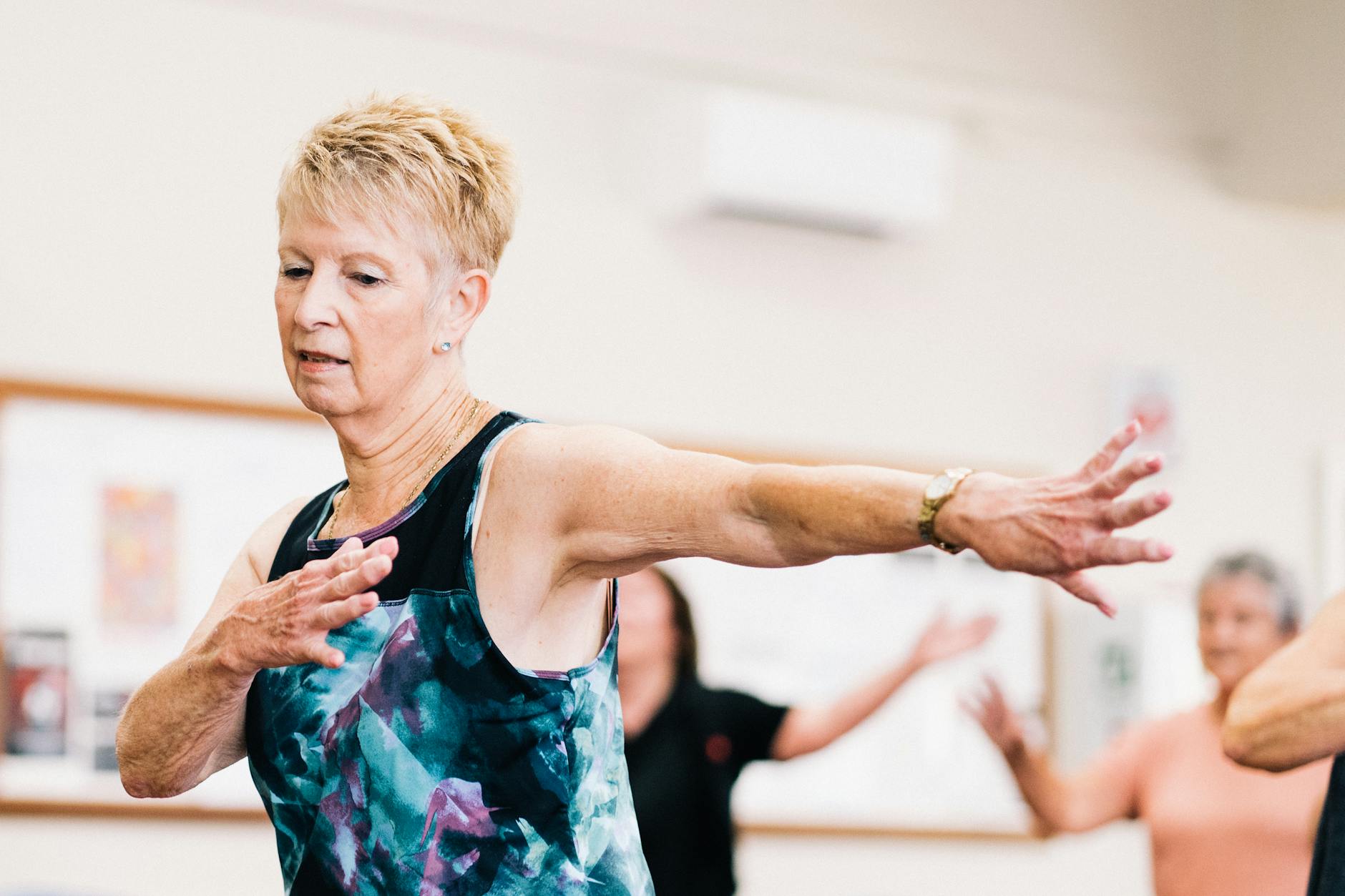
Falls are a significant concern for seniors, often leading to injuries and loss of independence. There are several steps you can take to reduce your risk of falling. Regular exercise, particularly balance and strength training, can improve your stability. Make sure your home is safe by removing tripping hazards, such as loose rugs and clutter. Adequate lighting and grab bars in the bathroom can also make a big difference.
Managing Chronic Diseases
Many seniors live with chronic conditions, such as diabetes, heart disease, or arthritis. Effective management of these conditions is crucial for maintaining a good quality of life. This includes taking medications as prescribed, following your doctor's recommendations, and attending regular check-ups. Educate yourself about your conditions and take an active role in your own care.
Regular Health Screenings and Check-ups
Preventive care is key to staying healthy as you age. Regular health screenings can detect potential problems early, when they're often more treatable. Make sure you get regular check-ups with your doctor, as well as screenings for conditions like cancer, heart disease, and osteoporosis.
Successful Aging Strategies: Putting it All Together
Creating a Personalized Plan
Everyone is different, and there's no one-size-fits-all approach to healthy aging. The best plan is one that's tailored to your individual needs, preferences, and goals. Consider your current health status, your lifestyle, and your interests when developing your plan. Consult with your doctor and other healthcare professionals to get personalized advice.
Embracing a Positive Mindset
Attitude plays a huge role in how we age. Cultivating a positive mindset can have a profound impact on your overall well-being. Focus on the things you can control, such as your diet, exercise, and social connections. Embrace new experiences and challenges. Remember, aging is a journey, not a destination.
Seeking Support and Building a Community
You don't have to navigate this journey alone. Build a strong support network of friends, family, and healthcare professionals. Consider joining a senior center or other community groups to connect with people who share your interests. Sharing experiences and supporting each other can make a world of difference.
Additional Considerations and Expert Insights
The Importance of Sleep
Sleep is often overlooked, but it's essential for both physical and mental health. Aim for 7-9 hours of quality sleep each night. Establish a regular sleep schedule, create a relaxing bedtime routine, and make sure your bedroom is dark, quiet, and cool.
The Role of Technology
Technology can play a significant role in helping seniors stay connected and informed. Learn to use technology to communicate with loved ones, access information, and manage your health. There are many user-friendly devices and apps designed specifically for seniors.
Staying Informed and Adapting to Change
The field of healthy aging is constantly evolving. Stay informed about the latest research and recommendations. Be prepared to adapt your plan as your needs change. The Centers for Disease Control and Prevention research on healthy aging tips seniors and the Mayo Clinic research on healthy aging tips seniors can provide valuable insights.
Final Thoughts: Your Vibrant Future
I've seen firsthand the power of these healthy aging tips seniors. It's not about avoiding aging; it's about embracing it with energy, purpose, and joy. It's about making conscious choices every day to support your physical, mental, and social well-being. It is about creating a life that is rich with experience, filled with connections, and bursting with possibilities. Now, go out there and live it! Remember, the best years of your life are yet to come. The National Institutes of Health research on healthy aging tips seniors can provide additional information.