The Truth About Upper Body Stretches
There’s a common misconception that stretching is just about touching your toes or looking like a pretzel. Honestly, that’s not it at all. For many, the idea of upper body stretches conjures up images of static holds that feel more like torture than relief. But here's the thing: effective upper body stretches are far more about restoring natural movement, releasing tension, and preventing injury than they are about extreme flexibility. If you’ve ever felt that tightness in your shoulders after a long day at the computer, or a dull ache between your shoulder blades, you’ve already experienced the need for proper mobility work. This isn't about becoming a contortionist; it's about reclaiming your body's freedom and function.
Why We Get Tight
Our modern lives are often the culprit. We sit for hours, hunched over desks or staring at screens. Our posture suffers, muscles become chronically shortened, and others get stretched out and weak. This imbalance is a breeding ground for stiffness and pain.
The Desk Job Dilemma
Spending eight hours a day (or more) in a seated position, often with poor ergonomics, can lead to a cascade of issues. Your chest muscles tighten, pulling your shoulders forward. Your upper back muscles get lengthened and weakened. Your neck muscles are constantly strained. It’s a recipe for discomfort.
Modern Movement Patterns
Even our leisure activities can contribute. Think about the repetitive motions of typing, scrolling, or driving. These aren't balanced movements that work your body in all planes. They reinforce the same patterns of tension and immobility.
The Real Benefits: Beyond the Bend
Forget the flexibility contests. The true power of upper body stretches lies in what they *do* for your daily life and long-term health. Improving upper body mobility is key to feeling and functioning better.
Easing Everyday Aches
This is perhaps the most immediate and impactful benefit. When you consistently incorporate upper body stretches into your routine, you’ll notice a significant reduction in that nagging stiffness. That tightness in your neck and shoulders? Gone. That feeling of being “stuck”? Dissipates.
Boosting Performance
Whether you’re an athlete or just someone who enjoys an active lifestyle, better range of motion exercises for your upper body are crucial. Think about throwing a ball, swinging a golf club, or even just lifting groceries. The more freely your shoulders and arms can move, the more efficiently and powerfully you can perform these actions. For athletes, this can mean the difference between peak performance and nagging injuries.
Preventing Injury
Tight muscles are prone to tears and strains. When your tissues are flexible and resilient, they can handle more stress. Regular stretching helps prepare your muscles for activity and aids in their recovery, making them less susceptible to injury. This is something I learned the hard way early in my fitness journey.
Dynamic vs. Static: Knowing the Difference
This is where a lot of people get confused. There are two main types of stretching, and they serve different purposes. Understanding this distinction is critical for an effective stretching routine.
Dynamic Upper Body Stretches: The Warm-Up Warrior
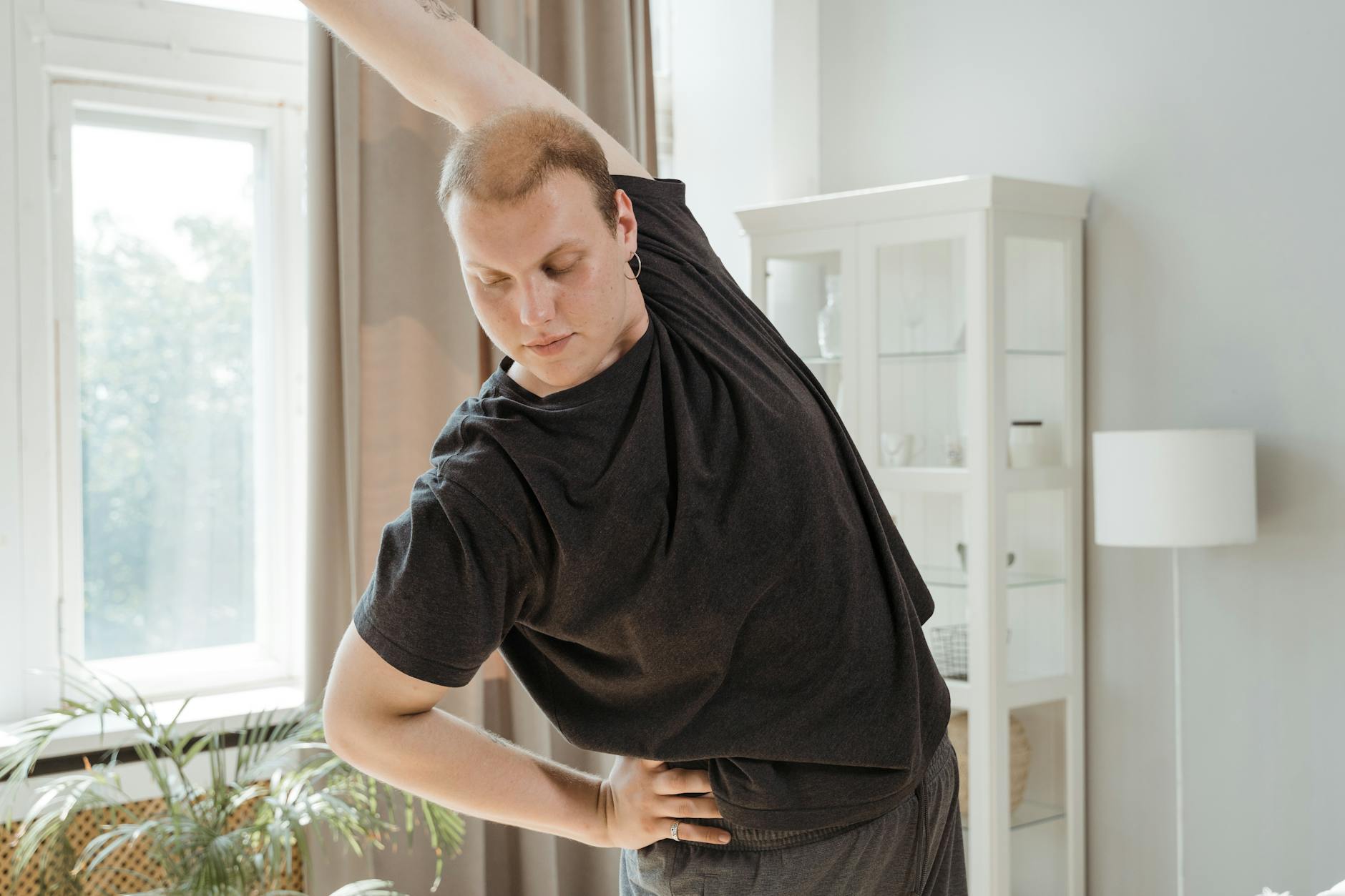
Dynamic stretches involve controlled movements through a range of motion. You’re essentially moving your joints and muscles through their full potential, preparing them for activity. These are fantastic for warming up before a workout or a demanding physical task. Think arm circles, shoulder rolls, or torso twists.
Arm Circles
Stand with your feet shoulder-width apart. Extend your arms straight out to your sides. Begin making small circles with your arms, gradually increasing the size of the circles. Perform 10-15 forward circles, then 10-15 backward circles.
Shoulder Rolls
Stand or sit tall. Gently roll your shoulders forward in a circular motion for 10-15 repetitions. Then, reverse the direction and roll your shoulders backward for another 10-15 repetitions.
Static Upper Body Stretches: The Cool-Down Commander
Static stretches involve holding a stretch for a sustained period, typically 15-30 seconds. These are best performed *after* your muscles have been warmed up, often as part of a cool-down. They help to lengthen muscles and improve flexibility over time.
Chest Stretch in Doorway
Stand in a doorway. Place your forearm against the doorframe, with your elbow bent at a 90-degree angle and at shoulder height. Step forward gently until you feel a stretch across your chest and the front of your shoulder. Hold for 20-30 seconds, then repeat on the other side.
Essential Upper Body Stretches for Everyone
You don’t need fancy equipment or hours of your day. A few well-chosen upper body stretches can make a world of difference. I’ve found these to be incredibly effective for myself and clients, whether they’re office workers or athletes.
Shoulder and Chest Openers
These target the muscles that often become tight from poor posture and prolonged sitting.
Overhead Arm Reach
Stand or sit tall. Interlace your fingers and press your palms towards the ceiling. Gently reach upwards, feeling a stretch through your sides and shoulders. Hold for 15-20 seconds.
Thread the Needle
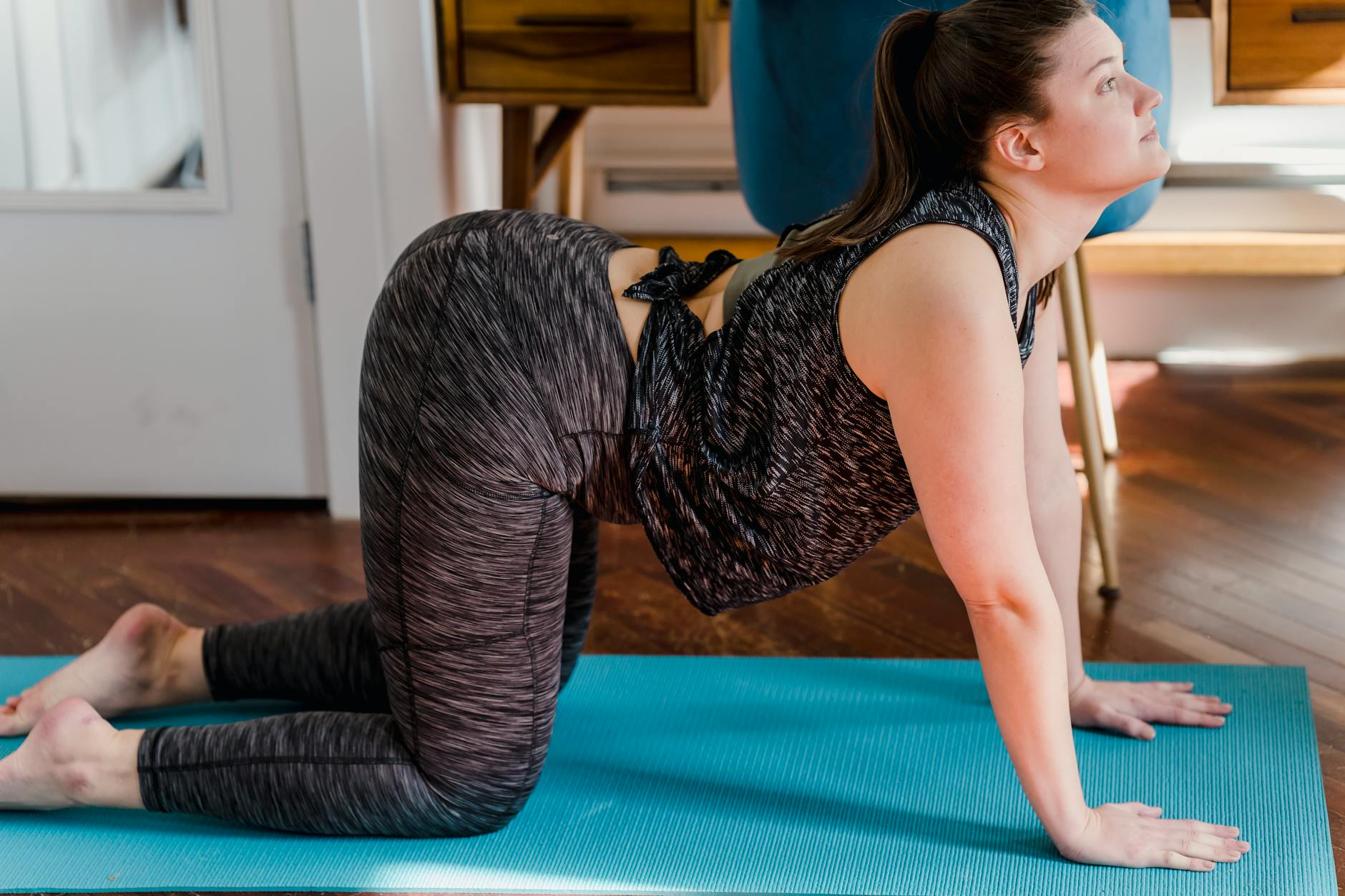
Start on your hands and knees. Thread one arm underneath your body, palm up, reaching as far as you can. Lower your shoulder and head towards the floor, feeling a stretch in your upper back and shoulder. Hold for 20-30 seconds, then repeat on the other side.
Neck and Upper Back Relief
Releasing tension here can alleviate headaches and improve overall posture.
Chin Tucks
Sit or stand with your back straight. Gently tuck your chin towards your chest, as if making a double chin. You should feel a stretch at the back of your neck. Hold for 5 seconds, then release. Repeat 10 times.
Upper Trapezius Stretch
Sit or stand tall. Gently tilt your head to one side, bringing your ear towards your shoulder. You can use your hand on the same side to gently deepen the stretch, but don’t force it. Hold for 20-30 seconds, then repeat on the other side.
Arm Flexibility Exercises
Don't forget your arms! These help with everyday tasks and can prevent issues like tennis elbow or carpal tunnel syndrome.
Wrist Flexor Stretch
Extend one arm straight out in front of you, palm facing up. With your other hand, gently pull your fingers down and back towards your body. You should feel a stretch in your forearm. Hold for 20-30 seconds, then repeat with the palm facing down.
Triceps Stretch
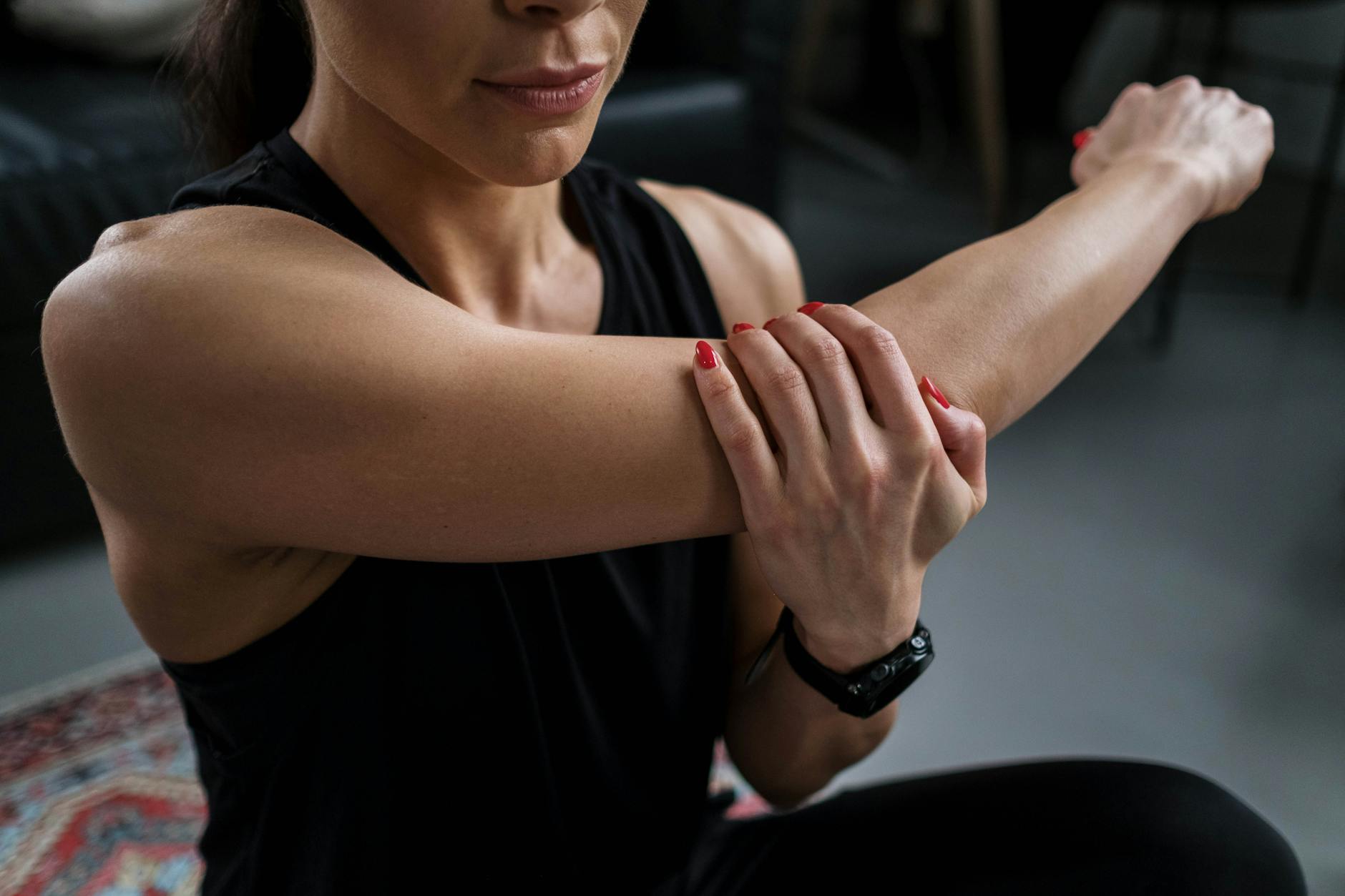
Reach one arm overhead and bend your elbow, letting your hand drop behind your head. Use your other hand to gently press down on your bent elbow, deepening the stretch. You’ll feel this in the back of your upper arm. Hold for 20-30 seconds, then repeat on the other side.
Stretching for Desk Workers: A Lifeline
If you spend a significant portion of your day at a desk, these upper body stretches are not optional; they are essential. You’ve probably noticed the stiffness that creeps in by midday. Incorporating quick desk stretches for upper body into your workday can be a game-changer. Even a minute or two every hour can make a significant difference in preventing chronic pain and improving your focus.
Micro-Breaks for Mobility
Set a timer for every 45-60 minutes. When it goes off, stand up, roll your shoulders, and do a quick chest stretch. It’s a small investment for a huge return in comfort.
Posture Exercises at Work
Beyond stretching, actively engaging in posture exercises gym routines or even simple movements at your desk can combat the effects of prolonged sitting. Think about retracting your shoulder blades and ensuring your head is aligned over your spine. If you're looking for more structured guidance, exploring posture exercises gym resources can offer excellent options, even if you adapt them for your office chair.
Flexibility for Athletes: Elevating Performance
For athletes, flexibility isn't just about preventing injury; it's about maximizing performance. Better shoulder flexibility, for instance, can translate to a more powerful throw, a more fluid swim stroke, or a greater range of motion in a golf swing. This is why I always emphasize the importance of dedicated flexibility for athletes.
Pre-Game Activation
Dynamic upper body stretches are crucial before any athletic activity. They prime the muscles for the demands of the sport, increasing blood flow and preparing the joints.
Post-Game Recovery
Static upper body stretches after training can help muscles recover, reduce soreness, and improve long-term flexibility. This is where you really work on increasing that range of motion.
The Unexpected Power of Breathing
Here’s something that often gets overlooked: your breath. When you’re stretching, especially into deeper static holds, focusing on your breath is paramount. It’s not just about filling your lungs; it’s about using your exhale to deepen the stretch. As you exhale, consciously try to relax into the stretch, letting go of any tension you’re holding. This can significantly enhance the effectiveness of your upper body stretches.
Exhale to Release
When you feel a stretch, take a deep inhale. As you exhale, allow your muscles to soften and lengthen. This simple technique, often highlighted in research from organizations like the Centers for Disease Control and Prevention research on upper body stretches, can unlock deeper levels of release.
Consistency is Your Best Friend
You won't see dramatic changes overnight. Like any aspect of fitness, consistency is key with upper body stretches. Aim to incorporate them into your daily or at least weekly routine. Even 10-15 minutes a few times a week can yield significant improvements in your mobility, pain levels, and overall well-being. Think about it like tending a garden; consistent care yields the best results.
Building the Habit
Find a time that works for you. Maybe it’s first thing in the morning, during your lunch break, or before bed. Link it to an existing habit, like brushing your teeth or having your morning coffee.
Listen to Your Body
This is crucial. Never force a stretch to the point of pain. Discomfort is okay; sharp pain is a signal to back off. Your body is unique, and what feels good for one person might not for another. Pay attention to how your body responds.
Ultimately, dedicating time to upper body stretches isn't a chore; it's an investment in your physical health and quality of life. It’s about moving through the world with less friction, less pain, and more freedom. So, start simple, stay consistent, and notice the difference it makes. Your body will thank you.