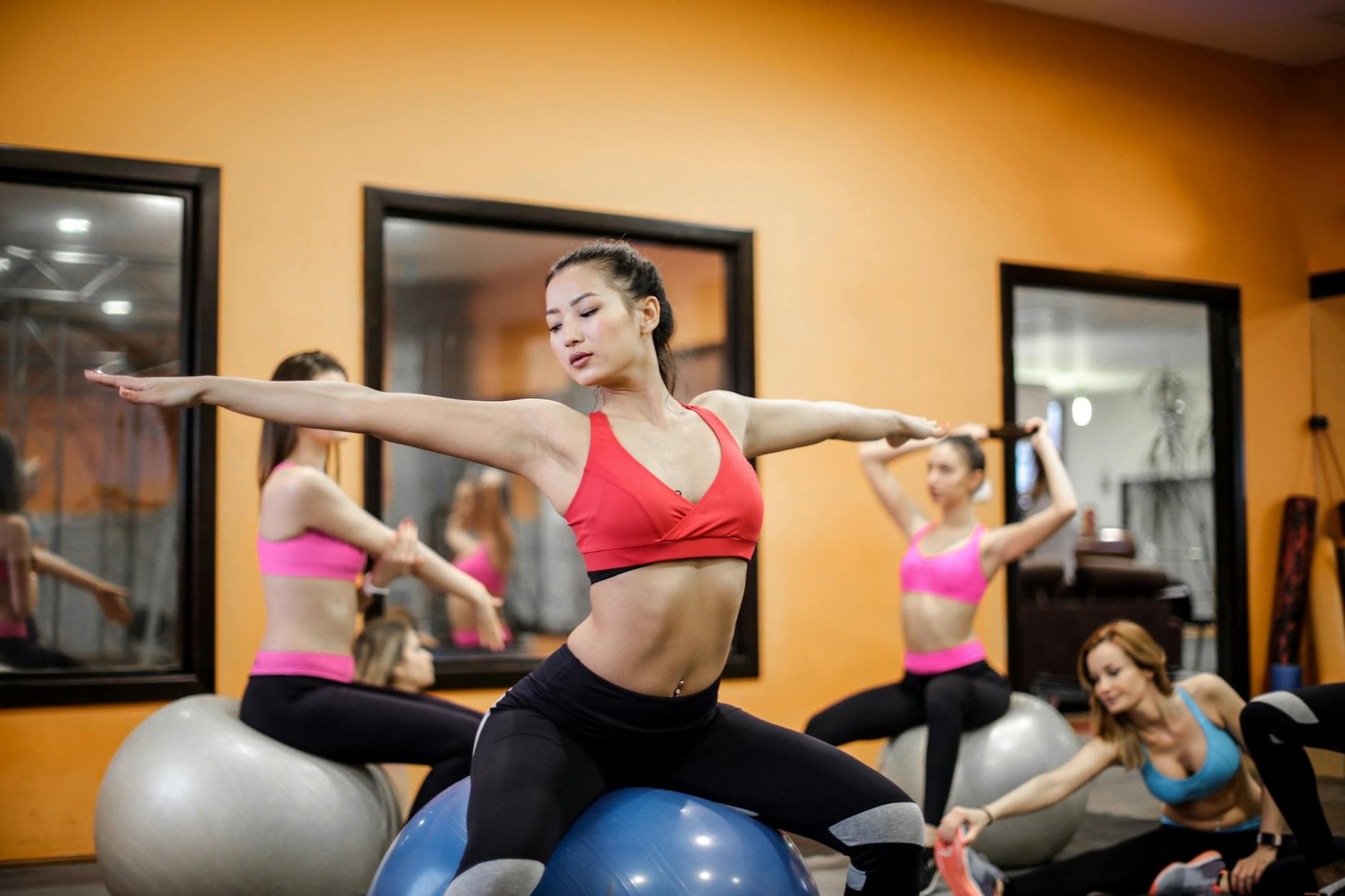
For years, I thought the gym was solely about brute force – lifting heavier, running faster, pushing harder. My focus was on the immediate pump, the visible muscle gain. I’ll be real with you, I completely overlooked a foundational element that could have dramatically amplified my results and, more importantly, my long-term well-being: my posture. It wasn't until I started experiencing nagging shoulder pain and a persistent ache between my shoulder blades that I truly understood the profound impact of how we hold ourselves. This realization led me down a rabbit hole, and what I discovered about posture exercises gym routines is nothing short of revolutionary. It’s not about adding more weight; it’s about building a stronger, more resilient foundation.
The Silent Saboteur: Understanding Postural Imbalances
You’ve probably noticed it. The hunched shoulders of someone staring at their phone, the forward head posture of countless desk workers, the subtle leaning that becomes second nature. These aren't just aesthetic quirks; they’re often signals of deeper postural imbalances that can lead to pain, reduced athletic performance, and even affect our mood. We spend so much time thinking about training specific muscles, but we often forget that our skeletal structure and the interplay of our muscles are what hold everything together. When that structure is compromised, everything else suffers.
The Forward Head Phenomenon
This is a big one. Think about the last time you saw someone engrossed in their phone. Their head is likely jutting forward. This posture puts immense strain on the neck and upper back muscles. It’s like carrying an extra 5-10 pounds of weight on your head for every inch it protrudes! This can lead to chronic neck pain, headaches, and that perpetual feeling of tightness in your upper back.
The Rounded Shoulder Syndrome
Another common culprit is the rounding of the shoulders. This often stems from an imbalance between the chest muscles (pectorals) and the muscles in the upper back (rhomboids, traps). When your chest muscles are tight and overactive, and your upper back muscles are weak and underused, your shoulders naturally roll forward. This not only makes you look less confident but can also restrict your shoulder mobility, impacting everything from your bench press to your ability to reach overhead.
The Core Connection You're Missing
Many people associate core strengthening with a six-pack. While that’s a nice byproduct, the true power of a strong core lies in its ability to stabilize your spine and pelvis. A weak core means your body has to work harder to maintain balance, often leading to compensatory movements that can further exacerbate postural issues. Think of your core as the central scaffolding that supports your entire frame. If that scaffolding is weak, the whole structure becomes unstable.
Building a Better Blueprint: The Best Gym Exercises for Posture
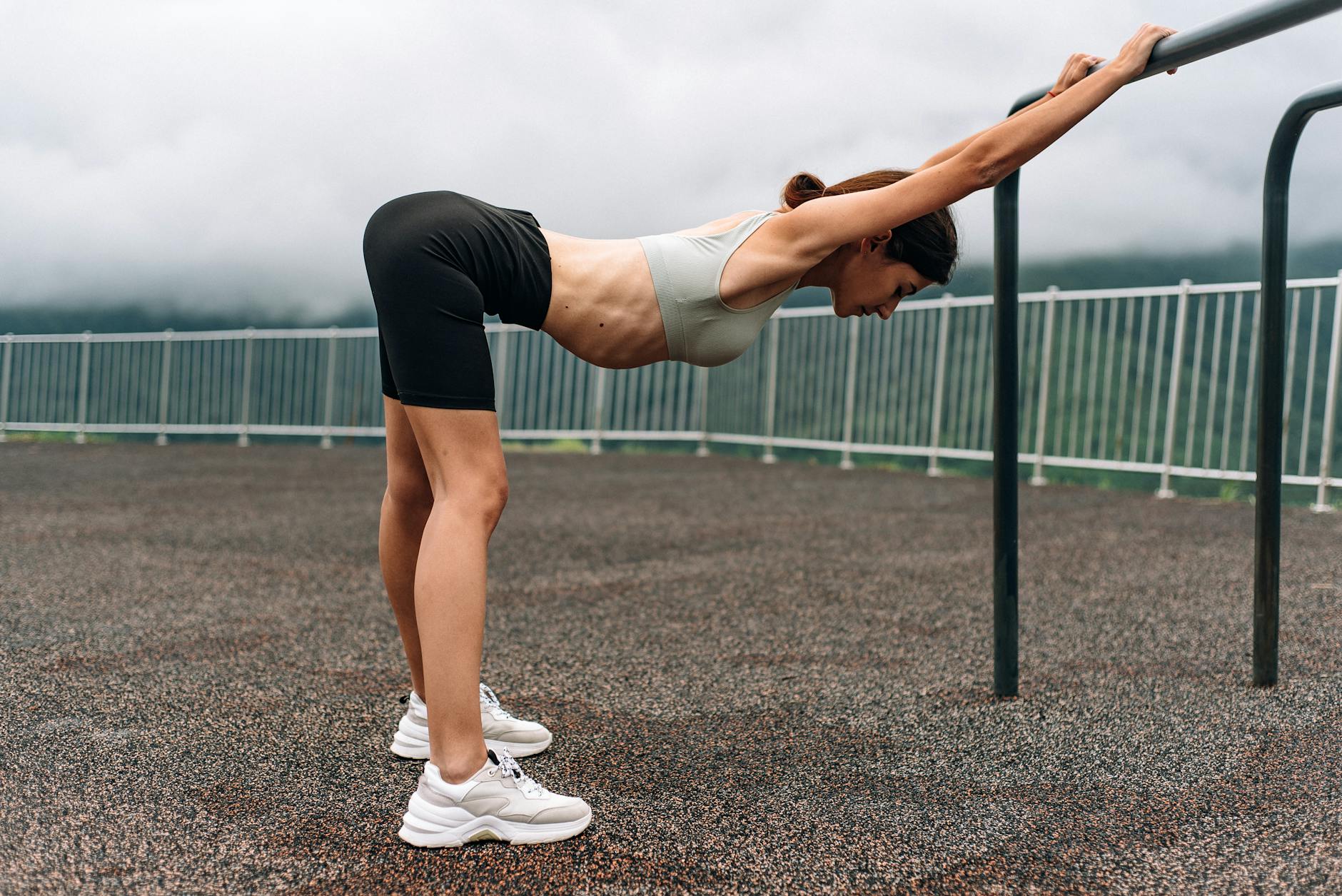
This is where the magic happens. Integrating specific exercises into your gym routine can fundamentally transform your posture. It’s about targeted strengthening and stretching to bring your body back into alignment. Forget just chasing numbers on the weight rack; let’s build a body that moves efficiently and pain-free. The goal isn't just to look better, but to feel better and perform better in every aspect of your life.
Harnessing the Power of Pulling Movements
If you're only doing chest presses and overhead presses, you're likely contributing to your forward-shoulder problem. We need to counterbalance that pushing dominance with robust pulling exercises. These are crucial for engaging those often-neglected upper back muscles that are vital for pulling your shoulders back into proper alignment.
The Mighty Row Variations
Rows are your best friend here. Whether it's seated cable rows, dumbbell rows, or barbell rows, focusing on squeezing your shoulder blades together at the peak of the movement is paramount. Aim for controlled repetitions, really feeling the contraction in your mid-back. This helps to strengthen the rhomboids and the middle trapezius muscles, directly counteracting rounded shoulders.
Face Pulls: The Underdog Hero
This exercise is a game-changer for shoulder health and posture. Using a cable machine with a rope attachment, pull the rope towards your face, keeping your elbows high and externally rotating your shoulders. This hits the rear deltoids and rotator cuff muscles, which are critical for stabilizing the shoulder joint and improving external rotation, directly combating forward head and rounded shoulder posture. Honestly, this one surprised me with how much it helped.
Strengthening the Foundation: Core and Posterior Chain
A strong posterior chain – the muscles along the back of your body – combined with a solid core is the bedrock of good posture. These muscles work together to keep you upright and stable.
The Deadlift (Done Right!)
When performed with perfect form, the deadlift is an incredible full-body exercise that strengthens the entire posterior chain: hamstrings, glutes, and back muscles. It teaches you to maintain a neutral spine under load, a vital skill for everyday life and for preventing injuries. It's not just about lifting weight; it's about learning to brace your core and maintain spinal integrity. This is a cornerstone for anyone serious about improving their posture at gym.
Glute Bridges and Hip Thrusts
Weak glutes are incredibly common, especially for those with desk jobs. Strong glutes are essential for pelvic stability, which directly influences your posture. Glute bridges and hip thrusts are fantastic for activating and strengthening these crucial muscles. They help to counteract the anterior pelvic tilt that often accompanies tight hip flexors and weak glutes.
Mobilizing and Releasing Tightness
It's not just about strengthening; we also need to address the muscles that have become tight and are pulling us out of alignment.
Chest Stretches on the Floor or Bench
Opening up the chest is vital for counteracting rounded shoulders. Lying on a foam roller or simply on the floor with your arms out to the sides in a 'T' shape can provide a gentle, effective stretch for the pectoral muscles. Hold for 30-60 seconds, breathing deeply. This simple act can make a noticeable difference in how you feel after a long day.
Thoracic Spine Mobility Drills
The thoracic spine (mid-back) can become incredibly stiff, especially with prolonged sitting. Exercises like thoracic extensions over a foam roller or cat-cow stretches can help restore mobility and improve your ability to stand tall. This is where you can truly feel your spine "unlocking."
Integrating Posture Exercises into Your Gym Routine
So, how do you weave these invaluable posture exercises gym movements into your existing workout plan without completely overhauling everything? It’s simpler than you might think. The key is consistency and intelligent programming.
The Warm-Up Advantage
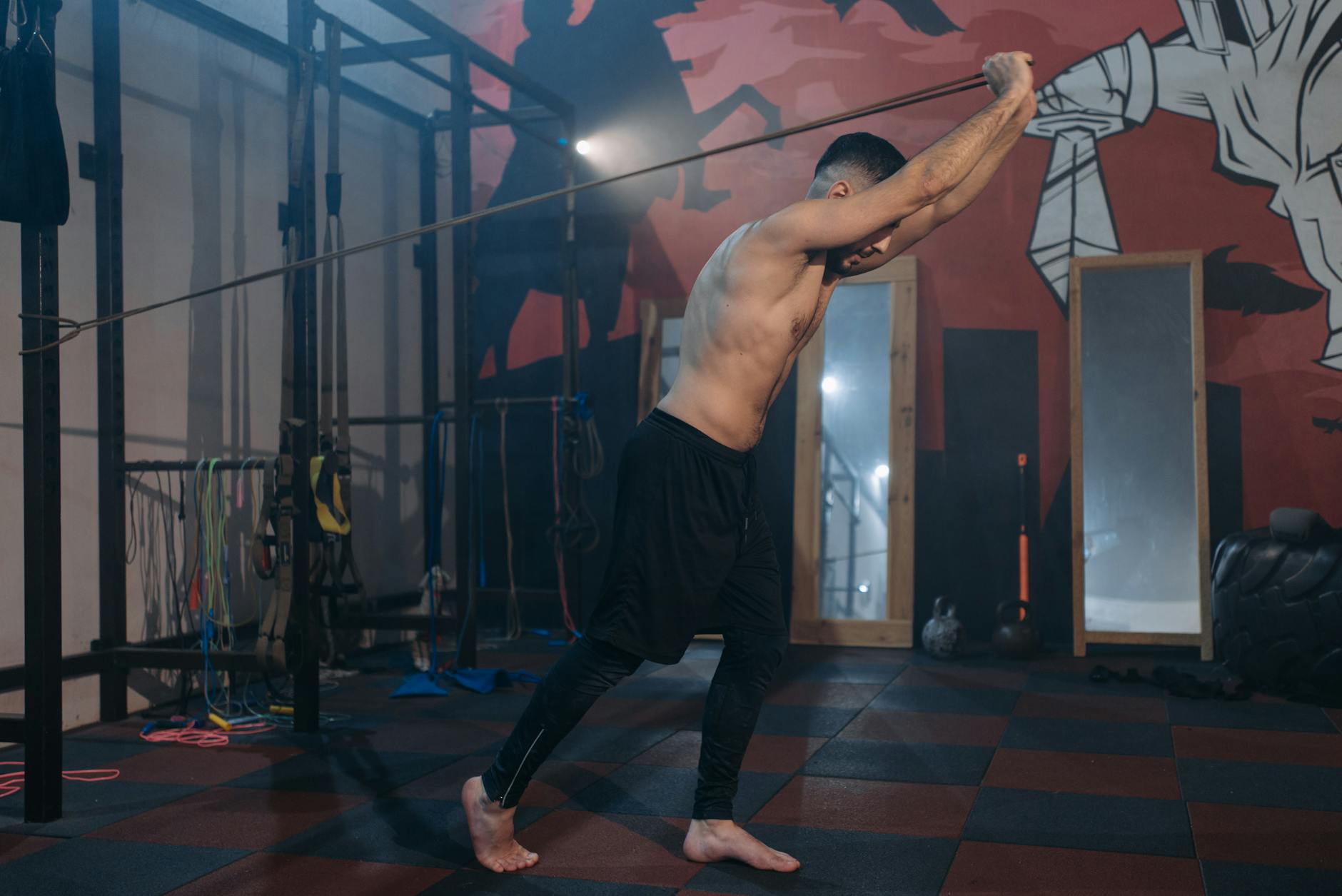
Don't underestimate the power of a well-structured warm-up. Instead of just hopping on a treadmill, dedicate 5-10 minutes to dynamic stretching and activation exercises. Think arm circles, leg swings, and some light band work for your glutes and upper back. Incorporating face pulls or band pull-aparts as part of your warm-up is an excellent way to prime your postural muscles before you even touch weights.
The Cool-Down Necessity
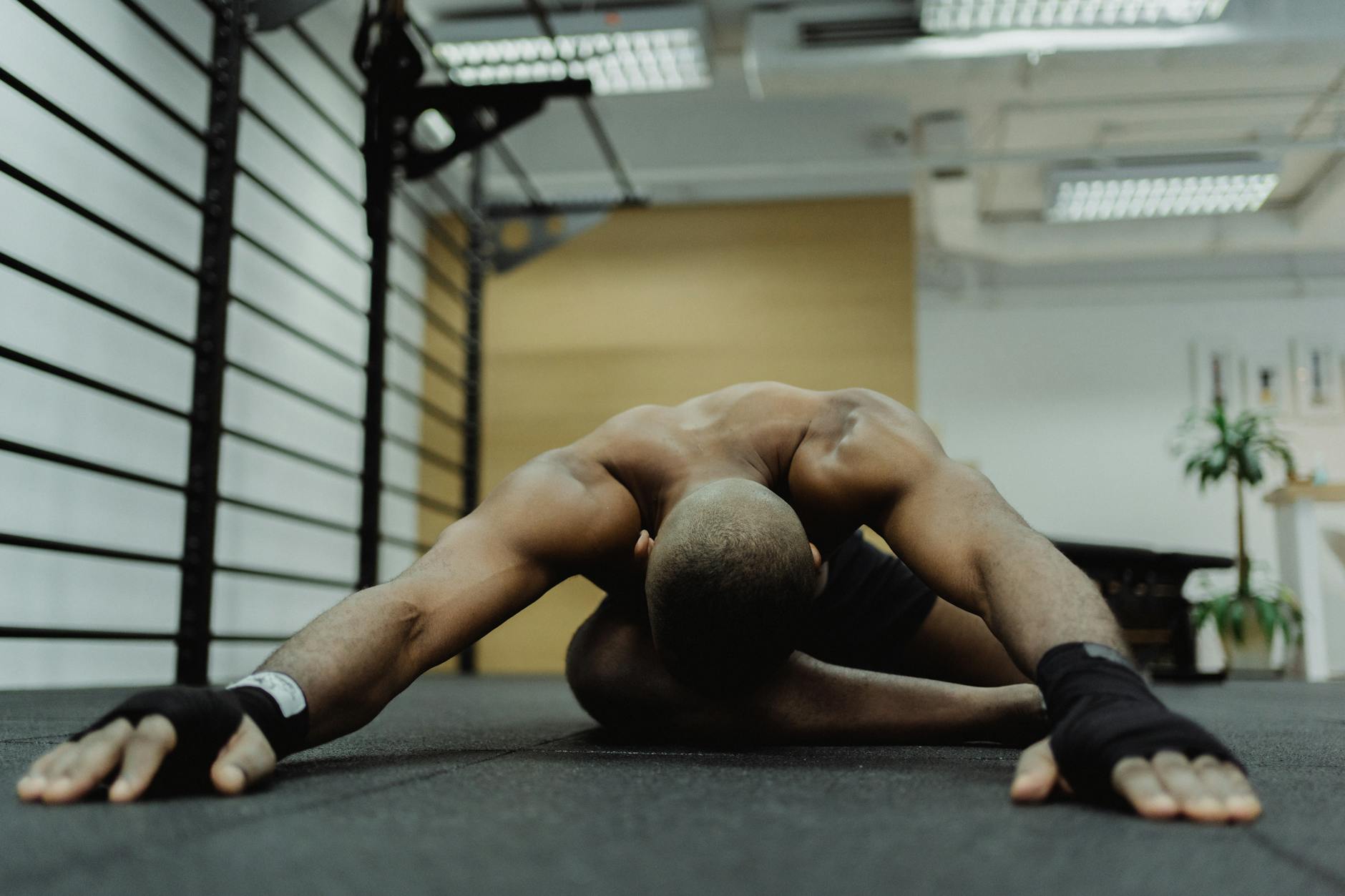
Similarly, your cool-down is the perfect time to incorporate static stretching and foam rolling. Focus on the chest, hip flexors, and any areas that feel particularly tight. This is also a prime opportunity to perform holds for exercises like glute bridges or to do some gentle thoracic extensions. Proper cool-downs aid recovery and help maintain flexibility, which is crucial for long-term postural health.
Accessory Work for the Win
You don’t need to dedicate entire workout days to posture. Instead, sprinkle these exercises into your routine as accessory work. After your main compound lifts, add a few sets of rows, face pulls, or glute bridges. This strategy allows you to progressively overload your primary lifts while still giving your postural muscles the attention they deserve. I used to think I had to choose between strength and posture, but this approach proved me wrong.
Beyond the Gym: Daily Habits for Better Posture
While the gym is a powerful tool, true postural correction requires a holistic approach. What you do outside of your workouts significantly impacts your progress. Think of your gym sessions as building the foundation, and your daily habits as reinforcing that structure.
Ergonomics for Everyday Life
This extends beyond just your gym equipment. Pay attention to your workspace. Is your monitor at eye level? Is your chair providing adequate lumbar support? Even small adjustments can make a huge difference. For instance, ensuring your desk setup aligns with principles of good ergonomics can prevent the very issues that send people searching for posture exercises gym routines in the first place. The Mayo Clinic research on posture exercises gym also highlights the importance of daily habits.
Mindful Movement Throughout the Day
Set reminders to stand up, walk around, and do a quick stretch every hour. These micro-breaks can prevent stiffness and remind your body of proper alignment. Consider incorporating some chair yoga poses during your workday for a quick reset. It’s about being conscious of how you’re holding yourself, even when you’re not actively exercising.
The Role of Breathing
Deep, diaphragmatic breathing can actually help engage your core and improve spinal alignment. When you breathe shallowly into your chest, it often leads to a more tense, upright posture. Learning to breathe deeply into your belly helps to relax your upper body and create a more stable core. This is a simple yet profound technique that many overlook.
The Long-Term Payoff: A Stronger, Healthier You
Investing time in posture exercises gym is not just about looking better in the mirror, though that's a fantastic perk. It's about investing in your long-term health and athletic potential. When your body is properly aligned, you move more efficiently, your muscles work in harmony, and the risk of injury decreases significantly. You’ll find that your workouts become more effective, your recovery improves, and that nagging pain starts to fade. It's a ripple effect that touches every area of your physical well-being. This isn't a quick fix; it's a fundamental shift towards a stronger, more resilient, and pain-free existence. The journey to better posture is one of the most rewarding investments you can make in yourself.