The Truth About Spring Hiking Gear: It's Not What You Think
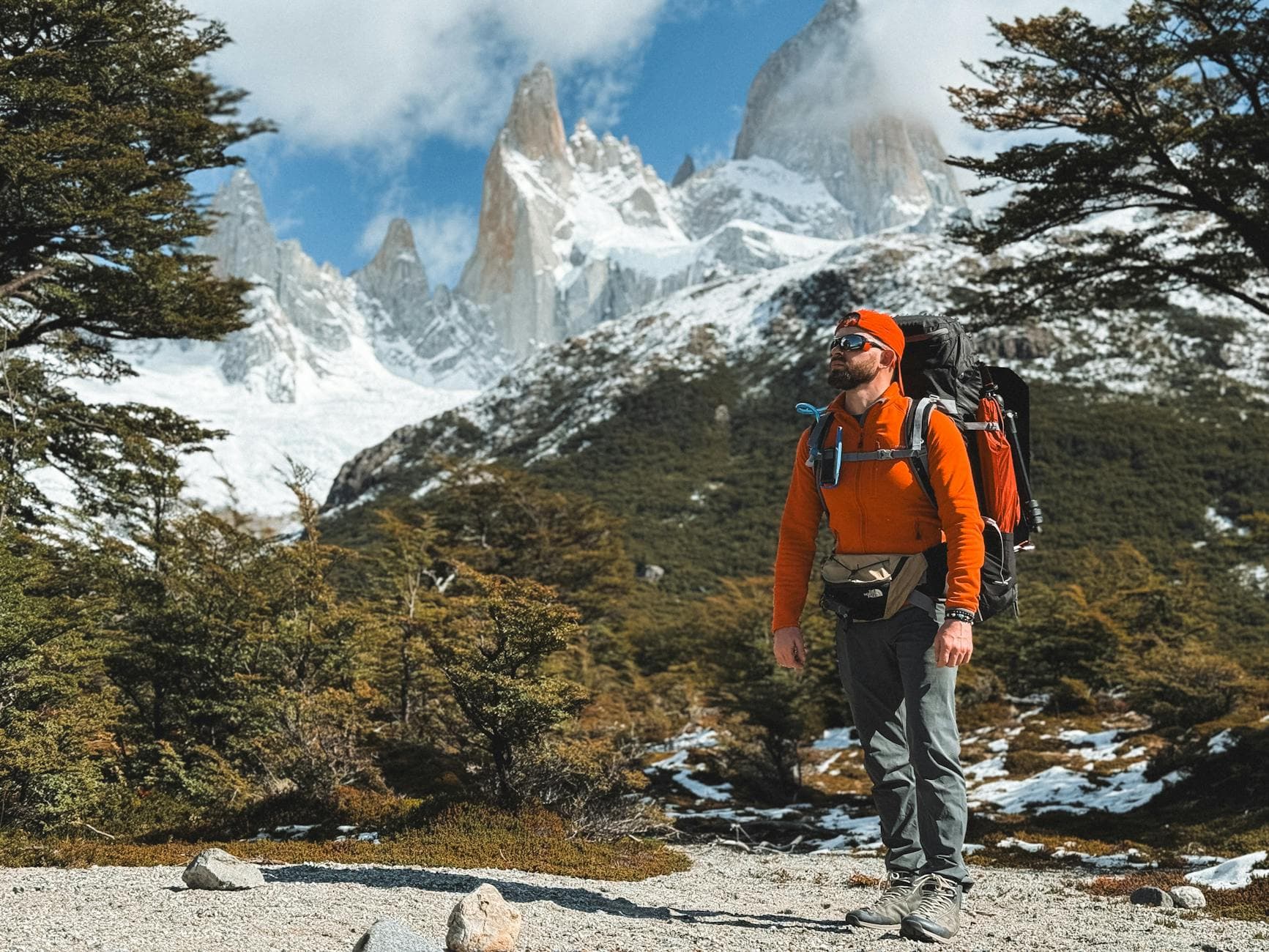
Spring. The word itself conjures images of blooming flowers, chirping birds, and the sweet scent of fresh earth. It’s the season many of us have been waiting for all winter, eager to shed the heavy layers and hit the trails. But here's the thing: spring hiking gear isn't just about swapping your snow boots for sandals. It’s about embracing a season of transition, a time when the weather can be as unpredictable as a toddler’s mood swings. Get your spring hiking gear wrong, and you'll be miserable. Get it right, and you’ll unlock some of the most beautiful and rewarding hikes of the year.
Why Spring Demands a Different Approach
You've probably noticed that spring doesn't always play nice. One minute it's sunshine and 60 degrees, the next it's a chilly, driving rain. This dramatic shift is precisely why your winter hiking kit won't cut it, and why your summer shorts and t-shirts are equally ill-suited. The key to successful spring hiking lies in adaptability.
The Illusion of "Light"
Many people think spring means "light" gear. And while yes, you'll ditch the heavy parkas, "light" doesn't mean "flimsy" or "insufficient." It means *smart*. It means choosing pieces that are versatile, packable, and offer protection without weighing you down. This is where understanding the nuances of spring trail conditions becomes paramount.
Spring Trail Conditions: The Unseen Challenges
Forget the pristine, dry paths of summer. Spring trails can be a mixed bag. Melting snow can leave muddy sections that suck your boots down. Ice might still linger in shaded ravines. And the rain? Oh, the rain. Hiking in wet weather is a skill in itself, and having the right gear makes all the difference between a refreshing adventure and a soggy slog.
Your Spring Hiking Gear Arsenal: Layering is King
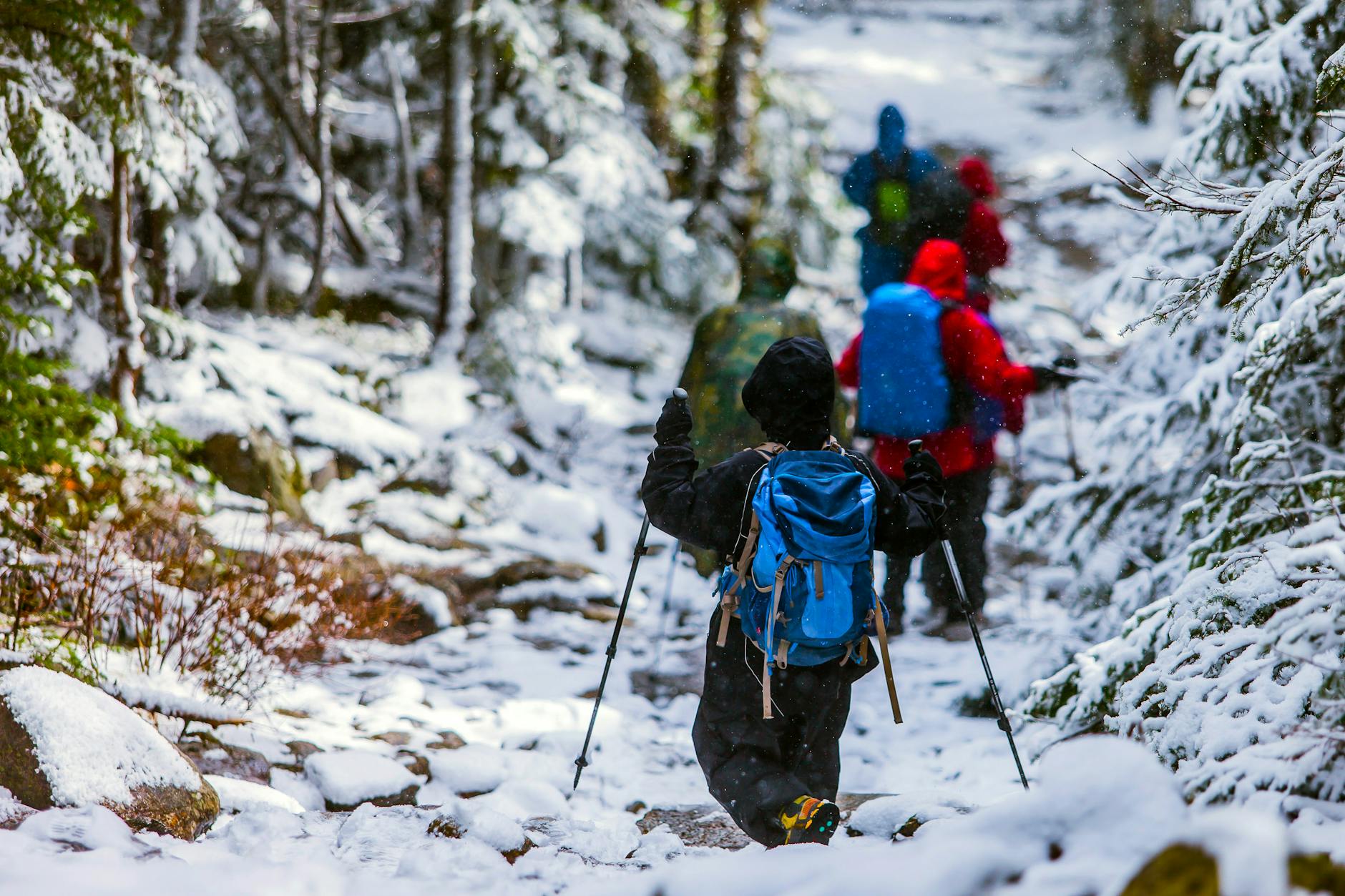
When it comes to spring hiking, the concept of layering isn't just a suggestion; it's your survival mantra. Think of it as building your own personal climate control system. This approach allows you to shed or add layers as the temperature and your exertion level change, keeping you comfortable and preventing overheating or chilling.
The Base Layer: Wicking Away the Sweat
This is the layer closest to your skin, and its job is crucial: to wick moisture away. Cotton is your enemy here, folks. It holds onto sweat, making you cold and clammy. Opt for synthetic fabrics like polyester or merino wool. Merino wool is fantastic because it’s naturally odor-resistant and still insulates when damp. I used to think merino was too expensive, but the longevity and comfort have made it a staple in my pack. You want something that feels good against your skin and keeps you dry, even as you start to sweat on an uphill climb.
The Mid Layer: Insulation That Breathes
This is your warmth layer. Think fleece jackets, down vests, or synthetic insulated jackets. The goal here is to trap body heat. A lightweight fleece is a classic for a reason – it’s breathable, warm, and dries quickly. A packable down or synthetic puffy jacket is excellent for colder mornings or summit breaks, but make sure it’s something you can easily stow away when you warm up. The beauty of a good mid-layer is its versatility; you can wear it around camp or as an extra layer on a chilly evening.
The Outer Layer: Your Shield Against the Elements
This is where your waterproof and windproof gear comes in. For spring hiking, a good rain jacket is non-negotiable. Look for something with a waterproof-breathable membrane like Gore-Tex or a similar technology. Pit zips are a lifesaver for ventilation when you're working hard. I've been caught in downpours where a cheap, non-breathable rain jacket just made me sweat inside, which is almost worse than the rain itself. A quality hardshell jacket will keep you dry from the outside and allow your sweat to escape. Wind pants are also a smart addition for blustery days, especially at higher elevations.
Footwear: The Foundation of Your Hike
Your feet are your connection to the trail, and if they’re unhappy, your whole hike is ruined. Spring’s variable conditions make footwear a particularly important consideration for your spring hiking gear.
Waterproof Hiking Boots: A Game Changer
This is probably the single most important piece of gear you can invest in for spring. Mud, puddles, and lingering snowmelt mean your feet are going to get wet if you're not prepared. Waterproof hiking boots, when properly cared for, will keep your feet dry and comfortable. Look for boots with a Gore-Tex lining or similar waterproof-breathable membrane. Make sure they fit well; blisters are no fun on any hike, but they’re especially miserable when the trail is slick and the air is cool. I always recommend breaking in new boots before a significant hike, no matter the season.
Socks: The Unsung Heroes
Don't underestimate the power of good socks. Just like your base layers, you want wool or synthetic blends. Avoid cotton at all costs. Having a couple of pairs of good hiking socks that wick moisture and provide cushioning can make or break your comfort. Consider bringing an extra pair in your pack, especially if you anticipate particularly wet conditions.
Gaiters: Your Mud and Debris Defense
These are often overlooked, but gaiters are fantastic for spring. They strap around your ankle and lower calf, covering the top of your boots. They’ll keep mud, water, and small rocks from getting into your boots, which is a lifesaver on muddy, slushy trails. They’re lightweight and don’t take up much space in your pack.
The Backpack: More Than Just a Carrier
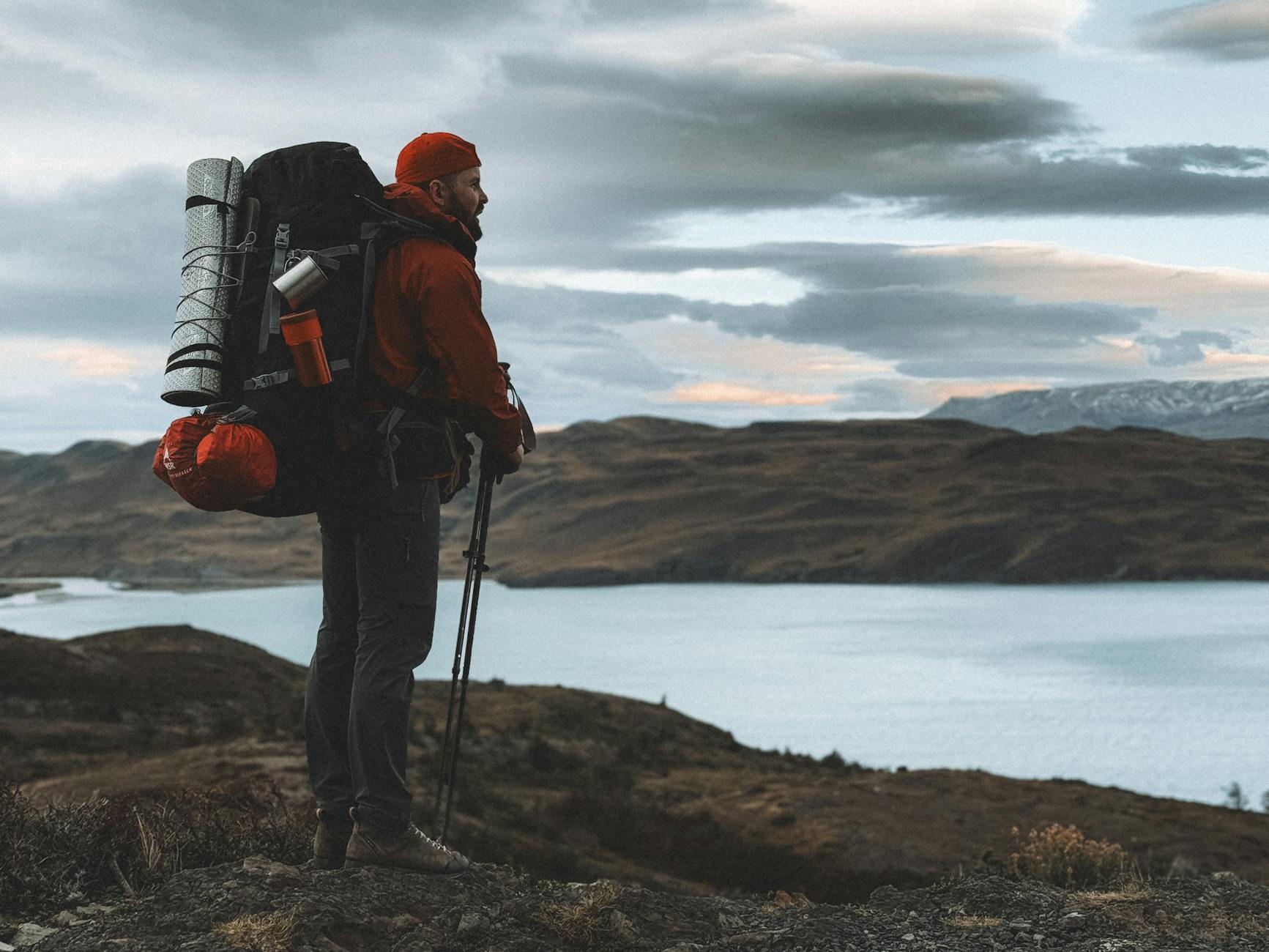
Your backpack is your mobile base camp. For spring hiking, you need something that can comfortably carry your layers, essentials, and snacks without feeling bulky.
Lightweight Hiking Backpack: Balance is Key
You don't need a massive expedition pack for a day hike. A good, lightweight hiking backpack in the 20-35 liter range is usually sufficient for spring. Look for one with a comfortable suspension system that distributes weight evenly. Pockets and compartments are helpful for organizing your gear, so you can quickly access things like your rain jacket or first-aid kit. I’ve found that a pack with an internal frame provides better support than a frameless one, especially if you’re carrying a bit more weight.
Hydration System: Staying Fueled
Whether you prefer a water bladder or water bottles, make sure you have a reliable way to carry enough water. Staying hydrated is crucial, even when it’s cool outside. Sometimes, we don’t feel as thirsty in cooler weather, but our bodies still need fluids. I always carry at least 2 liters for a day hike, and more if it’s a longer or more strenuous route. Some backpacks have dedicated hydration sleeves, which are convenient.
Essential Pockets and Straps
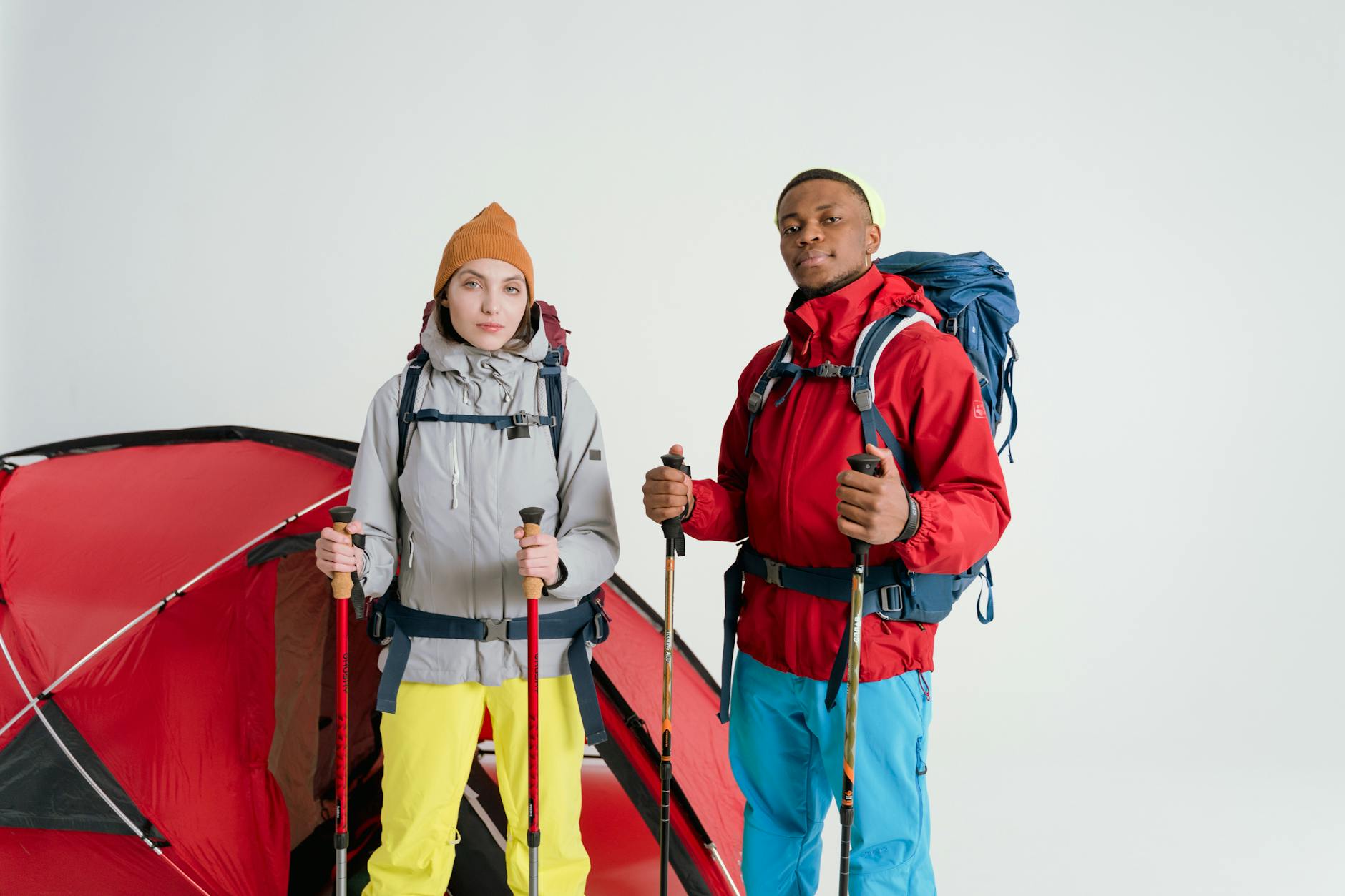
Think about what you’ll need quick access to. External mesh pockets are great for water bottles or snacks. Hip belt pockets are perfect for your phone, lip balm, or a small compass. Straps for trekking poles are also useful, as poles can be a godsend on slippery or steep terrain.
Safety and Navigation: Always Prepared
Spring hiking safety is a crucial aspect of what to pack for spring hike. The unpredictable nature of the season means being prepared for anything is paramount.
Navigation Tools: Know Where You're Going
Even on familiar trails, it’s wise to have reliable navigation. A map and compass are essential, and knowing how to use them is even more important. A GPS device or a reliable navigation app on your phone (with downloaded offline maps) is a great backup. Don't rely solely on your phone's battery, though; always carry a portable power bank.
First-Aid Kit: Be Ready for the Unexpected
A well-stocked first-aid kit is non-negotiable for any hike. For spring, consider including extra blister treatment, pain relievers, and antiseptic wipes, as cuts and scrapes are more likely in muddy or overgrown conditions. Make sure you know how to use everything in your kit. The National Institutes of Health research on wilderness safety always emphasizes preparedness.
Sun Protection: Don't Be Fooled by Clouds
Even on cloudy spring days, the sun's UV rays can be strong, especially at higher altitudes. Pack sunscreen, sunglasses, and a hat with a brim. Lip balm with SPF is also a good idea. Sun protection for hikers is often overlooked in cooler weather, but it's just as important as in the summer. A burn can make the rest of your hike miserable.
Communication Device: Stay Connected
Carry a fully charged mobile phone. For remote areas where cell service is unreliable, consider a satellite messenger or personal locator beacon (PLB). Letting someone know your hiking plans and expected return time is also a critical safety step. This is a simple yet effective way to ensure someone knows where to look if something goes wrong.
Beyond the Gear: Other Spring Hiking Essentials
While the physical gear is crucial, there are other elements that contribute to a successful spring hike.
Avoiding Spring Allergies Hiking
If you suffer from spring allergies, hiking can be a challenge. Be prepared. Carry allergy medication and consider wearing a buff or bandana to cover your nose and mouth on particularly pollen-heavy days. Trails can be dense with blooming plants, and the air can be thick with pollen. Some National Institutes of Health research suggests that timing your hikes for early morning or late afternoon, when pollen counts are often lower, can help.
Trekking Poles: Your Trail Companions
I’ll be real with you, I used to think trekking poles were for older folks or serious mountaineers. But after a few slippery descents where my knees screamed in protest, I became a convert. They provide stability on uneven terrain, reduce impact on your joints, and can even help you maintain a better rhythm. They are especially helpful for hiking in wet weather or on muddy trails.
Snacks and Hydration: Fueling Your Adventure
This might seem obvious, but it's worth reiterating. Pack more snacks than you think you'll need. Energy bars, trail mix, fruit, and jerky are all good options. And don't forget water! As mentioned earlier, staying hydrated is key. The Mayo Clinic consistently highlights the importance of hydration for overall health and performance, and that includes your hiking endeavors.
Leave No Trace Principles
As spring brings more people back to the outdoors, it's more important than ever to practice Leave No Trace principles. Pack out everything you pack in, stay on marked trails to prevent erosion, and respect wildlife. This ensures that these beautiful places remain pristine for everyone to enjoy. This isn't just gear, but it's essential for responsible outdoor recreation.
Final Thoughts on Your Spring Hiking Gear
Spring hiking is a unique experience. It’s a time of renewal, of vibrant life returning to the landscape. But it’s also a season of change, demanding adaptability and preparedness. Your spring hiking gear should reflect this. Focus on layering, waterproofness, and versatility. Don't skimp on footwear – your feet will thank you. And always, always prioritize safety. The trails are calling, and with the right spring hiking gear, you'll be ready to answer. Happy trails!