It was a Tuesday. I remember because I’d just finished a brutal circuit training session, the kind that leaves you feeling accomplished but also vaguely… incomplete. My shoulders were tight, my core felt a little disconnected, and I was wondering if I was missing something in my quest for balanced, functional strength. Then, it hit me. I’d been dismissing a piece of equipment that, frankly, had been staring me down in studios for years, a piece that promised a different kind of challenge, a more nuanced approach to movement. I’m talking about the Pilates chair. And let me tell you, my exploration into **pilates chair exercises** has been nothing short of a revelation.
For so long, I’d associated Pilates with the Reformer, that elaborate contraption with springs and pulleys. And while the Reformer is fantastic, the chair? It’s a powerhouse in a compact, deceptively simple form. It’s like discovering a hidden gem, a secret weapon for anyone serious about their fitness. I’ll be real with you, I used to think the chair was just for advanced practitioners, a niche tool. How wrong I was.
The Unexpected Power of the Wunda Chair
The Wunda Chair, as it's often affectionately called, is a marvel of engineering. It’s essentially a sturdy box with a seat and a pedal that moves up and down against spring resistance. This simple setup creates an incredible range of possibilities for challenging your body in ways you might not expect. It’s this resistance, this controlled opposition, that makes the **pilates chair workout** so potent.
What Makes the Chair So Special?
The chair’s design forces you into a position of inherent instability, demanding constant engagement from your deep core muscles. Unlike floor-based exercises where gravity can sometimes do a lot of the work, the chair actively pushes back, requiring you to stabilize, control, and articulate your movements with precision. This is where the magic happens for building true strength and resilience.
Reformer vs. Chair Pilates: A Gentle Rivalry
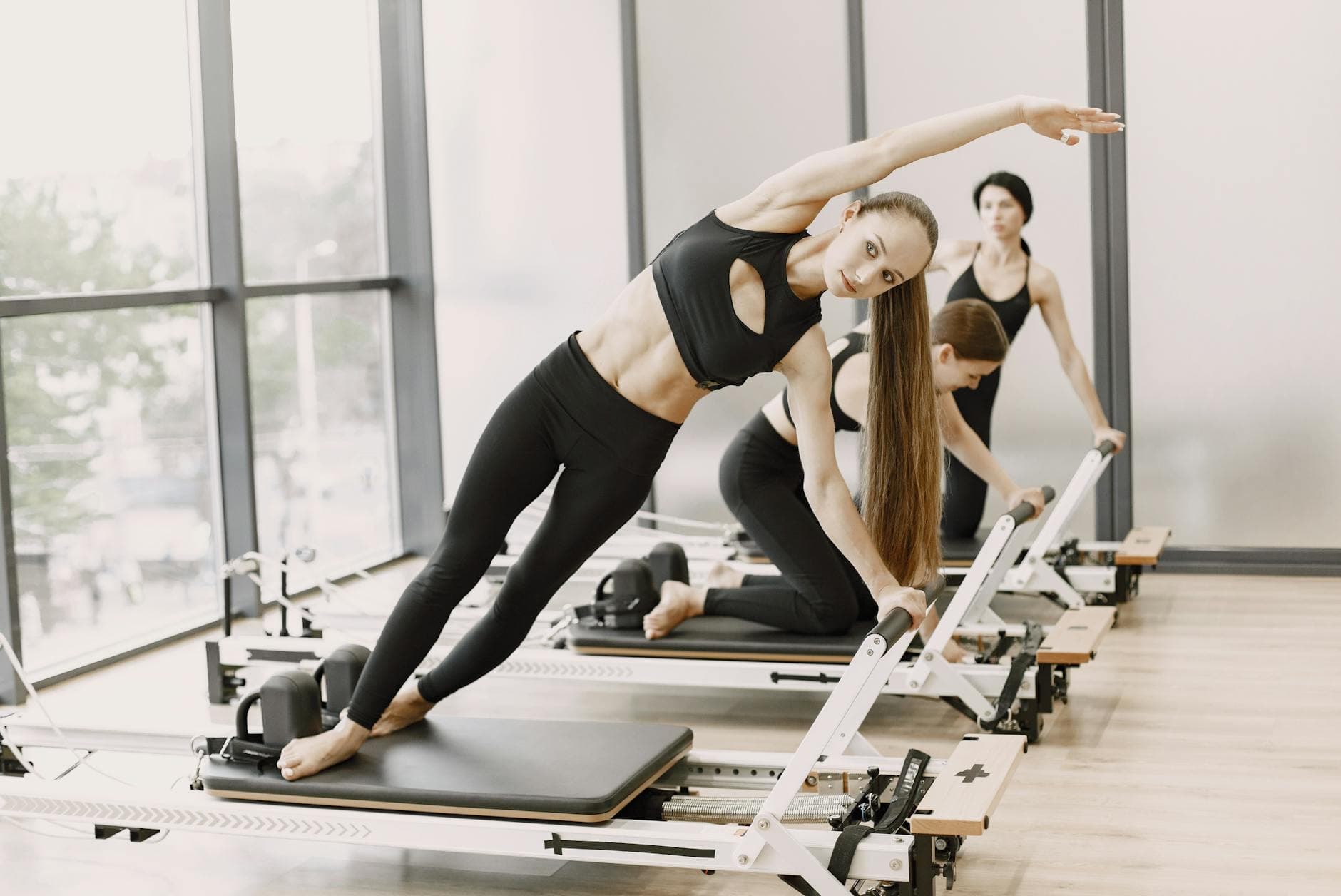
People often ask about the **reformer vs. chair pilates** debate. Honestly, they complement each other beautifully. The Reformer, with its carriage and wider range of motion, is excellent for lengthening the spine and building power through larger movements. The chair, however, excels at isolating smaller muscle groups, demanding incredible balance, and building focused strength, particularly in the limbs and core. Think of the Reformer as the full orchestra and the chair as the virtuoso soloist – both are essential for a complete performance.
The Chair for Beginners? Absolutely!
Don’t let its intimidating appearance fool you. The Wunda Chair is incredibly adaptable for **pilates chair for beginners**. The spring resistance can be adjusted, making exercises easier or harder. An instructor can guide you to modify movements, focusing on fundamental principles like core engagement and proper alignment. You’ll start with basic seated or standing positions, gradually building the strength and control needed for more complex moves.
Unlocking Full Body Potential with Pilates Chair Exercises
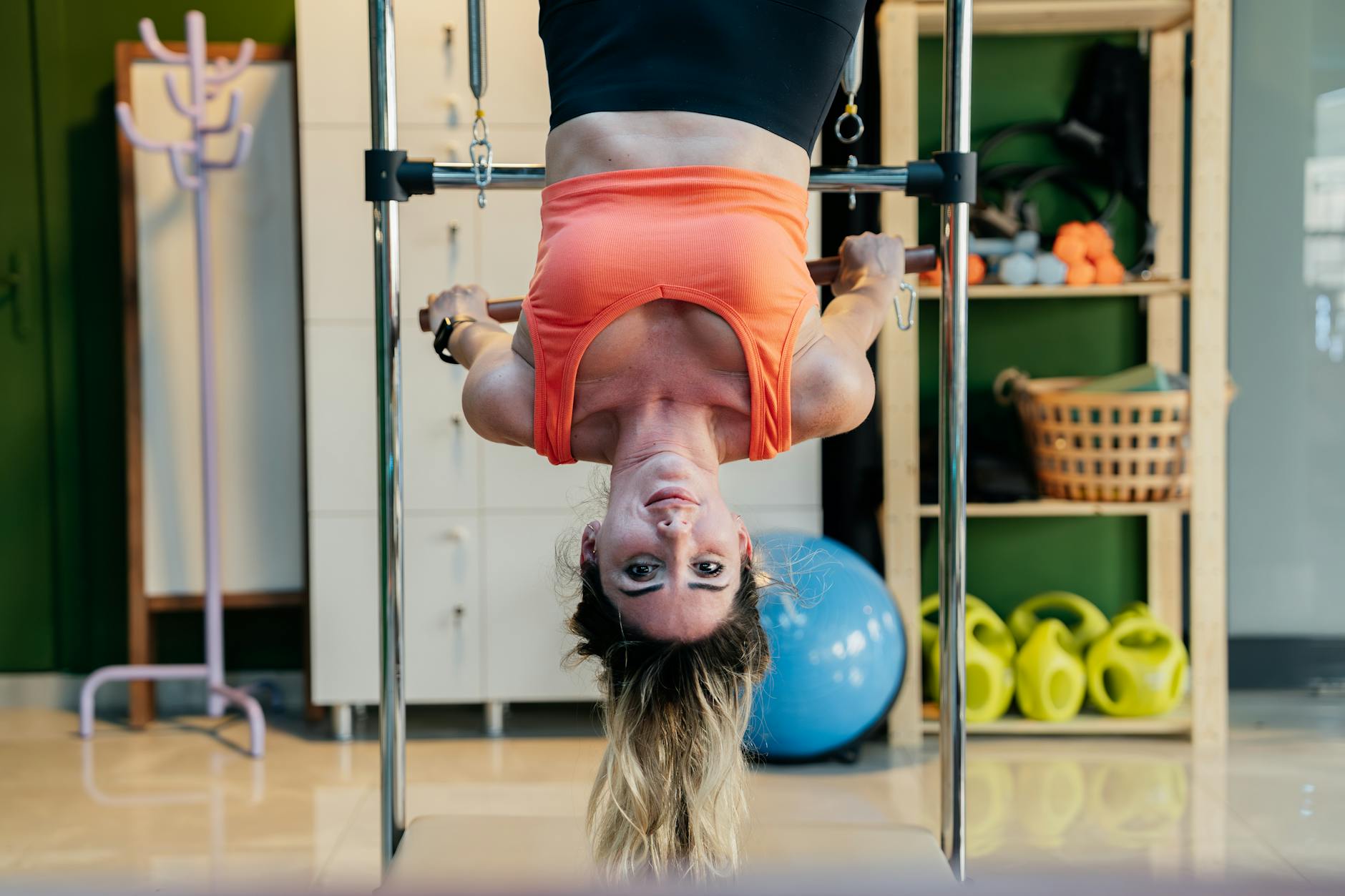
One of the most exciting aspects of the Pilates chair is its ability to provide a **full body pilates chair** workout. It’s not just about your abs (though oh boy, does it target them!). Every exercise demands engagement from your entire kinetic chain.
Building a Rock-Solid Core
Let’s talk about those abs. The chair is a phenomenal tool for strengthening the deep abdominal muscles. Exercises that involve pushing the pedal down while maintaining a stable torso, or pulling it up against resistance, are incredibly effective. You’re not just crunching; you’re building functional core strength that translates to everyday life and other athletic pursuits. This focus on the core is why so many people see incredible results in their posture and stability.
Lower Body Powerhouse
Think lunges, squats, and calf raises, but with an added layer of challenge. The chair allows for dynamic leg work that builds strength and endurance in your quads, hamstrings, glutes, and calves. Imagine doing a squat where the pedal is pushing back up against your feet – you have to actively control the descent and the ascent, engaging your muscles in a whole new way. It’s a fantastic way to improve balance and proprioception too.
Upper Body Strength and Stability
Pushing and pulling the pedal from various positions engages your arms, shoulders, and upper back. Exercises like the "Push-Up" on the chair, where you're essentially doing a push-up against spring resistance with your feet on the pedal, are incredibly challenging and build incredible upper body strength and stability. It’s a far cry from a standard floor push-up, demanding more control and engagement.
Pilates Chair Moves That Will Transform Your Workout
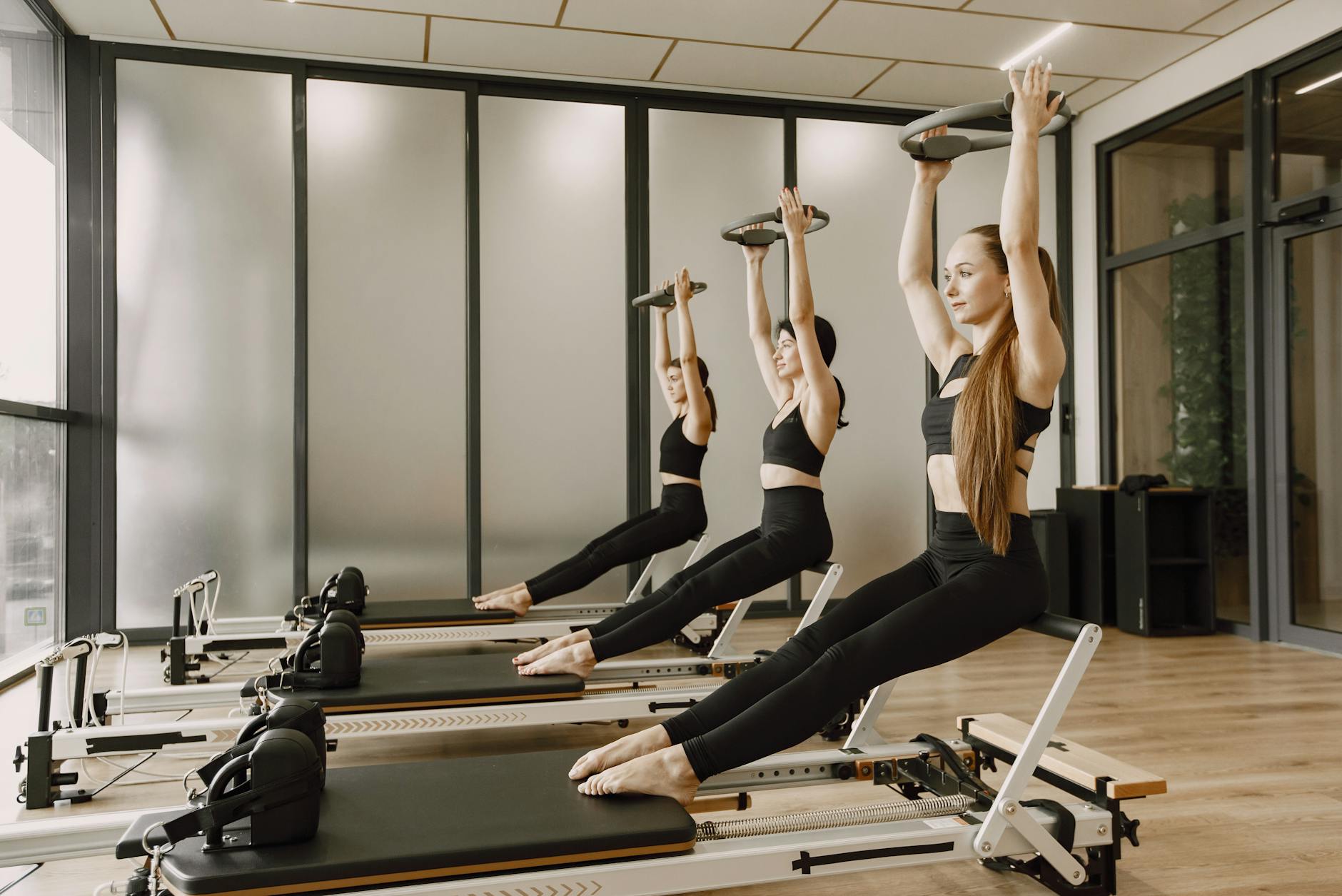
There are countless **pilates chair moves**, each offering a unique challenge and benefit. Here are a few that have genuinely impressed me and are staples in my own practice.
The "Swan" Dive (Chair Edition)
This is a classic for a reason. Perched on the edge of the seat, hands on the front of the chair, you extend your legs back, pressing the pedal down with your feet. Then, you hinge at the hips, extending your chest forward and up, arching your back gracefully. The springs provide resistance, making you work to control the movement and then safely return. It’s brilliant for spinal articulation and strengthening the back extensors.
"Leg Springs" (Seated or Standing)
You can perform variations of leg springs in numerous ways on the chair. Seated with your feet on the pedal, you can perform controlled leg extensions and flexions, working your hamstrings and quads. Standing, with one foot on the pedal, you can do calf raises or even single-leg squats, building immense lower body strength and balance. This is where you really feel the **pilates chair for abs** working to stabilize you.
"Push-Up" Variations
As I mentioned, the chair push-up is a game-changer. You can start with your hands on the seat and feet on the pedal, or vice versa, depending on your strength. The resistance of the springs makes it a significantly more challenging push-up, building strength in your chest, shoulders, and triceps while demanding core stability.
Bringing the Pilates Chair Home
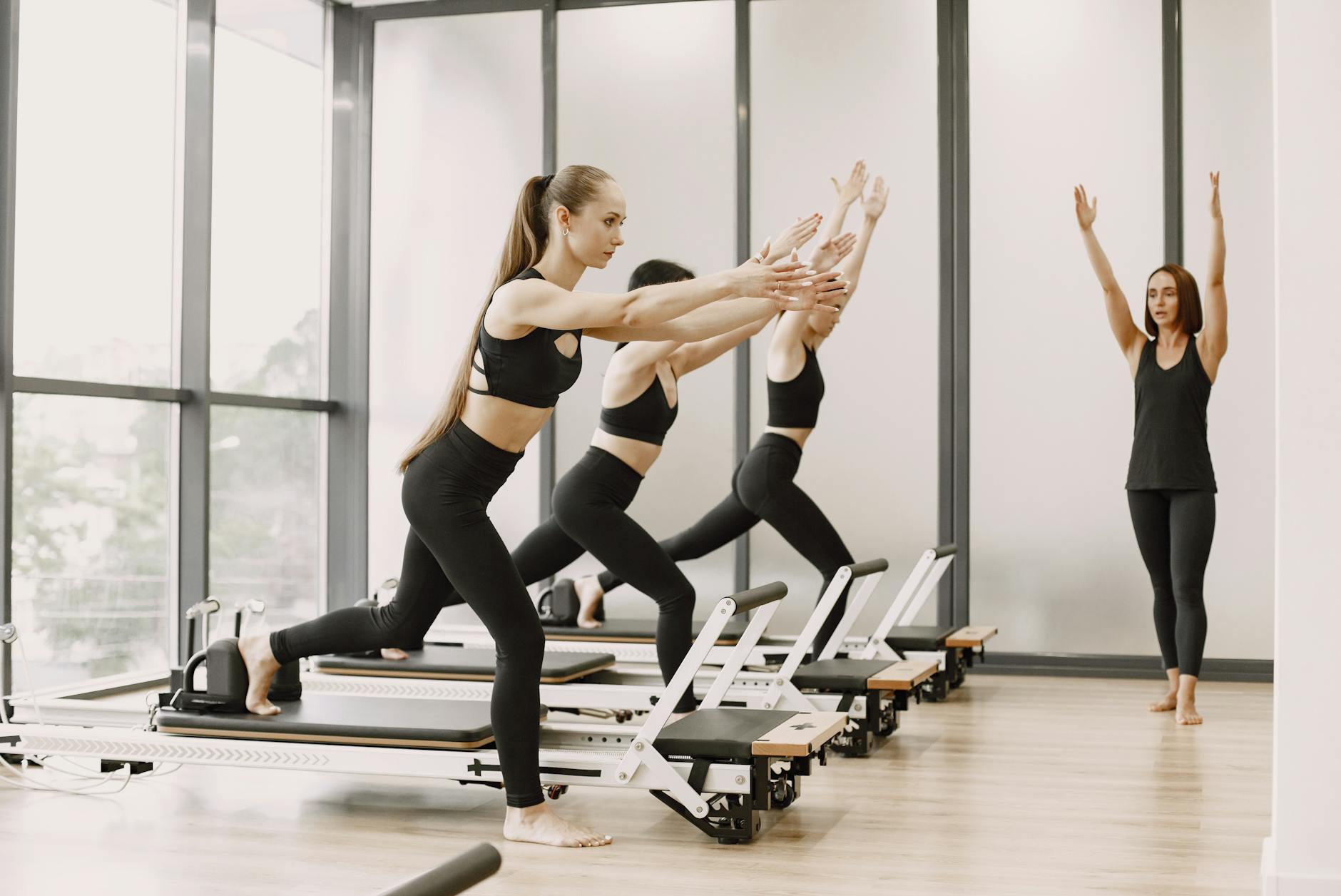
The idea of a **home pilates chair** might seem like a luxury, and honestly, the initial **pilates chair price** can be a significant investment. However, for those serious about elevating their fitness, it’s an investment that pays dividends. Having a **pilates chair at home** opens up a world of possibilities for your fitness routine.
Is a Home Pilates Chair Worth It?
This is the million-dollar question, isn’t it? If you’re looking for a way to deepen your Pilates practice, build functional strength, improve balance, and challenge your body in new ways, then yes, a **best pilates chair** is absolutely worth it. It’s a versatile piece of equipment that offers a lifetime of training. For those who struggle to get to a studio regularly or prefer the convenience of home workouts, it’s a game-changer. You can build a fantastic **home workout plan** incorporating chair work.
What to Consider When Buying
When looking at the **pilates chair price**, consider the brand, materials, and features. Some chairs come with additional accessories or different spring tensions. Read reviews, and if possible, try out different models at a studio before committing. Don't be afraid to look at reputable used markets if budget is a concern, but ensure the springs are in good condition.
The Undeniable Pilates Chair Benefits
The benefits of incorporating **pilates chair exercises** into your routine are far-reaching. It’s not just about aesthetics; it’s about functional movement, injury prevention, and overall well-being.
Enhanced Strength and Endurance
The consistent, controlled resistance from the springs builds lean muscle and stamina. You’ll find yourself getting stronger and being able to perform movements with greater ease.
Improved Balance and Coordination
The inherent instability of the chair forces your body to work harder to maintain balance, significantly improving your proprioception and coordination. This is crucial for preventing falls as we age.
Increased Flexibility and Mobility
While not a stretching class, the controlled movements on the chair, particularly those that involve spinal articulation, can increase your range of motion and flexibility over time.
Better Posture and Spinal Health
By strengthening the deep core muscles and promoting proper alignment, the chair helps to correct postural imbalances and can alleviate back pain. The **Centers for Disease Control and Prevention research on pilates chair exercises** often highlights improvements in musculoskeletal health.
Mind-Body Connection
Pilates, in general, is renowned for fostering a strong mind-body connection. The chair amplifies this, requiring intense focus and concentration to execute movements correctly. This heightened awareness can spill over into all aspects of your life.
The **World Health Organization research on pilates chair exercises** consistently points to the holistic benefits of Pilates, and the chair is a prime example of how targeted resistance can achieve profound results. Even the **Mayo Clinic research on pilates chair exercises** emphasizes its role in rehabilitation and functional fitness.
Honestly, if you’ve been looking for a way to break through a plateau, add variety to your fitness, or simply discover a more profound way to connect with your body, give the Pilates chair a serious look. It’s more than just a piece of equipment; it’s a gateway to a more resilient, balanced, and powerful you. It’s a challenge, yes, but one that rewards you tenfold. Don't underestimate this compact wonder.