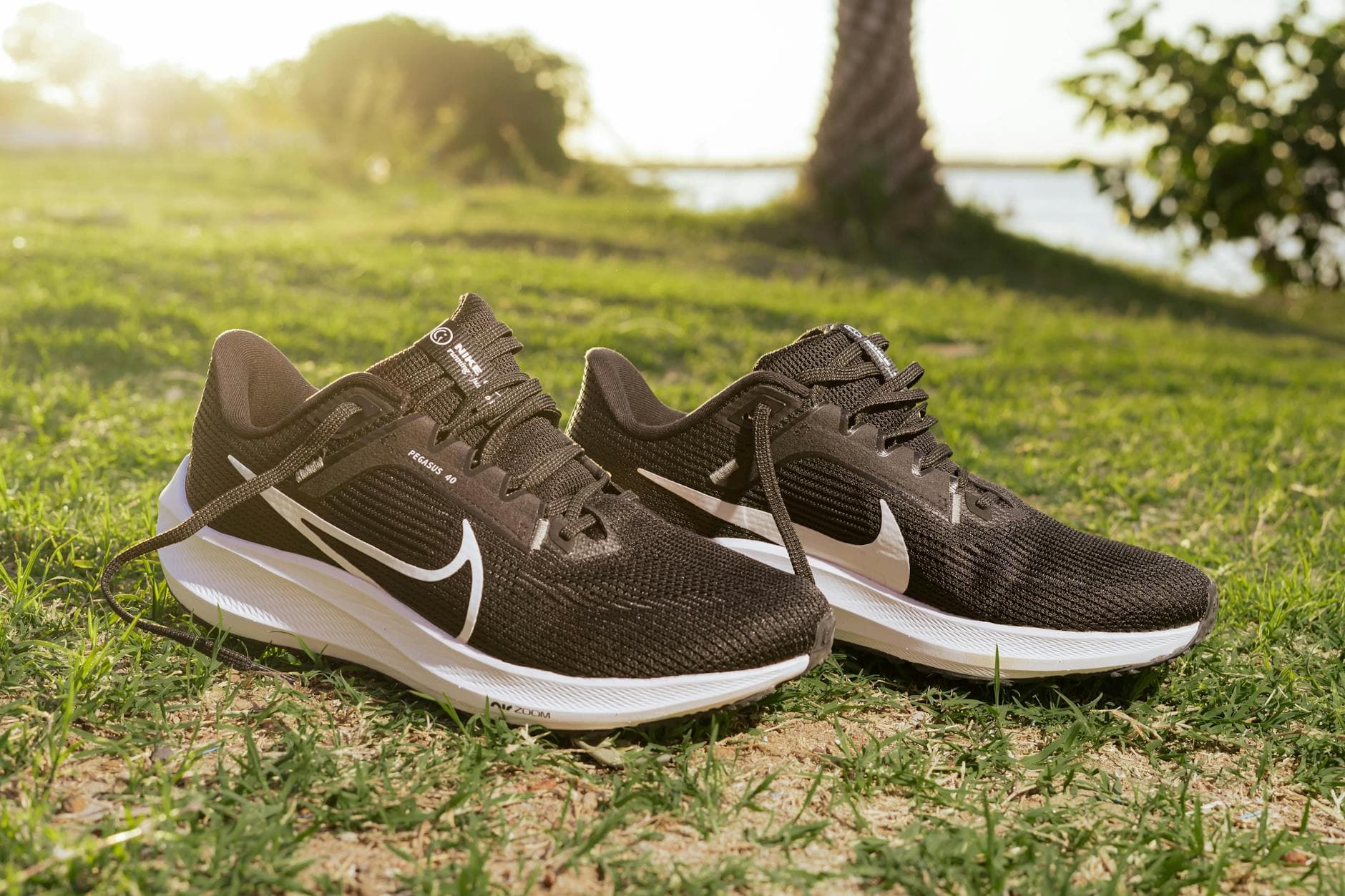
Finding Your Sole Mate: The Ultimate Guide to the Best Running Shoes
Let’s get one thing straight right off the bat: there's no single pair of the best running shoes that magically works for everyone. I see it all the time, people chasing the latest trend or what their buddy swears by, only to end up with blisters or knee pain. It’s not about hype; it’s about finding what works for *your* unique stride, *your* body, and *your* running goals. Think of it like finding a good friend – it takes a little effort, some honest self-assessment, and maybe trying a few out before you click.
Why Your Running Shoe Choice Matters More Than You Think
Picking the right running shoes isn't just about comfort, though that’s a huge part of it. It’s about injury prevention, performance enhancement, and honestly, just making your runs more enjoyable. When you’re pounding the pavement (or the trail!), your feet and legs take a serious beating. The right shoe acts as your personal shock absorber and support system. Get it wrong, and you're inviting trouble like shin splints, plantar fasciitis, or worse.
The Myth of "The Perfect Shoe"
You’ve probably seen ads or heard runners rave about a specific model, calling it the absolute best. Here’s the truth: that shoe might be amazing for them, but it could be a disaster for you. We all have different foot strikes, arch heights, and biomechanics. What works for a neutral runner might be terrible for someone who overpronates. It’s a deeply personal quest.
Understanding the Different Types of Running Shoes
Before we dive into specific recommendations, let's break down the main categories. This is where you start to narrow down your search for the best running shoes.
Road Running Shoes: Pavement Pounders
These are your everyday workhorses. Designed for the hard, unforgiving surfaces of asphalt and concrete, road running shoes prioritize cushioning and a smooth ride. They typically have a flatter outsole with more flex and are built to absorb impact from repetitive strides. If you're mostly running on streets, sidewalks, or treadmills, this is likely your go-to category.
Cushioned Running Shoes: The Cloud Walkers
Within the road running umbrella, cushioned running shoes are king for many. They feature ample foam in the midsole to provide a plush, comfortable feel. This is fantastic for longer runs or for runners who want maximum shock absorption. Think of them as mini trampolines for your feet, softening the blow with every step. Brands like Hoka and Brooks often excel here.
Lightweight Running Shoes: Speed Demons
On the flip side, lightweight running shoes are all about agility and speed. They strip away some of the excess cushioning and structure to reduce weight. These are great for tempo runs, races, or for runners who prefer a more responsive, connected-to-the-ground feel. You’ll often find them with less plush midsoles but a snappier ride.
Trail Running Shoes: Conquer the Wild
These are a different breed entirely. Trail running shoes are built to tackle unpredictable terrain – think mud, rocks, roots, and uneven surfaces. They boast aggressive outsoles with deep lugs for superior traction, more durable uppers to protect against debris, and often a stiffer construction for stability on technical trails. If your idea of a run involves leaving the pavement behind, you’ll want to explore trail running shoes.
Grip and Protection: The Trail Warrior's Needs
The primary focus here is grip. Those deep, widely spaced lugs on the outsole bite into the dirt and mud, giving you confidence on slippery descents and climbs. Many trail shoes also incorporate rock plates in the midsole to shield your feet from sharp objects. The uppers are usually made of tougher materials, sometimes with reinforced toe bumpers.
How to Choose Running Shoes: Your Personal Checklist
Okay, so you know the types. Now, how do you actually pick the right pair? This is where the real work (and the fun!) begins.
Know Your Foot Type and Gait
This is non-negotiable. Understanding your arch height and pronation pattern is crucial. Pronation is the natural inward rolling of your foot as it strikes the ground.
Neutral Pronation: The Balanced Stride
If your foot rolls inward a normal amount, you’re likely a neutral pronator. Most runners fall into this category. You can generally wear a wide range of shoes, but neutral road running shoes or trail running shoes are usually your best bet.
Overpronation: The Inner Roll
Overpronators’ feet roll inward excessively. This can put extra stress on your ankles and knees. You’ll typically need stability running shoes, which have features like medial posts or guide rails to help control the inward roll.
Supination (Underpronation): The Outer Roll
Supinators’ feet don’t roll inward enough, placing stress on the outer edge. This is less common. You’ll generally do best with highly cushioned, flexible shoes that encourage a more natural foot motion.
Consider Your Running Surface and Goals
Where are you running, and what are you trying to achieve? These questions will heavily influence your choice for the best running shoes.
Pavement vs. Trail: The Obvious Divide
This is the most straightforward decision. If 90% of your miles are on roads, don’t buy trail shoes. If you’re constantly venturing off-road, road shoes will wear out quickly and offer poor traction.
Speedwork vs. Long Runs: Different Needs
For speedwork or races, you might opt for a lighter, more responsive shoe. For your long, slow runs, cushioning and comfort become paramount. Some runners even have multiple pairs for different types of runs.
The Importance of Fit and Feel
This is where the coffee-shop chat really comes in. You can read all the running shoe reviews in the world, but if the shoe doesn't feel right on *your* foot, it’s a no-go.
That Perfect Fit: Not Too Tight, Not Too Loose
When trying on shoes, make sure there’s about a thumb’s width of space between your longest toe and the end of the shoe. Your heel should feel secure without slipping. The midfoot should feel snug but not constricted.
The Test Run: Feel the Difference
Many specialty running stores offer a treadmill or a short outdoor run to test shoes. This is invaluable. Pay attention to how the shoe feels with each stride. Does it feel natural? Is there any pinching or rubbing? This is the moment of truth.
My Personal Journey with Running Shoes: A Tale of Blisters and Breakthroughs
I’ll be real with you, my early running days were… rough. I was convinced that the most expensive, flashiest shoes were the answer. I remember buying a pair of neon green racing flats because they looked cool and a friend said they were super fast. For about two miles, they felt amazing. Then, my arches started screaming, and I developed a blister the size of a quarter on my heel. It took weeks to recover.
That experience taught me a brutal but valuable lesson: aesthetics and popularity don't equal suitability. I eventually found a local running store where they actually watched me run on a treadmill and talked through my goals. They steered me towards a pair of Brooks Ghost, a classic cushioned road running shoe. Suddenly, running felt… good. The pain vanished, and I started looking forward to my runs. It was a revelation! Later, when I started exploring local trails, I discovered the Salomon Speedcross – a completely different beast, but perfect for the rocky, root-filled paths I was tackling. This is why understanding your needs is so critical.
Top Running Shoe Brands and What They're Known For
While personal preference is key, certain running shoe brands have built reputations for specific strengths. This can be a helpful starting point when looking for the best running shoes.
Hoka: The Cushioning Champions
Hoka is practically synonymous with maximal cushioning. Their shoes often feature thick, plush midsoles that provide an incredibly soft ride. They’re a favorite for long-distance runners, those recovering from injuries, or anyone seeking ultimate comfort.
Brooks: The Reliable All-Rounders
Brooks consistently ranks high in running shoe reviews. They offer a great balance of cushioning, support, and durability across their range. Models like the Ghost (neutral) and Adrenaline GTS (stability) are incredibly popular and for good reason.
New Balance: Versatility and Wide Fits
New Balance is known for offering a wide range of widths, which is a lifesaver for many runners. They have solid options for both neutral and stability seekers, often with a good blend of responsiveness and cushioning.
Saucony: Performance and Innovation
Saucony often impresses with its innovative foam technologies and performance-oriented designs. They have shoes that cater to speedsters, everyday trainers, and those needing a bit more support.
Asics: The Classic and the Modern
Asics has a long history in running, known for their GEL cushioning system. While they have many traditional, well-cushioned models, they’re also pushing boundaries with newer, lighter foams and designs.
Nike: The Cutting Edge and the Iconic
Nike is always at the forefront of shoe technology, especially in their performance and racing lines. They offer everything from highly responsive marathon shoes to comfortable everyday trainers.
Salomon: Trail Masters
When it comes to trail running shoes, Salomon is often the first name that comes to mind. They excel in providing excellent grip, protection, and stability for off-road adventures.
The Future of Running Shoe Technology
The world of running shoes is constantly evolving. You'll see new foam compounds offering better energy return, lighter yet more durable upper materials, and even embedded sensors in some high-tech models. It’s an exciting time to be a runner, with constant advancements aimed at improving comfort, performance, and injury prevention.
Carbon Plates: The Speed Boosters
You’ve likely heard about carbon fiber plates embedded in the midsoles of some shoes. These are designed to improve running economy and propulsion, giving runners an extra edge, especially in races. While not for everyone, they represent a significant technological leap.
Sustainable Materials: Running Green
More and more brands are focusing on using recycled and sustainable materials in their shoes. This is a positive trend that allows runners to tread lighter on the planet.
Making Your Final Decision
Finding the best running shoes is an investment in your health and your running journey. Don't rush it. Take your time, do your research, and most importantly, listen to your body. A shoe that feels great for a mile might feel terrible after five.
Remember, this isn't just about buying a product; it's about finding a tool that will help you achieve your fitness goals, whether that’s completing your first 5K, tackling an ultramarathon, or simply enjoying a peaceful jog in nature. Think about how much time you spend on your feet, and how much impact your running has. Investing in the right pair is one of the smartest moves you can make for your athletic endeavors. This is why understanding your gait and trying shoes on is so important, and why seeking advice from experts at specialty running stores can be incredibly beneficial. You might even find yourself exploring new forms of exercise, like incorporating some high-intensity cardio or trying out interval training workouts once you’re comfortable and injury-free. Even a simple bodyweight workout at home can complement your running routine. And when the weather's nice, don't forget to enjoy some spring cardio outdoors, perhaps even followed by some restorative spring yoga poses.
Ultimately, the "best" running shoes are the ones that make you want to lace up and hit the road or trail again and again. Happy running!