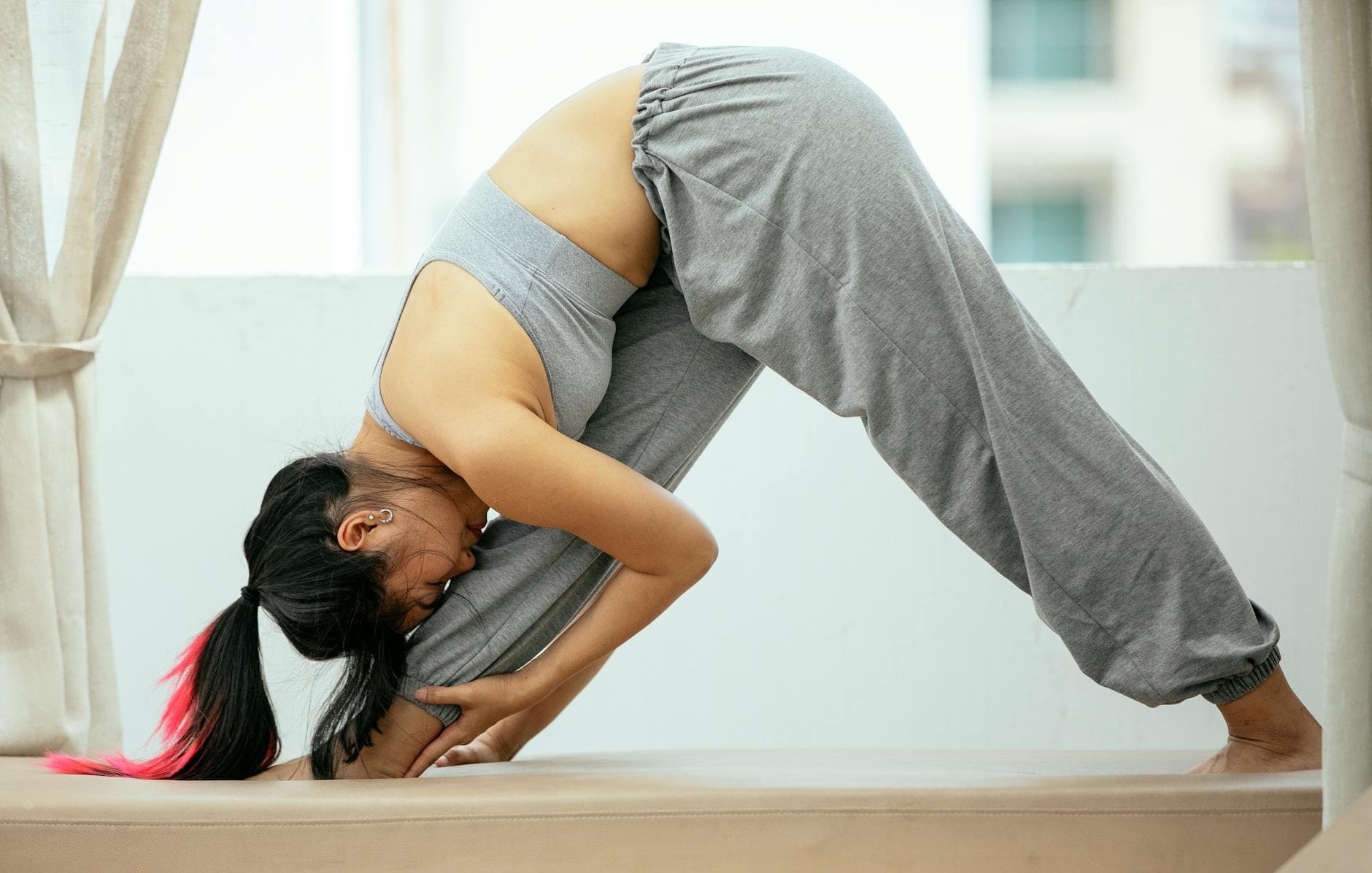
Do you ever feel like your body is a tightly wound spring, constantly on the verge of snapping? That feeling of stiffness, the ache in your shoulders after a long day, the general sense of being… stuck? I’ve been there. For years, I chased quick fixes, thinking more intense workouts were the only way to progress. Then I discovered the profound, transformative power of a dedicated yoga stretching routine. It’s not about contorting yourself into impossible shapes; it’s about listening to your body, building resilience, and unlocking a fluidity you might not have thought possible. This isn’t just about touching your toes; it's about living better, feeling better, and moving through life with a grace that only comes from a truly integrated body and mind.
Finding Your Flow: The Foundation of a Yoga Stretching Routine
When I first started exploring yoga, I was all about the 'power' poses, the ones that looked impressive. But I quickly learned that the real magic happens in the stillness, in the gentle unfolding. A truly effective yoga stretching routine isn't about pushing through pain; it's about mindful engagement. It’s about understanding that flexibility isn't just a physical attribute; it’s a gateway to better posture, reduced injury risk, and even improved mental clarity. You've probably noticed how much better you feel after a good stretch, even a simple one. Imagine amplifying that feeling, making it a consistent part of your life.
The Gentle Approach to Flexibility
I used to think flexibility training meant hours of static holds that left me feeling more frustrated than limber. But gentle yoga for flexibility is a game-changer. It focuses on moving through a range of motion with control, rather than forcing it. This approach respects your body's current limits and encourages gradual, sustainable improvement. Think of it like coaxing a shy flower to bloom, rather than yanking it open.
Understanding Your Tight Muscles
Here's the thing: most of us have chronically tight muscles, whether from sitting at a desk all day, repetitive movements, or simply not moving enough. Stretching exercises for tight muscles, when done correctly within a yoga framework, can release that built-up tension. It’s about identifying those areas – often the hamstrings, hips, and shoulders – and giving them the attention they need.
The Importance of Breath
I can't stress this enough: your breath is your anchor in any yoga stretching routine. It's not just about inhaling and exhaling; it's about using your breath to deepen stretches, calm your nervous system, and bring your awareness inward. When you breathe deeply into a tight spot, you’re not just stretching muscle; you’re sending a signal of relaxation and release.
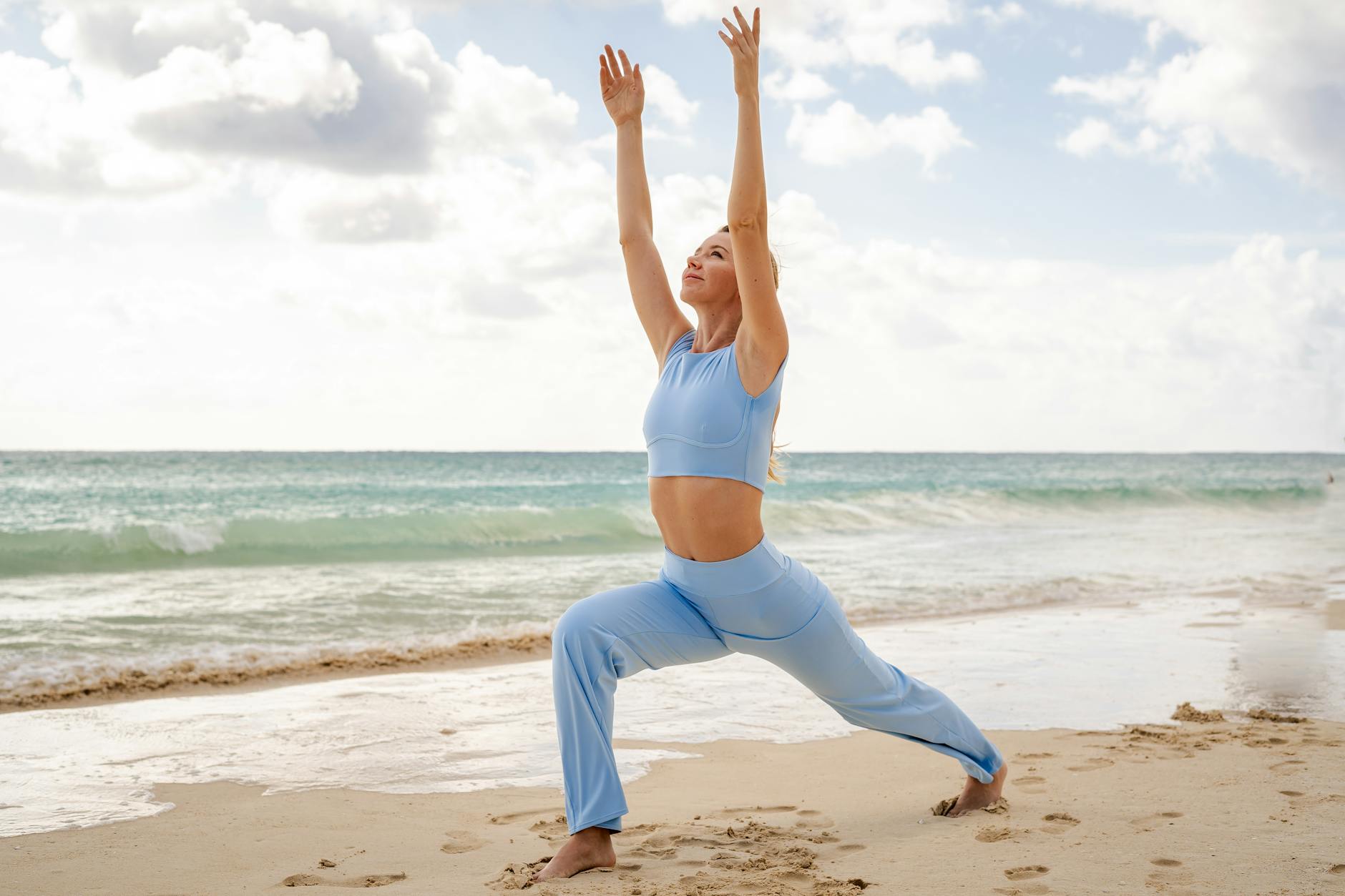
Crafting Your Daily Yoga Stretch: Consistency is Key
The biggest hurdle for many people, myself included, is consistency. We start with grand intentions, but life gets in the way. The beauty of a daily yoga stretch is that it doesn't need to be an hour-long ordeal. Even 10-15 minutes can make a world of difference. It’s about building a habit, a small ritual that prioritizes your well-being.
Morning Yoga for Energy
I’ll be real with you, my mornings used to be a sluggish affair. Now, I start with a short, invigorating yoga session. It’s not about intense poses; it’s about awakening the body gently. Think of poses that open the chest and spine, like Cat-Cow or gentle Sun Salutations. This kind of morning yoga for energy sets a positive tone for the entire day. You feel more alert, more centered, and ready to tackle whatever comes your way.
Evening Wind-Down: Bedtime Yoga Stretch
This one surprised me. I never thought I’d be able to relax enough for yoga before bed. But a slow, deliberate bedtime yoga stretch has become non-negotiable for me. It’s about releasing the day’s accumulated stress and preparing your body for restful sleep. Poses like Child's Pose, Legs-Up-the-Wall, and gentle twists are absolute gold for this. It’s a form of active recovery that helps you truly switch off. I've found that my sleep quality has improved dramatically since incorporating this.
Integrating Movement into Your Day
Beyond dedicated practice times, look for opportunities to weave in mini-stretches. A quick forward fold at your desk, a shoulder roll while waiting for the kettle to boil – these small moments add up. It’s about cultivating a body-aware mindset throughout your entire day.
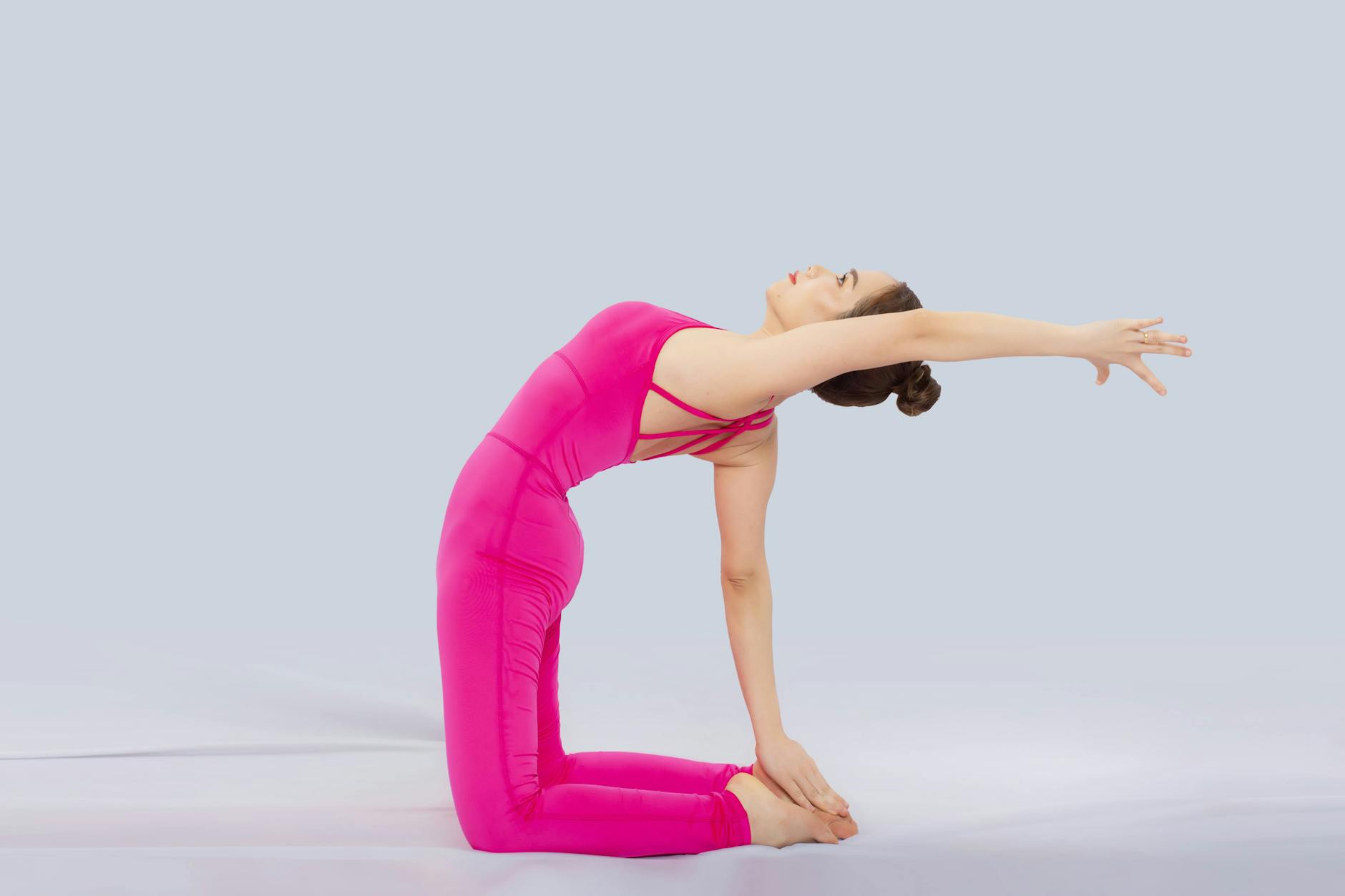
A Full Body Yoga Stretch: Addressing Every Nook and Cranny
When you’re ready to commit to a more comprehensive practice, a full body yoga stretch is incredibly rewarding. It ensures that no area of your body is neglected, leading to better overall balance and mobility. It’s about creating a harmonious system, where every part works efficiently with the others.
The Power of the Hamstring Stretch
Let’s talk about hamstrings. So many of us have incredibly tight hamstrings. This can lead to all sorts of compensatory issues, like lower back pain. Forward folds, like Paschimottanasana (Seated Forward Bend), are crucial. Remember, you don’t need to touch your toes. Focus on hinging from your hips, keeping your spine long, and breathing into the stretch. If your hamstrings are really tight, bending your knees is perfectly fine.
Opening the Hips for Freedom
Tight hips can restrict movement in both your lower and upper body, and they’re a common culprit for back pain. Poses like Pigeon Pose (Eka Pada Rajakapotasana) or Butterfly Pose (Baddha Konasana) are excellent. Again, listen to your body. Modifications are key. For Pigeon, using a block under your hip can make a world of difference. This kind of work is essential for improving flexibility with yoga.
Releasing the Shoulders and Neck
The modern world seems to conspire against our shoulder and neck health. From hunching over computers to carrying stress, these areas bear the brunt. Gentle neck rolls, shoulder shrugs, and poses like Cow Face Pose (Gomukhasana) arms can work wonders. Even simple Thread the Needle pose is fantastic for releasing tension between the shoulder blades.
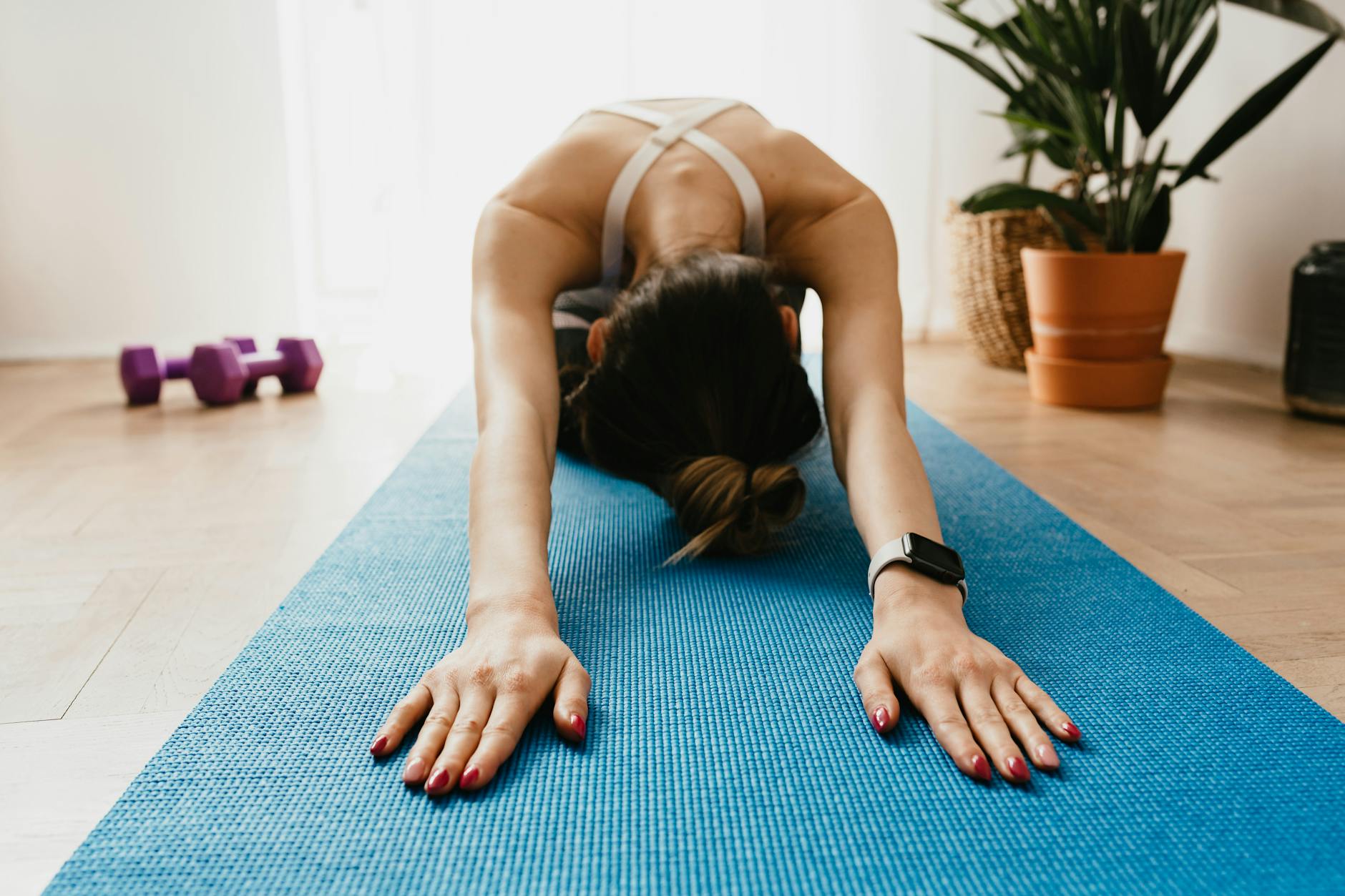
Beginner Yoga Stretching: Starting Strong, Staying Safe
If you’re new to this, the idea of a yoga stretching routine might feel intimidating. But beginner yoga stretching is all about accessibility and building a solid foundation. There’s no need to jump into advanced poses. The focus should be on learning proper alignment and understanding how your body feels in each pose.
Finding the Right Resources
Look for classes or online resources specifically designed for beginners. These will guide you through the basics of poses and breathing techniques. Many studios offer introductory workshops or beginner series. I found that attending in-person classes initially really helped me understand the nuances of each posture and how to avoid injury.
Modifications are Your Friend
Never feel ashamed to use props like blocks, straps, or blankets. They aren't crutches; they're tools that help you access poses safely and effectively. A block under your hands in a forward fold, for instance, allows you to maintain a long spine even if you can't reach the floor. This is crucial for anyone looking for yoga for back pain relief.
Listen, Listen, Listen
This is the most important piece of advice I can give to beginners. Your body will tell you what it needs. If something feels sharp or painful, back off. Yoga is about honoring your body's signals, not pushing past them. This principle is echoed in much of the Mayo Clinic research on yoga stretching routine.
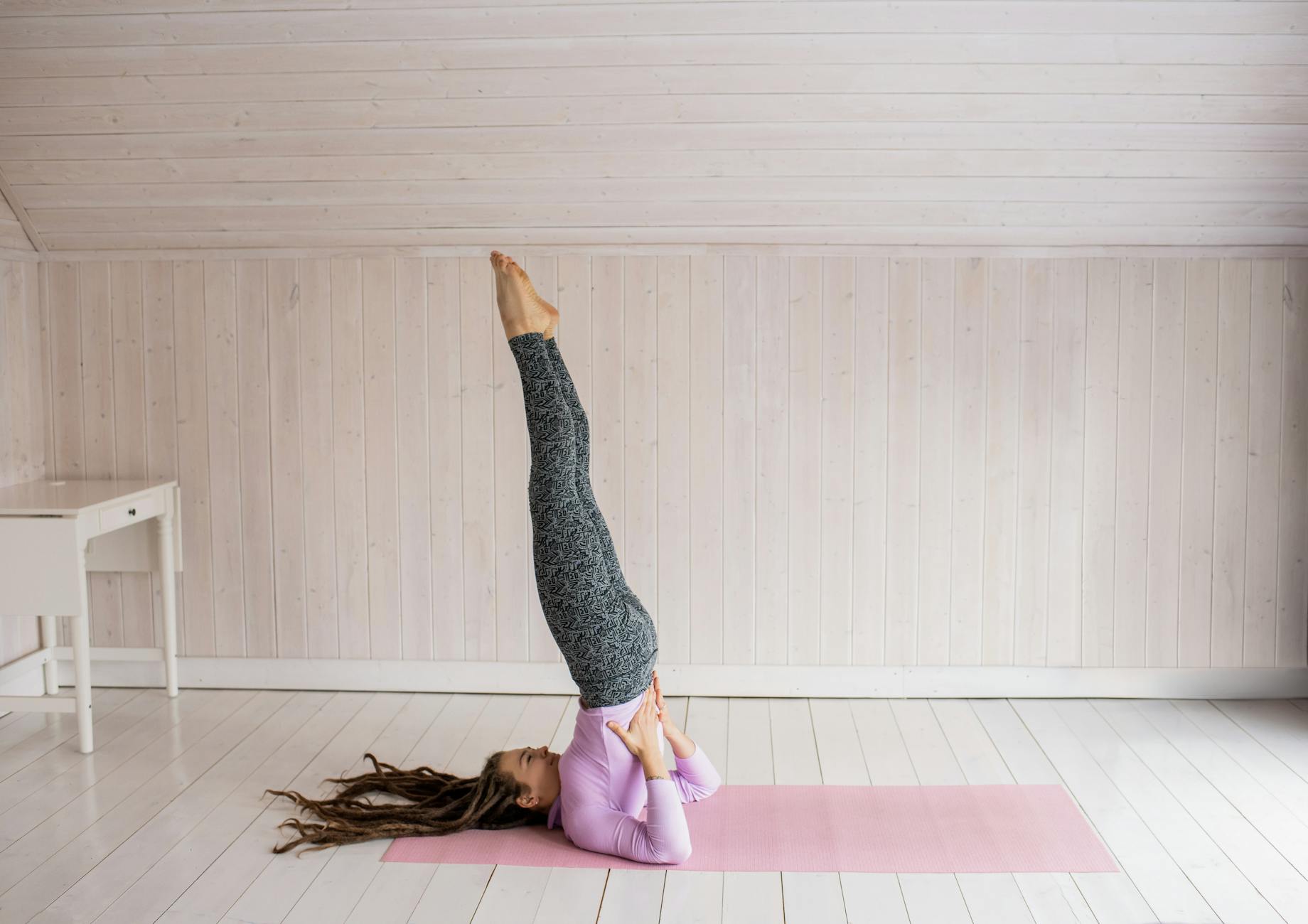
Beyond the Mat: Stress Relief and Overall Well-being
A consistent yoga stretching routine does more than just improve your physical flexibility; it’s a powerful tool for stress relief yoga. The combination of mindful movement and focused breathing calms the nervous system, reducing the production of stress hormones like cortisol. This is something I've experienced firsthand, and it's a significant reason why I continue to practice.
Cultivating Mindfulness
The practice of yoga encourages you to be present in the moment. When you’re focusing on your breath and the sensations in your body, your mind has less room to wander to worries and anxieties. This heightened awareness can spill over into your daily life, helping you to approach challenges with a calmer, more centered perspective.
The Mind-Body Connection
This connection is at the heart of yoga. As you work through a full body yoga stretch, you become more attuned to the subtle signals your body sends. This increased awareness can help you identify the early signs of stress or tension and address them before they become overwhelming. It’s about building a more integrated relationship with yourself.
Improving Your Range of Motion for Life
Think about the everyday activities you take for granted. Reaching for something on a high shelf, bending down to tie your shoes, even just turning your head to look behind you. When your body is stiff and restricted, these simple movements can become challenging or even painful. A consistent yoga stretching routine, like the ones found in a comprehensive flexibility exercises list, helps to maintain and improve your range of motion, making life’s movements feel easier and more fluid. This is why I advocate so strongly for making this a regular part of your health regimen. It's not just about looking good; it's about feeling capable and strong in your own skin.
The journey with a yoga stretching routine is ongoing. There will be days when you feel incredibly open and days when you feel stubbornly tight. The key is to show up, to be consistent, and to approach your practice with kindness and patience. It’s a marathon, not a sprint, and the rewards – a more resilient body, a calmer mind, and a greater sense of ease in your everyday life – are absolutely worth the effort. Start small, stay dedicated, and let the gentle power of yoga unfold within you.