
I remember the first time I really *felt* it. It was a crisp spring morning, the kind where the air still has a bit of a bite, but the sun promises warmth. I was wrestling with a stubborn patch of weeds that had taken over a corner of my yard. My back was aching, my knees were protesting, and I was definitely sweating. Then, it hit me: this wasn't just a chore; this was a workout. This was gardening for exercise, and it was far more satisfying than any gym session I’d had in weeks.
You've probably noticed the way your body feels after a solid session in the garden. It’s that deep, satisfying ache that tells you you’ve worked muscles you didn’t even know you had. It’s the feeling of accomplishment, not just from a tidy flowerbed, but from a body that’s been moved, stretched, and strengthened. This isn't about high-intensity interval training or crushing personal bests on the treadmill; it's about a sustainable, enjoyable way to get fit while connecting with something real and tangible.
Unearthing the Fitness Potential of Your Garden
Many people think of gardening as a gentle hobby, a way to relax and unwind. And it absolutely can be. But I'll be real with you, it's also a surprisingly robust form of physical activity. When you start to look at it through the lens of fitness, you unlock a whole new dimension to this age-old practice.
More Than Just Digging: The Aerobic Benefits
Think about the motions involved in gardening. You’re bending, reaching, lifting, twisting, and often walking or kneeling for extended periods. These aren't static movements; they’re dynamic and often repetitive, which is exactly what you need for cardiovascular health. Tasks like digging, shoveling soil, and even vigorously weeding can elevate your heart rate significantly. It’s a form of moderate-intensity exercise that, according to Harvard Health research on gardening for exercise, can burn a surprising number of calories. For instance, an hour of vigorous gardening can burn upwards of 300-400 calories, depending on your intensity and body weight. That’s comparable to a brisk walk or a moderate cycling session.
Building Strength Through Soil and Seedlings
It’s not just your heart that gets a workout. The act of digging and moving soil engages your core, back, and leg muscles. Lifting bags of compost or mulch works your arms and shoulders. Even the simple act of pushing a wheelbarrow is a fantastic resistance exercise. When you’re consistently performing these actions, you’re building functional strength. This is the kind of strength that translates directly into everyday life, making those trips to the grocery store or carrying your kids feel easier.
Flexibility and Balance: The Unsung Heroes
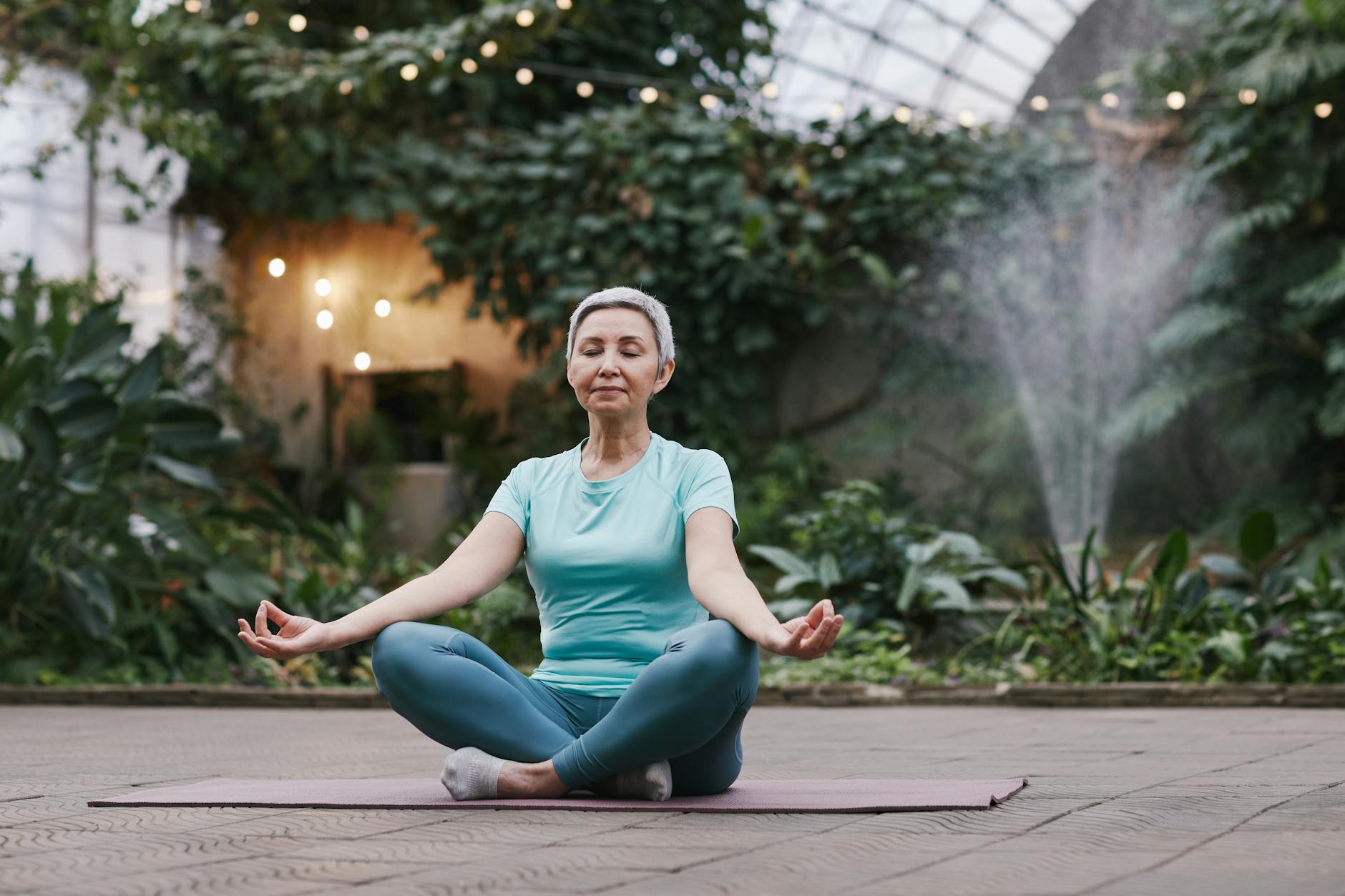
This one surprised me when I first started paying attention. As you reach for those distant weeds or bend down to plant a delicate seedling, you’re naturally improving your flexibility. You’re working through a range of motion that many sedentary activities simply don't offer. Think of a good yoga stretching routine; gardening often mimics these natural movements. Furthermore, maintaining balance while working on uneven ground or on your knees requires subtle adjustments that strengthen your stabilizing muscles and improve your overall proprioception. This can be particularly beneficial as we age, helping to prevent falls.
Getting Started: Your Beginner Gardening Workout Plan
If you’re new to both gardening and structured exercise, the idea of diving in might seem a little daunting. But here’s the thing: you don’t need to have a sprawling estate or a degree in horticulture to reap the fitness rewards. A small patch of earth, a few pots on a balcony, or even a raised bed can be your personal fitness studio.
Choosing Your Plot: Small and Mighty
Don’t feel pressured to create a massive garden right away. Start small. A few raised beds or even a collection of containers can provide plenty of opportunities for physical activity. This is where beginner running schedule thinking applies – start manageable and build up. Consider what you enjoy eating or looking at. Herbs, salad greens, and a few favorite flowers are excellent starting points for beginner gardening. The smaller scale makes tasks less overwhelming and allows you to focus on the movements rather than the sheer volume of work.
The Essential Tools for a Fit Gardener
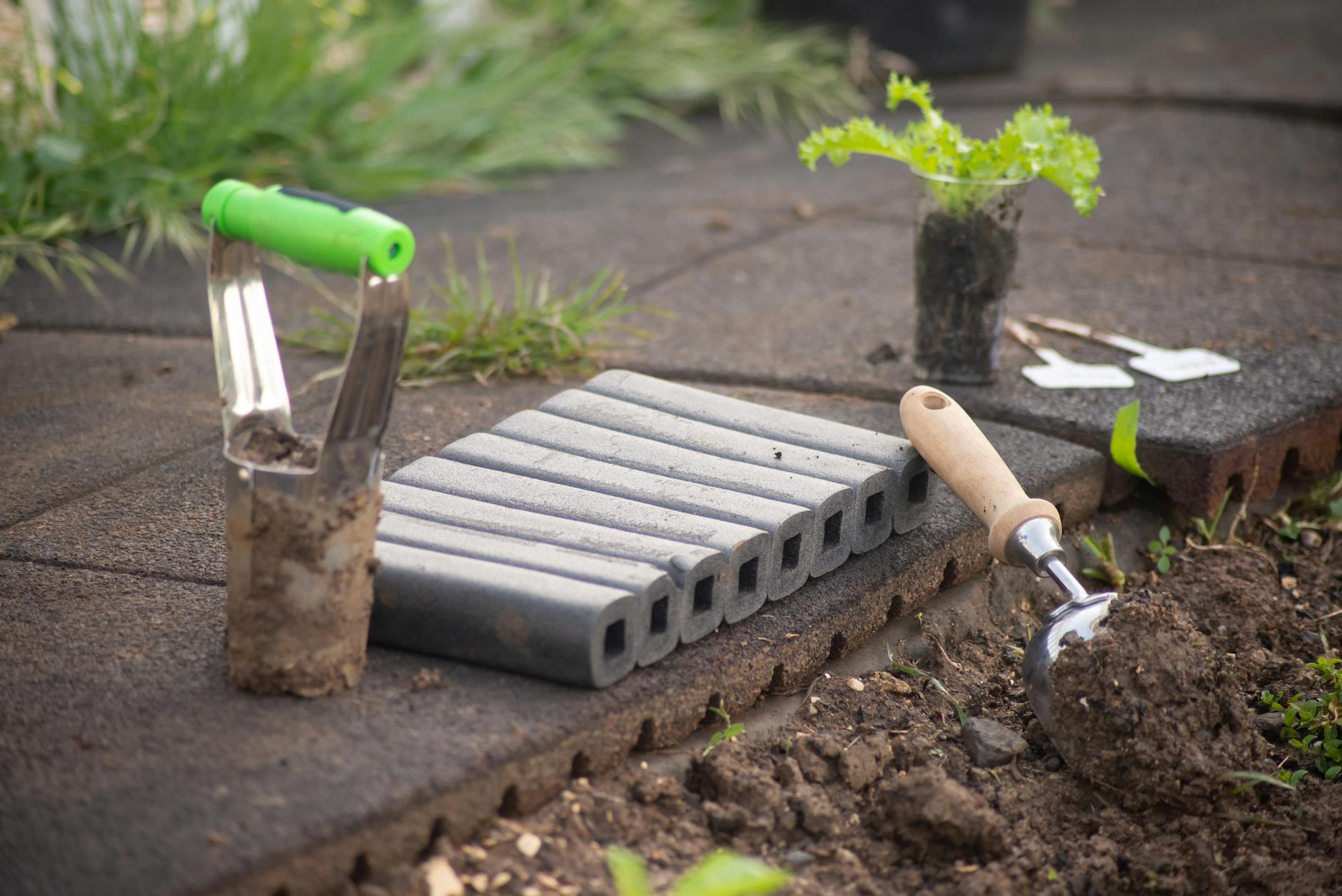
You don’t need a professional landscaper’s arsenal. A good pair of gardening gloves, a sturdy trowel, a hand fork, and perhaps a small shovel are excellent starting points. A watering can or a hose attachment will also be essential. If you plan on moving soil or compost, a wheelbarrow is a great investment, but you can also start with smaller buckets. Think about ergonomics; tools with longer handles can reduce the need for excessive bending, which is a smart way to protect your back.
Warm-Up and Cool-Down: Non-Negotiable Steps
Just like any other form of exercise, a proper warm-up and cool-down are crucial for preventing injuries and maximizing your workout. Before you start digging, spend five to ten minutes doing some light cardio and dynamic stretches. A few minutes of walking around your yard, some arm circles, leg swings, and torso twists will get your blood flowing and your muscles ready. When you’re finished, take another five minutes to do some static stretches, holding each stretch for 20-30 seconds. Focus on your hamstrings, quads, shoulders, and back. This might seem like a small thing, but it makes a world of difference.
Gardening Physical Activity: Making Every Movement Count
Once you’re in the garden, it’s easy to get lost in the task at hand. But if your goal is fitness, you can consciously make your movements more effective. This is about mindful movement, not just mindless work.
The Power of Proper Form
This is so important. When you’re digging, for example, instead of just hunching over and using your back, bend your knees and lift with your legs. Think of it like a deadlift. When you’re weeding, engage your core and twist your torso rather than just reaching with your arms. For tasks like pruning or deadheading, use a controlled motion. Good form not only makes your workout more effective but also significantly reduces your risk of injury. I’ve seen too many people strain their backs because they weren’t thinking about their posture.
Vary Your Tasks for a Full-Body Workout
Don’t get stuck doing the same thing for hours. Mix it up! Spend 30 minutes digging, then move on to planting for 20 minutes, followed by an hour of weeding. This variety ensures you’re engaging different muscle groups and prevents fatigue from setting in too quickly. It also keeps things interesting. You might find you enjoy certain tasks more than others, but by cycling through them, you’re getting a more balanced workout. This is akin to how What is HIIT? Your Ultimate Guide to High-Intensity Workouts involves switching between different exercises to keep your body challenged.
Hydration and Pacing: Listening to Your Body
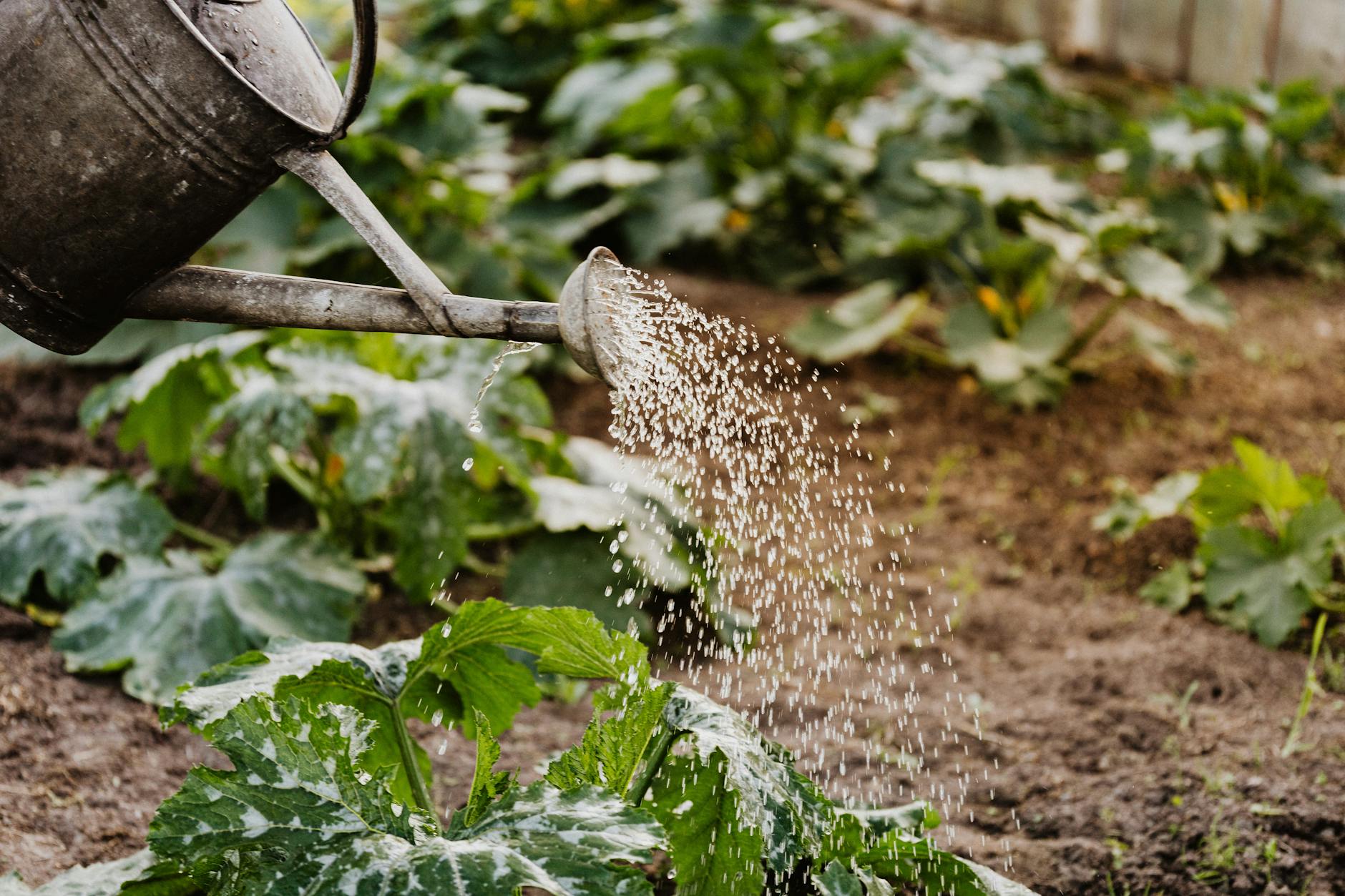
This is a big one, especially during the warmer months. You need to stay hydrated. Keep a water bottle nearby and sip it regularly. Don’t wait until you feel thirsty; by then, you’re already starting to dehydrate. Also, learn to pace yourself. If you’re new to this level of activity, don’t try to do six hours straight on your first day. Start with an hour or two, and gradually increase the duration and intensity as your fitness improves. This approach is much more sustainable and enjoyable than pushing yourself too hard and burning out.
The Health Benefits of Being in Nature Through Gardening
Beyond the direct physical exertion, there’s a profound mental and emotional component to gardening that significantly enhances its health benefits. The simple act of being outdoors and connecting with the earth has a powerful, restorative effect.
Stress Reduction and Mood Enhancement
Numerous studies have shown that spending time in nature, even for short periods, can lower stress hormones like cortisol. The act of nurturing plants and watching them grow can be incredibly therapeutic. The focus required for gardening can act as a form of mindfulness, drawing your attention away from worries and anxieties. This is why many people find yoga stretching routine and gardening to be complementary practices for mental well-being. The World Health Organization research on gardening for exercise often highlights these psychological advantages.
Improved Cognitive Function
Engaging in activities that require problem-solving, planning, and fine motor skills, like gardening, can help keep your brain sharp. Planning your garden layout, identifying plant needs, and troubleshooting issues all contribute to cognitive engagement. This mental stimulation is just as important as the physical aspect for overall health.
Sunlight and Vitamin D: A Natural Boost
When you’re spending time outdoors gardening, you’re naturally exposed to sunlight. This is essential for your body to produce Vitamin D, which plays a crucial role in bone health, immune function, and mood regulation. Of course, it’s important to practice sun safety by wearing sunscreen and a hat, but don’t shy away from the benefits of natural light.

Gardening Tips for Beginners Focused on Fitness
If you’re ready to start your journey into gardening for exercise, here are a few extra tips to keep your fitness goals in mind as you get going.
Start with Low-Impact Gardening Exercises
For many, the initial concern is about the physical demands. Begin with less strenuous activities. Container gardening, for example, often involves less bending and heavy lifting than in-ground beds. Gentle weeding, watering with a hose, and planting seedlings in pots are great ways to ease into it. Think of these as your warm-up exercises in the garden. As your stamina and strength build, you can gradually tackle more demanding tasks like digging or moving larger quantities of soil. This is similar to how someone might progress from a fat burning treadmill session to more intense running.
Incorporate Movement Throughout the Day
Don't feel like you have to dedicate a massive block of time to gardening. Even 20-30 minutes here and there can make a difference. Perhaps you spend 15 minutes in the morning watering and checking on your plants, and another 15 minutes in the evening doing some light weeding. Breaking up your activity throughout the day can be more manageable and still provide significant fitness benefits. This intermittent approach can be surprisingly effective for maintaining a consistent level of physical activity.
Listen to Your Body and Adapt
This is perhaps the most crucial piece of advice I can give you. Your body will tell you what it can handle. If something feels painful, stop. Don’t push through sharp pain. There are always modifications you can make. If bending is difficult, use tools with longer handles or create raised garden beds. If kneeling is uncomfortable, invest in a good kneeling pad or a garden stool. The goal is to make gardening a sustainable and enjoyable part of your fitness routine, not a source of injury. The Mayo Clinic research on gardening for exercise consistently emphasizes the importance of listening to your body.
Gardening for exercise is more than just a trend; it's a deeply rewarding way to improve your physical and mental health. It connects you to nature, builds strength, enhances flexibility, and offers a sense of accomplishment that few other activities can match. So, grab a trowel, get your hands dirty, and discover the incredible fitness potential that’s waiting right outside your door. You might just surprise yourself with how much you can achieve.