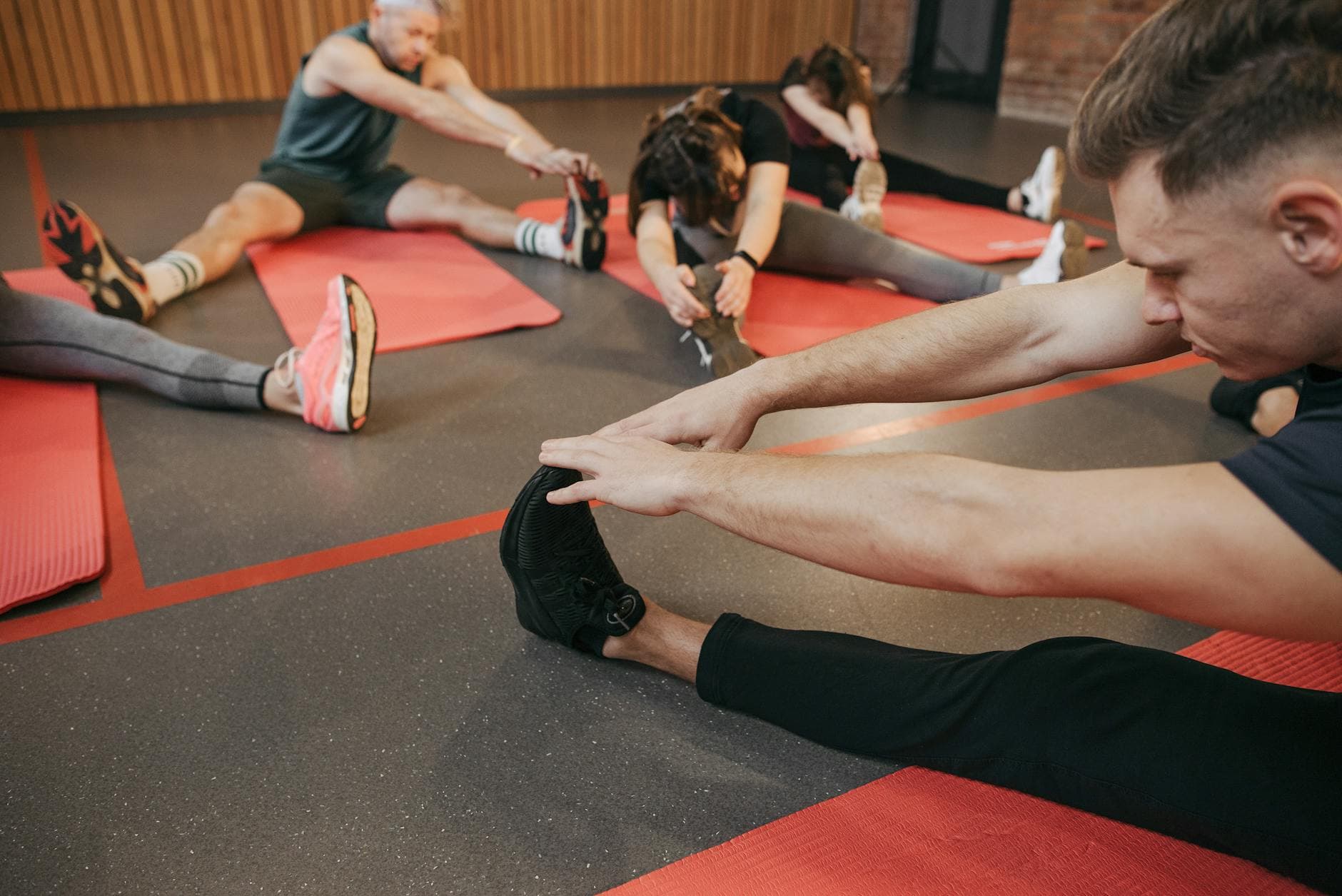
Here's a thought that might make some of you raise an eyebrow: that long, static stretch you do before hitting the weights or going for a run? The one where you hold a stretch for 30 seconds, feeling that deep pull? Honestly, you might be doing more harm than good for your warm-up. For years, we were told this was the way, the absolute gospel for flexibility. But the science, and frankly, my own experience in the gym over two decades, tells a very different story, one that champions dynamic flexibility exercises as the true game-changer for preparing your body.
I'll be real with you, I used to be that guy, pulling my hamstrings until they screamed, thinking I was doing myself a favour. Then I got smarter, I started listening to what my body was actually telling me, and what the evolving research was shouting. The shift to proper dynamic flexibility exercises completely changed my performance, reduced my nagging aches, and helped me move better than ever. It's not just about avoiding injury; it's about unlocking your true athletic potential.
The Truth About Warming Up: Why Static Stretching Falls Short
Think about the last time you saw a sprinter before a race, or a basketball player before tip-off. Are they sitting on the ground, pulling their heel to their butt for 30 seconds? Nope. They're moving, swinging their legs, rotating their torsos. There's a reason for that, and it's backed by solid National Institutes of Health research on dynamic flexibility exercises.
The Old School Approach vs. Modern Science
For decades, the conventional wisdom dictated that a good warm-up involved holding static stretches. We'd stretch cold muscles, often before any real movement, believing it made us more pliable and less prone to injury. This approach, while well-intentioned, can actually temporarily decrease muscle power and strength, which is the last thing you want right before you ask those muscles to perform.
The problem is, static stretching signals your nervous system to relax the muscle. While this is great for increasing overall flexibility *after* a workout, or as a standalone session, it's counterproductive when you need your muscles to be ready for explosive, powerful movements. Your body interprets that deep, held stretch as a signal to chill out, not to fire up.
What Happens When You "Cold" Stretch?
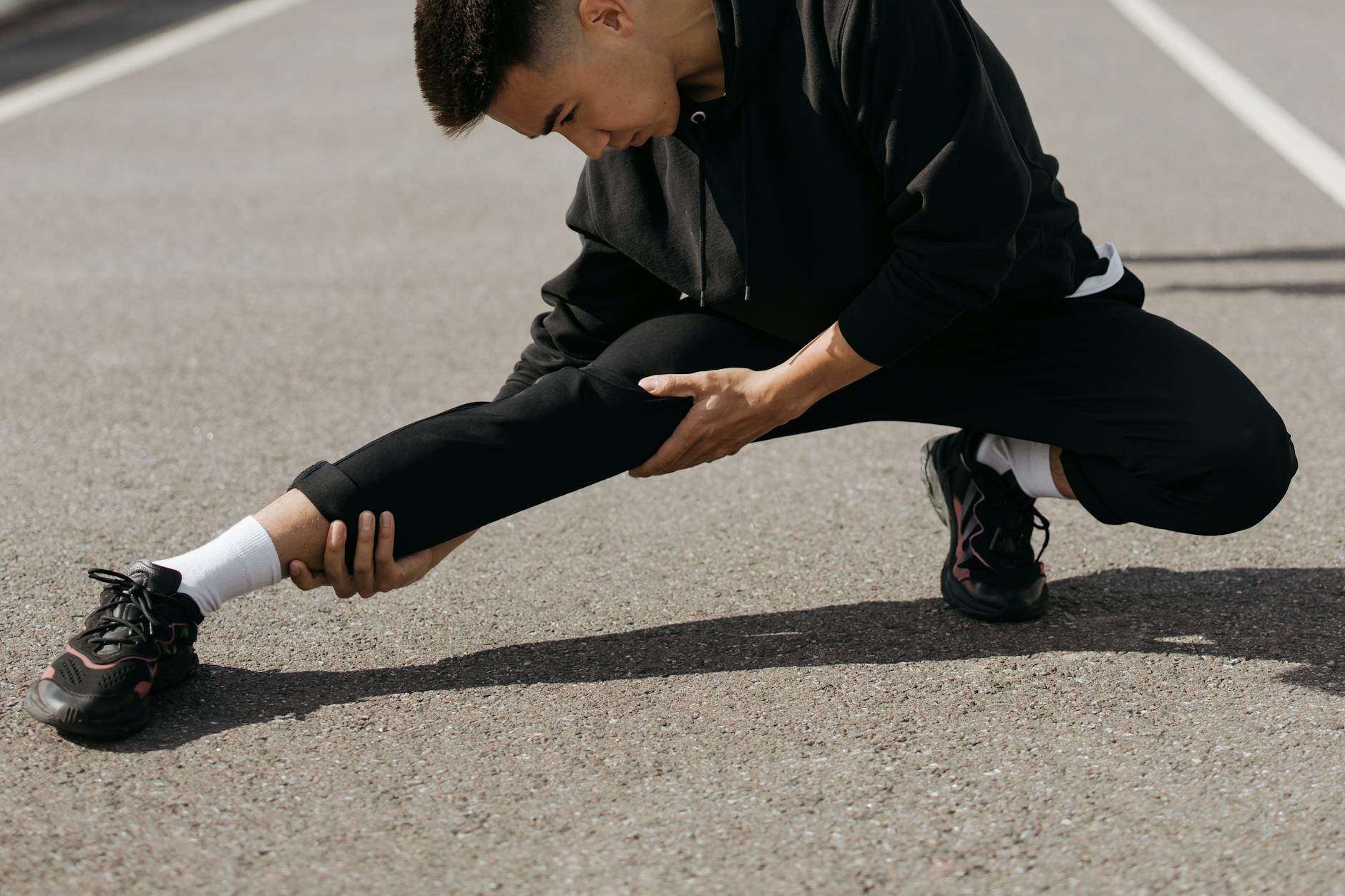
When you take a "cold" muscle and yank it into a deep, held stretch, you're essentially asking it to do something it's not ready for. It's like trying to bend a cold rubber band; it's stiff and more prone to snapping. This can, in some cases, even increase your risk of strain or pull because the muscle isn't warm, elastic, or ready to extend to its full range of motion under tension.
Furthermore, research from institutions like Harvard Health research on dynamic flexibility exercises has highlighted that static stretching before activity doesn't significantly reduce injury risk for most sports. The real benefit comes from preparing the body for the specific movements it's about to perform.
The Real Goal of a Warm-Up
A proper warm-up isn't just about "stretching" in the traditional sense. It's about raising your core body temperature, increasing blood flow to your muscles, activating your nervous system, and moving your joints through their full, functional range of motion. We want to prepare the body for the demands of the upcoming activity, whether it's heavy lifting, a sprint, or just a brisk walk. This is where dynamic warm up exercises truly shine.
What Exactly Are Dynamic Flexibility Exercises?
Okay, so if static stretching isn't the go-to for a warm-up, what is? Enter dynamic flexibility exercises. These aren't passive holds; they're controlled, fluid movements that take your joints and muscles through their full range of motion, gradually increasing that range with each repetition.
Movement with Purpose: Defining Dynamic Stretching
Dynamic stretching exercises involve movement, not holding. Think about arm circles, leg swings, torso twists, or walking lunges. You're actively moving your body parts, using your own muscles to create the stretch. This not only increases flexibility but also gets your blood pumping, warms your muscles, and primes your nervous system for action.
The key here is control. We're not talking about ballistic, uncontrolled movements, but smooth, deliberate motions that gradually increase in amplitude. These active flexibility exercises are designed to mimic the movements you'll perform in your workout or sport, making them incredibly functional.
Active Flexibility vs. Passive Stretching
Here's the thing: active flexibility is when you use your own muscles to move a joint through its range of motion. Passive stretching, on the other hand, involves an external force, like gravity, a partner, or a strap, to push or pull a joint into a stretch. While both have their place in improving your range of motion, active flexibility exercises are superior for pre-workout preparation because they engage the muscles you're about to use.
I like to think of it this way: passive stretching is like getting a massage – someone else is doing the work. Active flexibility is like a light jog – you're doing the work, and your body is getting ready for more work. Both are good, but for different purposes.
More Than Just a Warm-Up: The Broader Benefits
While their primary role is in pre-workout routines, the benefits of dynamic stretching extend far beyond just preparing for exercise. Regular incorporation of these movements can lead to significant improvements in overall types of flexibility exercises, better coordination, enhanced balance, and even improved posture. They're fantastic for joint mobility training and keeping your body feeling limber throughout the day, not just before a big session.
My Go-To Dynamic Flexibility Exercises for a Full Body Warm-Up
Alright, let's get practical. I'm going to share some of my absolute favorite dynamic flexibility exercises that I use personally and recommend to anyone serious about their fitness. These are excellent mobility drills for athletes and everyday movers alike, forming a fantastic full body dynamic stretch routine.
Lower Body Mobility Drills
These are crucial for activating your hips, glutes, and hamstrings – the powerhouses of your lower body.
Leg Swings (Front/Back & Side-to-Side)
- Front & Back: Stand tall, holding onto a wall or sturdy object for balance. Swing one leg forward and backward in a controlled manner, gradually increasing the height of the swing. Keep your core tight and try not to arch your back. Aim for 10-15 swings per leg. This really opens up the hip flexors and hamstrings.
- Side-to-Side: Face the wall, holding on. Swing one leg across your body and then out to the side. Again, controlled, increasing the range. This targets the inner and outer thighs, and the hip abductors/adductors. Do 10-15 per leg.
Walking Lunges with a Twist
This is a brilliant compound movement. Step forward into a lunge, ensuring your front knee is directly over your ankle. As you lunge, twist your torso towards the lead leg. For example, if your right leg is forward, twist to the right. Hold for a quick second, then push off the back foot to stand up and immediately step into a lunge with the opposite leg, twisting in the other direction. Perform 8-10 lunges per leg. It's a superb way to get full body dynamic stretch going, integrating core rotation with leg movement.
Upper Body & Core Activation
Don't neglect your upper body! These movements are vital, especially if you're doing shoulder flexibility exercises or any pressing/pulling movements.
Arm Circles & Cross-Body Swings
- Arm Circles: Stand with your feet shoulder-width apart. Start with small forward circles, gradually making them larger until you're moving your arms through their full range of motion. After 10-15 forward circles, reverse and do 10-15 backward circles. This wakes up the shoulders and upper back.
- Cross-Body Swings: Stand with a slight bend in your knees. Swing your arms across your body, alternating which arm is on top, opening your chest with each swing. Imagine you're giving yourself a big hug, then opening up wide. This is great for the chest, shoulders, and upper back mobility.
Thoracic Rotations
Kneel on all fours, hands under shoulders, knees under hips. Place one hand behind your head. Keeping your hips relatively still, rotate your upper back (thoracic spine) by lifting your elbow towards the ceiling. Follow your elbow with your gaze. Slowly return to the start. Do 8-10 repetitions per side. This one surprised me with how much better my posture felt after incorporating it.
Full Body Flow: Connecting the Dots
These movements combine multiple joint actions, making them incredibly efficient and effective.
Cat-Cow with Extension
Start on all fours. As you inhale, arch your back, drop your belly, and look up (Cow pose). As you exhale, round your spine, tuck your chin to your chest (Cat pose). Then, from the Cat position, extend one arm and the opposite leg straight out, reaching long. Bring them back, then transition back to Cow, then Cat, and extend the other arm/leg. This flowing sequence is amazing for spinal mobility and core engagement.
World's Greatest Stretch (a personal favorite!)
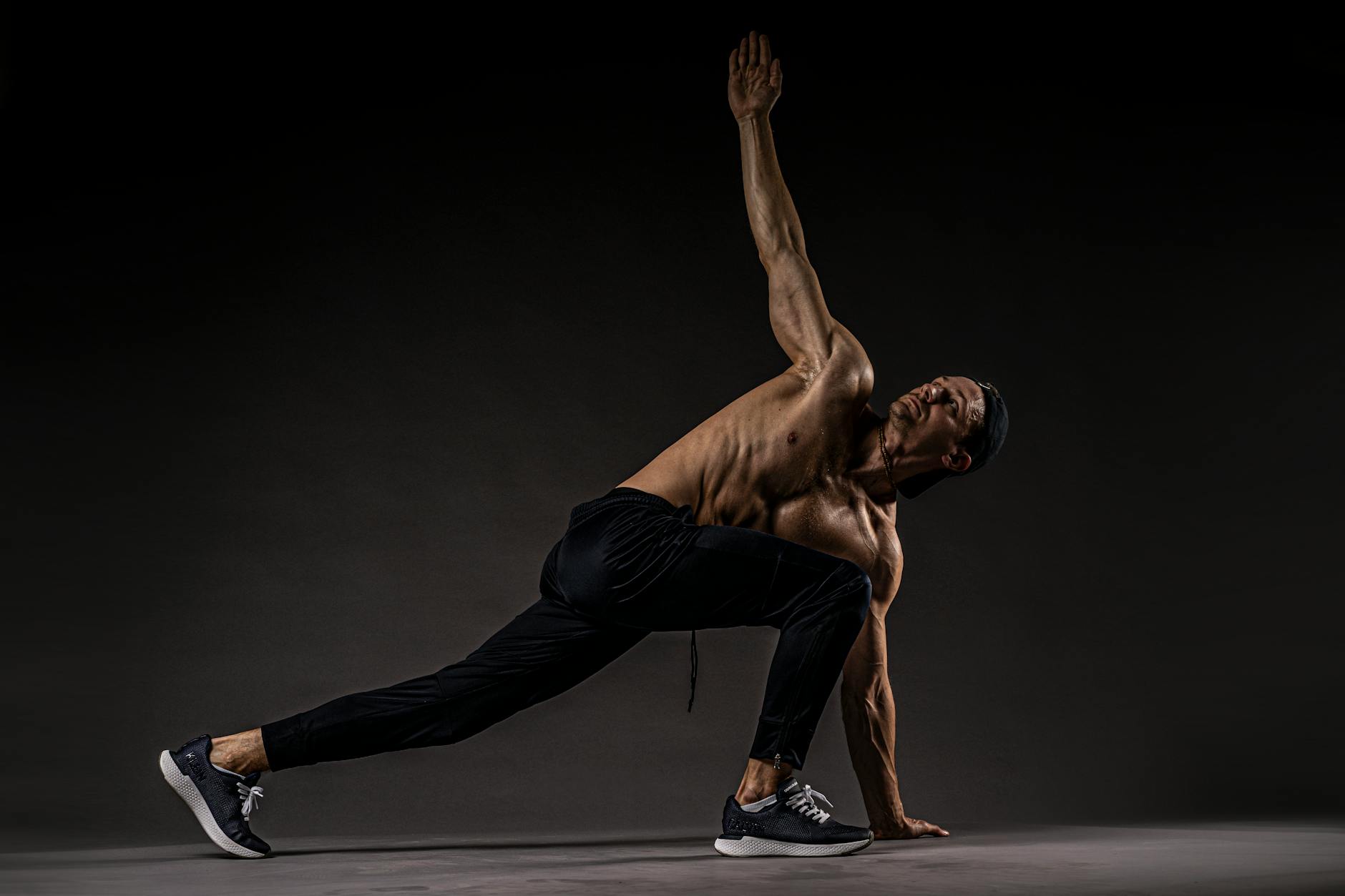
This really is what it sounds like. Start in a push-up position. Step one foot outside your hand (e.g., right foot next to right hand). Drop your hips slightly. Then, take the hand on the same side as the front foot (right hand in this example) and reach it towards the ceiling, rotating your torso. You'll feel a stretch in your hip flexor, hamstring, groin, and thoracic spine. Hold for a couple of seconds, bring the hand back down, step back, and repeat on the other side. Do 5-8 repetitions per side. It's an incredible pre-workout stretch that hits so many areas.

Why You Absolutely Need Dynamic Flexibility in Your Routine
Look, if you're serious about your fitness journey, whether you're lifting heavy, running marathons, or just trying to keep up with your kids, integrating these types of flexibility exercises is non-negotiable. It's not just a fancy fad; it's fundamental to moving well and staying healthy.
Boosting Performance and Power
When your muscles are warm, pliable, and your nervous system is firing, you're simply going to perform better. Dynamic stretching prepares your body for the forceful contractions and rapid extensions required in most physical activities. Studies, including some reviewed by the Centers for Disease Control and Prevention research on dynamic flexibility exercises, have consistently shown that a dynamic warm-up can actually improve power output and sprint times, unlike static stretching which can temporarily hinder it.
Think about a vertical jump. You need your hips and legs to explode. Dynamic movements like leg swings and walking lunges help teach your body to produce power through a full range of motion, translating directly to a higher jump or a faster sprint. This is especially true for those doing HIIT Workout for Weight Loss: Your Ultimate Routine! where quick, explosive movements are key.
Seriously Reducing Injury Risk
This is huge. Injury prevention exercises are a cornerstone of any smart fitness plan. By moving your joints through their full, active range of motion, you increase blood flow, lubricate the joints, and improve the elasticity of your muscles, tendons, and ligaments. This makes them far less susceptible to tears, strains, and sprains when you put them under stress during your workout.
When I started incorporating a solid 10-15 minute dynamic routine before my lifts, my nagging lower back pain virtually disappeared, and my shoulders felt more stable. It's not magic; it's simply preparing the body for what's coming, allowing it to absorb forces more effectively and move through complex patterns safely.
Improving Everyday Movement and Joint Health
It's not just about the gym. Active flexibility exercises are brilliant for improving how you move throughout your entire day. Ever felt stiff getting out of bed? Or found it hard to reach something on a high shelf? Regular mobility drills for athletes – and frankly, for everyone – can make a huge difference.
These movements promote better joint mobility training, helping to maintain the health of your cartilage and synovial fluid. They keep your joints happy and moving smoothly, which is critical as we age. It's about investing in your long-term physical freedom and ensuring you can continue to do the things you love without pain or restriction.
How to Integrate Dynamic Flexibility Exercises Into Your Life
You might be wondering, "How do I actually fit this into my already packed schedule?" It's simpler than you think, and the payoff is immense. You don't need hours; even 5-10 minutes can make a noticeable difference.
Before Every Workout: Your Pre-Workout Ritual
This is where dynamic flexibility exercises really shine. Before every strength training session, cardio workout, or sports practice, dedicate 5-15 minutes to a dynamic warm up routine before workout. Start with lighter movements and gradually increase the range and intensity. Think about the movements you'll be doing in your main session and choose dynamic stretches that mimic those patterns.
For example, if you're doing a leg day focused on squats, prioritize leg swings, walking lunges, and maybe some bodyweight squats to get those hips and knees ready. If it's an upper body day, focus on arm circles, thoracic rotations, and perhaps some light bodyweight exercises for beginners like push-ups on your knees. Make it a non-negotiable part of your routine.
Daily Mobility: A Little Goes a Long Way
You don't just need dynamic flexibility exercises before a workout. Incorporating a few minutes of active flexibility exercises into your daily routine can dramatically improve your overall how to improve flexibility. Wake up and do a few cat-cows, some arm circles, or leg swings. Take a quick break from your desk to do some torso twists.
Even just 2-3 minutes, several times a day, can help counteract the stiffness that comes from prolonged sitting or repetitive movements. It's about creating consistent micro-doses of movement that add up to big results over time. Think of it as joint mobility training throughout your day.
Listening to Your Body and Progressing Smartly
Here's the thing about any exercise: listen to your body. Dynamic flexibility exercises should feel good, or at least feel like a productive stretch, not painful. Start gently, especially if you're new to these movements. Don't force a range of motion that isn't there yet. Consistency and gradual progression are far more important than intensity.
As your range of motion exercises improves, you can increase the amplitude of your swings, the depth of your lunges, or the speed of your movements, always maintaining control. If something feels off, ease back. We're aiming for sustainable progress, not heroics that lead to setbacks.
So, there it is. The truth about warming up, the power of dynamic flexibility exercises, and how they can revolutionize not just your workouts, but how you feel and move every single day. Ditch the old-school static holds before your session, embrace movement with purpose, and watch your body respond. Trust me on this one; your future self, free from aches and moving with newfound freedom, will thank you for it.