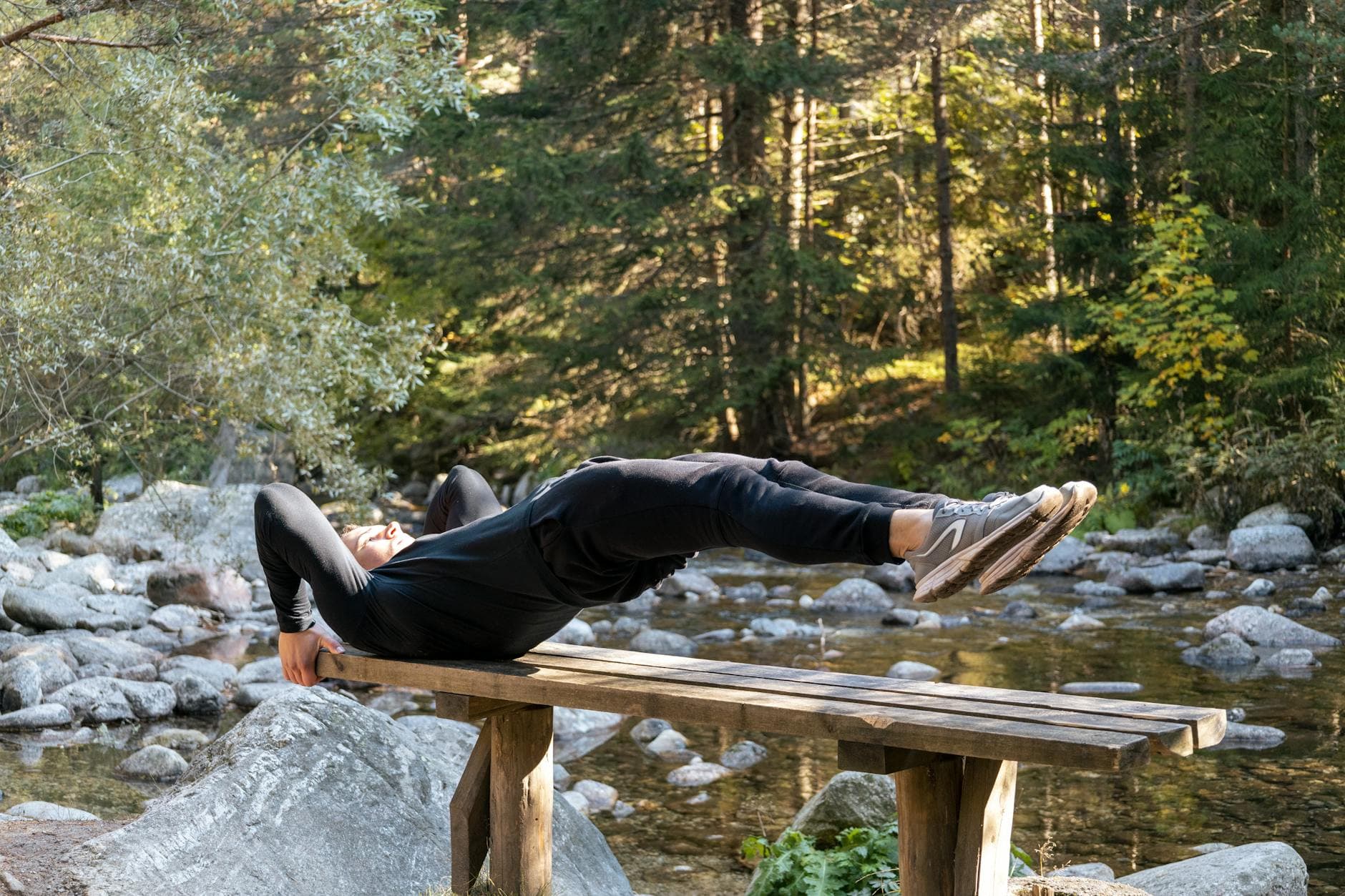
The Power of Bodyweight: A Beginner's Journey
Imagine this: You wake up, maybe feeling a little stiff, a little sluggish. You've got a busy day ahead, but you also know you need to move, to feel *alive*. You don't have hours to spend at the gym, or fancy equipment, or even much motivation, honestly. But you do have yourself. That's where the magic of bodyweight exercises for beginners comes in. You can transform your body and your life without ever leaving your living room.
I've been there. I used to think you needed expensive gym memberships and complex routines to get in shape. I spent years chasing the "perfect" workout, always feeling like I was missing something. But then I discovered the power of simple, effective bodyweight movements. It was a revelation.
Why Bodyweight Exercises are Perfect for Beginners
Accessibility is Key
The beauty of bodyweight training is its unparalleled accessibility. You don't need any equipment, which means you can work out virtually anywhere, anytime. Whether you're traveling, at home, or even just stuck in a hotel room, you can get a great workout in. This removes the biggest barrier to entry for most people: the cost and inconvenience of a gym.
Bodyweight Training Builds a Solid Foundation
It's not just about convenience. Bodyweight exercises are a fantastic way to build a solid foundation of strength, stability, and coordination. They force you to use your own body weight as resistance, which is a very natural and effective way to build muscle and improve fitness levels. You're working multiple muscle groups simultaneously, which leads to better overall fitness.
Beginner Bodyweight Workout: Simplicity and Effectiveness
You might be wondering, "What exactly am I going to *do*?" That's a great question. The answer is surprisingly simple. You'll be focusing on fundamental movements that everyone can learn and adapt.
Building Your Beginner Bodyweight Workout Plan
Warm-up: Preparing Your Body
Before you jump into any workout, you need a good warm-up. This prepares your muscles for the work ahead, reduces your risk of injury, and generally makes you feel better. Think about it like this: you wouldn't start a car without letting the engine warm up, would you?
A good warm-up should include some light cardio, like jogging in place or jumping jacks, and some dynamic stretching. Dynamic stretching involves moving your body through a range of motion, such as arm circles, leg swings, and torso twists. This is far more effective than static stretching (holding a stretch) before a workout.
The Core Exercises: Your Bodyweight Training Routine
Now for the main event: the exercises. For a beginner bodyweight workout, you'll want to focus on a few key movements. These are the building blocks of strength and fitness, and they're all easily adaptable to your current fitness level.
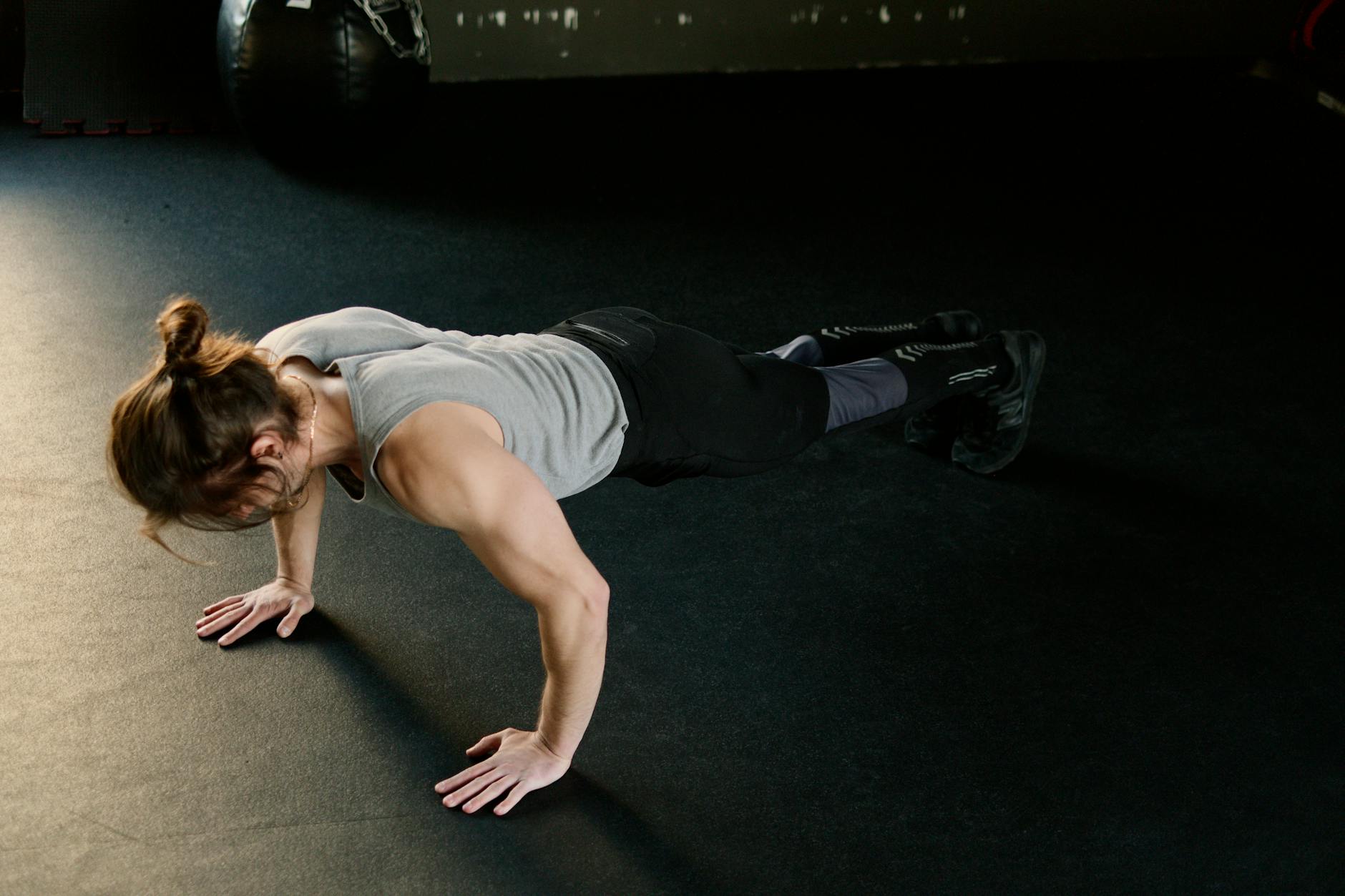
- Push-ups: These are a classic for a reason. They work your chest, shoulders, and triceps. If you're struggling, start with wall push-ups or incline push-ups (hands on a raised surface).
- Squats: Squats are fantastic for your legs and glutes. Make sure you keep your back straight and your core engaged.
- Lunges: Lunges are another great leg exercise, and they also work your balance. Alternate legs and try to keep your front knee over your ankle.
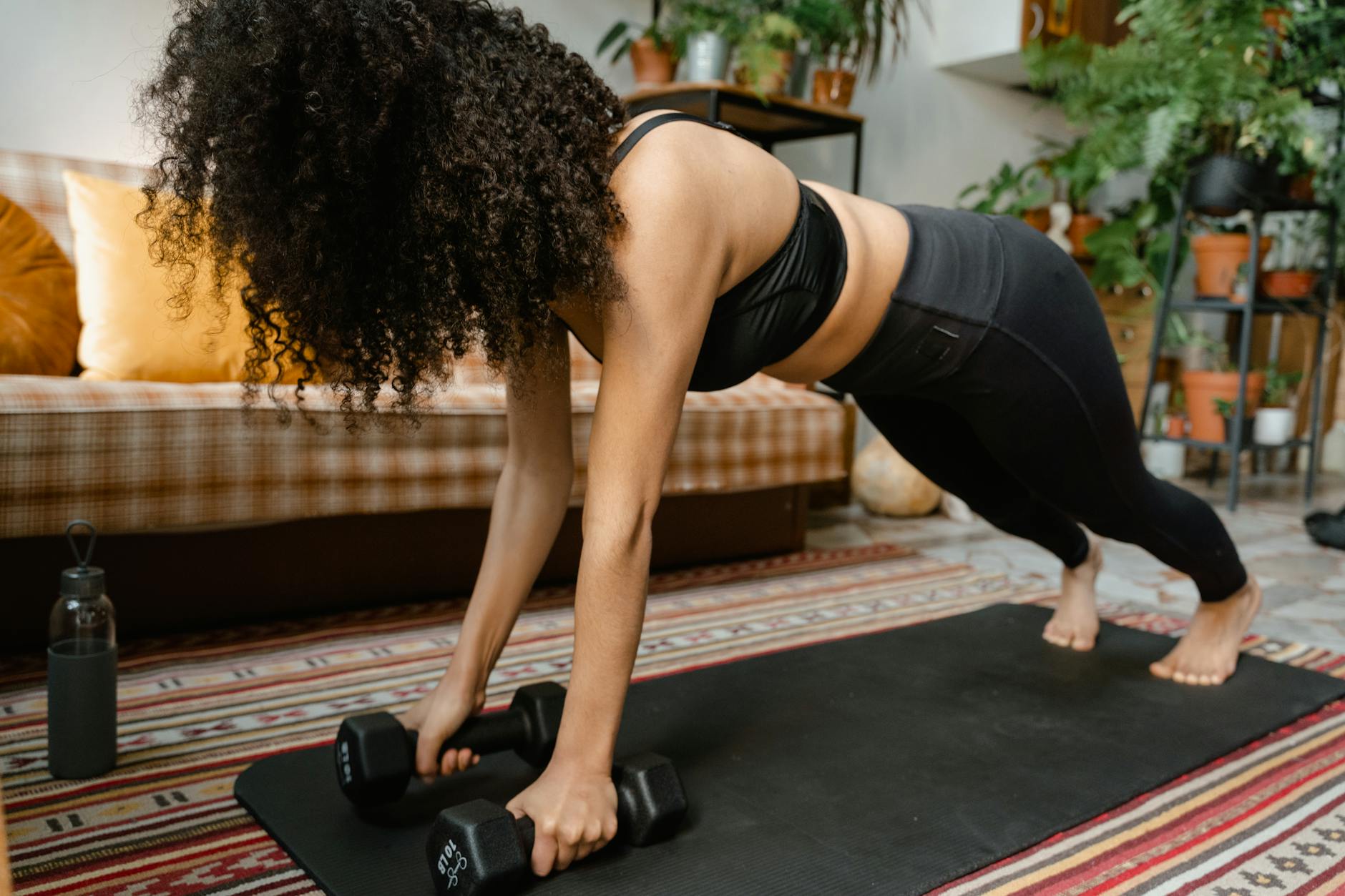
- Plank: This is a core-strengthening exercise that also works your shoulders. Keep your body in a straight line from head to heels.
- Crunches: This is an ab exercise you can do anywhere, and it works the rectus abdominis muscle.
Cool-down: Recovery and Flexibility
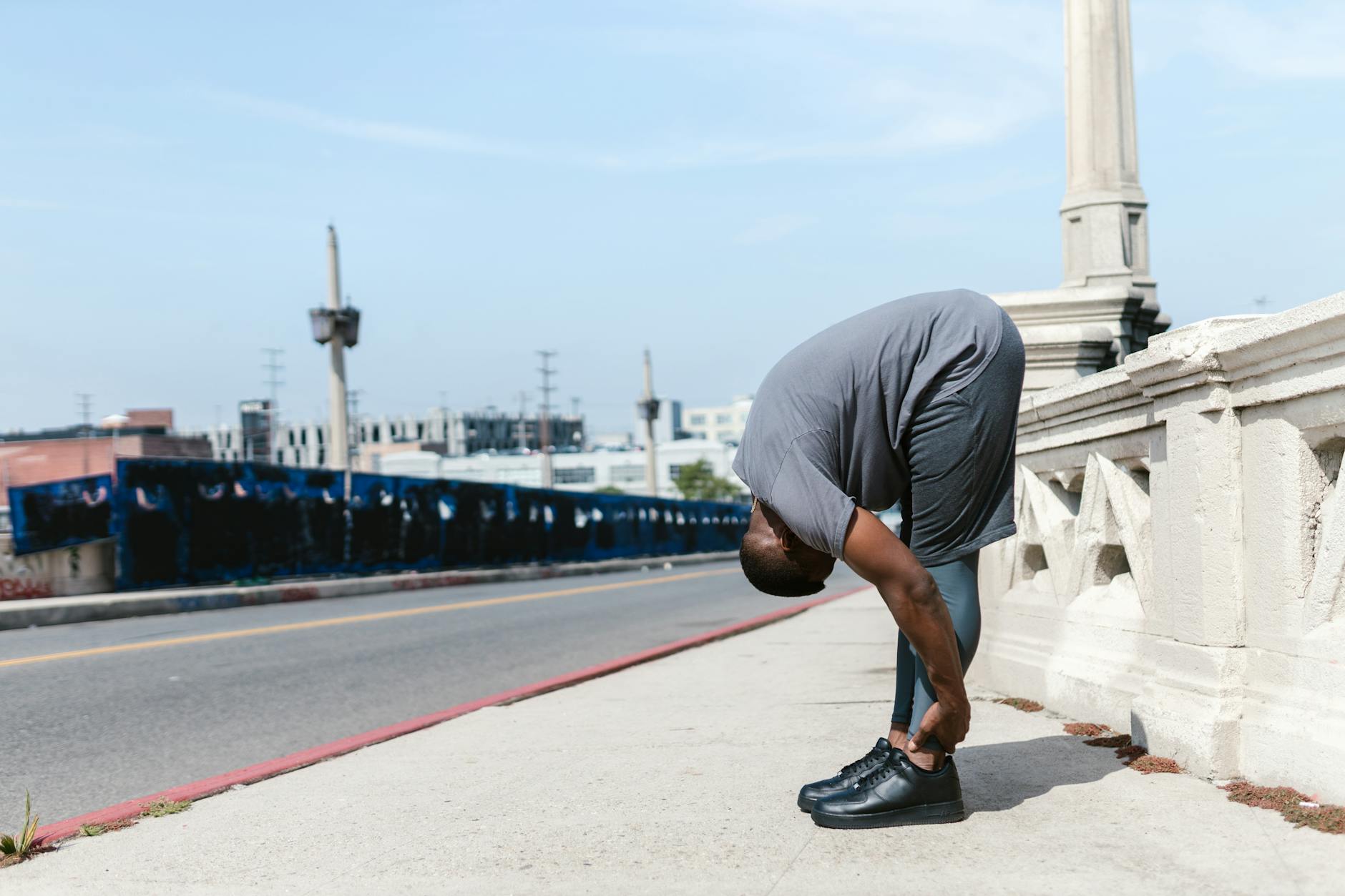
After your workout, it's time to cool down. This is just as important as the warm-up. It helps your body recover, reduces muscle soreness, and improves flexibility. Include some static stretching, holding each stretch for 30 seconds. Focus on the muscles you worked during the workout.
Exercise Form: Making Every Rep Count
Prioritizing Proper Form
Here's the thing: proper form is absolutely crucial. It's more important than how many reps you do or how fast you go. Poor form can lead to injuries, and it also diminishes the effectiveness of the exercise.
Think about it like this: if you're trying to build a house, you wouldn't start with a shaky foundation, right? The same applies to your body. Focus on quality over quantity.
Common Mistakes and How to Fix Them
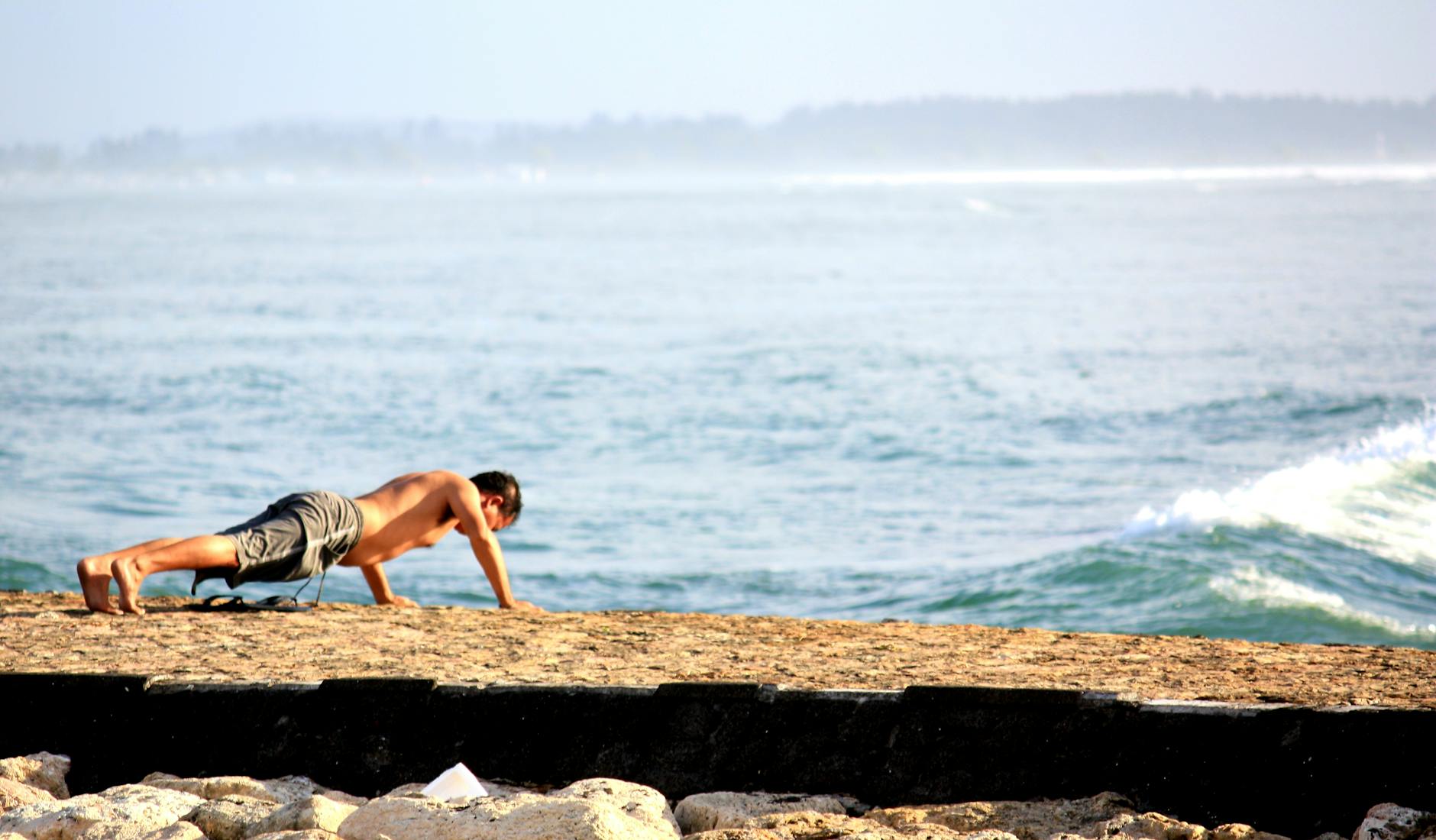
- Push-ups: One common mistake is letting your hips sag or your back arch. Keep your body in a straight line from head to heels. Another mistake is not going low enough. Aim to touch your chest to the floor (or as close as you can manage) with each rep.
- Squats: Avoid letting your knees go past your toes. Keep your weight in your heels. Make sure your back stays straight.
- Lunges: Don't let your front knee go past your toes. Keep your core engaged to maintain balance.
- Plank: Don't let your hips sag or your back arch. Engage your core and glutes.
Progression: Taking Your Bodyweight Workout to the Next Level
Increasing the Challenge
Once you're comfortable with the basic exercises, it's time to progress. This means making the exercises more challenging. The goal is to continuously challenge your muscles, which is how they grow stronger.
You can increase the challenge in a few ways:
- Increase reps and sets: Start by doing 2 sets of 10 reps for each exercise. As you get stronger, increase the number of reps you do. Then, add a third set.
- Decrease rest time: Try to rest for less time between sets.
- Modify the exercises: Once you're comfortable with the standard push-up, try a diamond push-up (hands close together) or a decline push-up (feet elevated).
Advanced Bodyweight Exercises
As you get stronger, you can incorporate more advanced bodyweight exercises. These are more challenging and require a higher level of strength and coordination.
- Pull-ups: These are a great upper-body exercise. You'll need a pull-up bar.
- Dips: These work your triceps and chest. You'll need dip bars or a sturdy bench.
- Pistol squats: These are a single-leg squat. They're very challenging but incredibly effective.
Bodyweight Exercises and Beyond
Combining Bodyweight Training with Other Fitness Activities
Bodyweight exercises are a fantastic foundation, but you can also combine them with other forms of exercise. Consider incorporating some cardio, like running or cycling, to improve your cardiovascular health. You could also try yoga classes for flexibility and mindfulness.
Fitness Tips: Consistency is Key
Here's the ultimate fitness tip: be consistent. The best workout plan in the world won't do you any good if you don't stick with it. Aim to work out at least three times a week. Even if you only have 20 minutes, that's better than nothing.
Mayo Clinic research emphasizes the importance of regular exercise for overall health and well-being.
The Takeaway
I've seen so many people transform their lives with bodyweight exercises for beginners. They've built muscle, lost weight, and, most importantly, gained confidence. The beauty of this approach is its simplicity and effectiveness. You don't need fancy equipment or a gym membership. You just need yourself and a little bit of time.
If you are just starting out, remember to listen to your body. Don't push yourself too hard, especially at first. Focus on proper form, and gradually increase the intensity and duration of your workouts.
You've probably noticed that I am passionate about this, and I hope this article inspires you to start your own bodyweight journey. Start today, and I'll be real with you: You won't regret it. You've got this. If you want to build muscle, check out my article on mass-building workouts. If you want to sculpt your core, check out my article on the best core workout routines. Or, if you want a complete plan, check out my muscle building workout plan. If you are looking to lose weight, check out my HIIT Workout for Weight Loss National Institutes of Health research on bodyweight exercises for beginners supports the benefits of this approach. National Institutes of Health research on bodyweight exercises for beginners also highlights the positive effects of bodyweight exercises.