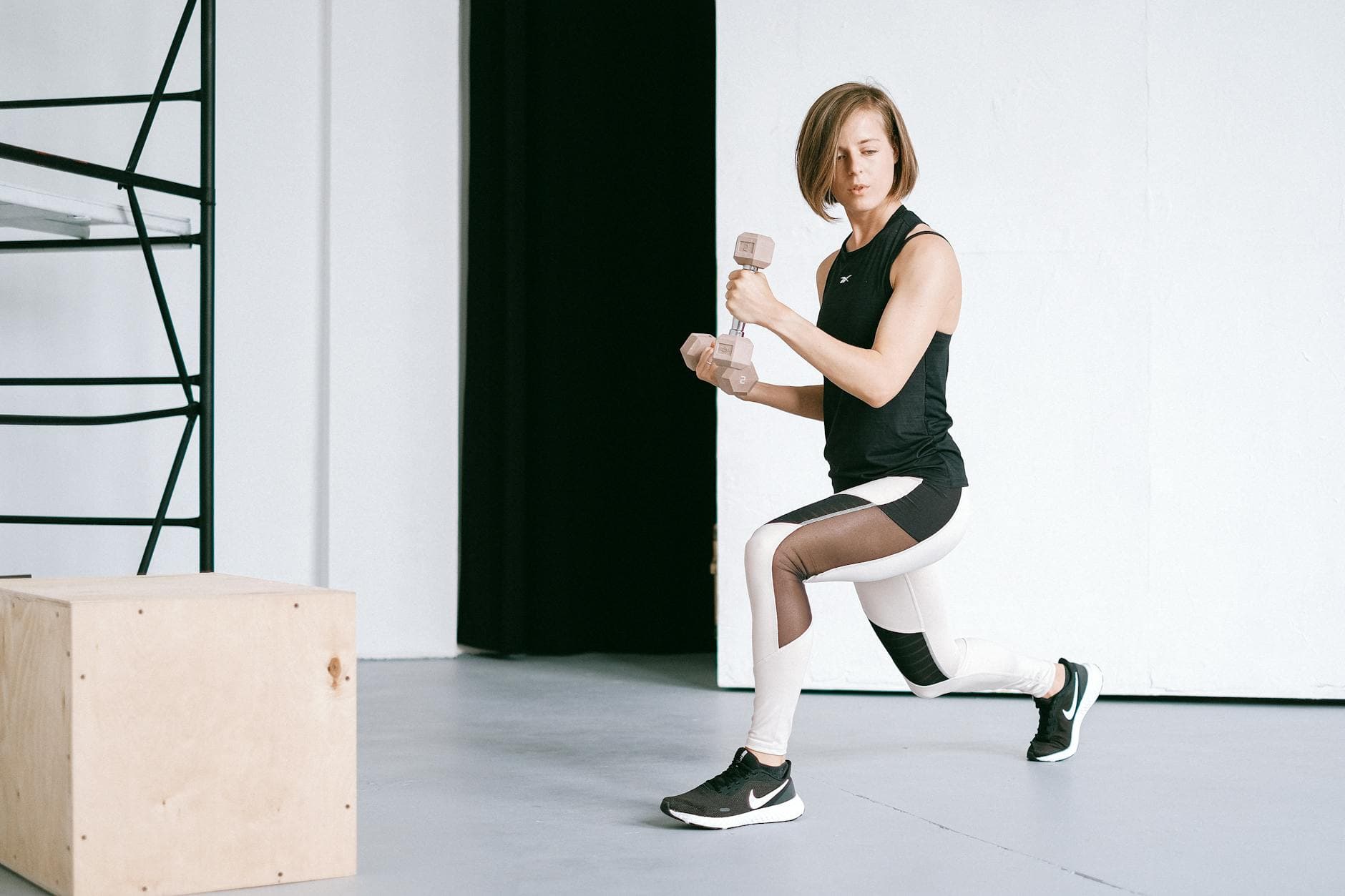
Most people think you need a gym full of fancy equipment to get truly strong and build an impressive physique. Honestly, that’s a myth that’s held back countless individuals. The truth is, your own body is the most sophisticated piece of fitness equipment you’ll ever own, and a well-designed **calisthenics workout routine** can deliver results that rival, and often surpass, traditional weight training. Forget crowded gyms and expensive memberships; we're talking about unlocking your innate physical potential with nothing but gravity and smart programming.
This isn't about doing a few push-ups and calling it a day. This is about understanding the principles of bodyweight training, how to progress, and how to build a sustainable, effective **bodyweight workout plan** that will transform your strength, muscle definition, and overall athleticism.
The Foundational Power of Bodyweight Training
You might be wondering why calisthenics is so effective. It’s simple: it leverages your body's own weight as resistance. This forces your muscles to work in unison, improving coordination, balance, and functional strength. Unlike isolation exercises where you might just focus on one muscle group, calisthenics naturally engages multiple muscles simultaneously. Think about a pull-up: it hits your back, biceps, forearms, and even your core to stabilize your body.
Why Bodyweight is King for Functional Strength
Bodyweight training teaches your body to move efficiently. Every push, pull, squat, and lunge you perform builds strength that translates directly into everyday life. You’ll find yourself performing tasks with more ease, whether it’s carrying groceries, playing with your kids, or simply standing tall with better posture. This type of training builds a resilient body, not just one that looks good on the surface.
The Myth of "Not Enough Resistance"
This is a common misconception. While it's true that as you get stronger, you might need to find ways to increase the challenge, calisthenics offers a vast array of progression methods. We'll get into those, but for now, understand that you can make bodyweight exercises incredibly difficult. A single-leg squat, a handstand push-up, or a planche progression are far more challenging than many weight-based exercises for beginners and intermediates.
Building a Mind-Muscle Connection
When you’re not relying on machines to guide your movement, you become much more attuned to how your body feels and functions. This enhanced mind-muscle connection is crucial for preventing injuries and for maximizing the effectiveness of every repetition. You learn to feel which muscles are working and how to engage them properly.
Crafting Your Beginner Calisthenics Routine
Starting out can feel a bit overwhelming, but a structured **beginner calisthenics routine** is your best friend. The key is to focus on mastering the fundamental movements before trying to tackle the flashy skills. Consistency and proper form are paramount in these early stages.
The Essential Movement Patterns
Every solid calisthenics program revolves around a few core movement patterns:
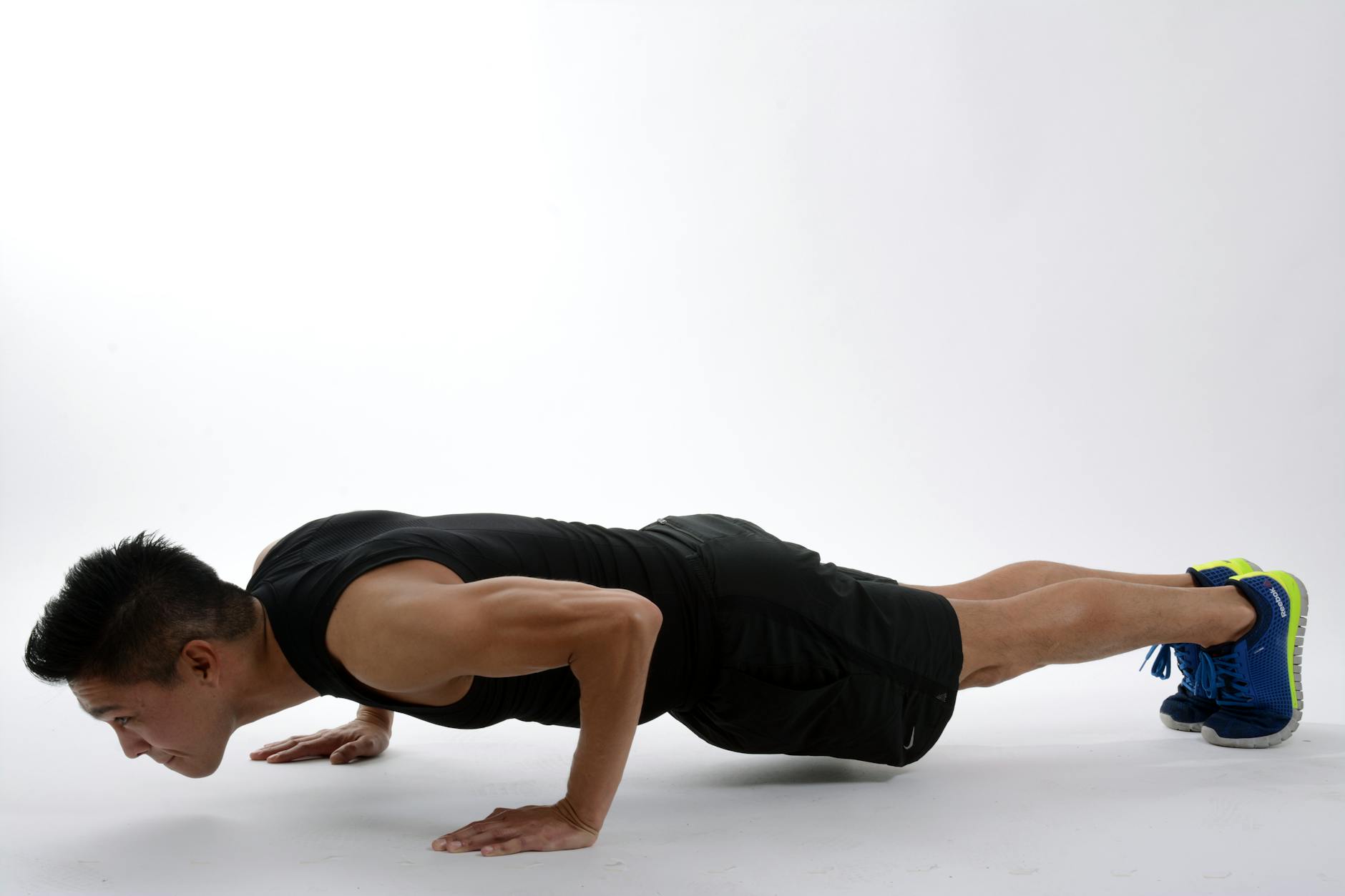
- Pushing: Horizontal (e.g., push-ups) and vertical (e.g., handstand push-ups, though we’ll start with progressions).
- Pulling: Horizontal (e.g., inverted rows) and vertical (e.g., pull-ups).
- Legs: Squatting and hinging (e.g., squats, lunges, glute bridges).
- Core: Anti-extension, anti-rotation, and flexion (e.g., planks, hollow holds, leg raises).
A Sample Full Body Calisthenics Workout Plan
This is a starting point, not a rigid dogma. Feel free to adjust based on your current fitness level. The goal is to hit all major muscle groups in each session, promoting balanced development and maximizing your time.
Workout A (Example)
- Push-ups: 3 sets of as many reps as possible (AMRAP) with good form. If regular push-ups are too hard, start on your knees or against a wall.
- Inverted Rows: 3 sets of AMRAP. Use a sturdy table, a low bar, or even rings.
- Bodyweight Squats: 3 sets of 15-20 reps. Focus on depth and keeping your chest up.
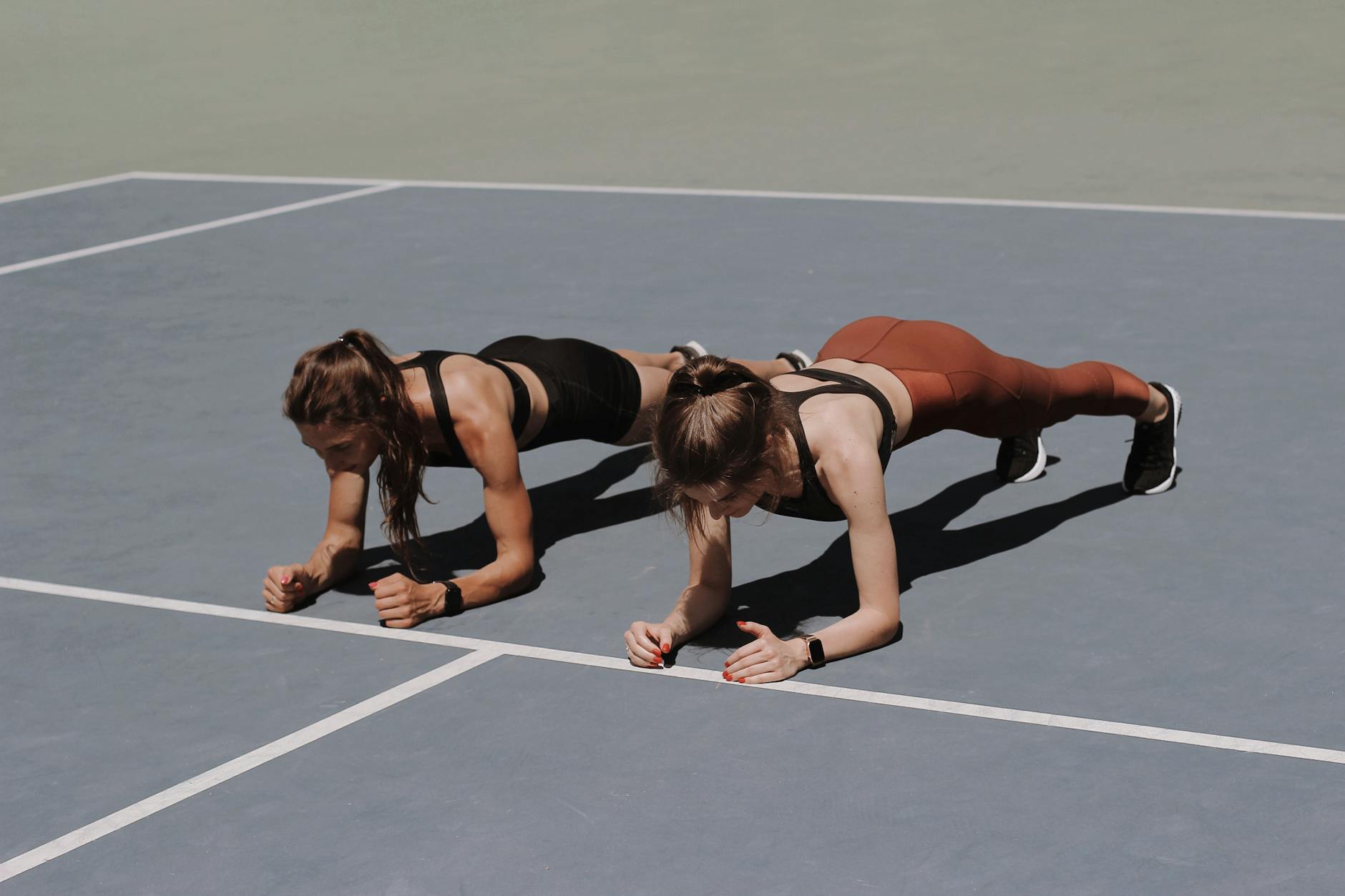
- Plank: 3 sets, hold for 30-60 seconds. Keep your body in a straight line from head to heels.
- Glute Bridges: 3 sets of 15-20 reps. Squeeze your glutes at the top.
Workout B (Example - to be performed on a different day)
- Dips (Bench or Chair): 3 sets of AMRAP. If too hard, reduce the range of motion.
- Pull-ups (or Assisted Pull-ups): 3 sets of AMRAP. If you can’t do a full pull-up, use an assisted pull-up machine, resistance bands, or focus on negative pull-ups (jumping to the top and slowly lowering yourself).
- Lunges: 3 sets of 10-12 reps per leg.
- Hollow Body Hold: 3 sets, hold for 30-60 seconds. This is fantastic for core stability.
- Calf Raises: 3 sets of 20-25 reps.
Rest and Recovery
Listen to your body. Aim for at least one rest day between full-body sessions. This allows your muscles to repair and grow stronger. This recovery period is just as vital as the workout itself.
Progressive Overload: The Secret Sauce for Continuous Gains
This is where things get exciting, and it’s the most critical concept for long-term progress in any **calisthenics workout routine**. Simply repeating the same exercises with the same reps and sets will eventually lead to a plateau. **Progressive overload calisthenics** means gradually increasing the demand on your muscles over time.
Ways to Apply Progressive Overload in Bodyweight Training
It's not just about adding more weight, because, well, you don't have external weights in the traditional sense. Here are some effective methods:
- Increase Reps: Once you can comfortably do 12 push-ups, aim for 13. Then 14. Keep going until you hit a target range (e.g., 20-25), then move to the next progression.
- Increase Sets: If you’re doing 3 sets, try adding a 4th set.
- Decrease Rest Time: Shorter rest periods between sets make the workout more metabolically demanding.
- Increase Time Under Tension (TUT): Slow down the eccentric (lowering) phase of an exercise. For example, in a squat, take 3-4 seconds to lower yourself.
- Improve Form/Range of Motion: Can you go deeper in your squats? Can you keep your body straighter in your plank? This is a form of progression.
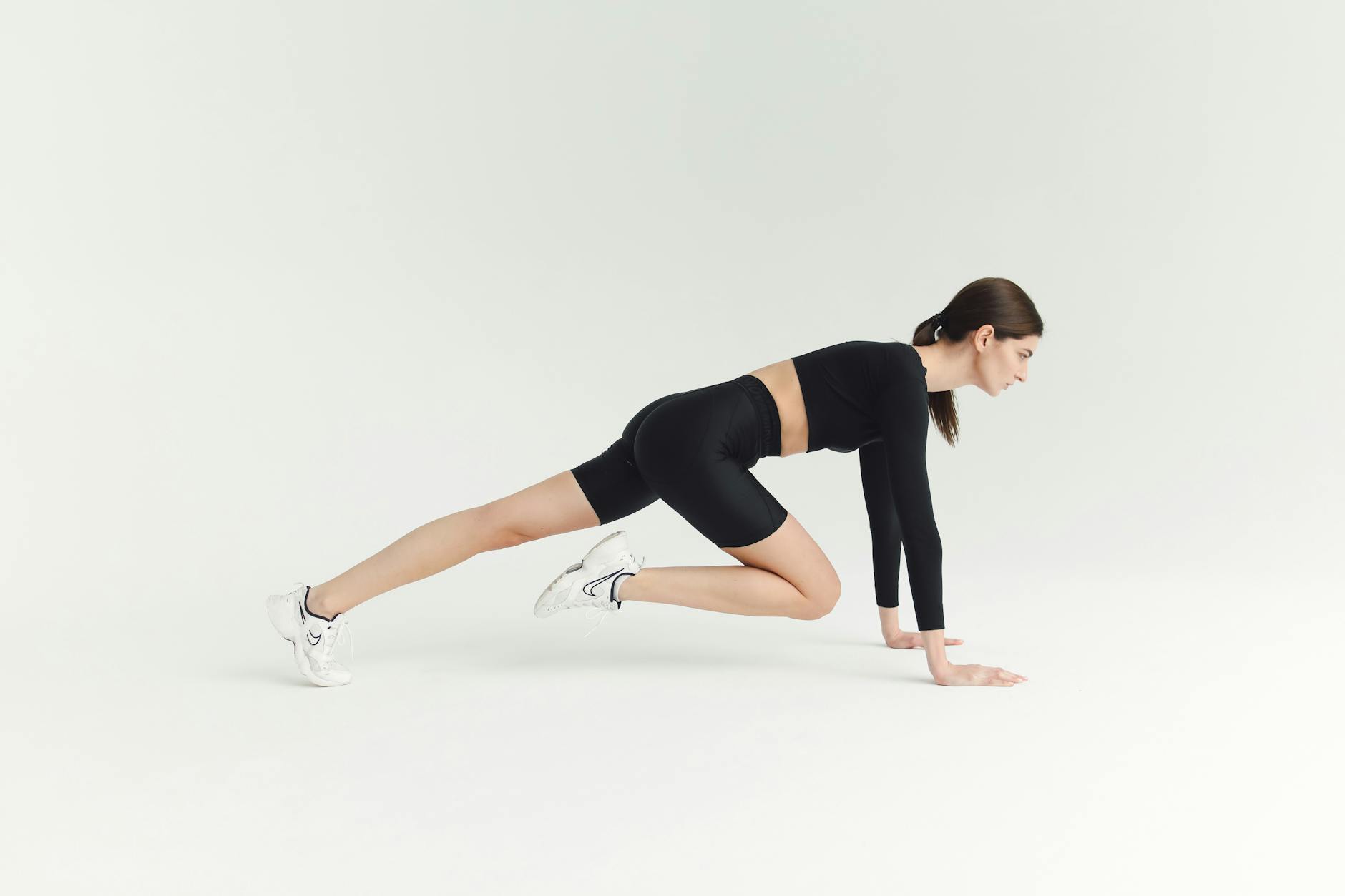
- Change Leverage/Angle: This is huge in calisthenics. Moving from knee push-ups to standard push-ups is a leverage change. Moving from standard push-ups to decline push-ups (feet elevated) increases the difficulty.
- Introduce More Difficult Variations: This is the most obvious progression. Moving from standard push-ups to diamond push-ups, then to archer push-ups, and eventually towards a one-arm push-up.
Example Progression: The Push-up Journey
Let’s say you start with knee push-ups.
- Stage 1: Knee Push-ups. Focus on good form, 3 sets of 15 reps.
- Stage 2: Incline Push-ups. Use a sturdy chair or counter. As you get stronger, use a lower surface. 3 sets of 15 reps.
- Stage 3: Standard Push-ups. Once you can do 10-15 standard push-ups with perfect form, aim for more reps or slower tempo.
- Stage 4: Decline Push-ups. Elevate your feet. This shifts more weight to your upper body.
- Stage 5: Diamond Push-ups. Hands close together, targeting triceps more.
- Stage 6: Archer Push-ups. A precursor to the one-arm push-up, requiring significant unilateral strength and balance.
This systematic approach ensures you’re always challenging your body, leading to continuous **bodyweight training progression**.
Building a Full Body Calisthenics Routine for Strength
When your goal is **calisthenics for strength**, you're not just looking to get tired; you're looking to get *powerful*. This means focusing on lower rep ranges for your primary strength exercises and ensuring adequate recovery. It's about building the capacity to perform difficult movements with control.
The Power of Compound Movements
Calisthenics excels at compound movements, which are exercises that work multiple muscle groups and joints simultaneously. These are the bedrock of strength building. Your pull-ups, dips, and pistol squats (single-leg squats) are your powerhouses.
Lower Rep Ranges for Strength
If your goal is pure strength, you’ll want to spend more time in the 4-8 rep range for your main strength exercises. This tells your nervous system to recruit more muscle fibers and build maximal force production. You’ll still incorporate higher rep ranges for endurance and hypertrophy (muscle growth), but the strength focus will be on those heavier, lower-rep movements.
The Importance of Skill Work
Advanced strength in calisthenics often involves mastering specific skills like handstands, levers, and planches. These require dedicated **skills training calisthenics** that might not look like a traditional strength workout but is absolutely crucial for developing the strength and control needed for them. This often involves isometric holds and slow, controlled progressions.
Example Strength-Focused Routine (Intermediate)
This assumes you can perform 8-10 standard push-ups and are working on pull-ups.
Day 1: Upper Body Push & Core
- Handstand Push-up Progression: 3-4 sets of 3-5 reps (e.g., pike push-ups with feet elevated, or negatives against a wall).
- Dips: 3-4 sets of 5-8 reps.
- Push-up Variation (e.g., Archer Push-ups): 3 sets of 4-6 reps per side.
- Hollow Body Hold: 3 sets, hold for 45-75 seconds.
- Dragon Flags (or advanced leg raises): 3 sets of 5-8 reps.
Day 2: Lower Body & Pull
- Pistol Squat Progression: 3-4 sets of 4-6 reps per leg (e.g., assisted pistol squats using a TRX or box).
- Pull-ups: 3-4 sets of 4-6 reps (weighted if possible, or with a harder grip variation).
- Inverted Row Progression (e.g., L-sit inverted rows): 3 sets of 6-10 reps.
- Glute Ham Raises (if possible) or Nordic Hamstring Curls: 3 sets of 5-8 reps.
- Hanging Leg Raises: 3 sets of 8-12 reps.
Remember, this is a demanding schedule. Ensure you have sufficient rest days. You might also find that incorporating some light cardio, like running apps for beginners, on off days can be beneficial for overall conditioning.
Calisthenics Workout at Home: Maximizing Your Space
The beauty of a **calisthenics workout at home** is its accessibility. You don't need a huge space. A few square feet are often enough to get a killer workout in. The key is to be resourceful and creative with the equipment you might have or can easily acquire.
Essential Home Workout Gear (Optional but Recommended)
While you can do most things with just your body, a few inexpensive items can significantly enhance your **no equipment workout** experience and provide more progression options:
- Pull-up Bar: A doorway pull-up bar is a game-changer for vertical pulling movements.
- Resistance Bands: Versatile for assistance, added resistance, and warm-ups.
- Suspension Trainer (e.g., TRX): Opens up a whole new world of pulling and core exercises.
- Dip Station (or sturdy chairs): For dips and other exercises.
Making the Most of Limited Space
Even without specialized equipment, you can create a challenging **home workout plan**.
- Floor Exercises: Push-ups, planks, crunches, leg raises, glute bridges, burpees – these are all floor-based and incredibly effective.
- Utilize Furniture: Chairs for dips, tables for inverted rows, stairs for elevated push-ups or calf raises. Be creative and safe!
- Focus on Variations: If you can’t do a pull-up, practice negatives or use a chair to assist. If standard push-ups are too easy, try decline push-ups using a chair for your feet.
I used to live in a tiny apartment with no gym access. I had a doorway pull-up bar and a set of resistance bands. I was amazed at how much I could achieve with so little. It forced me to get really good at bodyweight variations and truly understand **bodyweight exercises for muscle** growth.
The Mental Game: Consistency and Patience
Here's the thing: no calisthenics workout routine, no matter how perfectly designed, will yield results if you don't stick with it. Consistency is king. You’ll have days where you don't feel like training, where your motivation wanes. That’s normal.
Overcoming Plateaus and Stagnation
Plateaus happen. When you feel like you're not progressing, it's time to re-evaluate. Are you applying progressive overload effectively? Are you getting enough sleep and nutrition? Sometimes, a deload week – a week of significantly reduced intensity and volume – can help your body recover and come back stronger. Research from the National Institutes of Health research on calisthenics workout routine often highlights the importance of periodization and planned recovery.
The Long-Term Vision
Think about the last time you saw someone with incredible functional strength and a lean, athletic physique. Chances are, they’ve been consistent for a long time. Calisthenics is a marathon, not a sprint. Celebrate the small wins – your first unassisted pull-up, holding a handstand for 10 seconds, completing a challenging workout with better form. These milestones build momentum and reinforce your commitment. The World Health Organization research on calisthenics workout routine also consistently points to the long-term health benefits of consistent physical activity.
Building a truly impressive physique and functional strength with calisthenics is absolutely achievable. It requires dedication, intelligent programming, and a willingness to push your limits. Start with a solid **calisthenics workout routine**, focus on progression, and be patient. Your body is capable of amazing things.