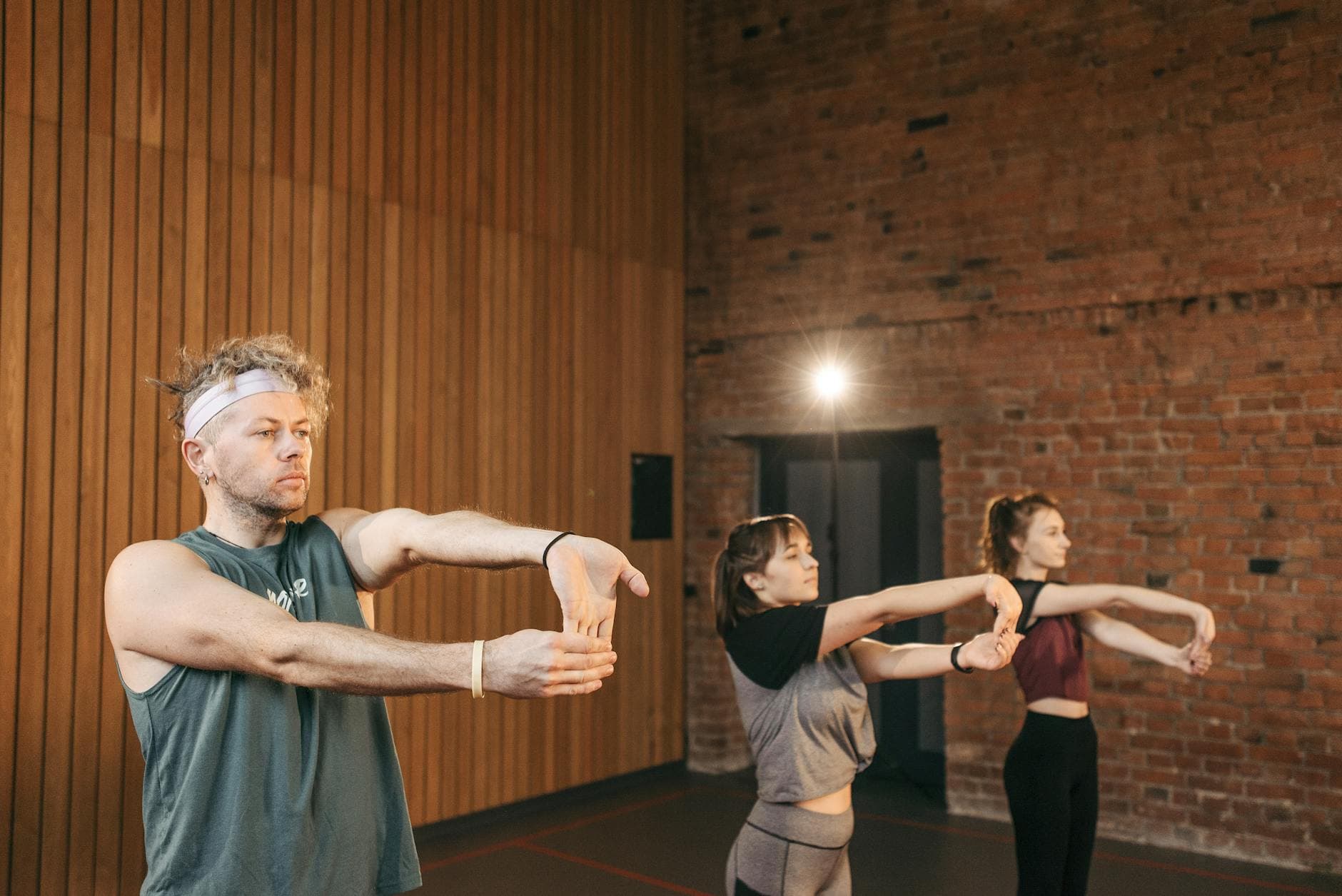
What if I told you that a simple shift in how you hold your head could unlock a cascade of benefits, from banishing nagging neck pain to making you look and feel more confident? You've probably caught yourself slouching over your phone, hunched over a keyboard, or just generally feeling that familiar ache creep into your upper back and neck. This isn't just about looking good; it's about your long-term health and how your body functions. That's where dedicated neck posture exercises come in, and honestly, they're more accessible and impactful than you might think.
Reclaiming Your Natural Alignment with Neck Posture Exercises
So many of us are battling what feels like an uphill climb against gravity, with our heads perpetually jutting forward. This isn't a new problem, but it's certainly amplified by our modern lives. Think about the last time you spent hours scrolling through social media or engrossed in a work project. The strain is real, and it adds up. Fortunately, consistently performing the right neck posture exercises can help reverse this trend.
Understanding the "Why" Behind Poor Posture
It's not just about being lazy or lacking willpower. Our environment plays a massive role. From the design of our desks to the way we interact with technology, our bodies are constantly adapting to less-than-ideal positions. This leads to muscle imbalances, where certain muscles become tight and overactive, while others become weak and stretched out. It’s a recipe for discomfort and, over time, more serious issues.
The Core Problem: Forward Head Posture
The most common culprit is what's often called "forward head posture" or "text neck." Your head weighs about 10-12 pounds, and for every inch it juts forward from its ideal position, your neck has to work significantly harder to support it. This can increase the load on your cervical spine by as much as an additional 10 pounds per inch. Imagine carrying an extra bowling ball on your shoulders all day – that's essentially what your neck is doing when it's out of alignment. This puts immense pressure on the muscles, ligaments, and even the discs in your neck.
The Ripple Effect on Your Body
This isn't just a neck issue. When your head is forward, your shoulders tend to round forward too, impacting your upper back and even your core. It can affect your breathing, your digestion, and your overall energy levels. You might find yourself feeling more fatigued, experiencing headaches, or even noticing a dip in your mood. It’s a whole-body problem that starts with a simple head position.

Essential Neck Posture Exercises to Start Today
Here's the truth: you don't need fancy equipment or hours in the gym to start making a difference. The most effective neck posture exercises are often the simplest, focusing on re-educating your muscles and improving your body's awareness. Consistency is key here. Aim to incorporate these into your daily routine, even if it’s just a few minutes here and there.
1. Chin Tucks: The Foundation of Neck Health
This is perhaps the most fundamental exercise for improving neck posture. It directly targets the deep muscles that help retract your head and bring it back into alignment. I'll be real with you, when I first started doing these, it felt a little awkward, and I wasn't sure if I was doing them right. But stick with it; it's a game-changer.
How to Perform Chin Tucks
- Starting Position: Sit or stand tall with your shoulders relaxed and your gaze straight ahead.
- The Movement: Gently glide your chin straight back, as if you're trying to make a double chin. You should feel a gentle stretch at the back of your neck and a contraction in the muscles at the front of your neck. Avoid tilting your head up or down; the movement should be purely horizontal.
- Hold and Release: Hold the position for 5-10 seconds, then slowly release back to the starting position.
- Repetitions: Aim for 10-15 repetitions, doing 2-3 sets throughout the day.
This exercise helps strengthen the muscles that pull your head back, counteracting the forward pull. It's a fantastic addition to any desk posture exercises routine.
2. Scapular Retraction Exercises: Supporting Your Neck from the Back
Your neck doesn't exist in isolation. The muscles of your upper back, particularly your shoulder blades (scapulae), play a crucial role in supporting good head and neck posture. When your shoulder blades are slumped forward, your neck has to compensate. Scapular retraction exercises help pull those shoulder blades back into a more neutral position, which in turn helps your head find its natural alignment.
The Simple Squeeze
This is a super effective, no-equipment-needed move. Sit or stand tall. Imagine you're trying to pinch a pencil between your shoulder blades. Gently squeeze your shoulder blades together and down. Hold for 5-10 seconds, then release. Focus on the muscles between your shoulder blades doing the work. Do 10-15 reps, 2-3 times a day.
Resistance Band Pull-Aparts
If you have a resistance band (a light one is perfect for this), you can amplify the benefits. Stand with your feet shoulder-width apart, holding the band with your palms facing down, hands about shoulder-width apart. Keeping your arms mostly straight (a slight bend is okay), pull the band apart, squeezing your shoulder blades together. Control the movement as you return to the start. This is excellent for building endurance in those upper back muscles.
3. Upper Back Extensions: Building Strength and Mobility
Strengthening the muscles along your spine is vital for maintaining an upright posture. These exercises help create a stronger foundation for your neck and head.
Prone Cobra
Lie face down on the floor with your arms extended by your sides, palms down. Engage your glutes and gently lift your chest and head off the floor, squeezing your shoulder blades together. Imagine you're trying to lift your chest as high as you can. Hold for a few seconds, focusing on the activation in your upper back. Lower slowly. This is one of those exercises that really surprised me with how much it helped my overall posture.
Cat-Cow Stretch
This yoga staple is fantastic for spinal mobility and awareness. Start on your hands and knees, wrists under shoulders, knees under hips. As you inhale, drop your belly, arch your back, and lift your head and tailbone (Cow pose). As you exhale, round your spine, tuck your chin to your chest, and tuck your tailbone (Cat pose). Move fluidly between the two poses, coordinating your breath. This helps loosen up a stiff upper back, which is often a precursor to neck issues.
4. Neck Retraction with Resistance (Advanced)
Once you've mastered the basic chin tuck, you can add a little resistance to make it more challenging and effective. This is where you start to really build strength for sustained good posture.
Using a Towel
Sit or stand tall. Place a small, rolled-up towel or a similar soft object behind your head, resting against the back of your neck. Gently press your head back into the towel, performing a chin tuck. You'll feel the resistance of the towel. Hold for 5-10 seconds, then release. This adds a lovely bit of feedback and resistance.
Using Your Hand (Gentle Resistance)
Another option is to use your own hand. Place your palm on the back of your head. Gently try to press your head backward into your hand, while your hand provides a slight opposing force. You're not pushing hard; it's more about the isometric contraction of your neck muscles. This is a great way to gauge your strength and control. Remember, the goal is to strengthen the muscles that pull your head back, not to strain.

Integrating Exercises into Your Life for Better Neck Posture
The best neck posture correction plan is one you can stick to. It's not about perfection; it's about progress and building sustainable habits. Think of these exercises as investments in your physical well-being.
Ergonomics for Neck Pain Relief
While exercises are crucial, addressing your environment is equally important. Look at your workspace. Is your computer monitor at eye level? Are your feet flat on the floor? Are you taking regular breaks to stand up and move? Simple adjustments in your setup can significantly reduce the strain on your neck. This is where proper ergonomics for neck pain becomes a proactive strategy. Even small changes, like elevating your laptop screen or investing in an external keyboard and mouse, can make a huge difference in preventing that forward head posture from creeping back in.
Mindfulness and Body Awareness
Beyond the specific exercises, cultivate a sense of awareness about your posture throughout the day. Periodically check in with yourself. Are your shoulders hunched? Is your head creeping forward? A quick mental scan can prompt you to correct your position before discomfort sets in. This mindful approach, combined with targeted exercises for neck posture, forms a powerful duo.
When to Seek Professional Help
If you’re experiencing persistent or severe neck pain, or if your posture issues are significantly impacting your quality of life, don't hesitate to consult a healthcare professional. A physical therapist or chiropractor can provide a personalized assessment and develop a treatment plan tailored to your specific needs. They can also rule out any underlying medical conditions. This is especially important if you're dealing with chronic discomfort that doesn't improve with self-care.
Ultimately, improving your neck posture is a journey, not a destination. It requires patience, consistency, and a willingness to make small, sustainable changes. By incorporating these neck posture exercises and being mindful of your daily habits, you can significantly improve your alignment, reduce pain, and unlock a more confident, comfortable you. Think of it as giving your body the support it deserves.