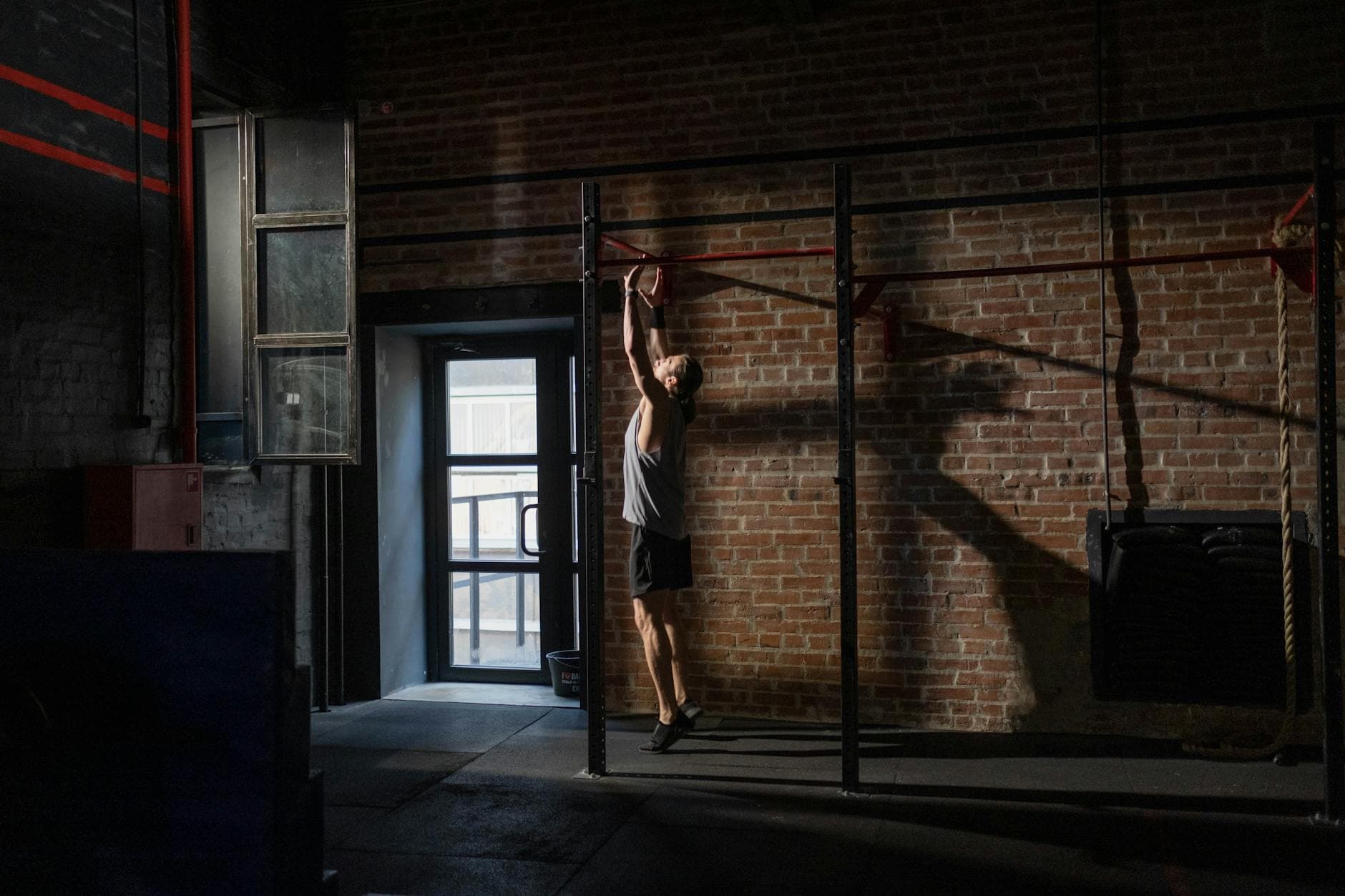
I used to think you needed a fully kitted-out gym to build impressive arms. Honestly, for years, my own arm development stalled because I was so fixated on barbells and dumbbells. I’d lug myself to the gym, convinced that only heavy iron could sculpt biceps and triceps. Then life happened, and I found myself with limited access to equipment. That’s when I truly discovered the power of bodyweight arm exercises. It wasn't just about survival; it was a revelation. I learned that with the right knowledge and consistency, you can achieve fantastic results right in your living room, a park, or even a hotel room. This isn't about compromise; it's about smart training.
The misconception that you need weights for arm growth is pervasive. It’s a narrative sold by supplement companies and equipment manufacturers. But the truth is, your own body is a formidable tool. Mastering bodyweight arm exercises means understanding leverage, tempo, and progressive overload in a different, often more challenging, way. You'll engage stabilizer muscles, improve your mind-muscle connection, and build functional strength that translates to everyday life. Forget the gym membership for a moment; let's talk about how to sculpt those arms using just you.
The Foundation: Why Bodyweight Arm Exercises Work
Many people underestimate the potential of bodyweight training for arm development. They envision endless push-ups and call it a day. While push-ups are a cornerstone, the true magic lies in understanding the principles behind progressive overload and exercise selection. Your muscles don't know if the resistance is coming from a dumbbell or your own body weight; they only respond to the challenge. When you perform bodyweight arm exercises correctly, you’re forcing those muscle fibers to adapt and grow.
Muscle Adaptation Through Progressive Overload
The key to building any muscle, including your arms, is challenging them beyond their current capacity. With weights, this is straightforward: increase the weight. With bodyweight, it requires creativity. You can increase the number of repetitions, decrease rest times, or, more effectively, change the leverage or angle of the exercise. Think about a standard push-up versus an incline push-up or a decline push-up. Each variation shifts the demand on your muscles. This continuous adaptation is what signals muscle growth.
Leverage and Angles: Your Secret Weapons
This is where bodyweight training gets really interesting. By altering your body's position relative to gravity, you change the resistance. For instance, performing a standard push-up places your hands directly under your shoulders. If you move your hands further forward, you increase the lever arm, making the exercise harder and engaging your triceps more intensely. Conversely, elevating your feet makes a push-up more challenging overall, requiring more strength from your chest, shoulders, and yes, your triceps. Understanding these subtle shifts is crucial for effective at home arm workouts.
Mind-Muscle Connection: Feeling the Burn
One of the most underrated benefits of bodyweight arm exercises is the heightened mind-muscle connection they often foster. When you’re not relying on external weight to feel the load, you’re forced to actively engage the target muscles. This conscious effort to squeeze and contract can lead to more effective muscle activation and, ultimately, better results. I’ll be real with you, this one surprised me when I first started focusing on it; the difference in how my arms felt after a bodyweight session was palpable.
Essential Bodyweight Arm Exercises for Every Level
Let’s get down to the nitty-gritty. These are the exercises that form the backbone of any effective no equipment arm training program. We’ll break them down by muscle group, but remember, many of these compound movements work multiple areas simultaneously.
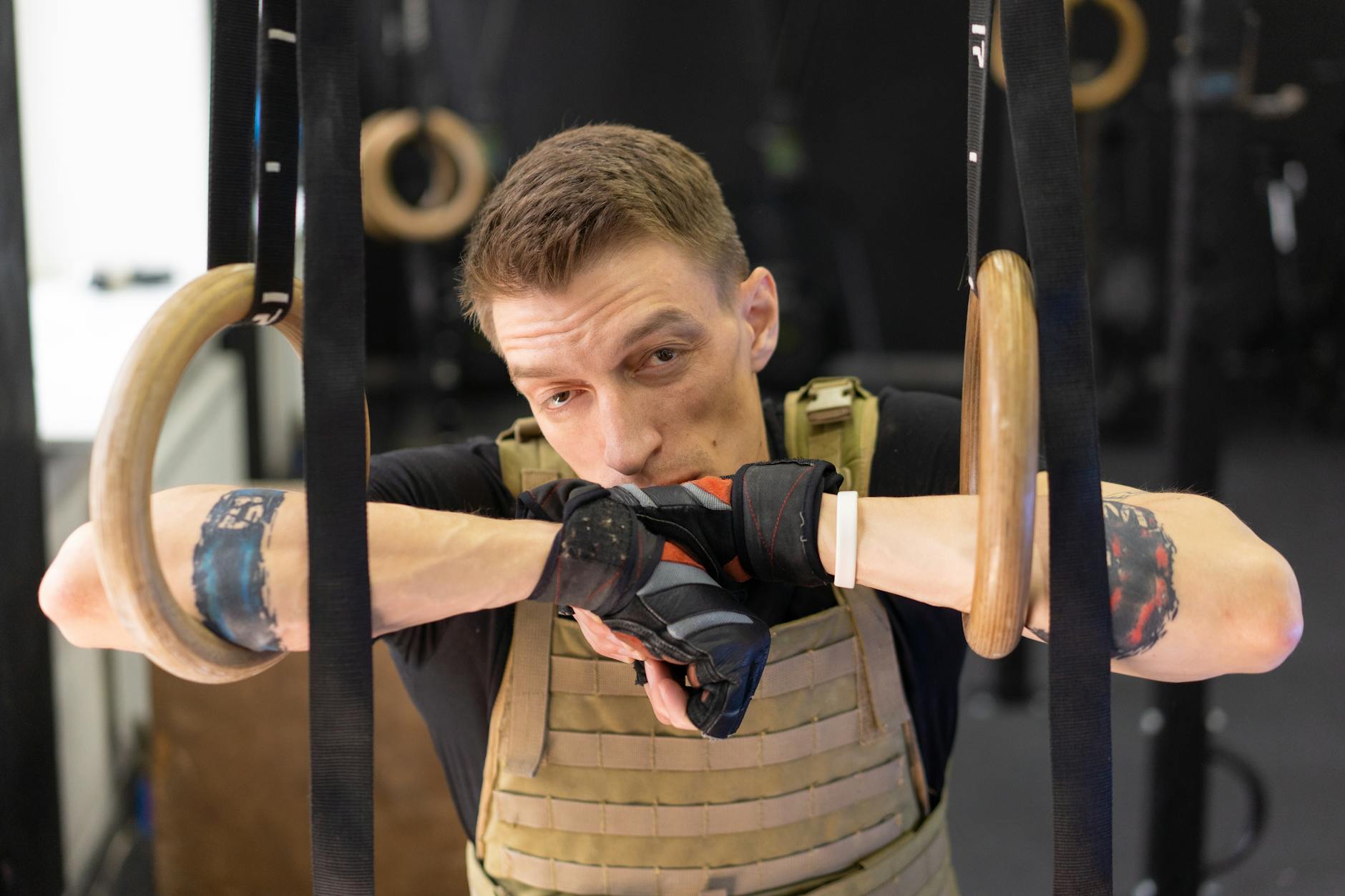
Push-Up Variations: The King of Bodyweight Arm Exercises
You can’t talk about bodyweight arm exercises without talking about push-ups. They are a fundamental movement that targets your chest, shoulders, and triceps. But the standard push-up is just the beginning.
Standard Push-Ups: The Baseline
This is your starting point. Hands shoulder-width apart, body in a straight line from head to heels. Lower your chest towards the floor, keeping your elbows tucked slightly, and push back up. Focus on a controlled movement. If a full push-up is too challenging, drop to your knees. This is a perfectly valid way to build the strength needed for full push-ups.
Close-Grip Push-Ups (Diamond Push-Ups): Triceps Powerhouse
To really hammer your triceps, bring your hands closer together, forming a diamond shape with your index fingers and thumbs. This variation significantly increases the load on your triceps. Be mindful of your wrists; if you feel strain, place your hands slightly wider than the diamond. This is one of the best bodyweight exercises for isolating the back of your arms.
Incline Push-Ups: Easier Entry Point
Need to scale it back? Place your hands on an elevated surface like a sturdy table, chair, or counter. The higher the surface, the easier the exercise. This allows you to build strength and endurance before progressing to floor push-ups. It’s a fantastic beginner arm exercise.
Decline Push-Ups: Upping the Ante
Want to challenge yourself further? Elevate your feet on a stable surface. This shifts more body weight onto your upper body, intensifying the work for your chest and shoulders, and consequently, your arms. This is a great way to continue progressing when standard push-ups become too easy.
Dips: Sculpting Your Triceps
Dips are another phenomenal bodyweight exercise that directly targets the triceps, with secondary involvement from the chest and shoulders. You can perform these using a sturdy chair, a bench, or parallel bars if you have access.
Chair Dips: Accessible Triceps Burn
Sit on the edge of a sturdy chair, hands gripping the edge on either side of your hips, fingers pointing forward. Slide your hips off the chair, supporting your weight with your arms. Keeping your legs bent or extended (extended is harder), lower your body by bending your elbows until they reach about a 90-degree angle. Push back up to the starting position. This is a core component of at home arm workouts.
Bench Dips: A Slight Variation
Similar to chair dips, but you can use two parallel benches or chairs to allow for a greater range of motion. Place your hands on one bench and your feet on the other. This setup allows for a deeper dip and more focused triceps engagement.
Parallel Bar Dips: The Classic (If Available)
If you have access to parallel bars, these are the gold standard. They allow for a full range of motion and can be made more challenging by adding weight if needed. For pure bodyweight training, focus on controlled negatives (the lowering phase) and explosive positives (the pushing phase).
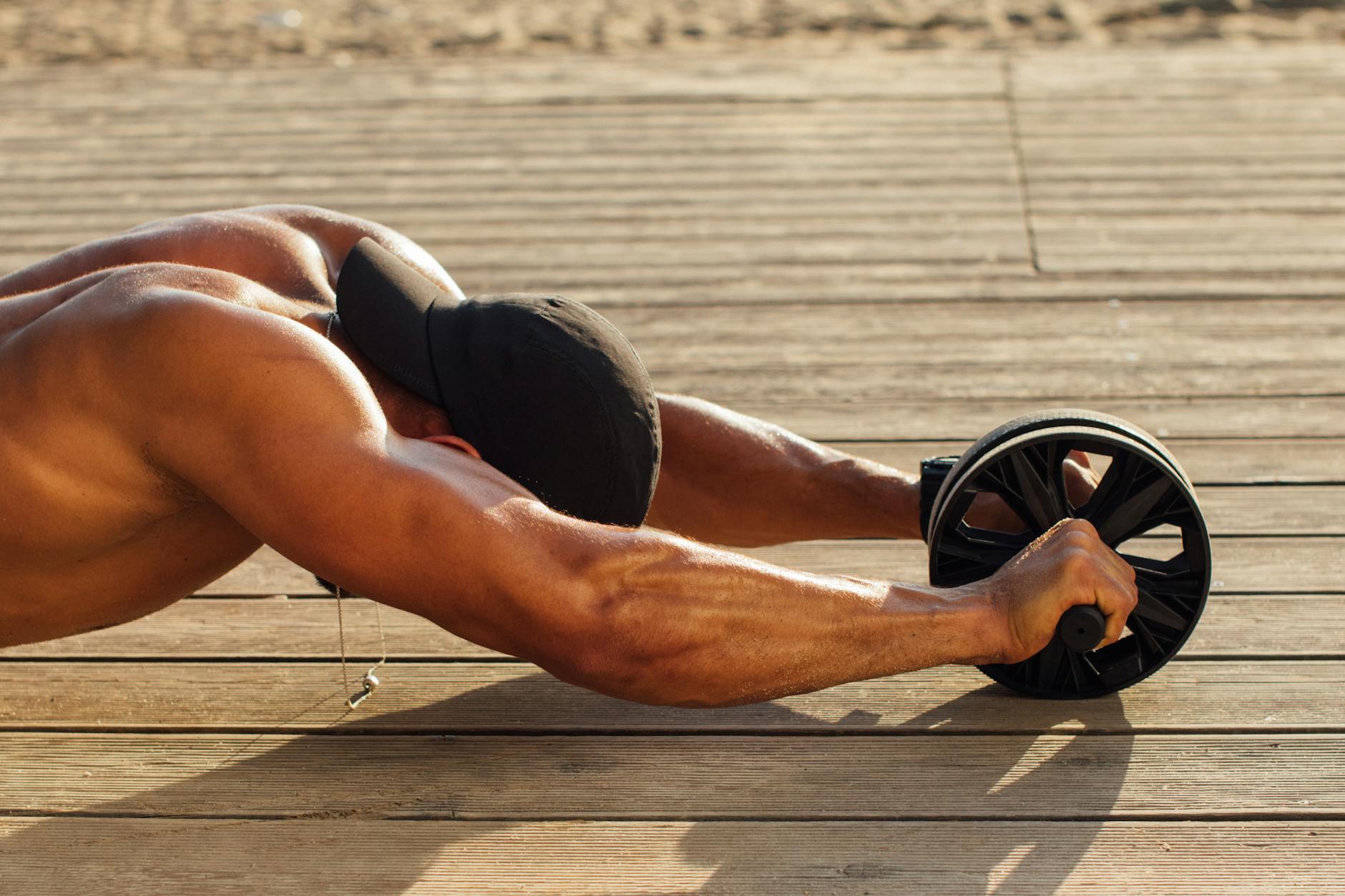
Plank Variations: Core Strength with Arm Benefits
While primarily a core exercise, many plank variations significantly engage your arms and shoulders, contributing to your overall bodyweight upper body workout. They build isometric strength and endurance.
Standard Plank: The Foundation
Forearms on the ground, elbows directly under shoulders, body in a straight line from head to heels. Engage your core and glutes. Hold this position. While not directly an arm-sculpting exercise, maintaining this position builds incredible shoulder and arm stability.
Plank to Push-Up: Dynamic Arm Engagement
Start in a forearm plank. Then, push yourself up, one arm at a time, into a high plank position (on your hands). Lower back down to the forearm plank. This dynamic movement builds strength and coordination in your arms and shoulders. This one surprised me with how much it taxed my triceps after a few reps.
Side Plank: Oblique and Shoulder Strength
Lie on your side, propped up on one forearm, elbow under shoulder. Stack your feet or stagger them for more stability. Lift your hips off the ground, creating a straight line from head to feet. This builds shoulder stability and endurance, which is vital for all arm exercises.
Other Effective Bodyweight Arm Exercises
Beyond the staples, there are other brilliant bodyweight arm exercises that deserve a spot in your routine.
Pike Push-Ups: Targeting the Shoulders
Start in a downward-facing dog yoga pose, with your hips high in the air and your body forming an inverted V. Your hands should be shoulder-width apart. Lower your head towards the floor between your hands by bending your elbows. Push back up. This variation places a significant emphasis on your shoulders, which are integral to arm aesthetics and function. This can be a great addition to your bodyweight shoulder exercises routine.
Triceps Extensions (Bodyweight): Isolation and Burn
You can perform a form of triceps extension by using a low surface like a step or the edge of a couch. Stand facing away from the edge, place your hands on it, fingers pointing forward. Step your feet away from the edge so your body is leaning forward, supported by your arms. Lower your body by bending your elbows, keeping them tucked close to your body. Extend your arms to return to the starting position. This is a direct way to isolate the triceps.
Bear Crawls: Full Body Engagement
Start on your hands and knees. Lift your knees slightly off the ground, keeping your back flat. Move forward by simultaneously moving your opposite hand and foot. Crawl forwards and backward. While a full-body exercise, bear crawls demand significant strength and endurance from your shoulders and arms.

Structuring Your Bodyweight Arm Workouts
Simply knowing the exercises isn't enough. How you put them together makes all the difference. For effective at home arm workouts, consider these approaches.
Full Body Integration
Don't isolate your arms entirely. Incorporate bodyweight arm exercises into a broader bodyweight upper body workout. For example, a circuit could include push-up variations, followed by dips, then perhaps some bear crawls. This approach is efficient and ensures balanced development. Many people find success using this method when looking for carb cycling workout plans, as it maximizes calorie burn.
Supersets and Circuits
To maximize intensity and time efficiency, use supersets (performing two exercises back-to-back with minimal rest) or circuits (performing a series of exercises with minimal rest between them before taking a longer break). For example, a superset could be close-grip push-ups immediately followed by chair dips.
Progressive Overload Strategies
Remember, to keep seeing results, you must continuously challenge yourself.
Increasing Reps and Sets
The most basic form of progression. If you can do 10 push-ups, aim for 12. If you can do 3 sets of 10, try for 4 sets.
Decreasing Rest Times
Reducing the rest period between sets or exercises makes the workout more metabolically demanding and builds muscular endurance.
Modifying Exercise Difficulty
As mentioned earlier, moving from incline to standard push-ups, or from knee push-ups to full push-ups, is a key progression. You can also slow down the tempo of the exercise, especially the eccentric (lowering) phase, to increase time under tension.
Adding Tempo Variations
Experiment with tempo. For instance, doing a push-up where you take 3 seconds to lower, hold for 1 second at the bottom, and explode up in 1 second. This significantly increases the challenge.
Common Pitfalls to Avoid
Even with the best bodyweight arm exercises, you can hit plateaus or even injure yourself if you're not careful.
Ignoring Form for Reps
This is critical. It’s better to do 5 perfect push-ups than 20 sloppy ones. Poor form compromises the effectiveness of the exercise and dramatically increases your risk of injury. Always prioritize quality over quantity.
Neglecting Warm-ups and Cool-downs
You wouldn't go for a long run without warming up, would you? Your arms are no different. A dynamic warm-up prepares your muscles and joints for the work ahead. Similarly, a cool-down with stretching can aid recovery. Consider a beginner stretching routine or a specific stretching routine men can benefit from.
Not Listening to Your Body
Pain is a signal. Differentiate between muscle fatigue (the good burn) and sharp, joint pain. If something feels wrong, stop. Pushing through genuine pain can lead to long-term issues. The National Institutes of Health research on bodyweight arm exercises often highlights the importance of proper form and listening to your body.
Lack of Consistency
The most powerful bodyweight arm exercises won't yield results if you don't perform them regularly. Aim for at least 2-3 dedicated sessions per week, or integrate them into your existing routine. Consistency is king.
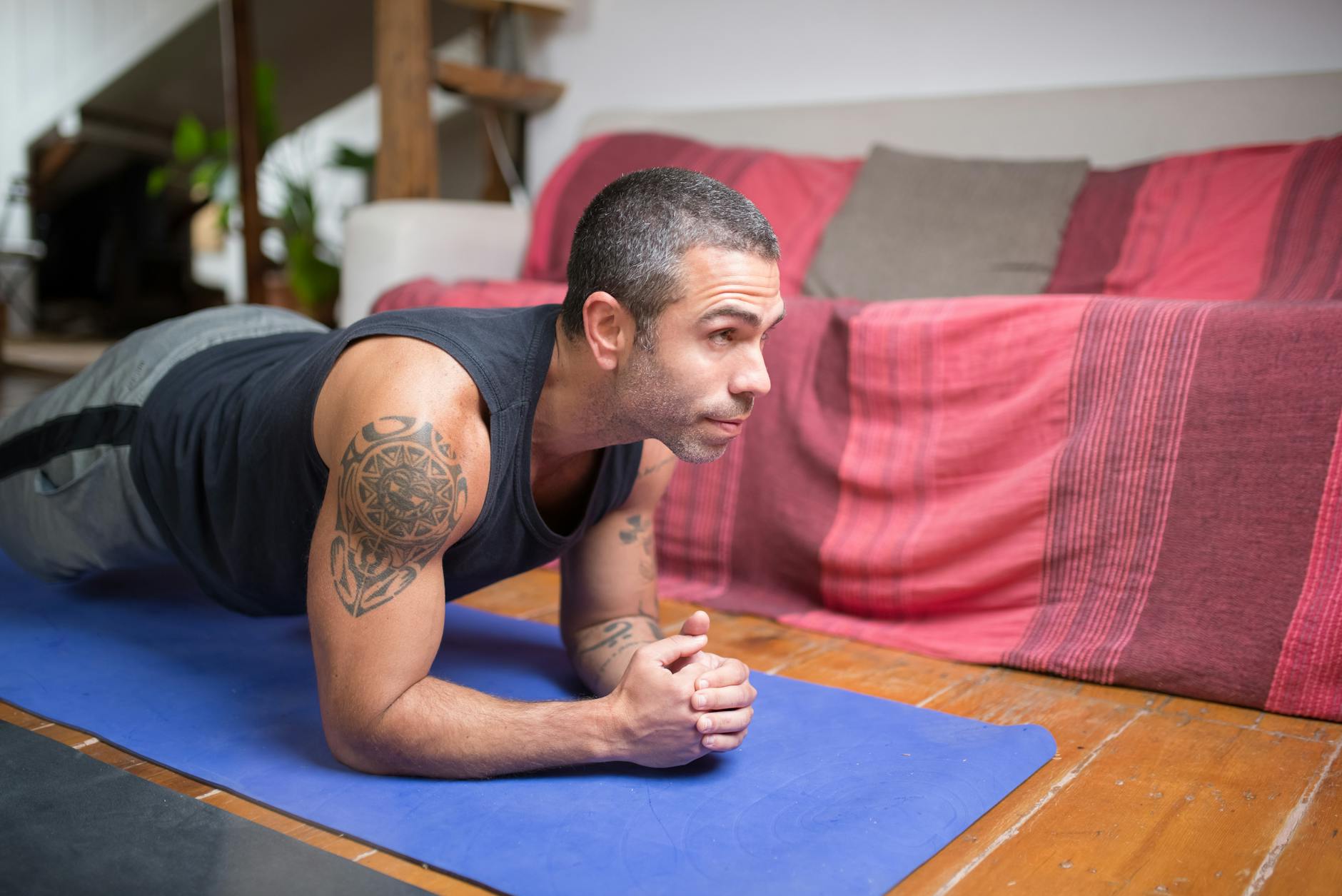
Building Arm Muscle at Home: A Realistic Outlook
Can you build significant arm muscle at home with bodyweight exercises? Absolutely. However, it’s important to have realistic expectations. Building large amounts of muscle mass (hypertrophy) typically requires a significant stimulus, which can be harder to achieve with bodyweight alone compared to heavy weightlifting. But for toning arms without weights, achieving noticeable definition, and building functional strength, bodyweight training is incredibly effective. You'll see great improvements in your biceps, triceps, and shoulders. The National Institutes of Health research on bodyweight arm exercises confirms that progressive overload, even with bodyweight, is key to hypertrophy.
Think about an athlete who specializes in calisthenics. Their physiques are often incredibly muscular and defined, built purely from bodyweight training. They achieve this through advanced variations, extreme volume, and meticulous programming. You can absolutely build impressive arms without weights; it just requires dedication, smart programming, and a willingness to push your limits creatively. The Mayo Clinic research on bodyweight arm exercises also supports its efficacy for strength and muscle maintenance.
The journey to stronger, more defined arms doesn't require a gym membership or expensive equipment. Your own body is the most accessible and versatile tool you have. By understanding the principles of progressive overload, mastering key bodyweight arm exercises, and structuring your workouts intelligently, you can achieve fantastic results. Don't let the myth of needing weights hold you back. Embrace the power of your own body, stay consistent, and you’ll be amazed at what you can accomplish. This is about unlocking your own potential, one rep at a time.