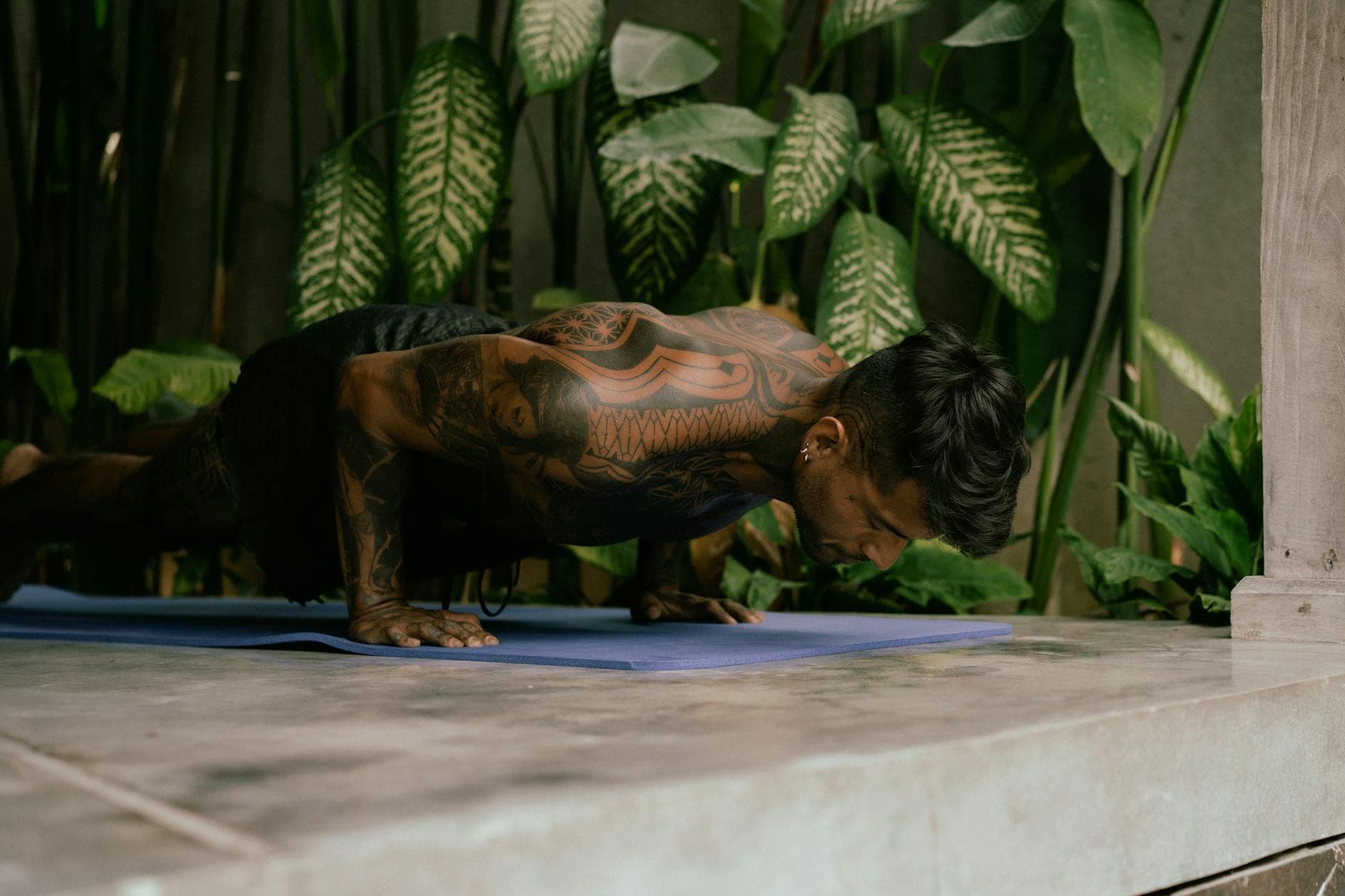
Picture this: you're standing on a beach, the sun warming your shoulders, ready to dive into the ocean. Or maybe you're just trying to reach that top shelf without a grunt of effort. Strong, capable shoulders aren't just about aesthetics; they're about function, about moving through life with ease and power. And here's the wild thing – you don't need a gym or fancy equipment to build them. I've discovered an incredible world of bodyweight shoulder exercises that can transform your upper body, right from your living room floor. This isn't some watered-down version of a workout; this is the real deal, tapping into fundamental human movements to sculpt powerful deltoids and improve shoulder health.
Unlocking Shoulder Strength Without Weights
For so long, the narrative in fitness has been about lifting heavier and heavier. Dumbbells, barbells, machines – they all have their place, absolutely. But what if I told you that your own body weight, manipulated correctly, is one of the most potent tools you have for building impressive shoulders? This realization hit me like a ton of bricks a few years back. I was traveling, stuck in hotel rooms, and feeling my strength diminish. I started experimenting, and the results were frankly astonishing. I’m talking about building real, functional strength and muscle definition using just the floor, a wall, and your own ingenuity. It’s a testament to how adaptable and powerful our bodies truly are when we challenge them intelligently.
The Power of Your Own Body
Think about it: how often do you push against something? Whether it's the ground, a wall, or even just holding yourself up, pressing and stabilizing are fundamental. Bodyweight training leverages these natural actions. The beauty of it is that it forces your stabilizing muscles to work overtime, leading to more robust and resilient shoulders. You're not just isolating a muscle; you're engaging the entire kinetic chain, building a more complete and functional physique. This approach is fantastic for beginners, but it also offers a deep well of progression for seasoned athletes. The challenge is always there, waiting to be met.
Why Focus on Bodyweight for Shoulders?
Here's the thing: focusing on bodyweight shoulder exercises can actually prevent common injuries associated with heavy weightlifting. When you're lifting extremely heavy weights, form can sometimes falter, leading to undue stress on the rotator cuff or other delicate shoulder structures. Bodyweight movements, when performed with proper technique, often encourage a more controlled and mindful engagement of the shoulder joint. This can lead to improved proprioception and a better understanding of how your shoulders move, ultimately making them stronger and healthier in the long run. It’s about building a foundation of strength that supports everything else you do.
Dispelling the Myth: "You Can't Build Muscle with Bodyweight"
This is a myth that absolutely needs to be busted. While progressive overload is key for muscle growth, it doesn't *always* have to mean adding more weight. With bodyweight exercises, you can achieve progressive overload through several means: increasing reps, increasing sets, decreasing rest times, changing leverage (making the exercise harder), and increasing time under tension. For example, a standard push-up is a chest and triceps exercise, but with slight modifications, it becomes a phenomenal bodyweight deltoid exercise. It’s all about understanding the mechanics and how to manipulate them to your advantage. I used to think this myself, but seeing and feeling the changes in my own physique, and those of clients, has completely changed my perspective. It’s about working smarter, not just harder.
Mastering the Push: Fundamental Bodyweight Shoulder Exercises
When we talk about building shoulders with our own weight, the push-up is the undisputed king. But it's not just about doing endless reps of the standard variety. We can manipulate this foundational movement to target different parts of the shoulder and increase the challenge significantly. This is where the magic of bodyweight training truly shines – its adaptability.
The Mighty Push-Up Variations
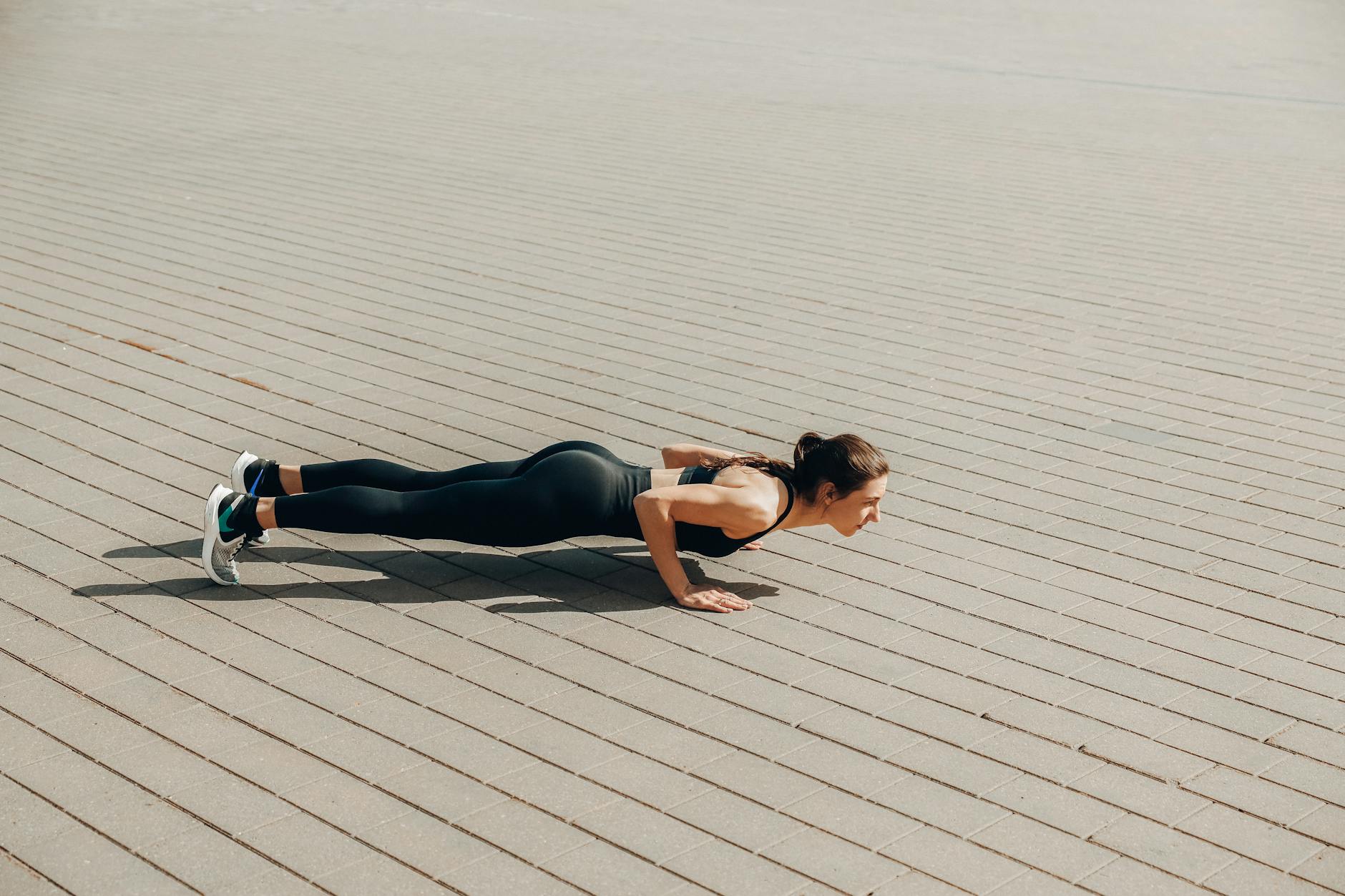
The standard push-up is a fantastic starting point, engaging the anterior (front) deltoids to some extent, along with the chest and triceps. But to truly hit the shoulders, we need to change the angle and leverage.
Incline Push-Ups: Building a Base
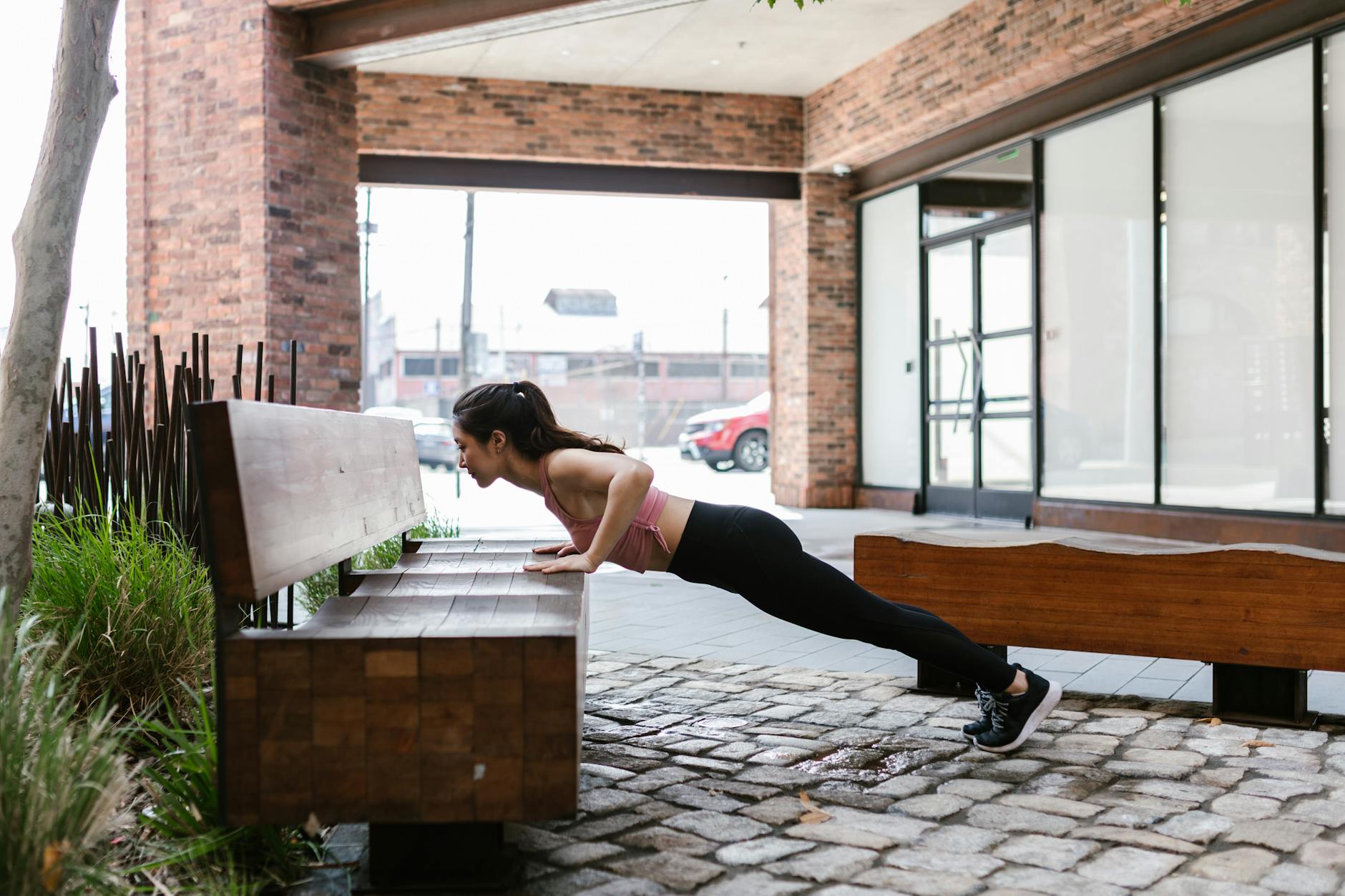
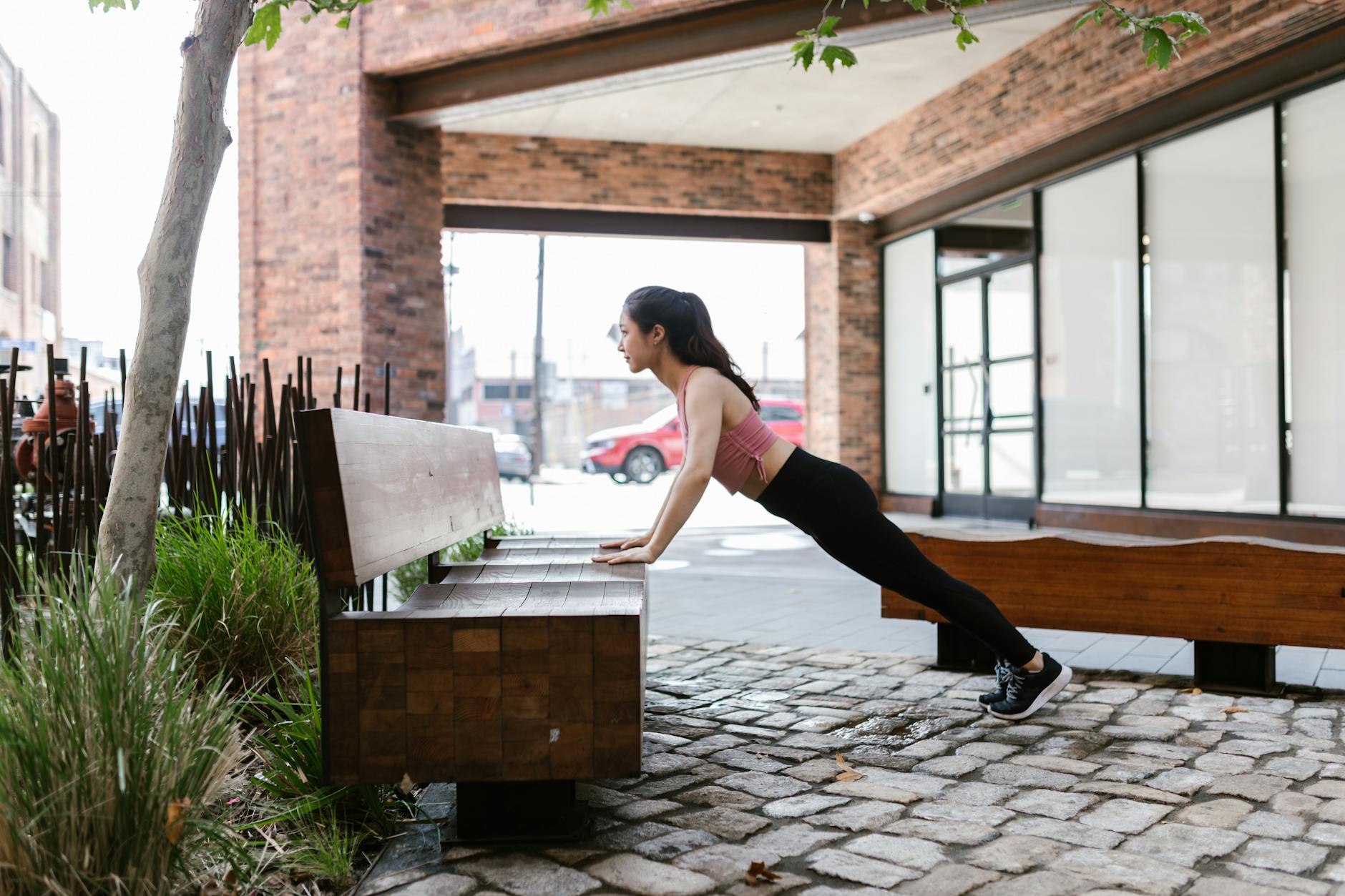
Start with incline push-ups. Place your hands on an elevated surface like a sturdy table, counter, or even a chair. The higher the surface, the easier the exercise. This variation shifts the emphasis slightly more towards the shoulders and allows you to build up the strength and endurance needed for more challenging movements. Aim for 3-4 sets of 10-15 repetitions, focusing on a controlled descent and a powerful push back up.
Decline Push-Ups: Increasing the Load
Flip that script with decline push-ups. Place your feet on an elevated surface and your hands on the floor. This increases the load on your upper body, forcing your shoulders to work harder. Be cautious with this one initially; it’s significantly more challenging than standard push-ups. Start with a slight decline (e.g., feet on a single step) and gradually increase the elevation as you get stronger. Again, 3-4 sets of as many controlled reps as possible (AMRAP) is a good starting point.
Pike Push-Ups: The Shoulder Builder
This is where things get really interesting for shoulder development. The pike push-up is a game-changer for targeting the deltoids. Assume a push-up position, then walk your feet forward and lift your hips high, forming an inverted V-shape with your body. Your hands should be shoulder-width apart. Lower your head towards the floor by bending your elbows, aiming to get the crown of your head towards the floor. Push back up to the starting position. This movement directly mimics the pressing motion of an overhead press, making it one of the best bodyweight deltoid exercises available.
Progression for Pike Push-Ups
To progress the pike push-up, you can elevate your feet on a chair or box. The higher your feet, the more challenging the exercise becomes, and the greater the emphasis on your shoulders. I remember when I first tried elevated pike push-ups, I could barely do two reps. Now, it's a staple in my routine. It’s a clear indicator of progress and a testament to the effectiveness of these shoulder exercises at home.
Beyond the Push: Targeting All Delt Heads
While push-ups are fantastic for the front deltoids, a well-rounded shoulder development requires attention to the lateral (side) and posterior (rear) deltoids as well. This is where some creative bodyweight movements come into play.
Lateral Delt Bodyweight Exercises
Directly targeting the lateral deltoids with bodyweight alone is tricky, as they are primarily responsible for abduction (lifting the arms out to the sides). However, certain exercises can create enough resistance and angle to stimulate them.
Plank to Downward Dog Flow
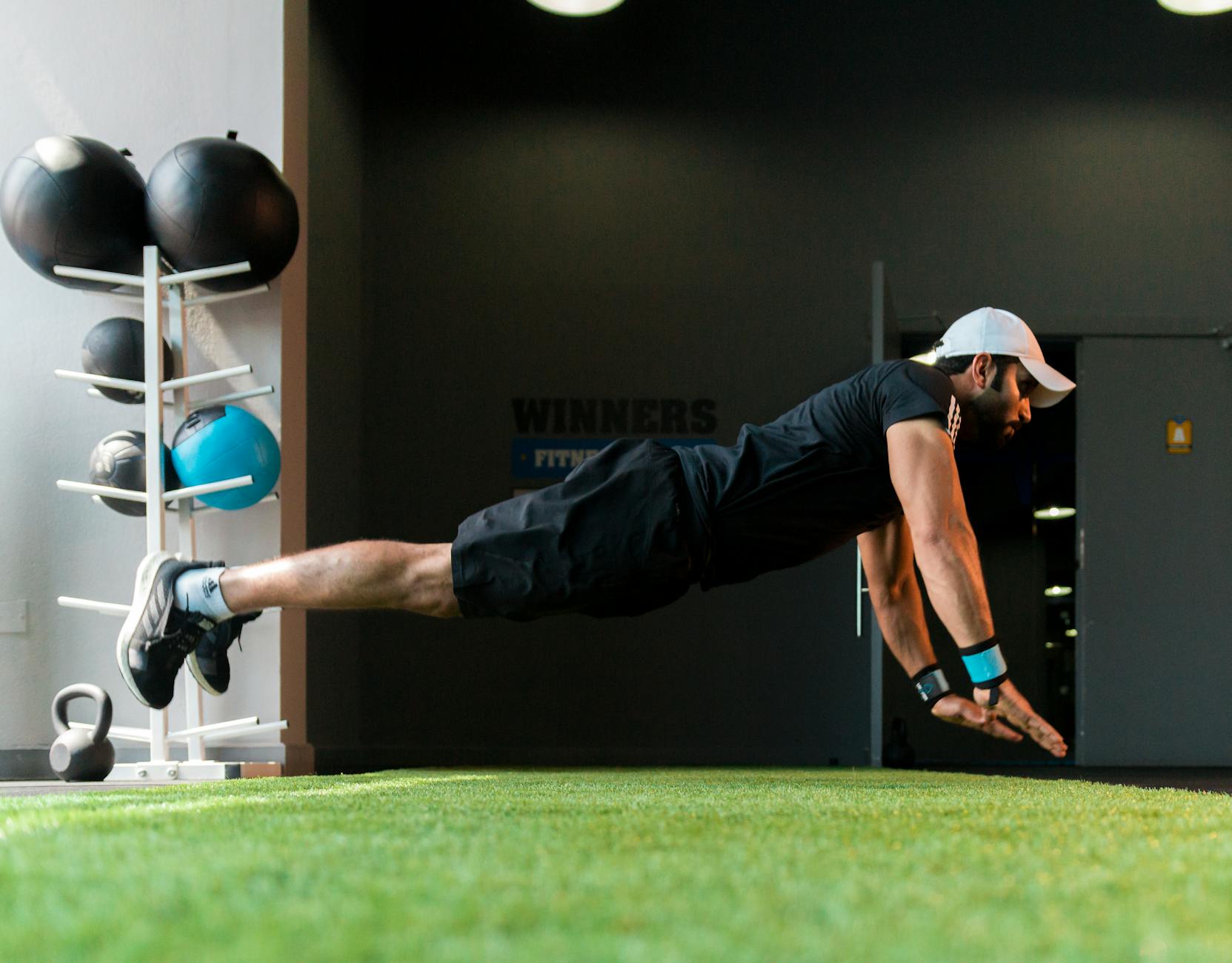
This dynamic movement is surprisingly effective. Start in a high plank position. As you exhale, push your hips back and up into a downward-facing dog pose, similar to the starting position of a pike push-up. Your arms should be straight, and you should feel a stretch and engagement in your shoulders. Inhale and slowly return to the high plank. The controlled transition and the isometric hold in the downward dog position can create a good stimulus for the lateral deltoids. Aim for 3-4 sets of 10-12 repetitions.
Wall Walks (with caution!)
This is an advanced movement and requires a good foundation of shoulder strength. Facing away from a wall, place your hands on the floor about a foot away. Walk your feet up the wall, one step at a time, until your body is as vertical as possible, with your hands on the floor and your feet against the wall. Hold this position for a few seconds, focusing on keeping your shoulders engaged and pushed away from your ears. Slowly walk your feet back down. This is an incredible way to build shoulder strength and endurance, and it’s a true test of your bodyweight shoulder exercises mastery. Be sure to progress to this gradually; starting with just a few steps up the wall is perfectly fine.
Rear Delt Bodyweight Exercises
Often the most neglected part of the shoulder, strong rear deltoids are crucial for posture and injury prevention. They counterbalance the often overdeveloped front and side deltoids.
Bodyweight Reverse Flyes
This is a fantastic exercise you can do anywhere. Stand with your feet hip-width apart, and hinge at your hips, keeping your back straight and a slight bend in your knees. Let your arms hang straight down towards the floor, palms facing each other. Keeping a slight bend in your elbows, raise your arms out to the sides, squeezing your shoulder blades together at the top. Imagine you're trying to touch your elbows behind you. Lower your arms slowly and with control. This movement directly targets the rear deltoids and is a key component of any effective no equipment shoulder workout. Aim for 3-4 sets of 15-20 repetitions.
Prone Cobra
Lie face down on the floor with your arms extended by your sides, palms facing down. Engage your glutes and lift your chest and arms slightly off the floor, squeezing your shoulder blades together. Imagine you are trying to pull your elbows back. Hold for a second or two at the top, then slowly lower back down. This is a gentler introduction to rear delt activation and is excellent for improving posture. I often incorporate this into my morning stretch routine to wake up my upper back and shoulders.
Progression and Putting it All Together
The beauty of bodyweight shoulder exercises is that the progression is virtually limitless. You don't need to constantly buy new weights; you just need to get smarter about how you move.
The Concept of Progressive Overload
As I mentioned earlier, progressive overload is the cornerstone of muscle growth. With bodyweight, this means challenging yourself in new ways. If you can easily do 20 pike push-ups, it's time to make it harder. Elevate your feet. Shorten the range of motion slightly to increase time under tension. Slow down the eccentric (lowering) phase of the movement. These subtle changes can make a world of difference. For instance, if your goal is to perform a handstand push-up, each variation you master – from wall walks to elevated pike push-ups – is a crucial step in that progression. It's a journey, not a destination.
Sample Bodyweight Shoulder Workout
Here’s a sample routine you can try. Remember to listen to your body and adjust as needed. This is designed to hit all the major muscle groups of the shoulder.
Warm-up (5-10 minutes)
- Arm circles (forward and backward, small and large)
- Shoulder dislocations (with a band or towel, if available)
- Cat-Cow stretch
- Dynamic chest stretches
Workout
- Pike Push-Ups: 3 sets of AMRAP (as many reps as possible) with good form. If standard pike push-ups are too hard, do incline pike push-ups. If they are too easy, elevate your feet.
- Bodyweight Reverse Flyes: 3 sets of 15-20 repetitions. Focus on squeezing the shoulder blades.
- Incline Push-Ups (for volume): 3 sets of 15-20 repetitions. This helps build overall upper body strength that supports shoulder health.
- Plank to Downward Dog Flow: 3 sets of 10-12 repetitions. Focus on the controlled transition and shoulder engagement.
- Wall Walks (if advanced) or Wall Holds: 3 sets, holding for 20-30 seconds. If wall walks are too much, simply hold the handstand position against the wall.
Cool-down (5-10 minutes)
Static stretching for the shoulders, chest, and triceps. A good stretching routine for men will often include these, but they are beneficial for everyone. You might also consider a quick morning yoga flow to aid recovery.
When to Seek Professional Guidance
While bodyweight shoulder exercises are incredibly effective and accessible, it’s always wise to consult with a healthcare professional or a certified fitness trainer if you have any pre-existing shoulder conditions or experience pain. They can help you tailor exercises to your specific needs and ensure you're performing movements safely and effectively. Research from Harvard Health research on bodyweight shoulder exercises often highlights the importance of proper form and gradual progression, especially when dealing with any discomfort.
The Takeaway: Your Shoulders, Your Power
The journey to stronger, more capable shoulders doesn't require a gym membership or expensive equipment. It requires intention, consistency, and a willingness to explore the incredible potential of your own body. These bodyweight shoulder exercises are not just about building muscle; they are about building resilience, improving posture, and enhancing your ability to move through life with confidence and power. You've got this. Start incorporating these movements, be patient with your progress, and prepare to be amazed by what your body can achieve. It’s a truly empowering realization when you discover how much strength you can unlock without ever touching a weight.