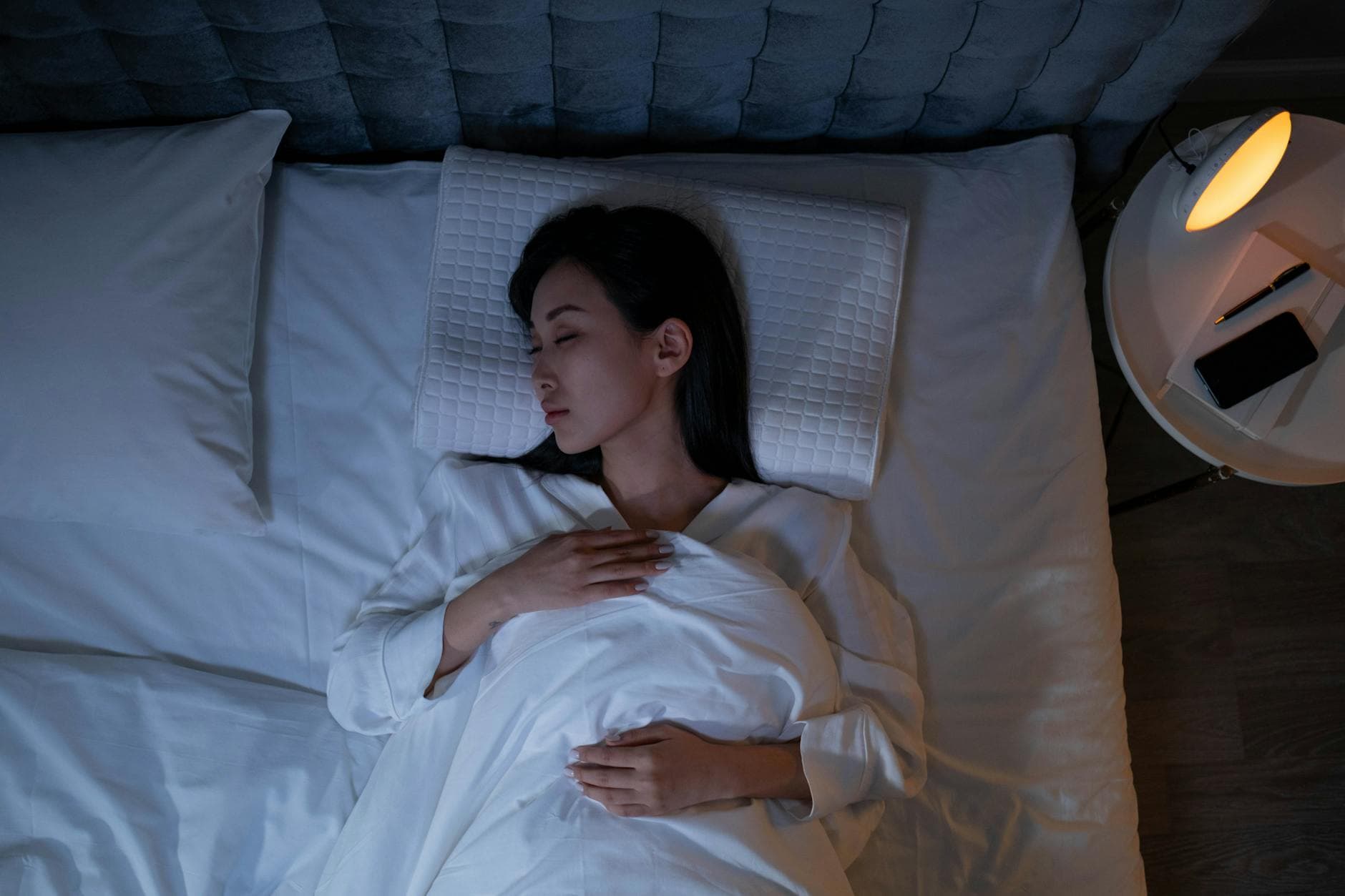
Ever woken up feeling like you’ve run a marathon instead of sleeping through the night? Or maybe you hit the pillow exhausted, only to stare at the ceiling for what feels like hours? You’ve probably noticed that a good night's sleep isn't just about closing your eyes; it's about the quality of that rest. So, what is sleep hygiene, and why does it feel like such a mystery for so many of us?
Honestly, it's not some complex, clinical term only doctors understand. Think of it this way: just like personal hygiene keeps your body clean, sleep hygiene is the set of habits and practices that are essential for good sleep quality and full daytime alertness. It’s about creating the right conditions, both internally and externally, for your body and mind to truly unwind and recharge. I used to think sleep was just something that happened to me, a passive state. But here's the thing: it’s an active pursuit, a deliberate practice, and something we can profoundly influence.
What Exactly is Sleep Hygiene?
Look, the term "sleep hygiene" might sound a bit formal, but it's really just a fancy way of talking about healthy sleep habits. It’s the framework of behaviors and environmental factors that promote consistent, uninterrupted sleep. When people ask, "what does sleep hygiene mean?", I tell them it's the foundation upon which truly restorative sleep is built. It’s not just about getting to bed on time; it encompasses everything from what you eat and drink to how you manage stress and set up your bedroom.
More Than Just a Clean Bedroom
When I first heard about it, I pictured a spotless, minimalist bedroom. While a clean, tidy space certainly helps, the Mayo Clinic research on what is sleep hygiene makes it clear that it goes far beyond dusting and fresh sheets. It's about optimizing your entire lifestyle to support your natural sleep-wake cycle, known as your circadian rhythm. This rhythm dictates when your body naturally feels sleepy and awake, and good sleep hygiene works with it, not against it.
For instance, if you’re constantly fighting your body’s natural signals by pulling all-nighters or sleeping in dramatically on weekends, you’re messing with that rhythm. And trust me, your body will let you know. The goal of defining sleep hygiene is to align your daily choices with your biological clock, making it easier to fall asleep, stay asleep, and wake up feeling refreshed.
The Science Behind Our Sleep Cycles
Our bodies are incredible machines, and sleep is one of their most vital functions. During sleep, we cycle through different stages, including REM (Rapid Eye Movement) and non-REM sleep. Each stage plays a crucial role in physical restoration, memory consolidation, emotional regulation, and even immune function. Disruptions to these cycles, often caused by poor sleep hygiene, can have a domino effect on our overall health.
Think about it: when you don't get enough deep sleep, your body doesn't fully repair. When REM sleep is cut short, your brain struggles to process emotions and memories. This isn't just about feeling tired; it's about compromising your cognitive abilities, your mood, and your physical resilience. That's why understanding what sleep hygiene is, at its core, is so important – it’s about respecting your body’s innate need for proper rest.
Why It Matters More Than You Think
I’ll be real with you: for years, I treated sleep as a luxury, something I could sacrifice for more work, more social time, or just more Netflix. Big mistake. The Centers for Disease Control and Prevention research on what is sleep hygiene consistently highlights sleep as a public health issue. Chronic sleep deprivation, often a direct result of neglecting healthy sleep habits, is linked to a host of serious problems: obesity, heart disease, diabetes, and even weakened immune systems. It also dramatically impacts mental health, contributing to anxiety and depression.
Good sleep isn't just about avoiding bad things; it's about unlocking your best self. It boosts your mood, sharpens your focus, enhances your creativity, and even makes you more resilient to stress. Improving sleep quality through better sleep hygiene is one of the most powerful things you can do for your well-being, hands down. It’s an investment that pays dividends in every area of your life.

The Core Pillars of Great Sleep Hygiene
So, now that we’ve got a handle on "what is sleep hygiene" and why it matters, let’s talk practicalities. This isn't about perfection, but about consistent, mindful effort. These pillars are where you'll see the biggest impact on your sleep quality.
Your Sacred Sleep Schedule
This is probably the single most impactful change you can make, and honestly, the one most people struggle with. Going to bed and waking up at roughly the same time every single day, even on weekends, is foundational. It trains your body's internal clock, your circadian rhythm, to expect sleep and wakefulness at predictable times. This consistency helps regulate your hormones, like melatonin (the sleep hormone) and cortisol (the stress hormone), making it easier to fall asleep and wake up naturally.
I used to be terrible at this. I'd stay up late on Fridays, sleep until noon on Saturdays, and then wonder why I felt exhausted and groggy all week. It took a while, but committing to a consistent bedtime and wake-up time, even if it meant setting an alarm for 8 AM on a Saturday, changed everything. Your body thrives on routine, and your sleep schedule is its most important one.
Crafting Your Ideal Sleep Environment
Think of your bedroom as a cave: dark, cool, and quiet. This sounds simple, but so many of us overlook these basics. Your sleep environment plays a huge role in how quickly you fall asleep and how deeply you stay asleep. Light, noise, and temperature are powerful cues to your brain.
Keeping It Dark, Quiet, and Cool
- Darkness: Even small amounts of light can disrupt melatonin production. Blackout curtains are a game-changer. I even cover tiny LED lights on electronics.
- Quiet: Noise, even if you don't fully wake up, can pull you out of deep sleep stages. Earplugs, a white noise machine, or even a fan can help mask disruptive sounds.
- Cool: Most experts recommend a bedroom temperature between 60-67 degrees Fahrenheit (15-19 degrees Celsius). Your body naturally cools down to initiate sleep, so a cool room supports this process.
Beyond these, think about your mattress and pillows. Are they supportive? Are they comfortable? Investing in good quality bedding isn't a luxury; it's an investment in your health. A lumpy mattress or an unsupportive pillow can lead to aches and pains, making a restful night impossible.
Before Bed: The Wind-Down Ritual
You can't expect your brain to go from 100 mph to zero in an instant. You need a buffer zone, a transition period to signal to your body and mind that it's time to prepare for rest. This is your bedtime routine, and it should be a non-negotiable part of your evening.
My Favorite Wind-Down Activities
- No Screens: This one is huge. The blue light emitted by phones, tablets, and computers suppresses melatonin. Aim for at least an hour, ideally two, before bed without screens. Read a physical book instead.
- Warm Bath or Shower: The drop in body temperature after getting out of a warm bath can be a powerful sleep inducer.
- Gentle Stretching or Yoga: Releasing physical tension can help quiet a busy mind.
- Deep Breathing Exercises: I'm a huge advocate for this. Simple techniques can calm your nervous system. If you're struggling with stress, deep breathing for anxiety can make a real difference. Just a few minutes of slow, deliberate breaths can shift your state.
This ritual should be relaxing and consistent. It's not about doing more; it's about doing less, and doing it mindfully. It's your personal signal to your brain that the day is winding down and sleep is approaching.

What Sabotages Your Sleep (And How to Fix It)
Even with the best intentions, it's easy to fall into habits that unknowingly wreck your sleep. Identifying these culprits is half the battle when trying to improve sleep hygiene.
The Sneaky Culprits: Caffeine, Alcohol, & Screens
These three are the usual suspects, and for good reason. They're pervasive in modern life, and they all have a direct, negative impact on your ability to fall asleep and stay asleep.
Understanding Their Impact
- Caffeine: It’s a stimulant, pure and simple. While it gives you that morning jolt, its effects can linger for hours. My personal rule, and one I recommend, is no caffeine after 2 PM. Even a late afternoon coffee can disrupt your sleep later.
- Alcohol: Many people think alcohol helps them sleep because it can make you drowsy. But this is a deceptive sleep. Alcohol fragments sleep, reduces REM sleep, and can lead to awakenings later in the night. It’s a poor sleep aid.
- Screens: We talked about blue light, but it’s more than that. Engaging with stimulating content (news, social media, intense games) right before bed keeps your mind active and alert, making it harder to switch off.
I know, giving up that evening glass of wine or scrolling Instagram in bed can be tough. But trust me, the trade-off for truly restorative sleep is worth it. It's about setting boundaries for the sake of your well-being.
Mindset Matters: Taming the Nighttime Brain
Ever lie in bed, mind racing with to-do lists, worries, or replays of the day? This "nighttime brain" is a huge barrier to sleep for many people, myself included. Insomnia causes are often rooted in an inability to quiet the mind.
This is where practices like journaling can be incredibly helpful. Before you get into bed, take 10-15 minutes to write down everything that's on your mind: your worries, your plans for tomorrow, anything that feels unfinished. Get it out of your head and onto paper. This simple act can prevent those thoughts from hijacking your sleep. Mindfulness and meditation can also be powerful tools here. Even a short deep breathing exercises session can make a profound difference in calming your thoughts.
Daytime Habits That Impact Nighttime Rest
Sleep hygiene isn't just about what you do in the hours before bed; it's about your entire day. What you do from the moment you wake up can either support or hinder your sleep that night.
Key Daytime Strategies
- Exercise Regularly: Physical activity is fantastic for sleep, but timing matters. Avoid intense workouts too close to bedtime. Morning workouts, for example, have incredible morning workout benefits, including boosting energy and setting your circadian rhythm.
- Limit Naps: While a short power nap (20-30 minutes) can be refreshing, long or late-afternoon naps can interfere with nighttime sleep. If you must nap, keep it short and early.
- Sunlight Exposure: Get some natural light, especially in the morning. This helps regulate your circadian rhythm, signaling to your body that it's daytime and time to be awake and alert.
It's all connected. Your body is constantly taking cues from your environment and your actions. By making conscious choices throughout the day, you're setting yourself up for success when it's time to sleep.
Beyond the Basics: Advanced Tips for Deeper Sleep
Once you've got the core principles down, there are always ways to refine your healthy sleep habits and achieve even better sleep quality. These are some areas that really moved the needle for me.
The Power of Light and Darkness
I mentioned darkness in the bedroom, but let's go deeper. Our bodies are incredibly sensitive to light. Bright light exposure, especially in the morning, signals wakefulness. Conversely, dimming lights in the evening, particularly warm-toned lights, can help prepare your body for sleep. This is about working with your natural physiology. I even started using blue-light-blocking glasses in the evenings, and it's made a noticeable difference.
Consider the cumulative effect of artificial light exposure. The World Health Organization research on what is sleep hygiene often emphasizes the importance of managing light exposure throughout the 24-hour cycle. It's not just about what you do right before bed, but how you pattern your light intake across the day.
Movement and Nutrition: Your Body's Fuel for Sleep
It might seem obvious, but what you put into your body and how you move it directly impact your sleep. A balanced diet, rich in whole foods, provides the nutrients your body needs for all its functions, including sleep. Avoid heavy, rich, or spicy meals too close to bedtime, as they can cause indigestion and discomfort.
Similarly, hydration is key, but don't overdo it with liquids right before bed to avoid nighttime bathroom trips. And about exercise: consistency is more important than intensity. Even a brisk walk during the day can significantly improve your sleep quality. However, remember to avoid strenuous exercise too close to your bedtime, as it can be stimulating.
When to Seek Professional Help
Despite all your best efforts with sleep hygiene, some people still struggle significantly with sleep. If you've diligently applied these practices for several weeks or months and are still experiencing chronic insomnia, excessive daytime sleepiness, or other persistent sleep disturbances, it might be time to talk to a doctor or a sleep specialist.
There are underlying medical conditions, like sleep apnea, restless legs syndrome, or chronic anxiety, that can severely impact sleep and require professional diagnosis and treatment. Don't feel like a failure if you need help; recognizing when to seek expert advice is a sign of strength and self-care. Sometimes, a little extra guidance is exactly what you need to finally get the rest you deserve.
Ultimately, understanding what is sleep hygiene isn't just about memorizing a list of rules. It’s about building a deeper connection with your body and mind, recognizing their needs, and honoring them with the rest they deserve. It's a journey, not a destination, and every small step you take towards better sleep hygiene is a step towards a healthier, happier you. Start small, be consistent, and watch how your life transforms. You're worth the effort.