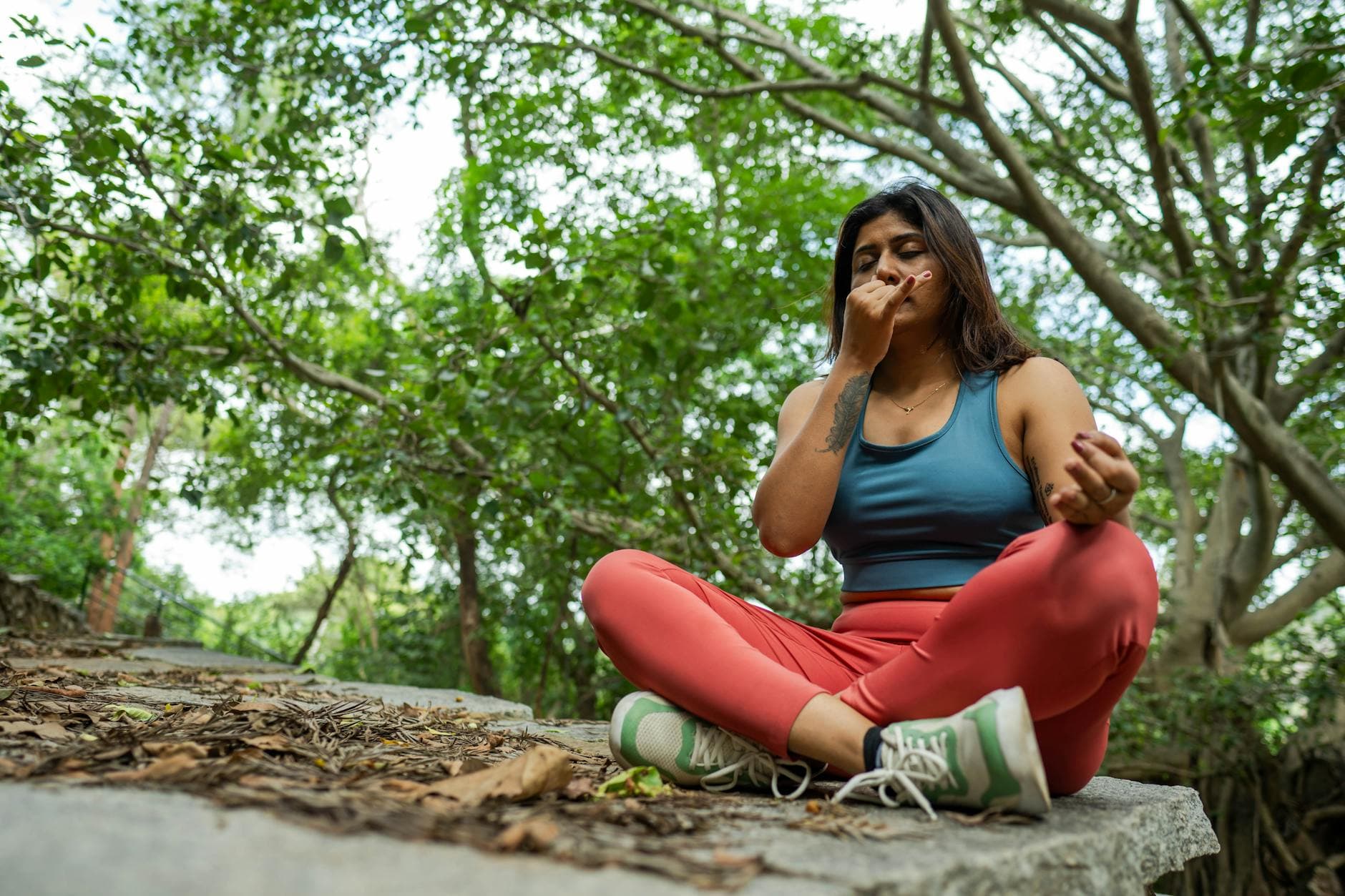
The knot in your stomach tightens. Your heart pounds a frantic rhythm against your ribs, a drum solo of sheer panic. Maybe you’re staring at an overwhelming email inbox, or perhaps you’re about to walk into a crucial meeting. The world feels like it’s closing in, and your breath, suddenly, feels impossibly shallow, stuck somewhere in your throat. You know that feeling, right? That moment where everything screams for a pause, a reset, a way to just breathe. This is precisely where the profound, often underestimated power of deep breathing exercises steps in, offering an immediate lifeline.
I’ve witnessed it countless times, in myself and in hundreds of others I’ve had the privilege to guide: the instant shift that happens when you intentionally engage your breath. It’s not just some New Age concept; it’s a physiological superpower available to every single one of us, a natural antidote to the relentless pace of modern life. For years, I used to think breathing was just something my body did automatically, without much thought. But honestly, unlocking the secrets of proper breathing techniques has been one of the most transformative practices in my wellness journey, offering a bedrock of calm and resilience.
The Hidden Power of Your Breath: More Than Just Staying Alive
Most of us go through life barely noticing our breath, letting it run on autopilot, which often means shallow, rapid chest breathing. This sends a constant, low-level stress signal to your nervous system, keeping you in a perpetual state of "fight or flight." It’s a common misconception that simply taking a big gulp of air counts as deep breathing. The truth is far more nuanced, and far more effective.
Why Most People Get This Wrong
Think about it: when you're stressed, what happens? Your shoulders tense, your chest heaves. This is sympathetic nervous system activation, preparing your body for perceived danger. It’s a brilliant survival mechanism, but it’s not designed for the daily grind of emails and traffic jams. Constantly breathing this way means your body is always on high alert, depleting your energy and exacerbating feelings of anxiety. Many people attempt a "deep breath" by just expanding their chest, which is only half the story, missing the crucial engagement of the diaphragm.
The Shallow Breathing Trap
The problem with shallow breathing is that it restricts oxygen flow, especially to the lower lobes of your lungs, which are richer in blood vessels. Over time, this can contribute to feelings of fatigue, poor concentration, and even perpetuate cycles of anxiety. I’ve seen clients come to me exhausted, convinced they need more sleep or caffeine, when often, the root cause was simply inefficient breathing patterns. It's a subtle but powerful drain on your vitality, leaving your body feeling consistently under-resourced.
The Science Behind the Calm
Here's the thing about your breath: it's one of the few autonomic functions you can consciously control. By taking charge of your breath, you directly influence your autonomic nervous system, specifically activating the parasympathetic branch — your body's "rest and digest" system. This is where the magic happens. Slow, deep breathing stimulates the vagus nerve, which runs from your brainstem to your abdomen, mediating a vast array of bodily functions. Activating this nerve sends a powerful signal to your brain: "All clear, calm down."
Research, including studies highlighted by the Harvard Health research on deep breathing exercises, consistently shows that intentional, slow breathing can lower heart rate, reduce blood pressure, decrease muscle tension, and even alter brainwave activity towards a more relaxed state. It’s a potent, non-pharmacological tool for stress relief techniques and managing various health conditions. This isn't just about feeling better; it's about fundamentally re-calibrating your physiological state.
My Own Journey with Breath
I’ll be real with you: I used to be a chronic chest breather. My shoulders were often hunched, my jaw tight, and I carried a constant hum of low-grade anxiety. It wasn’t until I hit a wall with burnout that I truly began exploring mindful breathing as a serious practice. I remember one particularly stressful period where my heart rate would hover around 90-95 beats per minute even at rest. After just a few weeks of consistent diaphragmatic breathing practice, I saw that number drop to a much healthier 65-70 bpm. This one surprised me, showing me the measurable impact of something so simple. That personal experience cemented my belief in the power of these simple yet profound methods, turning me into a passionate advocate for deep breathing exercises.

Mastering Diaphragmatic Breathing: Your Foundation
If there's one technique you take away from this, it has to be diaphragmatic breathing, often called "belly breathing." This is the cornerstone of all effective calming breathwork and a fundamental skill for anyone serious about improving their overall wellness. It’s how babies naturally breathe, a testament to its efficiency and calming effect.
Finding Your Diaphragm (It's Easier Than You Think)
To really feel your diaphragm working, lie down on your back with your knees bent, feet flat on the floor. Place one hand on your chest and the other on your belly, just below your rib cage. As you inhale slowly through your nose, focus on letting your belly rise, pushing your hand up. Your chest hand should remain relatively still. Exhale slowly through pursed lips, feeling your belly gently fall. This ensures you’re engaging your primary breathing muscle, the diaphragm, rather than relying on accessory chest muscles. Practice this for a few minutes each day, and you'll quickly build the muscle memory.
The 4-7-8 Breathing Technique: A Calming Classic
Developed by Dr. Andrew Weil, the 4-7-8 breathing technique is a powerful tool for relaxation exercises, particularly effective for falling asleep or easing anxiety. It's a fantastic example of controlled breathing techniques that can quickly shift your state.
Step-by-Step Guide
- Sit or lie comfortably.
- Place the tip of your tongue against the ridge of tissue just behind your upper front teeth, and keep it there through the entire breathing process.
- Exhale completely through your mouth, making a "whoosh" sound.
- Close your mouth and inhale quietly through your nose to a mental count of four.
- Hold your breath for a count of seven.
- Exhale completely through your mouth, making a "whoosh" sound, for a count of eight.
- This completes one breath. Inhale again and repeat the cycle three more times for a total of four breaths.
You'll notice its immediate calming effect. I’ve personally used this countless times when I wake up in the middle of the night and can’t get back to sleep. It’s remarkably effective.
Box Breathing: For Focus and Stress Relief
Box breathing, also known as square breathing, is another excellent technique, often used by Navy SEALs to maintain focus and calm under pressure. It's a simple, rhythmic pattern that helps regulate your nervous system and is a great breathing exercise for anxiety.
- Exhale completely, pushing all the air out of your lungs.
- Inhale slowly through your nose for a count of four.
- Hold your breath for a count of four.
- Exhale slowly through your mouth for a count of four.
- Hold your breath for a count of four.
Repeat this cycle for several minutes. The equal segments create a soothing, predictable rhythm that can quiet a racing mind and bring you back to the present moment. This kind of mindful breathing is something you can do anywhere, anytime, without anyone even noticing.
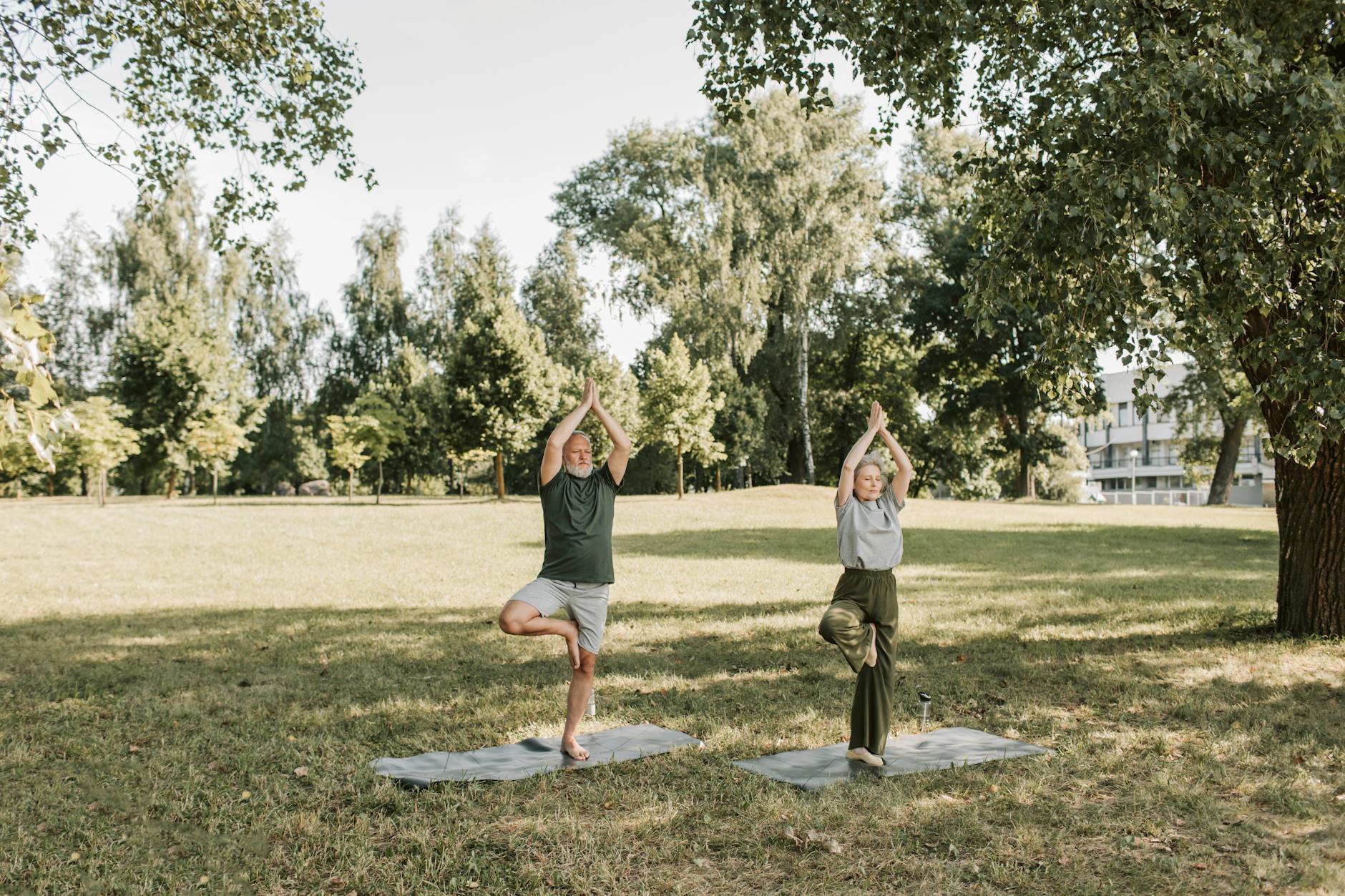
Beyond the Basics: Advanced Breathing Techniques for Specific Needs
Once you've got diaphragmatic breathing down, you can explore other breathing techniques that offer unique benefits. These aren't just about relaxation; they can enhance energy, improve lung capacity, and even aid in emotional release.
Breathing Exercises for Anxiety and Panic Attacks
When anxiety spirals or a panic attack hits, it feels like you're drowning in air. Your natural instinct might be to hyperventilate, which only worsens the symptoms. This is where targeted breathing exercises for anxiety become your most powerful ally.
The "Emergency Brake" Breath
For moments of acute anxiety or a full-blown panic attack, a rapid, focused technique can be incredibly helpful. The key is to extend the exhale significantly. Inhale slowly through your nose for a count of 3 or 4. Then, exhale slowly through pursed lips for a count of 6 to 8. The longer exhale signals to your brain that the danger has passed, helping to down-regulate your fight-or-flight response. I’ve taught this to clients who used to experience debilitating panic attacks, and many report it feeling like an "emergency brake" on their nervous system, giving them back a sense of control.
Mindful Breathing for Everyday Wellness
Mindful breathing isn't a specific technique as much as it is an approach. It involves simply paying attention to your breath as it enters and leaves your body, without trying to change it. It’s a foundational practice for Best Mindfulness Meditation Techniques, helping you stay grounded throughout your day. Just a few minutes of conscious breathing can reset your perspective and improve your emotional regulation.
Integrating Breath into Daily Life
You don't need to carve out an hour for a formal meditation session (though that's great too!). Practice mindful breathing while you're waiting in line, before you open a difficult email, or even when you're just walking. Take a few deep, intentional breaths while you're brewing your coffee, or before you start your Beginner Morning Yoga routine. These small, consistent moments of awareness accumulate, building resilience and a deeper connection to your body. It's about making your breath a conscious ally, not just an unconscious function.
Expanding Lung Capacity: The Long-Term Game
While many deep breathing exercises focus on calming, some also help improve lung capacity over time. Practices like certain yoga pranayama techniques involve longer holds and more vigorous inhalations and exhalations. These can strengthen your respiratory muscles, increase oxygen delivery, and enhance overall stamina. Think of it as fitness for your lungs, much like how you might use Best Natural Skincare Products to maintain healthy skin; consistent care yields lasting benefits.
One simple way to start working on this is through extended exhalations. After a full inhale, try to gently squeeze out every last bit of air from your lungs, contracting your abdominal muscles. This helps to clear residual air and allows for a deeper, fuller inhale on the next breath, gradually improving your respiratory efficiency. Consistency is key here, just like with any fitness regimen.
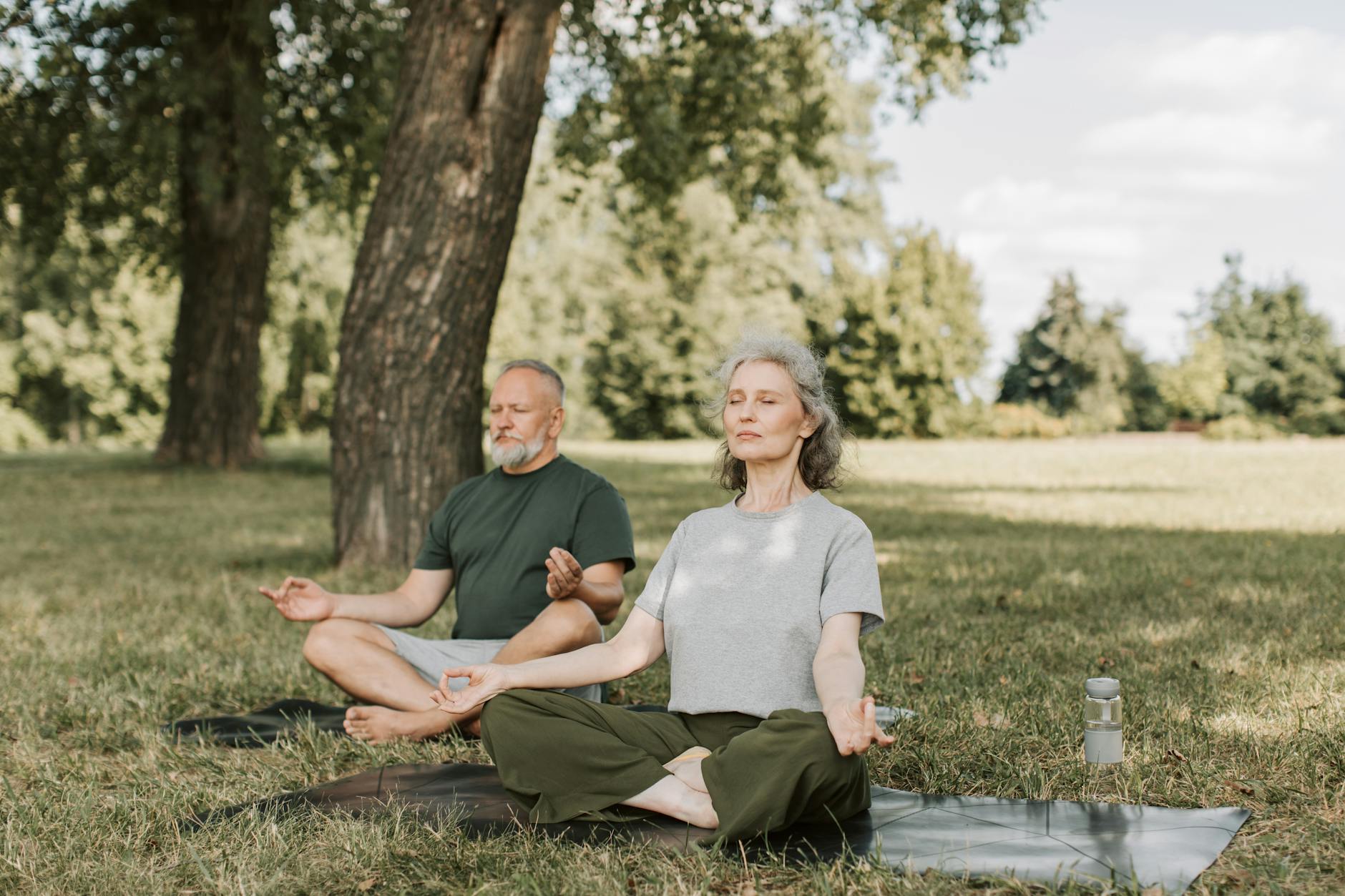
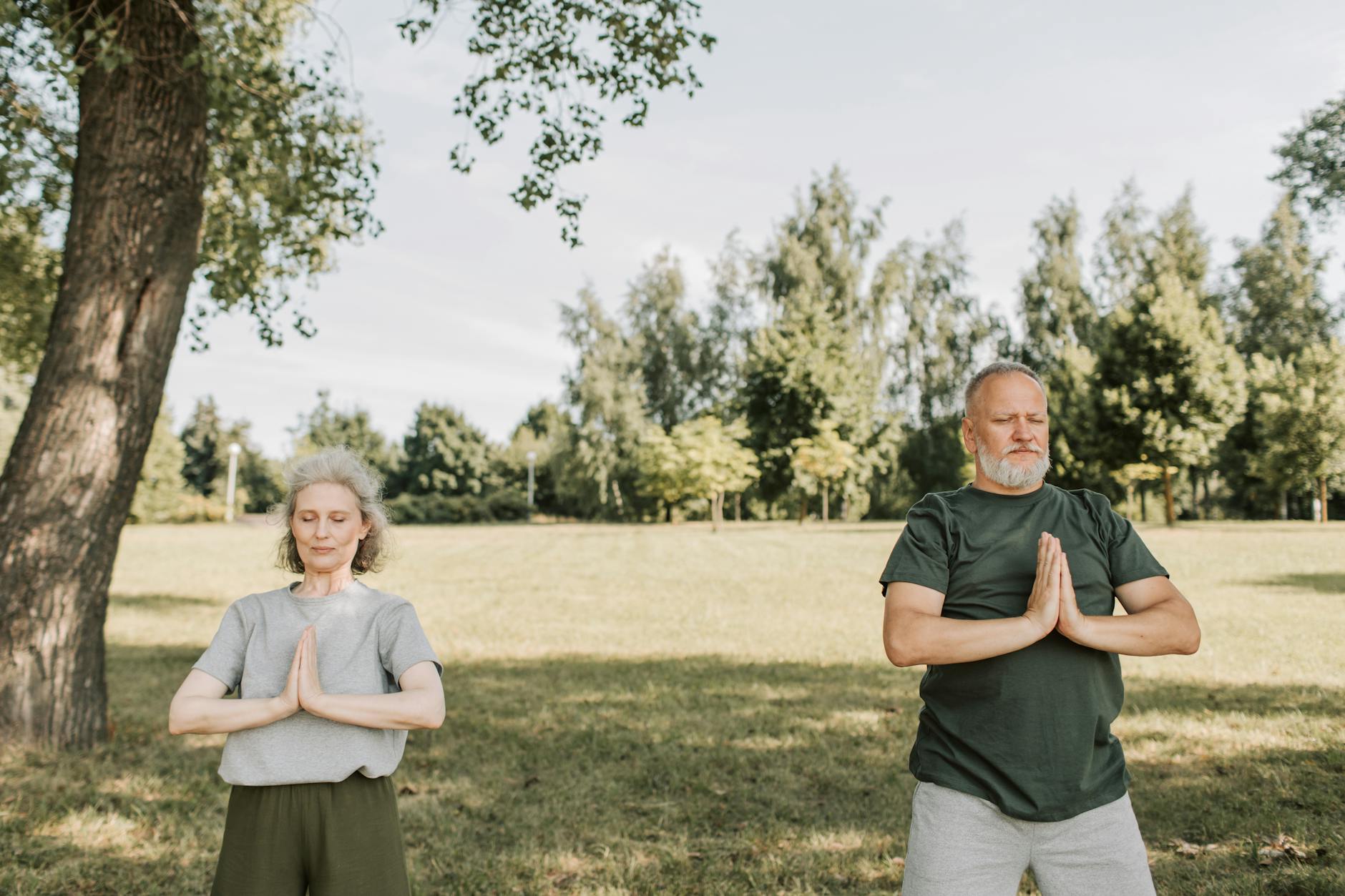
Common Pitfalls and How to Avoid Them
Even with something as seemingly simple as breathing, there are common mistakes people make that can hinder their progress or even cause discomfort. My goal here is to help you navigate these so your journey is as smooth and effective as possible.
The Myth of "Just Breathe Deep"
As we discussed, simply taking a big gulp of air into your chest isn't deep breathing. It's often counterproductive, leading to hyperventilation symptoms like lightheadedness or tingling. The emphasis should always be on diaphragmatic breathing – allowing your belly to rise and fall – and making sure your exhale is at least as long, if not longer, than your inhale. This is crucial for truly activating the parasympathetic response.
Consistency Over Perfection
Many people get discouraged if they don't feel perfectly calm after one session or if their mind wanders during practice. Look, that's completely normal. The benefit of deep breathing exercises isn't about achieving a perfect state of zen every time; it's about the cumulative effect of consistent practice. Even five minutes a day, done regularly, will yield profound results. Don't chase perfection; simply show up for your breath.
When to Seek Professional Guidance
While deep breathing is generally safe and beneficial, there are times when it's wise to consult a healthcare professional. If you experience persistent dizziness, shortness of breath, or if your anxiety or panic attacks are severe and debilitating, please seek medical advice. Breathing techniques can be a powerful complementary tool, but they shouldn't replace professional medical treatment for underlying conditions. Always listen to your body and consult with experts when in doubt; your well-being is paramount.
So, where do you start? Right here, right now. Take a moment. Place your hand on your belly. Inhale slowly, feeling your belly rise. Exhale gently, feeling it fall. This isn't just air moving in and out; it's a profound connection to your body's innate ability to find peace, focus, and resilience. Your breath is always with you, a constant, loyal companion. Learning to truly use it is one of the greatest gifts you can give yourself, a pathway to a calmer, more centered life.