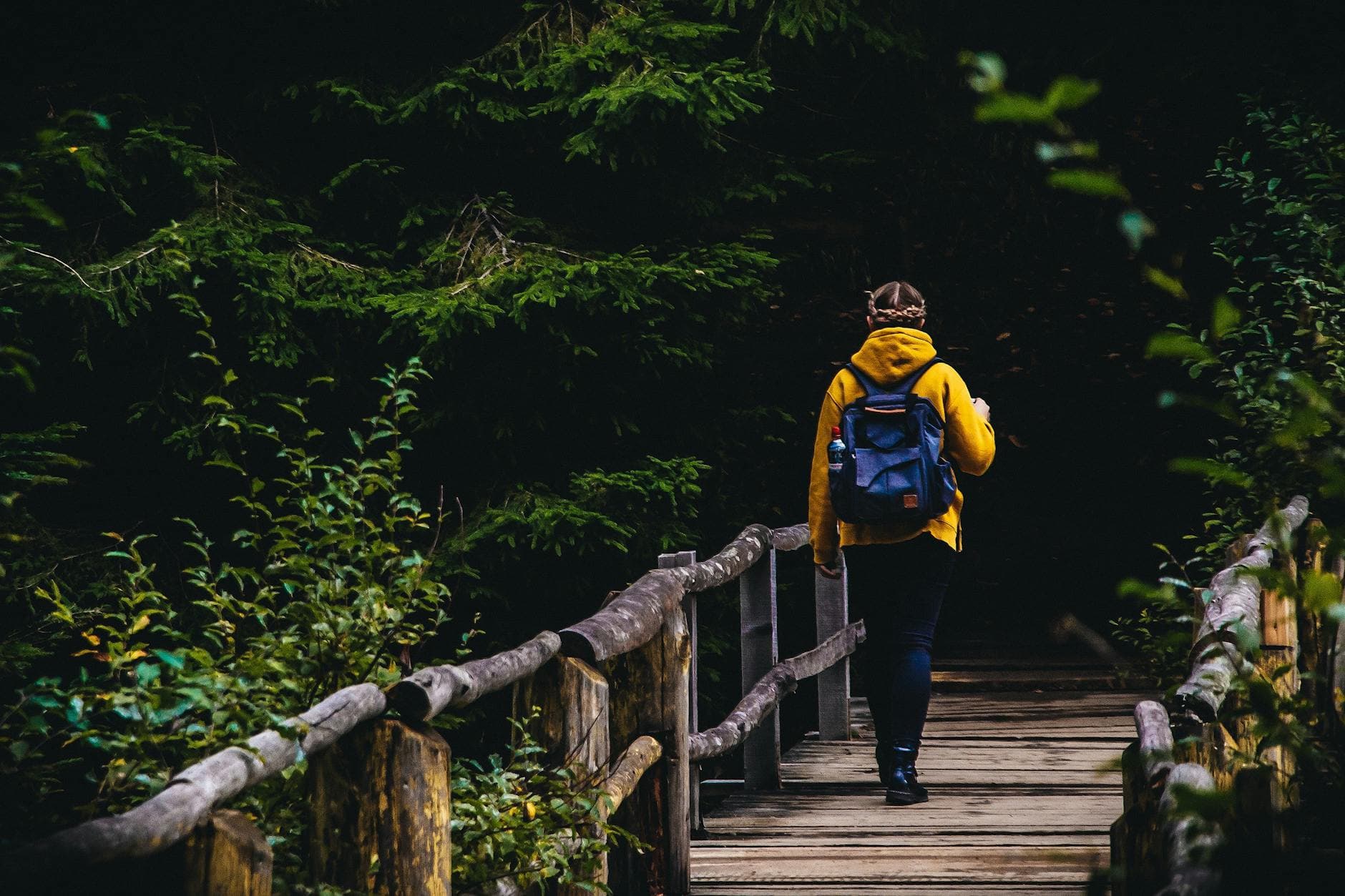
The Simple Power of Mindful Walking in Nature
There's this idea out there that you need fancy retreats, hours of meditation, or expensive gear to truly de-stress and reconnect. Honestly, that's just not true. The most profound changes often come from the simplest things. And for me, one of the most accessible and powerful practices is mindful walking nature. Forget the notion that you have to be an expert yogi or a zen master to benefit. This is for everyone, and it's more potent than you might think.
What Exactly is Mindful Walking?
At its core, mindful walking is about bringing your full attention to the present moment while you walk. It’s not about setting a personal best or rushing to your destination. Instead, it’s about engaging your senses and noticing the experience of walking itself.
The "Nature" Element: Why It Matters So Much
Adding "nature" to the equation elevates this practice significantly. Our modern lives often pull us indoors, away from the natural world. Re-engaging with nature offers a unique set of benefits that are hard to replicate elsewhere. Think about the last time you felt truly calm and centered. Chances are, you were outside, perhaps on a quiet trail or in a park.
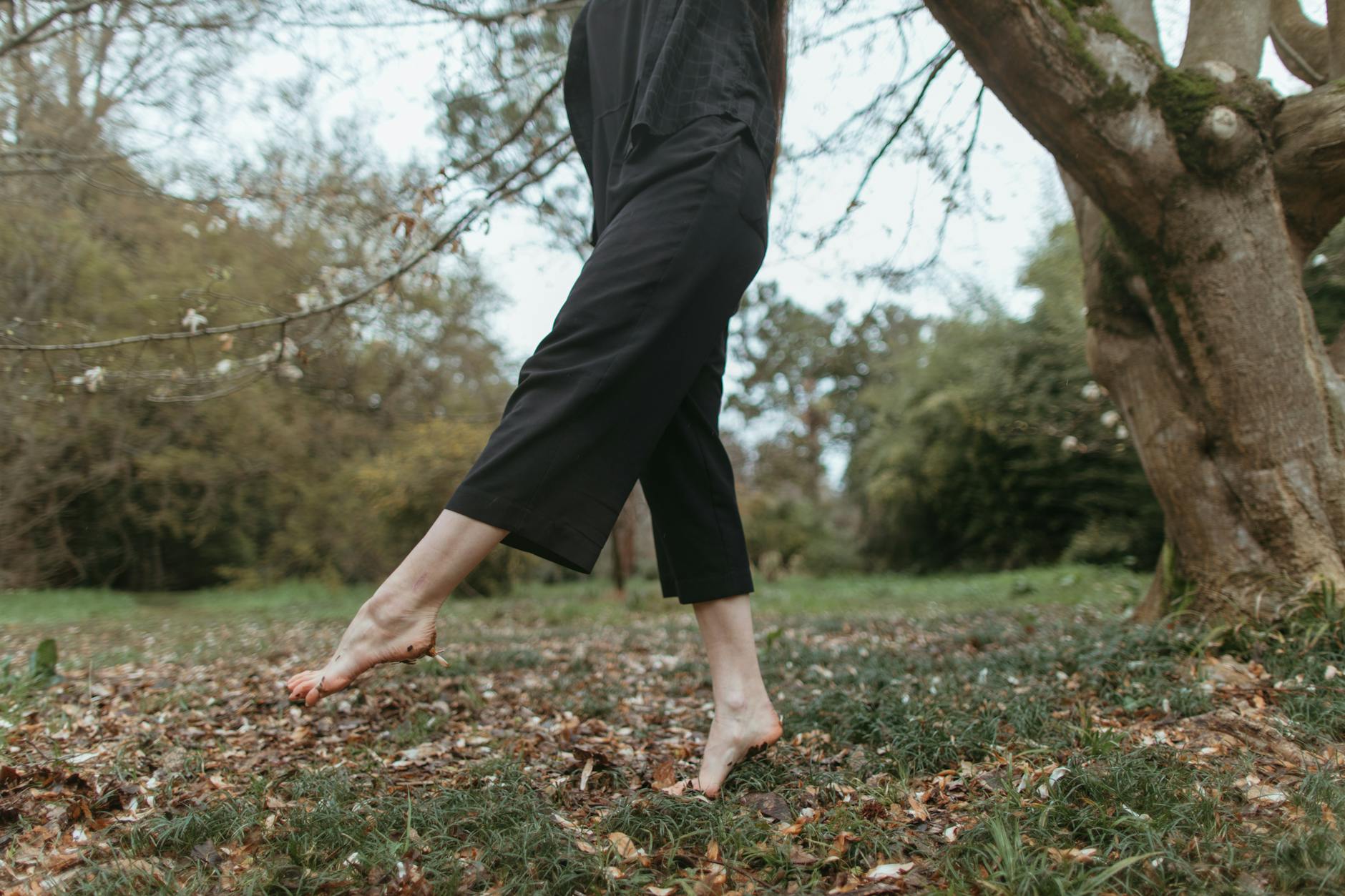
The Overlooked Benefits of Nature Walking
You've probably heard that exercise is good for you, but what about specifically the benefits of nature walking? It’s more than just burning calories. It’s about a holistic rejuvenation of your mind and body.
Boosting Your Mood and Reducing Stress
This is where I see the biggest, most immediate impact. When I’m feeling overwhelmed, a walk in the woods is my go-to. The simple act of moving my body amidst trees and fresh air shifts my perspective. Studies, like those referenced by the Centers for Disease Control and Prevention research on mindful walking nature, have consistently shown that spending time in green spaces can significantly reduce symptoms of anxiety and depression. It’s not magic; it’s biology.
Enhancing Cognitive Function
Beyond stress relief, nature walking can actually make you sharper. The gentle stimulation of the natural environment, without the harsh demands of urban settings, allows your brain to rest and reset. This can lead to improved focus, creativity, and problem-solving skills. It’s like giving your brain a much-needed vacation.
Physical Health Advantages
Of course, we can't ignore the physical aspect. Regular walking, especially in varied terrain, strengthens your cardiovascular system, improves balance, and builds muscle. The World Health Organization research on mindful walking nature underscores the importance of physical activity for overall well-being, and nature walks provide an enjoyable way to achieve this.

Spring Mindful Walking: A Season of Renewal
Spring is a particularly magical time for mindful walking. The world is waking up, and there's a palpable sense of new beginnings in the air. This season offers a perfect backdrop for embracing outdoor mindfulness.
The Sensory Explosion of Spring
Think about the vibrant greens, the delicate blossoms, the chorus of birdsong. Spring mindful walking is about immersing yourself in this sensory symphony. The air itself feels different – cleaner, fresher, alive. This is the time for spring mindful walking, where every step feels like a rediscovery.
Walking Meditation in Spring
You don't need to sit cross-legged on a cushion to practice meditation. Walking meditation spring is a dynamic and engaging way to cultivate presence. As you walk, focus on the feeling of your feet on the earth, the rhythm of your breath, the sights and sounds around you. It’s a moving meditation, perfectly suited for the energetic unfolding of spring.
Connecting with the Awakening Earth
There's a deep satisfaction in witnessing nature's rebirth. Observing the tiny buds on trees, the first wildflowers pushing through the soil, or the return of migratory birds creates a profound connection with the earth. This connection is a cornerstone of connecting with nature and a vital part of spring wellness activities.
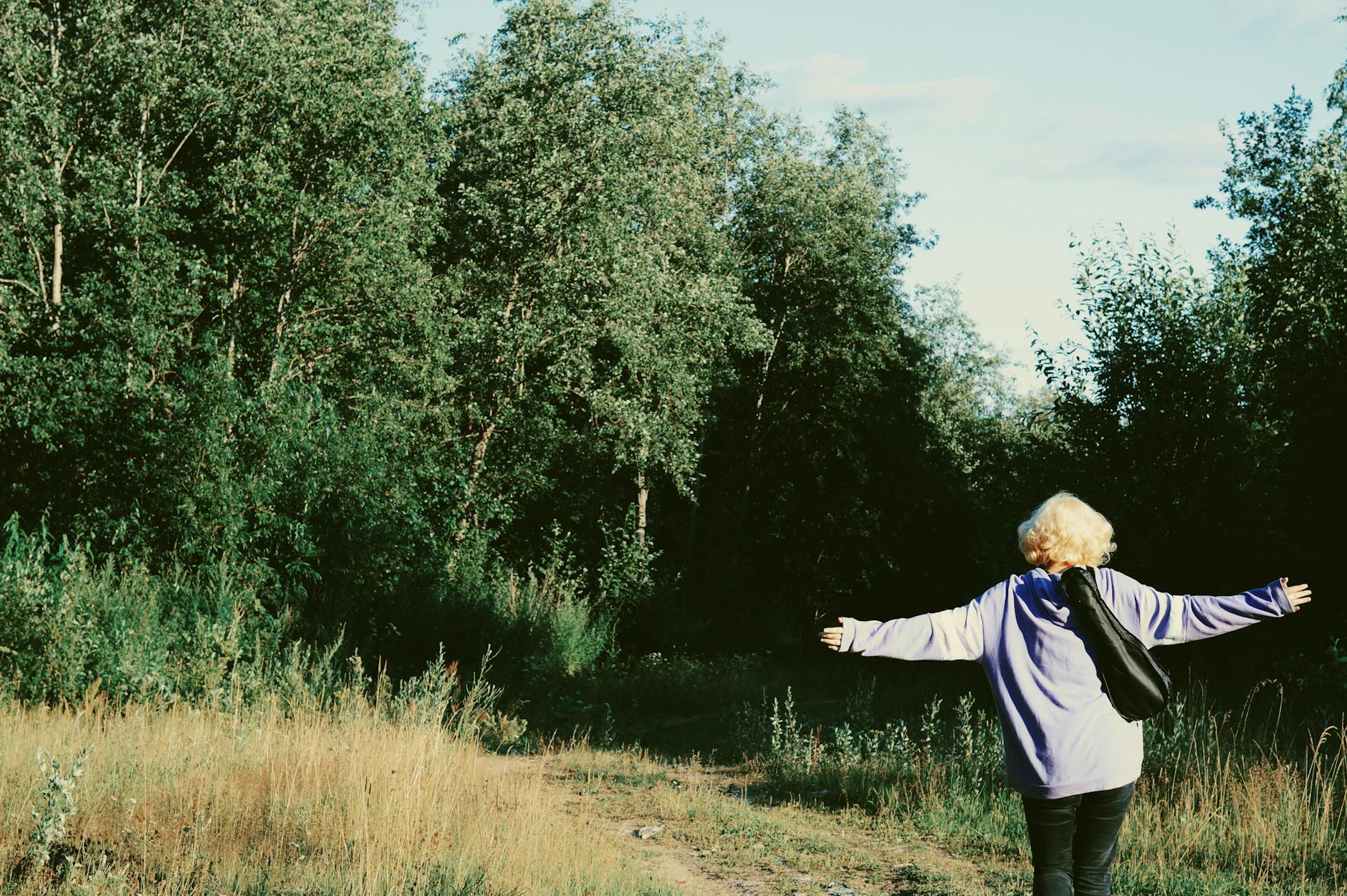
How to Practice Mindful Walking in Nature: A Practical Guide
So, how do you actually do it? It’s simpler than you might think. Here’s a breakdown of how to get started with mindful walking nature.
Setting the Intention
Before you even step out the door, set an intention. Are you looking to de-stress? To feel more present? To appreciate the beauty around you? Having a clear intention can help guide your focus during the walk.
Engaging Your Senses
This is the heart of the practice.
- Sight: Notice the colors, shapes, and textures of your surroundings. Look at the intricate patterns of leaves, the way sunlight filters through the trees, or the flight of an insect.
- Sound: Listen to the rustling leaves, the chirping birds, the distant hum of life. Try to identify different sounds and their sources.
- Smell: Inhale deeply and notice the scents of damp earth, pine needles, blooming flowers, or fresh rain.
- Touch: Feel the breeze on your skin, the texture of bark under your fingertips, the solid ground beneath your feet.
- Taste: While not always applicable, you might notice the crispness of the air or the faint taste of dew.
Mindful Movement
Pay attention to the physical sensations of walking. Feel your feet making contact with the ground, the swing of your arms, the gentle expansion and contraction of your chest as you breathe. This is mindful movement in its purest form.
Dealing with Distractions
Your mind will wander. That's okay! The practice isn't about achieving a perfectly silent mind. When you notice your thoughts drifting, gently acknowledge them without judgment and guide your attention back to your senses or your breath. This act of returning is the practice itself.
Finding Your Spot
You don't need to hike for hours. Even a local park, a quiet street lined with trees, or your own backyard can be a place for mindful walking. The key is to find a space where you feel relatively safe and undisturbed, allowing you to focus on the experience.
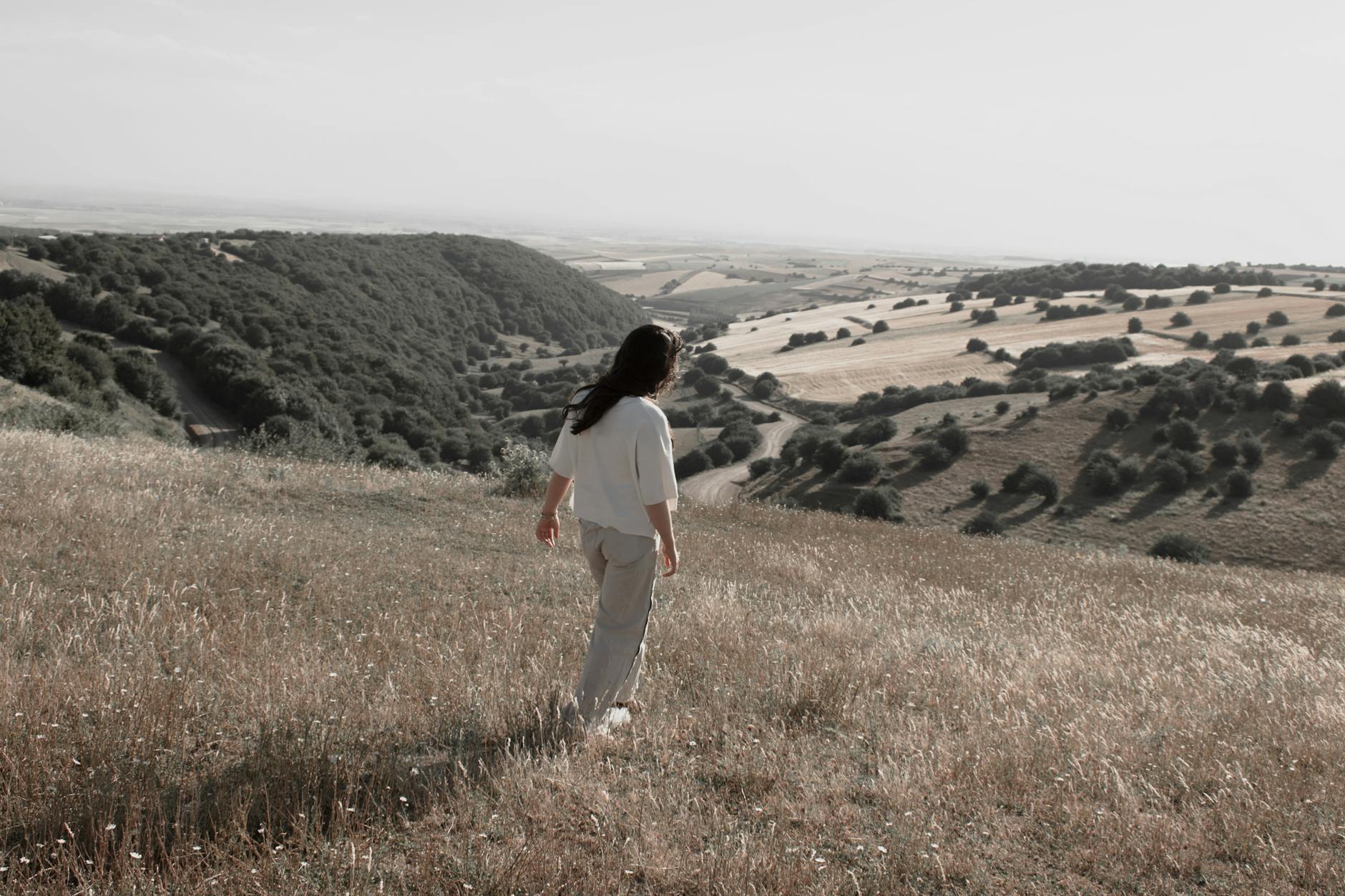
My Personal Reflection: The Unexpected Gifts of Slowing Down
I'll be real with you, for a long time, I thought walking had to be a workout. I’d track my steps, aim for a certain pace, and often leave feeling more tired than refreshed. Then, I started experimenting with truly mindful walking. I remember one particular afternoon in late spring. I was feeling overwhelmed with deadlines and a general sense of unease. I decided to skip my usual brisk walk and instead just wander through a small wooded area near my home.
I wasn't aiming for any distance. I just let myself meander. I stopped to watch a ladybug crawl across a leaf. I knelt down to feel the moss on a fallen log. I listened intently to the distinct calls of different birds. It wasn't a long walk, maybe only 30 minutes. But when I returned, the knot in my stomach had loosened, and the mental chatter had quieted considerably. It was a revelation. This experience solidified for me that nature walking benefits aren't just about the physical act, but about the conscious engagement with the environment. It taught me the power of simply being present, a lesson that has rippled positively into other areas of my life, including my approach to gardening for stress relief.
Mindful Walking for Mental Health: Beyond the Quick Fix
When we talk about walking for mental health, it's easy to think of it as a temporary mood booster. While it certainly is that, the benefits of consistent mindful walking in nature run much deeper. It's about building resilience and cultivating a more peaceful inner state over time.
Building Resilience Through Nature
The consistent practice of grounding yourself in nature, even for short periods, helps to regulate your nervous system. This makes you better equipped to handle stress when it arises. It’s like building up your mental and emotional immune system. The practice of digital declutter spring can complement this by reducing external stressors.
Cultivating Gratitude and Awe
The sheer beauty and complexity of the natural world can inspire profound feelings of gratitude and awe. Noticing the intricate design of a flower or the vastness of the sky can shift your focus from what’s lacking to what is abundant. This shift in perspective is a powerful tool for mental well-being.
The Long-Term Impact of Forest Bathing Benefits
Practices like forest bathing, or Shinrin-yoku, are essentially very immersive forms of mindful walking in nature. Research has shown that exposure to forest environments can lower blood pressure, reduce cortisol levels, and improve immune function. The cumulative effect of regular immersion in nature is significant for long-term mental health.
Integrating Mindful Walking into Your Life
The beauty of mindful walking nature is its adaptability. You don't need to overhaul your entire life to incorporate it. Small, consistent steps are key.
Making it a Habit
Consistency trumps intensity. Aim for short, regular walks rather than infrequent, long ones. Perhaps start with a 15-minute walk during your lunch break or first thing in the morning. Over time, you can gradually increase the duration or frequency as it feels right.
Finding Your "Why"
Remember your intention. Whether it's for stress relief walking, to improve your mood, or simply to reconnect with yourself, your "why" will be your motivation. This is a crucial aspect of building sustainable healthy habits, much like when you're focusing on non-scale victories: spring goals for true health & happi....
Embracing Imperfection
There will be days when your mind races, or the weather isn't ideal. That's perfectly fine. The goal isn't perfection; it's progress and self-compassion. Treat yourself with the same kindness you would offer a friend who is learning something new.
Combining it with Other Practices
Mindful walking can be a fantastic complement to other wellness activities. It can help you reset before a sleep cycle reset: optimize spring rest & energy or provide a natural way to balance exercise and social life as suggested in tips for balance exercise social life: spring swing tips. It’s all about creating a well-rounded approach to your well-being.
The simple act of putting one foot in front of the other, with awareness and appreciation for the natural world around you, is a profound practice. It’s a reminder that the greatest resources for our well-being are often the most accessible. So, lace up your shoes, step outside, and let the restorative power of mindful walking nature work its gentle magic.