
I remember this one spring a few years back. The sun was finally starting to show its face after a long, gray winter, and everyone was buzzing. My inbox was flooded with invites: weekend hikes, backyard BBQs, even a spontaneous road trip to the coast. Simultaneously, my fitness goals felt super urgent. I’d been telling myself all winter that *this* was the spring I’d finally get consistent with my workouts. Suddenly, I was staring at my calendar, which looked like a Tetris game gone wrong, and I felt this familiar pang of overwhelm. How was I supposed to possibly balance exercise and social life without dropping the ball on one or the other? It felt like an impossible equation, and honestly, I used to think it was. But here's the thing: it’s not impossible. It’s just about finding *your* sweet spot, and that’s what we’re going to talk about.
The Myth of the All-or-Nothing Approach
You've probably noticed it too. There's this societal pressure, right? Either you're the super-fit person who never misses a gym session, or you're the life of the party who's always out with friends. Trying to be both can feel like you're failing at everything. I used to think I had to pick: sacrifice my social life for fitness, or let my fitness slide whenever a fun event popped up. It’s a total trap, and it leads to burnout faster than you can say "post-workout smoothie."
Why We Get Stuck
Our brains are wired for immediate gratification. A delicious pizza with friends feels amazing *right now*. A tough workout often feels like a chore, with the benefits showing up later. This creates a mental tug-of-war. We see exercise as an obligation and social time as a reward, which is a fundamentally flawed perspective when you're aiming for a healthy balance exercise social life.
The Real Goal: Integration, Not Separation
The goal isn't to perfectly compartmentalize your life into "fitness time" and "social time." It's about weaving them together. Think about how you can make your social life *more* active and your fitness routine *more* social. This shift in thinking is crucial for long-term success.

Making Your Social Life Work for Your Fitness
This is where the magic happens, honestly. Instead of seeing social events as obstacles to your workout, view them as opportunities to integrate movement and connection. It’s about being intentional with how you spend your social energy.
Active Social Outings
Instead of always defaulting to brunch or movie nights, suggest activities that get you moving. Think about it: a group hike in a local park, a casual bike ride along a scenic trail, or even a friendly game of frisbee in the park. These are fantastic ways to catch up with friends while getting some exercise. I’ve found that suggesting these kinds of activities often opens up new avenues for connection that you wouldn't have found over a crowded table at a restaurant. Plus, it’s a great way to explore new places and get some gardening for stress relief vibes without even realizing it.
The Power of the Buddy System
Having a workout buddy is a game-changer for many people. It’s not just about accountability; it's about making exercise more enjoyable. If your friend is meeting you at the gym, you're far less likely to hit snooze. You can share spring self-care tips while you’re at it. This extends to social life too. If you have a friend who also enjoys staying active, you can plan your social activities together, ensuring that fitness remains a priority for both of you. This shared commitment can strengthen friendships and make sticking to your goals feel less like a solo mission.
Mindful Consumption at Social Events
This one surprised me. I used to think that attending social events meant completely derailing my healthy eating habits. But you can be mindful. It’s not about deprivation; it’s about making conscious choices. If you know there will be a lot of rich food, perhaps you’ll opt for a lighter lunch earlier in the day. Or, focus on enjoying a smaller portion of the decadent items and filling up on healthier options like salads or fruit if available. The key is to not let one meal or one event undo your progress. This applies to alcohol too; moderate your intake to avoid impacting your energy levels and sleep quality, which ties into creating a restful bedroom environment.

Integrating Fitness into Your Social Calendar
This is about strategic planning. It’s not about cramming workouts into every spare second, but about smart scheduling that respects both your need for connection and your commitment to physical health. Time management fitness is an art form.
Schedule It Like an Appointment
Just like you wouldn't cancel a doctor's appointment on a whim, treat your workouts with the same importance. Block out time in your calendar for your exercise sessions. This makes them non-negotiable. If a friend asks you to hang out during that time, you can say, "I'd love to, but I've already got my workout scheduled. How about later that evening or tomorrow?" This is a straightforward way to maintain boundaries and prioritize your physical well-being. It also helps manage expectations for your friends.
The Morning Advantage
I'll be real with you, mornings are often my most productive time for exercise. The world is quieter, there are fewer distractions, and you get it done before the day's demands pile up. This leaves your evenings free for social activities. Even a quick 30-minute workout can make a huge difference. This approach often helps with sleep cycle reset too, as morning exercise can regulate your circadian rhythm.
Be Realistic with Your Commitments
Here's the thing: you don't have to attend *every* single social event you're invited to. It's okay to say no sometimes. Learn to prioritize the gatherings that are most important to you or that offer the most value. Overcommitting yourself socially will inevitably lead to sacrificing your fitness, or just feeling completely drained. Think about the last time you said yes to everything and ended up exhausted and resentful. That's not a sustainable way to live, and it certainly doesn't promote a healthy balance exercise social life.

Leveraging Seasonal Opportunities
The changing seasons offer fantastic opportunities to shake up your routine and find new ways to enjoy both fitness and socialising. Spring fitness tips are everywhere, and they're not just about shedding winter weight.
Embrace the Outdoors
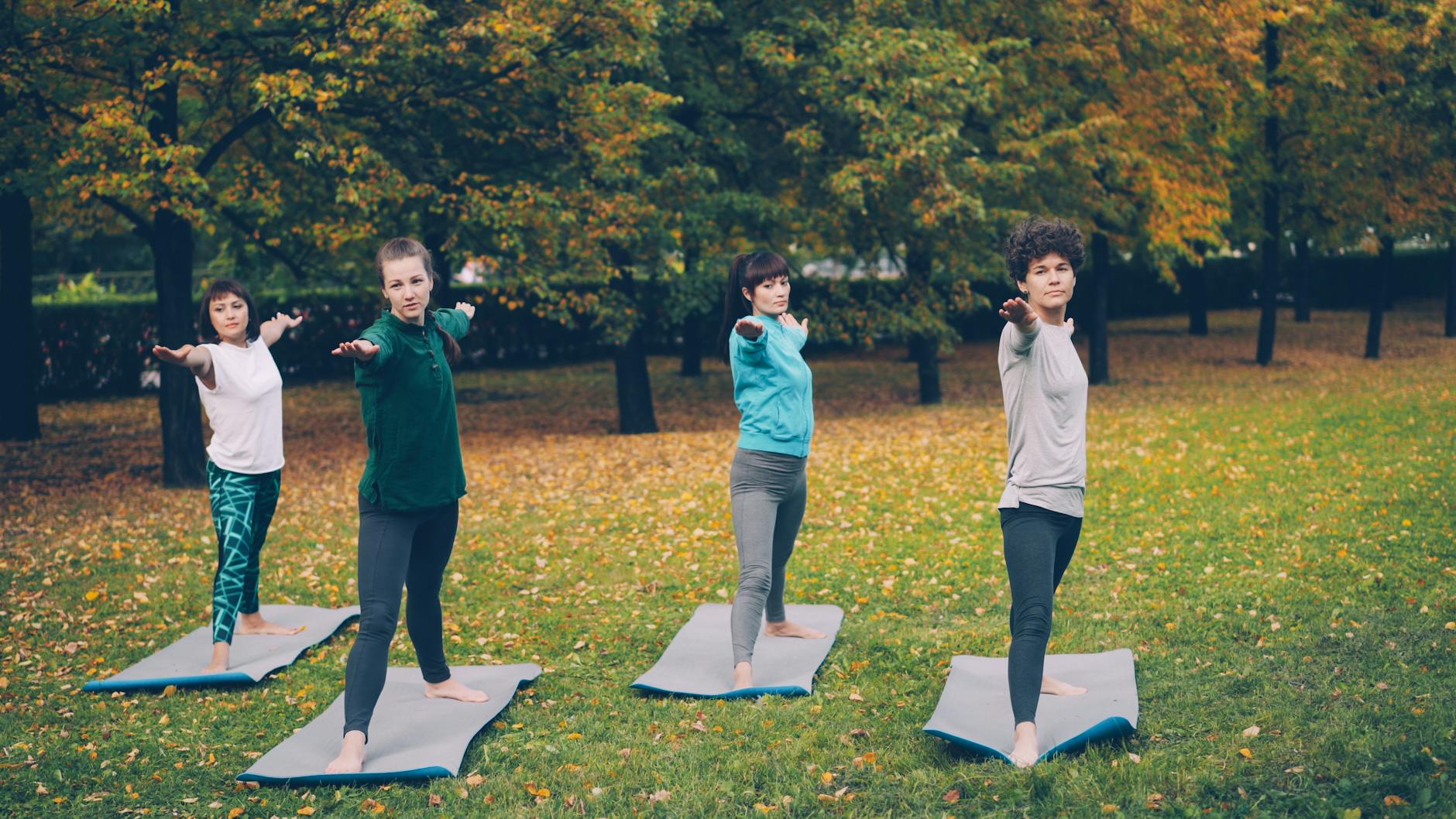
As the weather warms up, the possibilities for outdoor activities explode. This is the perfect time for an active social life. Organize a picnic in the park followed by a game of volleyball. Join a local running group that explores different trails each week. Many communities offer outdoor fitness classes, from yoga in the park to boot camps on the beach. These activities are inherently social and provide a refreshing change of scenery from the gym. Think about how much more enjoyable a workout is when you're breathing fresh air and surrounded by nature. This can also be a great time to focus on digital declutter spring and spend less time indoors on screens.
Seasonal Fitness Challenges
Participating in seasonal fitness challenges can be a fun way to stay motivated and connect with others. Whether it's a "30 days of walking" challenge with friends or a community-wide event like a charity 5k, these challenges provide a shared goal and a sense of camaraderie. The energy and collective effort can be incredibly motivating. It’s a tangible way to see progress and celebrate achievements together, further strengthening the link between your fitness and your social circle.
When Things Feel Out of Whack
There will be times when the scales tip too far in one direction. It's natural. The key is recognizing it and making adjustments before it becomes a full-blown crisis.
The Importance of Self-Awareness
Pay attention to your body and your mind. Are you feeling constantly exhausted? Is your mood consistently low? Are you dreading your workouts or feeling guilty about skipping social events? These are all signs that your balance exercise social life needs a tune-up. Don't ignore these signals. They are your internal compass guiding you back to equilibrium. Sometimes, just acknowledging that you're feeling off-balance is the first step to fixing it.
Don't Be Afraid to Re-evaluate
Your needs and priorities will change. What worked for you last year might not work this year. It’s perfectly okay to reassess your schedule, your commitments, and your goals. Maybe you need to scale back on social events for a few weeks to focus on a fitness goal, or perhaps you need to prioritize a few key social connections when work has been particularly demanding. This flexibility is what allows for sustainable balance.
Seek Support When Needed
If you're really struggling, don't hesitate to reach out. Talk to your friends, family, or even a professional. Sometimes, just articulating your struggles can provide clarity. A trainer, a therapist, or even a wise friend can offer new perspectives and strategies for managing your time and energy effectively. Remember, the goal is not perfection, but progress and well-being. The National Institutes of Health research on balance exercise social life highlights the importance of social support in maintaining healthy habits.
Finding that sweet spot for your balance exercise social life isn't a one-time fix; it's an ongoing practice. It requires honesty with yourself, a willingness to experiment, and the understanding that it’s okay to adjust as you go. Think about it this way: life is a dynamic dance, and learning to move gracefully between your fitness aspirations and your social connections is one of the most rewarding steps you can master. So, this spring, instead of seeing them as competing forces, try to weave them together. You might just surprise yourself with how much more fulfilling and energized you feel.