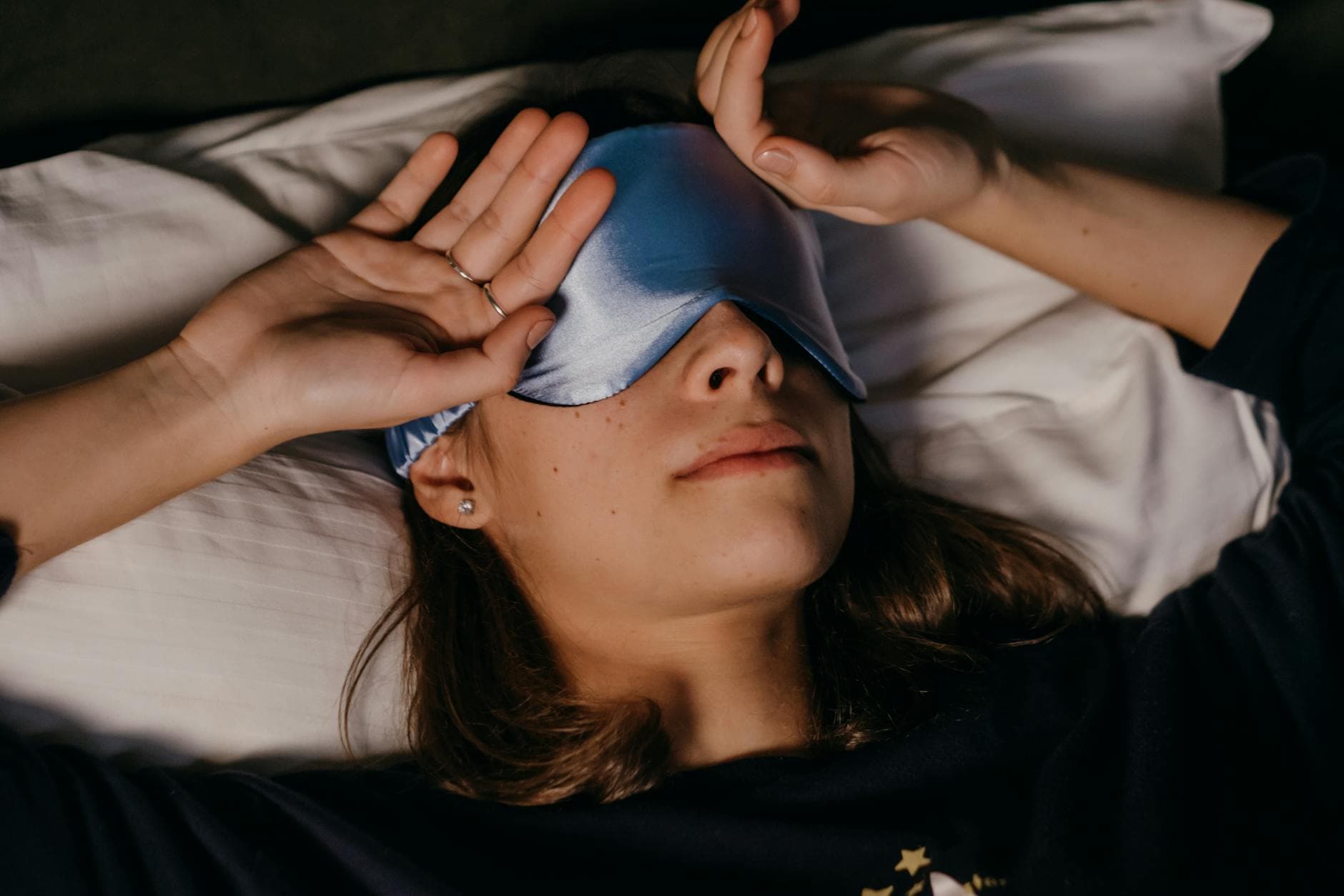
Are You Really Sleeping, Or Just Lying Down?
Think about it. You close your eyes, you lie in bed for hours, but when that alarm blares, you feel like you’ve wrestled a bear and lost. That groggy, irritable, “can’t-function-before-coffee” feeling isn’t just a bad morning; it’s a sign your body isn’t getting the restorative sleep it desperately needs. If you’re struggling to feel truly rested, you’re not alone. So many of us are chasing that elusive state of deep, rejuvenating slumber. The good news? There are practical, natural ways to improve sleep quality, and it’s more within your reach than you might think.

The Science Behind a Good Night's Sleep
Before we dive into solutions, let’s get a handle on what’s actually happening when we sleep. It’s not just a period of inactivity; it’s a complex, highly active process vital for our physical and mental well-being. Our sleep cycles are divided into different stages, each playing a crucial role. Understanding these stages can help us appreciate why certain habits sabotage our rest and how to foster an environment conducive to deep sleep.
Understanding Your Sleep Cycles
We cycle through two main types of sleep: Non-Rapid Eye Movement (NREM) and Rapid Eye Movement (REM). NREM sleep is further divided into three stages, progressing from light sleep to deep sleep. This is where physical restoration happens – tissue repair, growth hormone release, and immune system strengthening. REM sleep, on the other hand, is when we dream. It’s crucial for cognitive functions like memory consolidation, learning, and emotional processing. A typical night involves multiple cycles of these stages, each lasting about 90-110 minutes. Disruptions at any stage can leave you feeling less than optimal.
The Importance of the Deep Sleep Cycle
The deep sleep cycle, specifically stage 3 of NREM sleep, is often considered the most restorative. During this phase, brain waves slow down significantly, and it becomes very difficult to wake someone. This is when your body does its heavy lifting: repairing muscles, building bone and tissue, and boosting your immune system. If you’re consistently cut short on deep sleep, you’ll notice it in everything from your energy levels to your susceptibility to illness. Many factors can interfere with reaching this vital stage, which is why learning how to improve sleep quality is so important.
Circadian Rhythm Explained
Your internal body clock, known as the circadian rhythm, dictates your sleep-wake cycle. It’s a roughly 24-hour internal process that regulates a host of bodily functions, including sleep, hormone release, and body temperature. When this rhythm is out of sync, it’s incredibly hard to fall asleep and stay asleep. Light exposure is the most powerful external cue for our circadian rhythm. Artificial light, especially blue light from screens, can trick your brain into thinking it’s still daytime, suppressing melatonin production and delaying sleep onset. Respecting and regulating your circadian rhythm is fundamental to achieving better sleep naturally.

Practical Strategies to Improve Sleep Quality Naturally
Okay, let’s get down to brass tacks. You want to sleep better, and you want to do it without resorting to pharmaceuticals if possible. I’m right there with you. I’ve found that focusing on foundational habits, what we often call sleep hygiene, makes the biggest difference. It’s not about one magic bullet, but a consistent, holistic approach.
Crafting Your Sleep Sanctuary
Your bedroom should be a haven for rest, not a multi-purpose entertainment center. This means making it as dark, quiet, and cool as possible. Invest in blackout curtains if streetlights are an issue. Consider earplugs or a white noise machine to drown out disruptive sounds. The ideal temperature for sleep is generally between 60-67 degrees Fahrenheit (15-19 degrees Celsius). A cool room signals to your body that it’s time to wind down.
Darkness is Your Friend
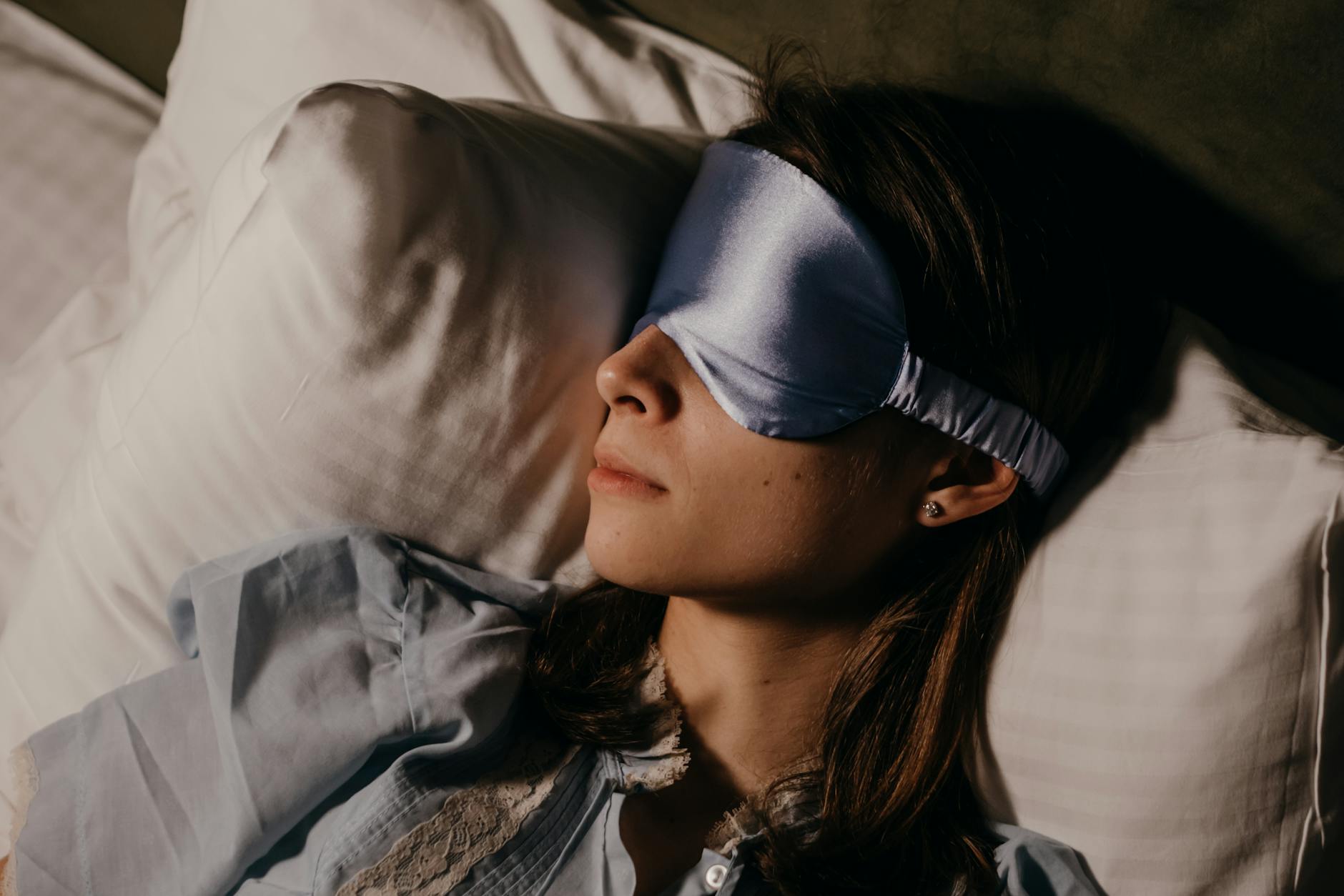
Even a small amount of light can disrupt melatonin production. Think about a nightlight in a hallway – that tiny glow can be enough to impact your sleep architecture. Make sure your room is as pitch black as you can reasonably make it. Cover any glowing electronic lights on devices, or even use a soft sleep mask.
Silence the Noise
While complete silence isn't always achievable, minimizing disruptive noise is key. If you live in a noisy environment, a white noise machine or fan can create a consistent, soothing soundscape that masks sudden noises.
Establishing a Consistent Sleep Schedule
Your body thrives on routine. Going to bed and waking up around the same time every single day, even on weekends, helps regulate your circadian rhythm. This is one of the most powerful tools you have to improve sleep quality. Consistency signals to your body when it’s time to be awake and when it’s time to rest, making it easier to fall asleep and wake up feeling refreshed.
The Weekend Warrior Trap
I’ll be real with you, I used to think sleeping in on the weekends was a great way to catch up. Turns out, it can actually disrupt your sleep schedule, making Monday mornings even harder. Aim for a maximum difference of an hour or two between your weekday and weekend wake-up times. This small adjustment can have a significant impact on how you feel throughout the week.
Mindful Eating and Drinking Habits
What you consume, and when, plays a surprisingly large role in how well you sleep. Your digestive system is still working while you're trying to rest, and certain substances can interfere with this process.
Caffeine and Alcohol: The Sleep Saboteurs
Caffeine has a long half-life, meaning it can stay in your system for hours. Try to avoid caffeine after lunchtime. Alcohol might make you feel sleepy initially, but it disrupts sleep later in the night, particularly REM sleep, leading to fragmented rest and a less restorative experience. You’ve probably noticed you wake up more in the second half of the night after drinking.
Timing Your Meals
Avoid heavy meals close to bedtime. Digestion can keep your body too active to fall into deep sleep. If you’re hungry, opt for a light, easily digestible snack like a small handful of almonds or a banana.
Natural Sleep Aids and Relaxation Techniques
Sometimes, despite our best efforts, we need a little extra help to quiet our minds and bodies. Fortunately, there are many natural sleep aids and relaxation techniques that can be incredibly effective in promoting better sleep naturally.
Herbal Allies for Sleep
Nature offers a bounty of herbs known for their calming and sleep-promoting properties. These can be a gentle way to support your body’s natural sleep processes. Many of these are available as teas or supplements.
Chamomile and Valerian Root
Chamomile tea is a classic for a reason. It contains apigenin, an antioxidant that binds to certain receptors in your brain that may decrease anxiety and initiate sleep. Valerian root is another potent herb often used for insomnia. It’s thought to work by increasing levels of a neurotransmitter called GABA, which has a calming effect on the nervous system. Always start with a low dose and see how you react.
Magnesium and Melatonin Benefits
Magnesium is a mineral involved in hundreds of bodily processes, including those that regulate sleep. Magnesium deficiency has been linked to insomnia. Supplementing with magnesium glycinate or citrate can help relax muscles and calm the nervous system. Melatonin, a hormone your body naturally produces, signals to your brain that it’s time to sleep. While supplementing with melatonin can be helpful for some, especially those with disrupted circadian rhythms (like shift workers or travelers), it’s best used short-term and at the lowest effective dose. Excessive use can sometimes lead to dependency or other issues.
The Power of Relaxation Techniques
When your mind is racing, sleep can feel impossible. Incorporating relaxation techniques into your evening routine can significantly improve your ability to drift off. This is where proactive stress management truly pays off.
Deep Breathing Exercises
Simple, yet incredibly effective. The 4-7-8 breathing technique is a favorite of mine. Inhale quietly through your nose for a count of 4, hold your breath for a count of 7, and exhale completely through your mouth for a count of 8. Repeat this cycle several times. It helps to slow your heart rate and calm your nervous system.
Mindfulness and Meditation
Even just 10-15 minutes of mindfulness meditation before bed can make a difference. Focus on your breath, acknowledge thoughts without judgment, and gently bring your attention back to your breath. There are many guided meditation apps available that can help you get started. This is a fantastic tool for managing the underlying anxiety that often plagues sleepless nights.
Progressive Muscle Relaxation
This technique involves tensing and then releasing different muscle groups in your body. Start with your toes, tense them for a few seconds, and then consciously release the tension. Move up through your body, tensing and releasing each muscle group. This helps you become more aware of physical tension and learn to let it go.

When to Seek Professional Help
While these natural strategies can make a profound difference, it’s important to recognize when you might need more specialized support. If you’ve tried these methods consistently for several weeks and are still experiencing significant sleep difficulties, it’s time to consult a healthcare professional.
Identifying Sleep Deprivation Symptoms
Persistent sleep deprivation manifests in various ways beyond just feeling tired. You might experience increased irritability, difficulty concentrating, impaired memory, a weakened immune system, and even increased cravings for unhealthy foods. If you’re regularly battling these symptoms, it’s a strong indicator that your sleep quality needs urgent attention. Don’t brush these off; they are your body’s way of telling you something is wrong.
Consulting a Doctor or Sleep Specialist
A doctor can help rule out underlying medical conditions that might be contributing to your sleep problems, such as sleep apnea, restless legs syndrome, or thyroid issues. They can also discuss more targeted treatments, including cognitive behavioral therapy for insomnia (CBT-I), which is a highly effective, non-drug approach to overcoming insomnia. Seeking professional guidance is not a sign of weakness; it’s a smart step towards reclaiming your health and well-being.
The Long-Term Benefits of Prioritizing Sleep
Making the effort to improve sleep quality isn't just about feeling better tomorrow; it's an investment in your long-term health and happiness. When you consistently get good sleep, you're not just resting your body; you're nurturing your mind, strengthening your resilience, and enhancing your overall quality of life. Think about how much more capable you feel when you’ve had a truly restful night. It’s like you’ve undergone a mini Spring Wellness Reset, ready to tackle anything. This is why making sleep a priority, rather than an afterthought, is one of the most powerful acts of self-care you can undertake. It’s the foundation upon which vibrant health is built, enabling you to better enjoy all the other aspects of a healthy lifestyle, from embracing spring wellness tips to engaging in activities that beat seasonal blues exercise can help with.