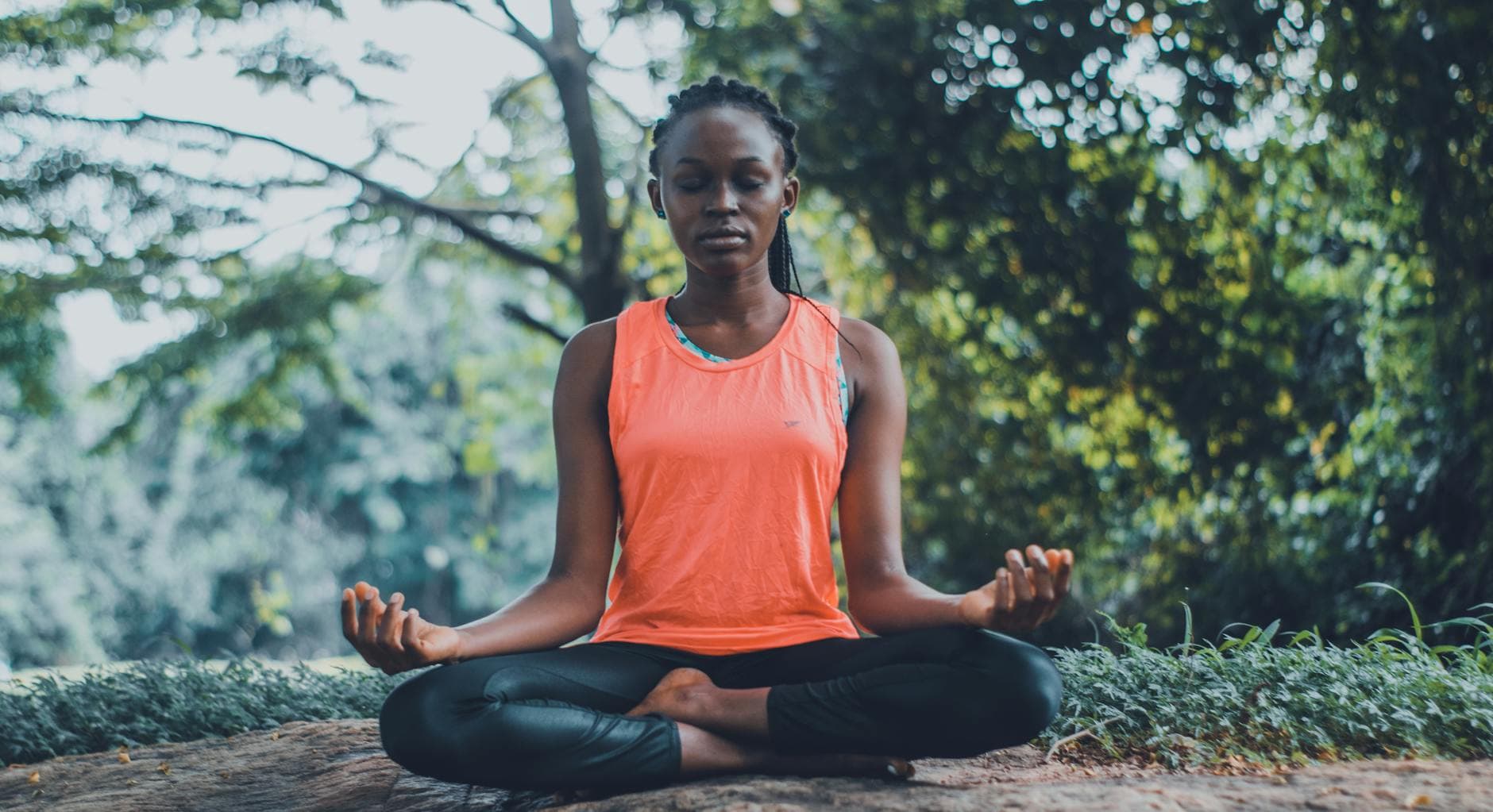
The Breath: Your Underrated Stress Superpower
Did you know that most people who claim to be stressed out are actually just holding their breath? It sounds wild, I know, but it's a deeply ingrained, often unconscious habit when our nervous system goes into overdrive. We’re talking about the fight-or-flight response kicking in, not because a lion is chasing you, but because your inbox is overflowing or you’ve got a looming deadline. The good news? You already possess the most powerful tool to combat this: your breath. Mastering breathing exercises stress can feel like finding a secret cheat code for life. It's not about ignoring your problems, but about building resilience so you can face them with a clearer head and a calmer body.
Why We Get It Wrong
We often think stress relief involves grand gestures – week-long retreats, expensive supplements, or drastic life changes. While those can help, they’re not always accessible or sustainable. The real game-changer is often right under our noses, or rather, right in front of our faces: the breath.
Your Breath's Direct Line to Calm
Your breath is the only autonomic function you can consciously control. That means while your heart rate and digestion operate on their own, you can *choose* to change your breathing. This direct line to your nervous system is incredibly potent. When you consciously slow and deepen your breath, you send a signal to your brain that says, "Danger is over. You can relax." This is the fundamental principle behind most stress breathing techniques.
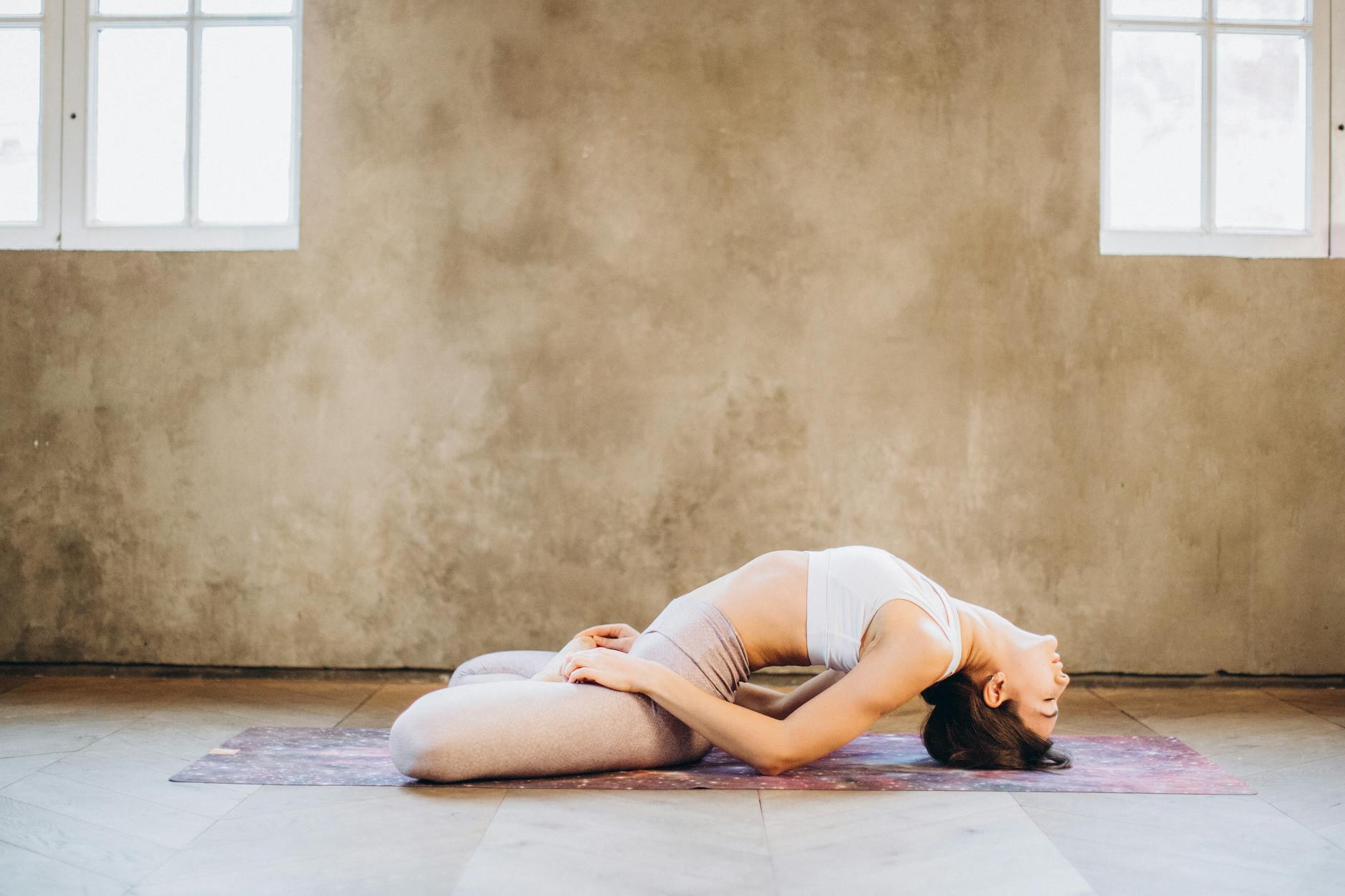
The Science Behind Your Sighs (and How to Change Them)
When you’re stressed, your sympathetic nervous system kicks into high gear. Your breathing becomes shallow and rapid, your heart rate increases, and your body prepares for action. This is great for escaping a bear, but not so great for sitting through a tense meeting or dealing with everyday anxieties. The magic of calming breathing exercises is their ability to activate the parasympathetic nervous system, your body's "rest and digest" mode. This counteracts the stress response, lowering your heart rate, reducing blood pressure, and promoting a sense of peace. Harvard Health research on breathing exercises stress has consistently shown these physiological benefits.
Shallow vs. Deep: The Critical Difference
Think about the last time you were really anxious. Chances are, your chest was tight, and you were breathing from your upper chest. This type of breathing, known as thoracic breathing, signals stress to your brain. Deep, diaphragmatic breathing, on the other hand, involves engaging your diaphragm, the large muscle at the base of your lungs. This allows your lungs to fill more fully, oxygenating your blood more efficiently and sending calming signals throughout your body.
The Hormonal Shift
When you practice deep breathing, you’re not just feeling calmer; you’re actually changing your body's chemistry. This practice can help reduce the levels of stress hormones like cortisol and adrenaline. It also increases the production of endorphins, those feel-good chemicals that naturally boost your mood. The World Health Organization research on breathing exercises stress highlights the systemic benefits beyond just immediate relaxation.

Unlocking the Power of Diaphragmatic Breathing
This is where the rubber meets the road. Diaphragmatic breathing, often called belly breathing, is the foundation for many effective breathing exercises stress. It’s surprisingly simple, yet profoundly effective.
How to Breathe to Reduce Stress: The Basics
Let’s get practical. Find a comfortable position, either sitting or lying down. Place one hand on your chest and the other on your belly, just below your rib cage. Inhale slowly through your nose, aiming to push your belly outwards. Your hand on your belly should rise, while the hand on your chest should move very little. Exhale slowly through your mouth, gently drawing your belly button towards your spine. Again, focus on keeping your chest relatively still. This is the core of how to breathe to reduce stress.
When to Practice
Here's the thing: you don't need a dedicated hour for this. You can weave these simple breaths into your day. Before you get out of bed, during your commute, while waiting in line at the grocery store – any moment is an opportunity. Even just 60 seconds of focused diaphragmatic breathing can make a noticeable difference.
Beyond the Belly: Exploring Variations
Once you’re comfortable with basic diaphragmatic breathing, you can explore more advanced techniques. This might include extending the exhale, which is particularly effective for calming the nervous system. Or perhaps incorporating gentle movement with your breath, a concept central to mindfulness breathing.
The Box Breathing Technique: A Simple Yet Powerful Tool
If you’re looking for a straightforward, structured approach to breathing exercises stress, box breathing is your friend. It’s incredibly easy to learn and can be done anywhere, anytime you need to regain control.
What is Box Breathing?
Also known as Sama Vritti pranayama, box breathing involves inhaling, holding, exhaling, and holding your breath for equal counts, typically four seconds each. Imagine drawing a box with your breath: one side for the inhale, the top for the hold, the other side for the exhale, and the bottom for the hold. This creates a steady, rhythmic pattern that helps to regulate your nervous system.
Step-by-Step Guide to Box Breathing
- Inhale: Breathe in slowly and deeply through your nose for a count of 4.
- Hold: Gently hold your breath for a count of 4.
- Exhale: Exhale slowly and completely through your mouth for a count of 4.
- Hold: Gently hold your breath out for a count of 4.
- Repeat: Continue this cycle for several minutes.
This technique is a fantastic tool for immediate stress reduction. I've used it myself before big presentations, and it's amazing how quickly it can ground me.
When to Reach for the Box
This technique is particularly useful when you feel overwhelmed or your thoughts are racing. It's a great addition to your arsenal of coping mechanisms for stress. If you find yourself in a high-pressure situation, a few rounds of box breathing can help you reset and approach the challenge with more composure.
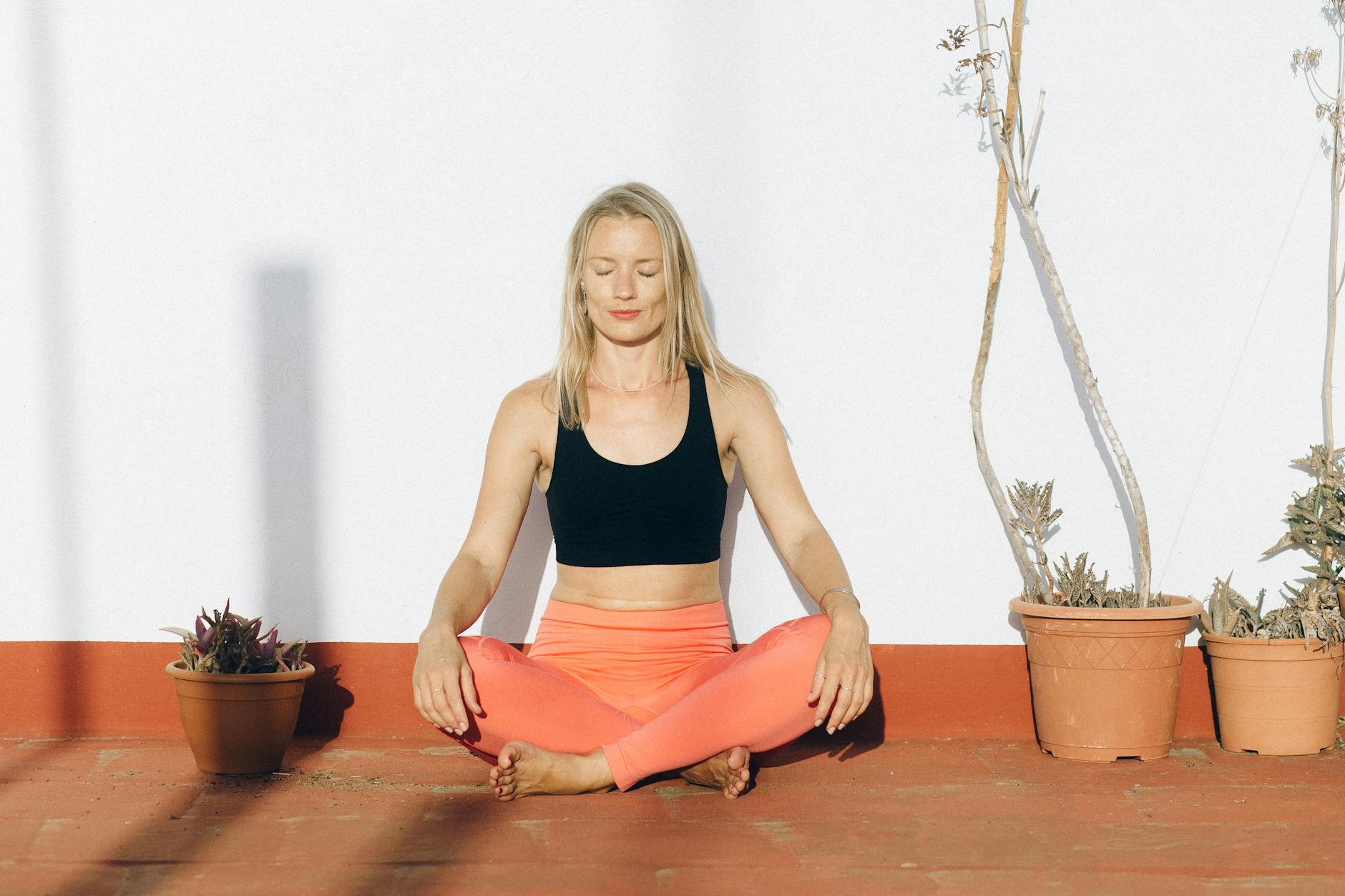
Beyond Breath: Complementary Stress Management Techniques
While breathing exercises stress are incredibly powerful on their own, they become even more effective when integrated with other wellness practices. Think of them as the foundation upon which you build a more robust stress management system.
The Role of Mindfulness Breathing
Mindfulness breathing takes the simple act of breathing and adds an element of present-moment awareness. It’s about noticing the sensations of your breath without judgment. Where do you feel it? Is it cool on the inhale? Warm on the exhale? Does it feel smooth or choppy? This practice is a cornerstone of meditation for stress relief. You can find excellent resources like Guided Mindfulness Meditation YouTube: Find Your Calm to help you get started.
Progressive Muscle Relaxation
This technique, often paired with deep breathing, involves systematically tensing and then releasing different muscle groups in your body. It helps you become more aware of physical tension and learn to consciously release it. By combining the physical release of tension with the calming effects of deep breathing, you create a powerful synergy for stress reduction.
The Power of Stillness
Sometimes, the most profound way to manage stress is simply to be still. This doesn't mean doing nothing; it means creating space for yourself. Whether it’s through quiet reflection, gentle stretching, or simply sitting in silence, allowing yourself moments of stillness can be incredibly restorative. This is where the practice of meditation for stress relief truly shines, and breathing exercises are an integral part of that.
What Nobody Tells You About Breathing for Stress Relief
Here's the truth: while breathing exercises are incredibly effective, they aren’t a magic bullet. You won't suddenly be stress-free after one session. Consistency is key. This one surprised me when I first started. I expected instant, dramatic results, but the real power of breathing exercises stress lies in consistent, daily practice. It’s like building a muscle; the more you work it, the stronger it becomes.
The Importance of Patience and Persistence
You might have days where your breath feels stubborn, or your mind feels too noisy to focus. That’s completely normal. Don't get discouraged. The goal isn't to achieve perfect stillness immediately, but to gently guide your attention back to your breath, over and over again. This act of returning, of showing up for yourself, is where the transformation happens.
Integrating Breath into Your Lifestyle
Think about how you approach other areas of your wellness. For instance, if you’re interested in a Natural Skincare Routine Steps: Your Guide to Radiant Skin, you understand that it requires consistent effort. Similarly, making breathing exercises stress a regular part of your life will yield the most profound results. It’s about building sustainable habits, not seeking quick fixes. You might even find that as you get better at managing stress through breath, you’re more inclined to explore other healthy habits, like looking into the Best Organic Skincare: Find Your Natural Glow Today!
Making Breathing Exercises a Habit
So, you’ve learned about the power of your breath and a few key techniques. Now, how do you make sure this doesn't just become another forgotten wellness tip? It’s about integration, not addition.
Start Small, Stay Consistent
Don't try to do an hour of breathwork on day one. Begin with just 2-3 minutes. Set a reminder on your phone. Choose a specific time of day, like right after you brush your teeth in the morning or before you go to bed. Small, consistent efforts are far more impactful than sporadic, large ones.
Find What Resonates with You
There are countless breathing techniques out there. What works for one person might not work for another. Experiment with diaphragmatic breathing, box breathing, or even simply focusing on the sensation of air entering and leaving your nostrils. Explore resources for Buy Natural Skin Care Products for Radiant, Healthy Skin... and see if that inspires you to find the right approach for your needs. The key is to find a practice that feels accessible and enjoyable.
Be Kind to Yourself
There will be days when your mind feels like a whirlwind, and focusing on your breath feels impossible. On those days, acknowledge it without judgment. Simply bring your attention back to your breath as gently as possible. This practice of self-compassion is as crucial as the breathing itself. The National Institutes of Health research on breathing exercises stress also points to the importance of a supportive mindset.
Your breath is a constant companion, a reliable anchor in the often-stormy seas of modern life. By learning to consciously engage with it, you unlock an incredible capacity for calm and resilience. It’s not about eliminating stress entirely, but about changing your relationship with it, one breath at a time. Give these techniques a genuine try, be patient with yourself, and you’ll be amazed at the profound shift you can create.