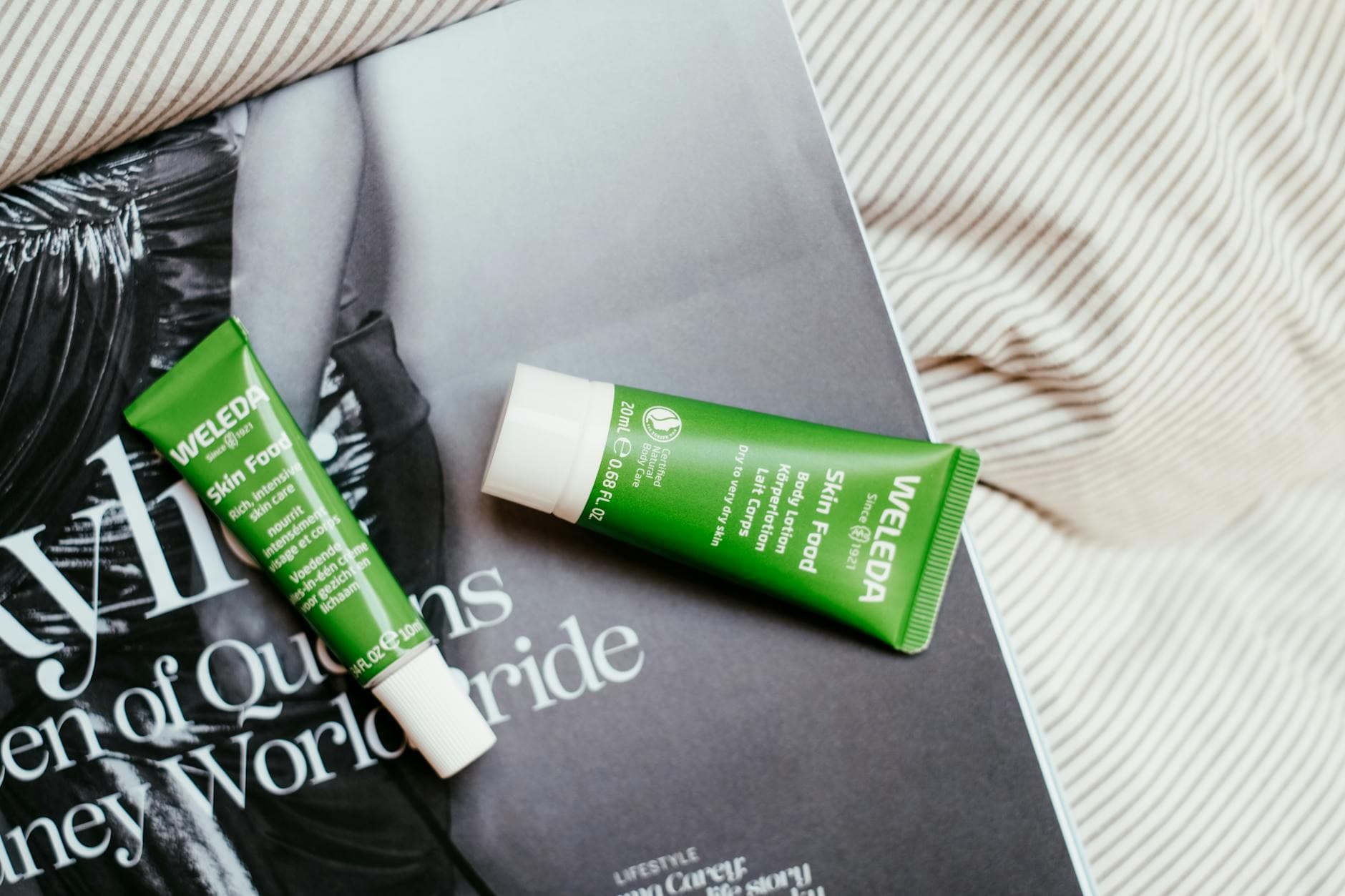
I used to think I had it all figured out. For years, I prided myself on using what I considered "natural" products, convinced I was doing right by my skin and the planet. I’d scour labels, looking for anything that sounded plant-derived, feeling good about my choices. But honestly, I was missing a huge piece of the puzzle. It took a particularly nasty skin reaction – redness, itching, and a persistent dullness that no amount of serum seemed to fix – for me to realize that "natural" can be a pretty loose term. That's when I truly started digging, and what I uncovered completely shifted my perspective on what it means to find the best organic skincare.
My journey into genuine organic beauty wasn't just about avoiding a few bad ingredients; it was about understanding cultivation, processing, and the holistic impact of what we put on our bodies. It's a deep dive, yes, but one that has empowered me and countless others to make choices that genuinely nourish our skin and support a healthier planet. And look, if I can learn this the hard way, you don't have to. I'm here to share what I've learned, what works, and how you can confidently navigate the world of truly clean, effective skincare.
My Wake-Up Call: Why "Natural" Isn't Always Enough
The Hidden Dangers in Your Daily Routine
For too long, I, like many of you, fell for the greenwashing. A product could contain one botanical extract and slap "natural" all over its packaging, while still being packed with synthetic fragrances, parabens, phthalates, and a cocktail of other ingredients known to disrupt hormones or irritate sensitive skin. It’s alarming, really, when you start to research the potential long-term effects of these toxic ingredients in skincare. Think about the last time you bought a product just because it smelled "clean" or had a pretty leaf on the label. That was me, for years.
My skin, which had always been pretty resilient, started protesting. Breakouts in new places, persistent redness, and a general lack of vibrancy became my norm. I was constantly trying new products, thinking my skin just needed a different "fix," when the real problem was the cumulative burden of questionable ingredients. This wasn't just about avoiding an allergic reaction; it was about supporting overall skin health from the ground up, with ingredients that actively contribute to its well-being, not just sit on its surface.
The Promise of True Organic Purity
The distinction between "natural" and "organic" is monumental. When we talk about true organic skincare, we're talking about ingredients grown without synthetic pesticides, herbicides, or GMOs. This isn't just a feel-good marketing ploy; it means the plants themselves are healthier, richer in antioxidants and nutrients, and free from the chemical residues that can irritate our skin and bodies. It's about a commitment to purity from soil to skin, embracing a holistic approach to clean beauty that benefits both you and the environment. This commitment extends to sustainable beauty practices, ensuring that the ingredients are sourced responsibly and ethically, minimizing ecological footprint.

Decoding the Labels: What "Organic" Truly Means for Your Skin
Beyond Marketing Hype: Certifications That Matter
Here's the thing: anyone can put "organic" on a label. But what does it really mean? This is where certifications come in, and frankly, they are your best friends. Look for seals from reputable bodies like USDA Organic, Ecocert, or COSMOS Organic. These aren't just pretty badges; they signify that a third party has rigorously verified the product's ingredients, sourcing, and manufacturing process against strict standards. For example, a "USDA Organic" seal means that 95-100% of the ingredients are certified organic. That's a huge difference from a brand that simply uses a few organic extracts in an otherwise conventional formula.
Understanding these certifications empowers you to make truly informed decisions. It helps you cut through the noise and identify genuinely eco-friendly beauty products that align with your values and deliver on their promise of purity. I'll be real with you, it takes a little extra effort to check for these seals, but it's an investment in your peace of mind and your skin's health.
The Power of Whole, Unadulterated Ingredients
Once you start using truly organic products, you'll notice a difference. The ingredients often work in synergy, delivering a potent dose of vitamins, minerals, and antioxidants directly to your skin. Take organic rosehip oil, for instance. Rich in Vitamin A and essential fatty acids, it's incredible for cellular regeneration and scar healing. Compare that to a synthetic vitamin A derivative, which might offer some benefits but lacks the full spectrum of compounds found in the whole plant.
This holistic approach means fewer potential irritants, making organic face care products ideal for sensitive skin solutions. Your skin isn't just getting one isolated compound; it's receiving a symphony of beneficial nutrients that nourish and protect. This is where the magic happens, where your skin truly starts to thrive and glow, not just temporarily appear better. It’s about building long-term skin health, not just masking issues.
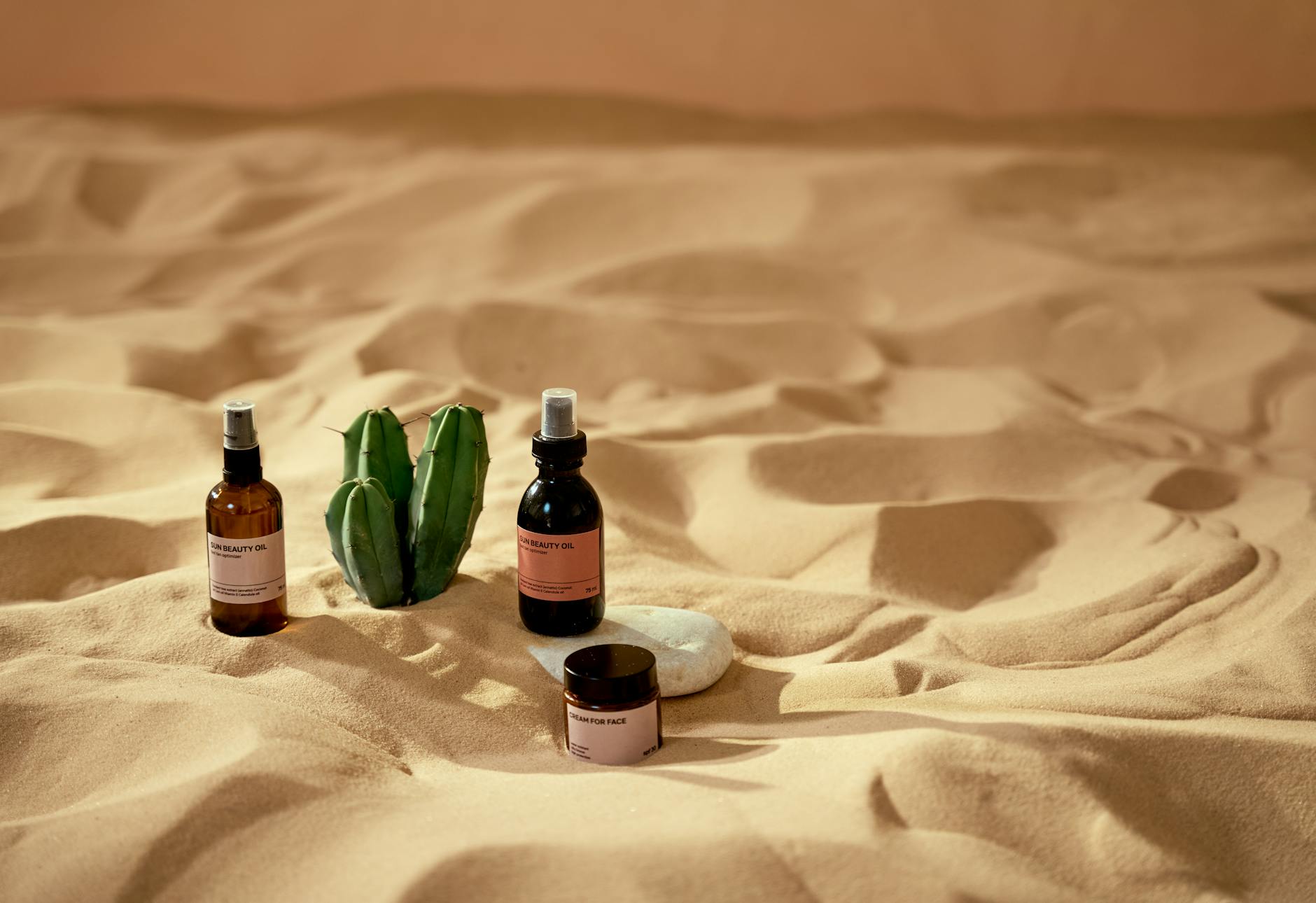
Navigating the Market: My Picks for the Best Organic Skincare
Top Organic Skincare Brands I Trust
When it comes to finding the best organic skincare, I've spent years researching and trying countless lines. What I've found is that the top organic skincare brands are those that prioritize transparency, efficacy, and ethical sourcing. They don't just use organic ingredients; they craft thoughtful formulations that deliver real results. Think about brands that focus on ingredient integrity, often producing their own extracts or working directly with organic farms. These companies are committed to everything from vegan skincare options to ensuring their products are free from common allergens, catering to even the most sensitive skin solutions.
One example that always stands out to me is a brand I discovered that sources its calendula from biodynamic farms in the Pacific Northwest. I was struggling with persistent redness around my nose, and after just two weeks of using their calendula-infused moisturizer, the inflammation visibly calmed. It wasn't just "natural" calendula; it was calendula grown with such care and purity that its healing properties were truly amplified. This level of dedication to ingredient quality is what sets the truly great organic brands apart.
Essential Organic Face Care Products for Every Routine
Building an effective organic routine doesn't have to be complicated. Start with the basics, but make sure they're the best organic versions you can find. An organic cleanser, for example, should gently purify without stripping your skin's natural oils. Look for formulations with ingredients like organic aloe vera, chamomile, or green tea extracts. These soothe and cleanse simultaneously. Next, a potent organic serum, perhaps one rich in Vitamin C from organic berries or hyaluronic acid derived from fermented organic grains, can target specific concerns like hyperpigmentation or dehydration. These are the workhorses of your Natural Skincare Routine Steps: Your Guide to Radiant Skin.
Finally, an organic moisturizer or face oil is crucial for sealing in hydration and protecting your skin barrier. Ingredients like organic jojoba oil, shea butter, or argan oil are phenomenal choices, providing deep nourishment without feeling greasy. Remember, these organic face care products are designed to work in harmony with your skin's natural processes, not against them.
Finding Natural Organic Beauty Products That Deliver
The market for natural organic beauty products is booming, which is wonderful, but it also means more choices. How do you find what truly delivers? My advice is to read reviews, but also pay close attention to ingredient lists. A short, recognizable ingredient list is often a good sign. Furthermore, don't be afraid to try samples. What works wonders for one person might not be the perfect fit for another, and that's completely normal. Your skin is unique, and finding its perfect organic match is part of the journey.
I've seen people transform their skin by switching to these products. One reader, Sarah, had chronic adult acne and had tried everything. After transitioning to a full routine of organic cleanser, a tea tree serum, and an organic jojoba oil moisturizer, her breakouts significantly reduced within three months. Her skin wasn't just clearer; it had a healthy glow she hadn't seen in years. That's the power of truly clean, potent ingredients.
The Truth About Affordability: Organic Skincare Doesn't Have to Break the Bank
Smart Strategies for Affordable Organic Skincare
Here's the truth, what nobody tells you outright: Yes, some high-end organic brands come with a hefty price tag. But that doesn't mean affordable organic skincare is an oxymoron. There are fantastic, budget-friendly options out there if you know where to look. One strategy is to prioritize. If you have to splurge on one item, make it a serum or a face oil, as these often contain the highest concentration of active ingredients. For cleansers or toners, you can often find excellent, more affordable organic options.
Another tip is to look for brands that offer multi-purpose products. An organic argan oil, for instance, can be used as a face moisturizer, a hair treatment, and even a body oil. This significantly reduces the number of products you need to buy. Also, keep an eye out for sales from smaller, direct-to-consumer organic brands, which often offer incredible value without compromising on quality. You might be surprised at how much you can save without sacrificing efficacy.
Investing in Your Skin Health: A Long-Term Perspective
I used to think that spending more on skincare was just vanity. But switching to the best organic skincare has taught me that it's an investment in my long-term skin health and overall well-being. Think about the potential costs of dealing with irritated skin, allergic reactions, or even chronic skin conditions down the line, which some research suggests can be exacerbated by exposure to certain chemicals. By choosing organic, you're potentially reducing your exposure to a multitude of questionable chemicals, which can save you money and discomfort in the long run.
Consider the cost-per-use, too. A high-quality organic face oil might seem expensive upfront, but a little goes a very long way. You're not slathering on fillers; you're applying concentrated nourishment. This shift in perspective from "expense" to "investment" is a powerful one, aligning your daily routine with your health goals.
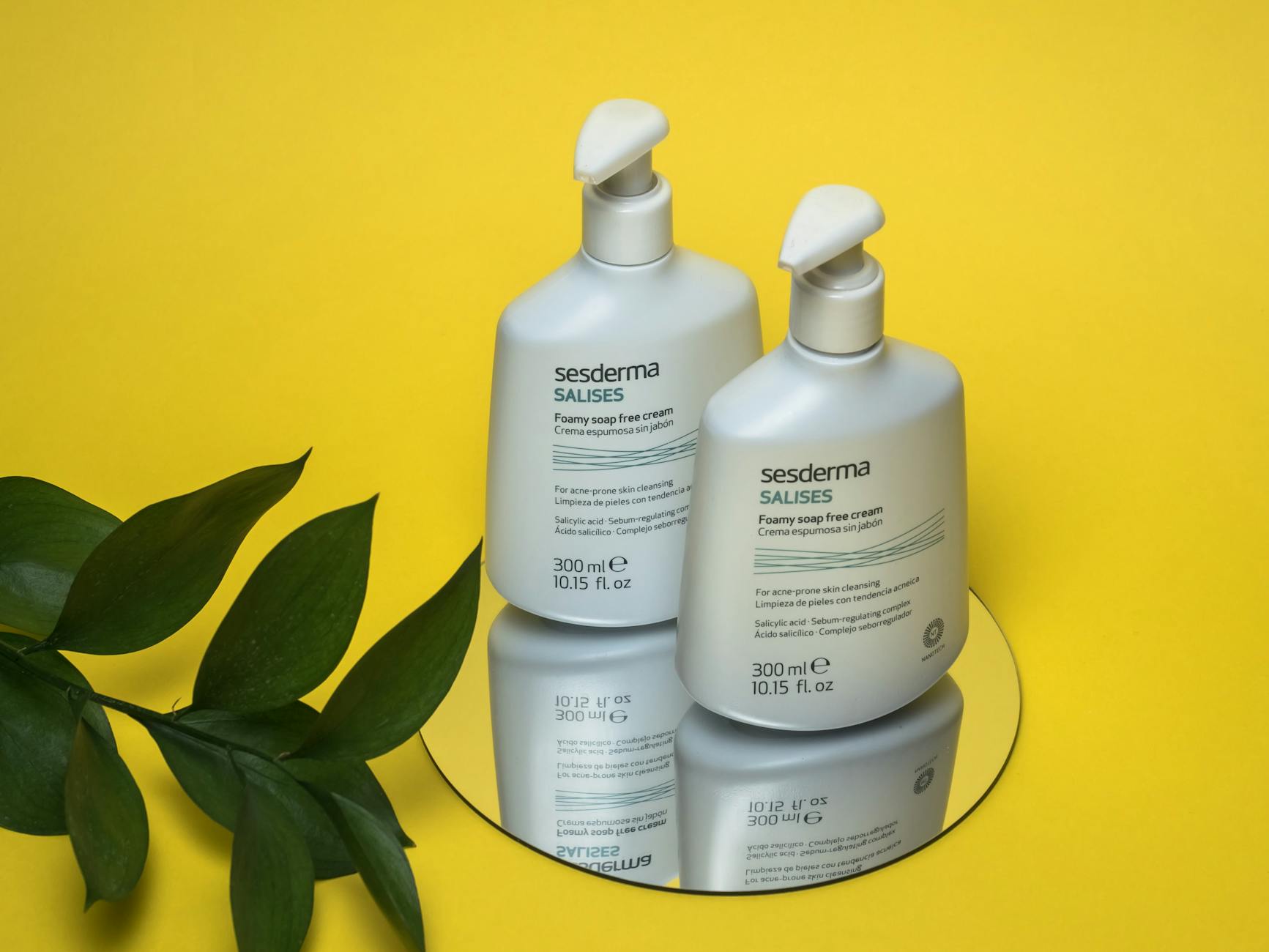
Crafting Your Personalized Organic Skincare Journey
Listening to Your Skin: The Ultimate Guide
No matter how many glowing reviews a product has, your skin is the ultimate judge. When you start incorporating natural organic beauty products, introduce them one at a time. This allows you to observe how your skin reacts. Patch testing a new product on a small area, like behind your ear or on your inner arm, is a non-negotiable step, especially if you have sensitive skin solutions. Pay attention to how your skin feels: Does it feel calm, hydrated, and balanced? Or does it feel tight, itchy, or congested?
Your skin's needs can also change with the seasons, your diet, or even stress levels. What works perfectly in the summer might be too light in the winter. Be flexible, be observant, and allow your routine to evolve with your skin. This mindful approach is key to achieving truly radiant, healthy skin.
Building a Sustainable Beauty Routine
Choosing the best organic skincare extends beyond just the ingredients; it's also about supporting sustainable beauty practices. Look for brands that prioritize eco-friendly packaging, like glass jars, recycled plastic, or refillable options. Inquire about their ethical sourcing policies and whether they support fair trade. Every purchase you make is a vote for the kind of world and industry you want to see.
Embracing organic skincare is a journey towards conscious consumption, where every product you Buy Natural Skin Care Products for Radiant, Healthy Skin reflects a commitment to personal health and planetary well-being. It's about creating a ripple effect, one thoughtful choice at a time.
Ultimately, my journey from "natural" to truly organic wasn't just about clearer skin; it was about clarity of mind. It’s about feeling confident in what I'm putting on my body, knowing that I'm nourishing it with the purest ingredients possible, and supporting practices that are good for everyone. Don't be afraid to question, to research, and to demand more from your beauty products. Your skin, and the planet, will thank you.