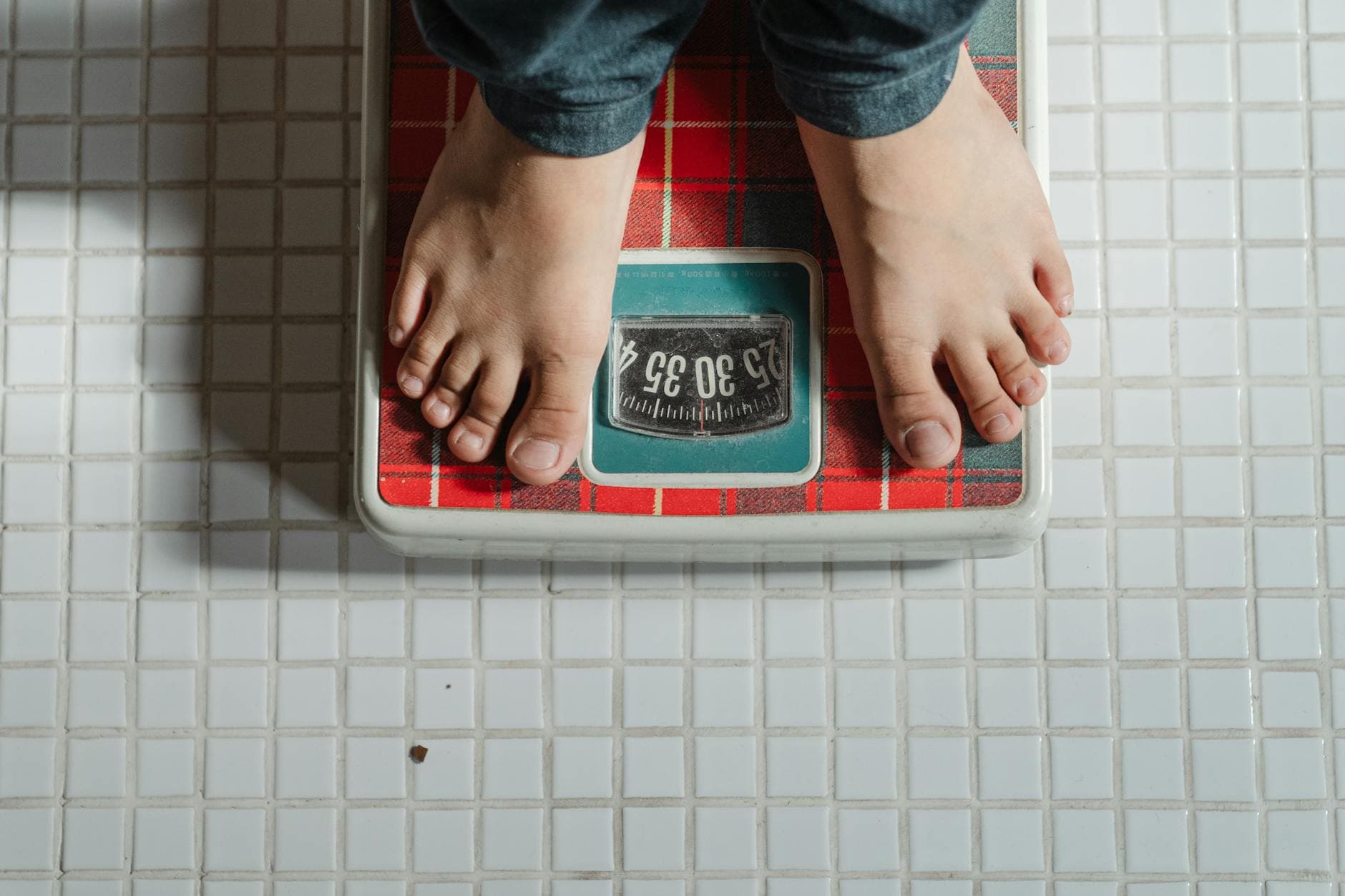
The sun dips below the horizon, painting the sky in hues of orange and purple. You’ve just gotten home from a long day, stomach rumbling, mind buzzing with a thousand tasks. The thought of hitting the gym feels like climbing Mount Everest. Maybe you've tried intense diets before, only to crash and burn. You’re tired, you’re busy, and frankly, the idea of adding another complicated regimen to your life feels impossible. But what if I told you there’s a powerful, accessible tool right at your fingertips, one that doesn't require expensive equipment or grueling hours? I'm talking about walking for weight loss, a strategy I've seen transform hundreds of lives, including my own.
I get it. Walking seems too simple, too easy, to be truly effective for shedding pounds. We're conditioned to believe that only extreme measures yield results. Yet, here's the thing: consistency, accessibility, and sustainability are the real heroes in any weight loss journey, and walking embodies all three. It’s not just about burning a few calories; it's about kickstarting your metabolism, reducing stress, and building a foundation for healthier habits that last.
The Simple Truth About Walking for Weight Loss
For years, the fitness industry has pushed high-intensity, complex workouts as the only path to a leaner body. And while those have their place, they often intimidate beginners and lead to burnout. Walking, on the other hand, is an ancient, fundamental human movement, and its power for sustained fat loss is consistently underestimated. This isn't just my opinion; it's backed by a growing body of research, including insights from the World Health Organization research on walking for weight loss, highlighting its profound benefits.
Why We Overlook This Powerhouse
Honestly, I used to think walking was just for older folks or recovering from injury. I'd push my clients towards HIIT, heavy lifting, anything that made them sweat buckets. But I noticed a pattern: many would start strong, then drop off. The intensity was too high, the commitment too daunting. They'd end up feeling defeated, right back where they started. That's when I started looking closer at walking, and what I discovered surprised me. The simplicity isn't a weakness; it's its greatest strength. It removes barriers, making it achievable for virtually everyone, regardless of current fitness level.
The Core Mechanics: How Walking Actually Works
So, how exactly does walking help lose weight? It comes down to a few key principles. First, and most obviously, you burn calories walking. Every step you take expends energy. While it might not be as many calories per minute as sprinting, the beauty of walking is you can do it for much longer, accumulating a significant caloric deficit over time. A brisk walk elevates your heart rate, engaging your muscles and turning your body into a fat-burning machine. Think about it: a sustained 45-minute brisk walk can easily burn 200-400 calories, depending on your weight and speed. Do that five times a week, and you're looking at a substantial weekly deficit.
Beyond the direct calorie burn, regular walking improves your body's insulin sensitivity. This means your cells become more efficient at absorbing glucose from your bloodstream, reducing the amount that gets stored as fat. It also helps preserve lean muscle mass, which is crucial because muscle burns more calories at rest than fat does. This metabolic boost is a silent, powerful ally in your quest to walk to lose weight.
Beyond the Scale: Hidden Benefits
While the numbers on the scale are often our primary focus, the benefits of incorporating a daily walking routine extend far beyond weight loss. Regular walking significantly reduces stress hormones like cortisol, which, when elevated, can actually promote belly fat storage. So, if you're targeting that stubborn walking for belly fat, stress reduction is a huge piece of the puzzle.
Improved mood, better sleep quality, increased energy levels – these are all direct results of consistent physical activity. You'll find yourself making healthier food choices naturally when you feel good, and that positive feedback loop is incredibly powerful. It’s a ripple effect: start walking, feel better, eat better, sleep better, and the weight loss becomes a natural consequence of a healthier lifestyle.
Crafting Your Effective Walking Plan
Alright, you're convinced. Now, how do you actually turn this simple act into a powerful weight loss walking plan? It's not about just strolling aimlessly; it's about intentional movement. I’ve helped countless individuals build sustainable routines, and I’ll be real with you: consistency is the secret sauce here. Even the Centers for Disease Control and Prevention research on walking for weight loss emphasizes the importance of regular physical activity.
Starting Slow, Building Smart
If you're new to regular exercise, don't try to go from zero to marathon walker overnight. That's a recipe for injury and discouragement. Start with what feels comfortable. Maybe it's 15-20 minutes a day, three to four times a week. The goal is to build a habit. Once that feels easy, gradually increase your duration or frequency. I've seen people start with just 10 minutes around the block and within a few months, they're easily tackling 45-minute long walks for weight loss, feeling stronger and lighter with every step.
A good target for a walking routine for beginners is to aim for 30 minutes of brisk walking most days of the week. Don't worry about hitting a specific step count immediately. Focus on the time and the effort. As you get fitter, those steps will naturally increase. Many people find tracking their daily steps for weight loss motivating once they've established a consistent habit.
Speed, Duration, and Frequency for Fat Loss
To truly maximize your walking workouts for weight loss, you need to think about intensity. A leisurely stroll is nice, but a brisk walk is where the magic happens for fat burning. You should be able to talk, but not sing. Your heart rate should be elevated, and you should feel slightly breathless. This is often referred to as a "moderate intensity" pace.
For optimal walking speed for fat loss, aim for around 3.5 to 4 miles per hour. Duration is also key. While any movement is better than none, aiming for 30-60 minutes per session, 5-7 days a week, will yield the most significant results. Remember, the cumulative effect is powerful. If you can't do 60 minutes at once, break it up into two 30-minute walks. Consistency beats sporadic intensity every single time.
Elevating Your Walk: Hills and Intervals
Once you've established a solid base, it's time to challenge yourself. Incorporating hills into your route is a fantastic way to increase the calorie burn and engage different muscle groups. Think of it as natural resistance training. Even small inclines make a big difference.
Another excellent technique is interval walking. This involves alternating periods of brisk walking with short bursts of very fast walking or even light jogging. For example, walk briskly for 3 minutes, then speed walk for 1 minute, repeat for your entire session. This variation keeps your body guessing, boosts your metabolism, and can lead to greater calories burned walking. I’ve seen this strategy really help people break through plateaus and achieve that true fat burning walk.
Fueling Your Walks and Maximizing Results
You can walk for hours, but if your nutrition isn't aligned with your goals, progress will be slow, if not nonexistent. Walking is a fantastic tool, but it's part of a bigger picture. My approach has always been holistic; exercise and diet are two sides of the same coin.
What to Eat Before and After
Before your walk, especially if it's longer than 30 minutes, a small, easily digestible snack can provide sustained energy. A banana, a handful of almonds, or a piece of whole-grain toast are great choices. You don't want to be weighed down or feel sluggish. After your walk, particularly if you're doing longer or more intense sessions, focus on replenishing your body. A good mix of protein and complex carbohydrates will aid recovery and muscle repair. Consider a Greek yogurt with berries, or a hard-boiled egg with a slice of whole-wheat bread. For more ideas, check out these Healthy Snacks for Weight Loss.
It’s not about perfection, but about making smart, consistent choices. I often guide clients towards incorporating more Protein Foods for Weight Loss into their diet, as protein helps with satiety and muscle preservation, both vital when you're increasing activity.
Hydration is Non-Negotiable
This one sounds simple, but you'd be surprised how many people overlook it. Staying adequately hydrated is absolutely crucial for energy levels, metabolism, and overall health. Even mild dehydration can make you feel fatigued, hindering your walking performance and making you less likely to stick to your routine. Carry a water bottle with you, especially on longer walks. You can also explore options like Weight Loss Detox Water recipes to make hydration more enjoyable and beneficial.
Aim to drink plenty of water throughout the day, not just during your walks. Your body needs it for every single metabolic process, including burning fat. Don't wait until you're thirsty; by then, you're already a bit dehydrated.
The Mind-Body Connection
One aspect of how walking helps lose weight that often gets overlooked is the mental component. Walking offers a unique opportunity to clear your head, practice mindfulness, and connect with your body. It's a moving meditation. Use this time to de-stress, listen to a podcast, or simply observe the world around you. This mental break can be just as important as the physical exertion, reducing emotional eating and fostering a more positive relationship with your body.
When you approach walking not just as a chore but as an act of self-care, it transforms from an obligation into a cherished part of your day. This shift in mindset is incredibly powerful for long-term adherence and success, something I've learned from my own journey and from seeing countless clients achieve their goals.
Overcoming Common Hurdles and Staying Motivated
No journey is without its bumps. There will be days you don't feel like walking, days the weather is terrible, or days the scale seems stuck. This is normal. The key is to anticipate these challenges and have strategies in place to push through them. Remember, the goal is progress, not perfection.
Battling Boredom: Making it Enjoyable
Let's be honest, walking the same route every day can get monotonous. Variety is the spice of life, and it's also key to a sustainable walking routine. Explore new parks, trails, or even different neighborhoods. Listen to audiobooks, podcasts, or upbeat music. Call a friend or family member and walk while you chat. Join a walking group. The more enjoyable you make it, the more likely you are to stick with it. I've had clients tell me they discovered their love for true crime podcasts purely because of their walking habit!
Consider setting small, achievable goals, like walking to a new cafe or exploring a different part of your town each week. These mini-adventures can keep things fresh and exciting, transforming your daily walk into something you look forward to.
When the Scale Stalls: What to Do
You've been walking consistently, eating well, and suddenly, the scale isn't moving. Frustrating, right? This is a common plateau, and it doesn't mean you're doing anything wrong. Your body adapts. This is when you might need to tweak your routine or look at your nutrition more closely. Maybe it's time to increase your walking speed, add some hills, or extend your duration. It could also be time to re-evaluate your caloric intake and ensure you're maintaining a Low Calorie Deficit. Sometimes, a week or two of slightly increased intensity or a minor dietary adjustment is all it takes to kickstart progress again. Don't give up!
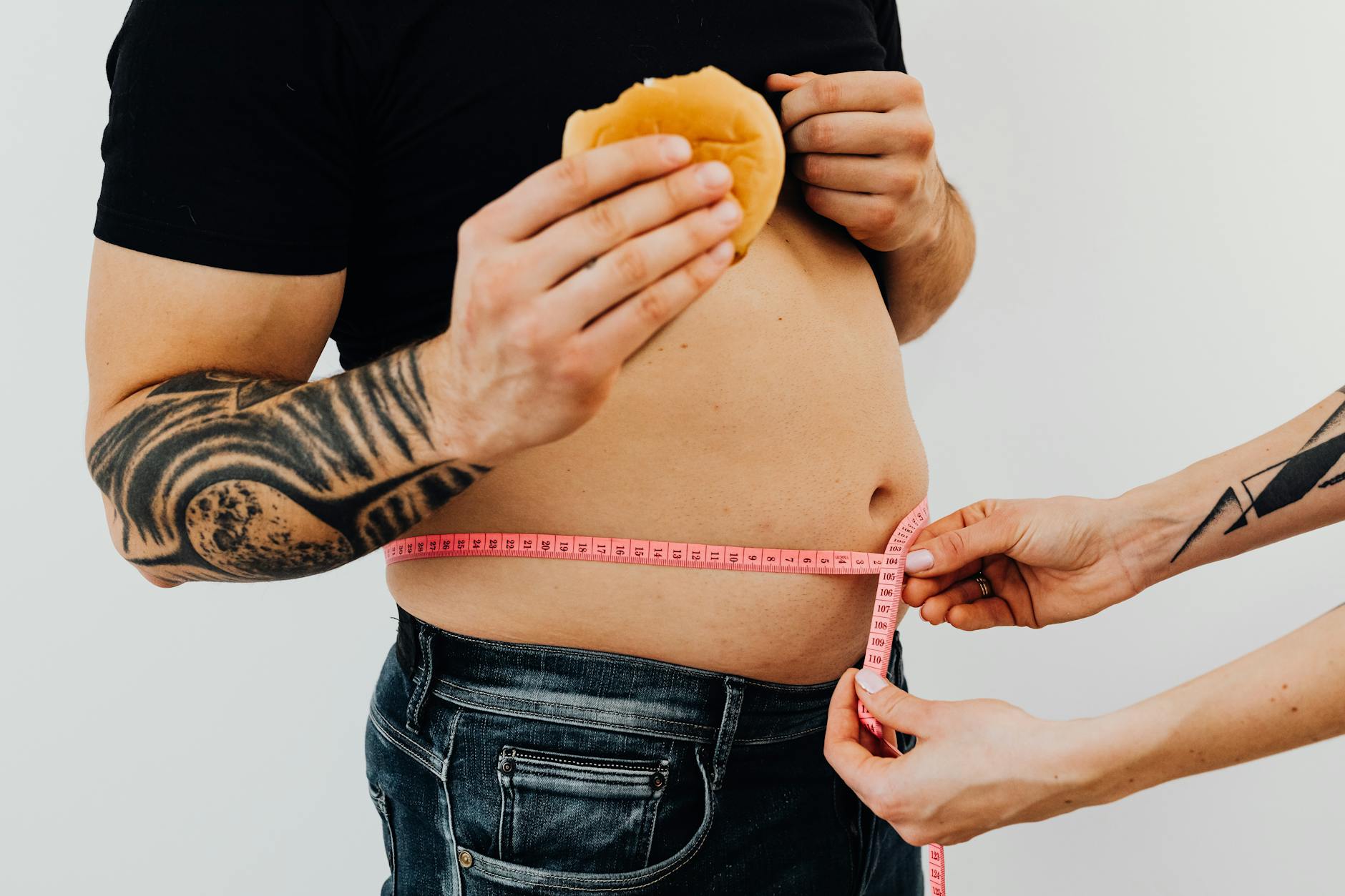
It's also important to remember that the scale doesn't tell the whole story. You might be losing inches, gaining muscle, or simply improving your overall health. Take measurements, notice how your clothes fit, and pay attention to your energy levels. These non-scale victories are just as, if not more, important.
Consistency Over Intensity: My Biggest Lesson
If there's one piece of advice I could give anyone embarking on this journey, it's this: consistency is king. Showing up, day after day, even when you don't feel like it, is what truly builds momentum and delivers results. A moderate walk every day will always outperform an intense workout done only once a week. Building a habit is more important than chasing a single, high-intensity session. This is a marathon, not a sprint.
You're building a new lifestyle, not just trying to hit a number. Embrace the process, celebrate the small victories, and trust in the power of putting one foot in front of the other. The path to sustainable weight loss, and a healthier, happier you, truly does begin with a single step. And then another, and another.