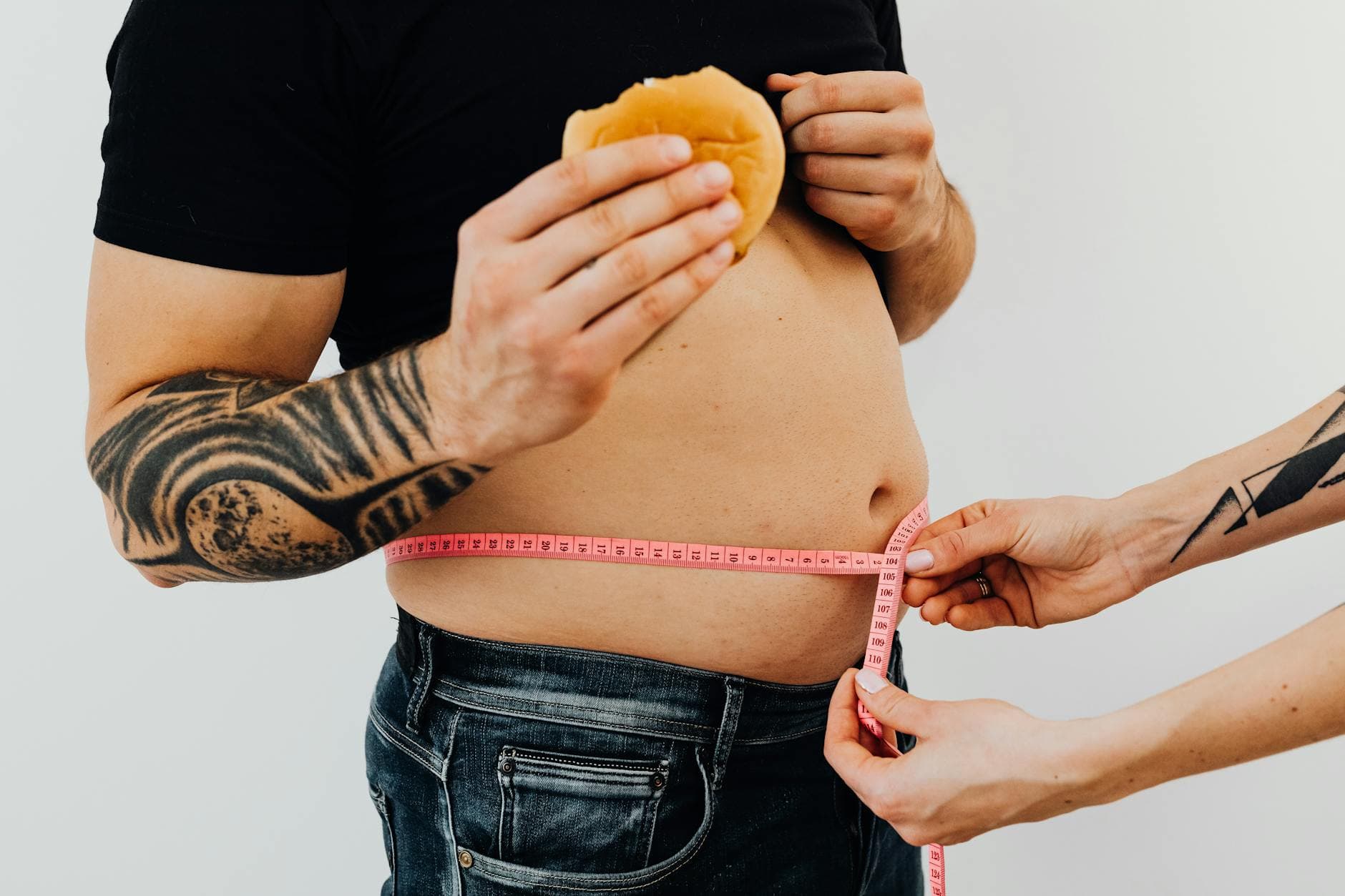
Here’s a statistic that might stop you in your tracks: roughly 95% of people who lose weight gain it back within five years. That’s a staggering number, isn't it? It challenges the common belief that simply going on a diet or hitting the gym hard for a few months is enough. The truth about a truly effective fitness weight loss plan isn't about quick fixes or punishing yourself; it's about building a sustainable lifestyle, one thoughtful choice at a time. I've been there, chasing the next big thing, only to find myself back at square one. What I've learned, what I want to share with you, is that genuine, lasting change comes from a place of understanding, patience, and a deep commitment to yourself.
The Hard Truth About Your Fitness Weight Loss Plan
Most people approach weight loss like a sprint, not a marathon. They see an end goal – a number on the scale, a certain clothing size – and throw everything they have at it. This often means extreme calorie restriction, endless hours of cardio, and a complete overhaul of their life that's impossible to maintain long-term. Honestly, I used to think that was the only way. I’d starve myself and run until my knees ached, only to crash and burn, feeling worse than when I started.
Why Most Approaches Fall Flat
The problem with rapid, unsustainable methods is that they don't teach you how to live. They're temporary solutions to a permanent challenge. Your body, a master of adaptation, will fight back against severe deprivation, slowing your metabolism and increasing hunger hormones. Plus, the mental toll of constant restriction and grueling workouts can be devastating, leading to burnout and a feeling of failure.
Many weight loss efforts focus solely on the physical, ignoring the crucial mental and emotional components. We often try to out-exercise a poor diet, or we restrict food so much that we develop an unhealthy relationship with eating. This cycle is exactly what contributes to that disheartening 95% statistic. It's not about a lack of willpower; it's about a flawed strategy.
Shifting Your Mindset for Lasting Change
The most important step in any successful fitness weight loss plan is a shift in perspective. You're not "going on a diet"; you're adopting a healthier lifestyle. This journey isn't about deprivation; it's about nourishment. It's not about punishment; it's about empowering your body. Think about the last time you truly felt good, energized, and strong. That feeling, that sense of well-being, should be your primary motivator.
This means embracing progress over perfection. Some days will be harder than others, and that's okay. What matters is consistency, showing up for yourself, and learning from every experience. Cultivating motivation for weight loss that lasts means connecting to your deeper "why" – why do you truly want this? Is it for more energy to play with your kids, to feel more confident, or to improve your health markers? Hold onto that reason.
Crafting Your Personalized Weight Loss Workout Plan
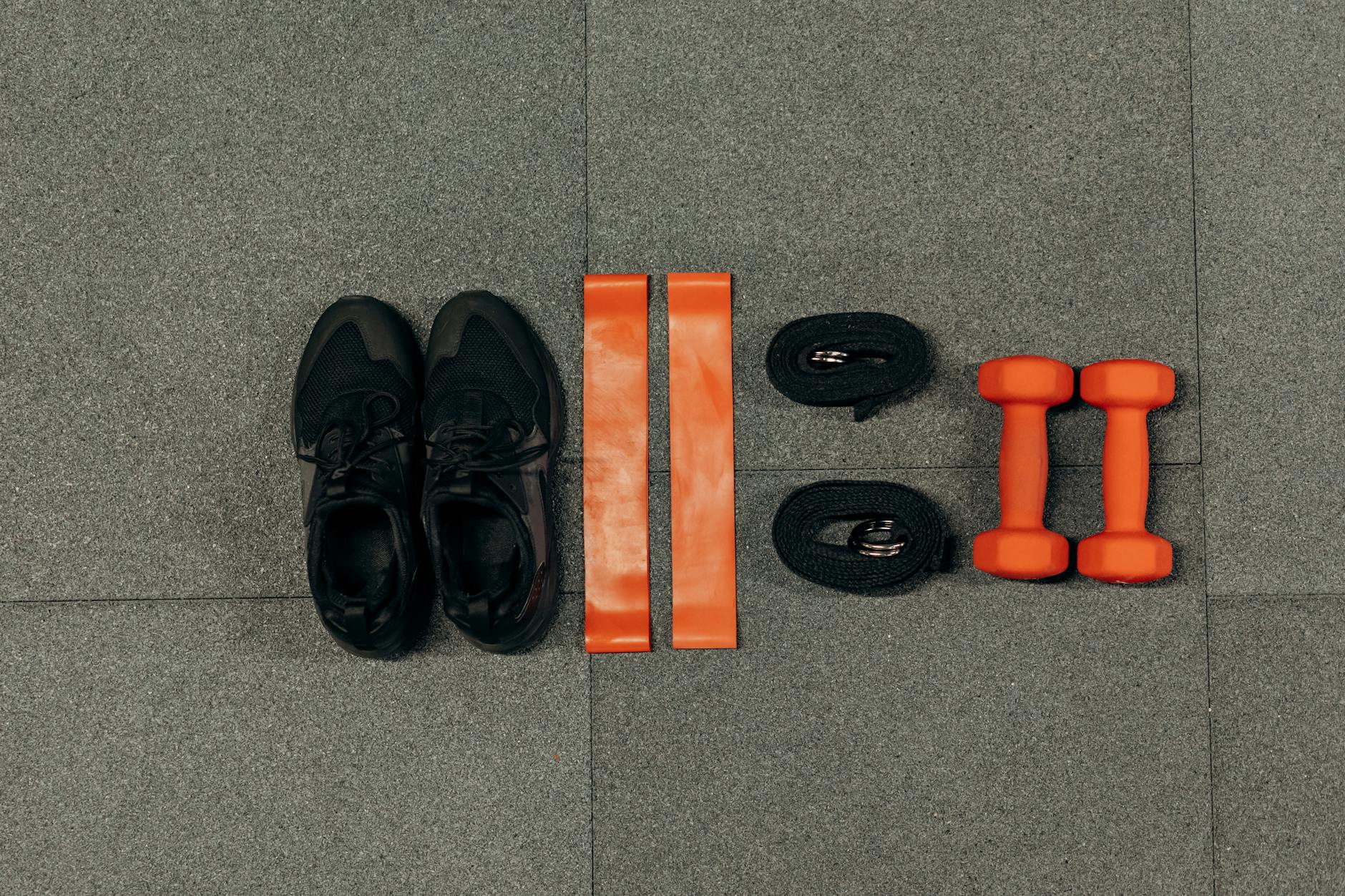
When it comes to movement, forget what you think you know about endless cardio being the only answer. A truly effective weight loss workout plan needs variety, challenge, and enjoyment. It should make you feel stronger, not just exhausted.
The Power of Strength Training for Fat Loss
Here's the thing: if you're not lifting weights, you're leaving serious results on the table. Strength training for fat loss is, in my opinion, one of the most underrated tools. Building muscle doesn't just make you look toned; it ramps up your metabolism. Muscle tissue burns more calories at rest than fat tissue does. This means a more efficient fat-burning machine, even when you're just sitting on the couch.
You don't need to become a bodybuilder. Two to three full-body strength training sessions a week, focusing on compound movements like squats, deadlifts, presses, and rows, can make a huge difference. Start with weights that challenge you for 8-12 repetitions, and focus on proper form. If you're unsure, consider a few sessions with a qualified trainer to get you started safely.
Cardio That Actually Works (And Doesn't Burn You Out)
Cardio has its place, absolutely. It's fantastic for heart health, endurance, and burning calories during the activity. But it shouldn't be your only focus. Instead of slogging through an hour on the treadmill every day, consider incorporating different types of cardio.
High-Intensity Interval Training (HIIT)
Short bursts of intense effort followed by brief recovery periods can be incredibly effective and time-efficient. Think 30 seconds of all-out effort (sprinting, jumping jacks, burpees) followed by 60-90 seconds of rest. Repeat for 15-20 minutes. This style of training can boost your metabolism for hours after your workout.
Low-Intensity Steady State (LISS)
Don't underestimate the power of consistent, moderate activity. A brisk walk, a leisurely bike ride, or swimming can be excellent for recovery, stress reduction, and burning calories without overtaxing your body. For many, walking for weight loss is an incredibly accessible and effective starting point. If you're looking for something more vigorous, running for weight loss can be a powerful tool once your body is ready.
Starting Your Beginner Weight Loss Workout Journey
If you're new to exercise, don't try to do everything at once. Begin with a beginner weight loss workout that feels manageable. Maybe it's three days a week of bodyweight exercises and 20-30 minutes of walking on other days. Consistency is king here. As you get stronger and fitter, you can gradually increase the intensity, duration, or frequency of your workouts. Listen to your body, and don't be afraid to take rest days.
Fueling Your Body: The Healthy Weight Loss Diet
Let's be real, you can't out-exercise a poor diet. Nutrition is, without a doubt, the cornerstone of any successful fitness weight loss plan. This isn't about deprivation; it's about making smarter, more nourishing choices that support your body's goals.
Understanding the Calorie Deficit Explained Simply
Here's the truth about weight loss that nobody tells you in flashy advertisements: it boils down to energy balance. To lose weight, you need to consume fewer calories than your body burns. This is called a calorie deficit. It's simple math, but not always easy to implement consistently. You don't need to cut calories drastically; a modest deficit of 300-500 calories per day is often enough to promote steady, sustainable weight loss.
You can estimate your daily calorie needs using online calculators, but remember these are just estimates. The best approach is to track your intake for a few days, see where you're at, and then make small, incremental adjustments. Focus on nutrient-dense foods that keep you feeling full and satisfied, rather than empty calories that leave you hungry shortly after eating.
The Essential Role of Protein Foods for Weight Loss
If there's one macronutrient I'd tell you to prioritize, it's protein. Protein is crucial for building and repairing muscle, which, as we discussed, boosts your metabolism. Furthermore, protein is incredibly satiating, meaning it helps you feel fuller for longer, reducing the urge to snack unnecessarily. This one surprised me when I first learned it; I used to think fat was the key to satiety.
Aim for a good source of protein at every meal. Think lean meats, poultry, fish, eggs, dairy, legumes, and plant-based protein powders. Incorporating protein foods for weight loss into your daily routine is one of the most effective dietary strategies you can adopt. For example, swapping a sugary cereal for Greek yogurt with berries and a scoop of protein powder can make a huge difference in your morning satiety.
Making Meal Prep for Weight Loss a Reality
Planning is power, especially when it comes to healthy eating for weight loss. Meal prep for weight loss isn't just for fitness influencers; it's a practical strategy for busy people. When healthy options are readily available, you're far less likely to grab something quick and unhealthy when hunger strikes.
Dedicate a couple of hours on a Sunday to cook a batch of lean protein (chicken breast, ground turkey), some complex carbohydrates (quinoa, brown rice, sweet potatoes), and chop a variety of vegetables. Portion these out into containers for grab-and-go meals throughout the week. This simple habit can revolutionize your diet and help you stick to your calorie goals without constant effort.
Beyond the Gym and Kitchen: Sustainable Weight Loss Tips
A comprehensive fitness weight loss plan extends far beyond just exercise and diet. Your overall lifestyle plays a massive role in your body's ability to shed weight and maintain a healthy composition. The human body is a complex system, and ignoring factors like sleep or stress is like trying to drive a car with the handbrake on.
Sleep, Stress, and Their Impact on Your Progress
You might be wondering what sleep has to do with losing weight. A lot, actually! Insufficient sleep throws your hormones out of whack. It increases ghrelin, the "hunger hormone," and decreases leptin, the "satiety hormone." This means you'll feel hungrier and less satisfied, making it incredibly hard to stick to a healthy eating plan.
Chronic stress is another silent sabotager. When you're stressed, your body releases cortisol, a hormone that can promote fat storage, especially around the belly. Prioritize 7-9 hours of quality sleep per night. Find healthy ways to manage stress, whether it's meditation, reading, spending time in nature, or simply taking a few deep breaths throughout your day. These seemingly small changes are crucial components of sustainable weight loss tips.
Cultivating Motivation for Weight Loss That Lasts
Motivation isn't a constant flame; it flickers. Don't rely solely on it. Build habits and routines that support your goals, even on days when you don't "feel" like it. Set realistic, small goals that you can achieve consistently. Celebrate those small wins. Did you drink enough water today? Did you hit your step count? Did you choose a healthy snack over a processed one? Acknowledge your efforts.
Find an accountability partner or a supportive community. Sometimes, knowing someone else is on a similar journey, or just having someone to check in with, can make all the difference. Remember, this is a journey of self-improvement, not self-punishment.
What Nobody Tells You About the Journey
I'll be real with you: your weight loss journey won't be linear. There will be plateaus, setbacks, and moments of frustration. This is normal. This is part of being human. If anyone tells you otherwise, they're selling you something that doesn't exist.
The Inevitable Plateaus and How to Break Through Them
At some point, your body will adapt to your current routine, and weight loss will slow or stop. This is a plateau. It's not a sign of failure; it's a sign that your body has become more efficient. When this happens, it's time to make adjustments. You might need to slightly reduce your calories, increase the intensity or duration of your workouts, or try a new type of exercise. Sometimes, simply taking a "diet break" for a week or two, maintaining your current weight, can help reset your metabolism before you resume your deficit. Research from institutions like the National Institutes of Health often highlights the body's adaptive responses to caloric restriction.
Embracing Imperfection and Self-Compassion
You will have days where you eat something "off plan." You will miss workouts. You will feel discouraged. This is not a reason to throw in the towel. One unhealthy meal doesn't erase weeks of effort, just like one healthy meal doesn't make you instantly fit. Forgive yourself, learn from it, and get back on track with your next meal or next workout. Self-compassion is a powerful tool. Treat yourself with the same kindness and understanding you would offer a friend. The Centers for Disease Control and Prevention often emphasizes the importance of mental well-being in overall health journeys.
Your Best Weight Loss Plans Start Here
Building your ideal fitness weight loss plan is about integration. It's about combining intelligent exercise with nourishing food choices, prioritizing recovery, and fostering a resilient mindset. It’s not about finding the single "best weight loss plan" out there, but rather building the best plan for you.
Small Steps, Big Results
Don't try to change everything at once. Pick one or two areas to focus on first. Maybe it's adding a daily walk and increasing your protein intake. Once those habits are solid, add another. These small, consistent actions compound over time, leading to significant, lasting results. This methodical approach is far more effective than trying to lose weight fast through drastic measures.
The Joy of a Healthier You
Ultimately, this journey isn't just about the number on the scale. It's about feeling stronger, having more energy, improving your health markers, and gaining confidence. It's about showing up for yourself, day after day, and discovering what your body is truly capable of. Embrace the process, celebrate your progress, and enjoy the incredible benefits of a healthier, happier you.