
What if I told you that the key to unlocking a leaner, healthier you wasn't about punishing yourself in the gym for hours on end, but about finding joy in movement? Imagine feeling energized after a workout, not completely depleted. This isn't a fantasy; it's the reality when you understand how to effectively incorporate cardio for weight loss into your life.
The Real Deal with Cardio for Weight Loss
Why Cardio is Your Weight Loss Ally
For years, people have debated the "best" way to shed pounds. Some swear by marathon running, others by high-intensity bursts. But here's the thing: cardio, in its many forms, is a cornerstone of any successful weight loss strategy. It's not just about burning calories in the moment; it's about building a sustainable habit that revamps your metabolism and improves your overall health. I've seen hundreds of people transform their bodies and their lives by embracing the power of movement, and cardio is almost always a central piece of that puzzle.
Beyond the Scale: The Holistic Benefits
When we talk about cardio for weight loss, it's easy to get fixated on the numbers on the scale. But the benefits stretch far beyond that. Regular cardiovascular exercise strengthens your heart, improves your lung capacity, reduces your risk of chronic diseases like heart disease and type 2 diabetes, and even boosts your mood. Honestly, the mental health benefits alone are often enough to keep people motivated. Think about the last time you felt stressed; a brisk walk can often melt that away more effectively than anything else.
The Metabolism Connection
Your metabolism is your body's engine, and cardio helps supercharge it. By increasing your heart rate and engaging large muscle groups, you burn more calories during your workout. But the magic doesn't stop when you do. Your metabolism stays elevated for a period afterward, a phenomenon known as the "afterburn effect," meaning you continue to burn calories even at rest. This sustained calorie expenditure is crucial for creating the calorie deficit needed for weight loss.

Finding Your Best Cardio for Weight Loss
It's Not One-Size-Fits-All
The concept of the "best" cardio for weight loss is a bit of a myth, or at least, it's highly individual. What works wonders for one person might feel like a chore to another. The most effective cardio is the one you actually enjoy and will stick with long-term. If you despise running, forcing yourself to do it will likely lead to burnout and eventual quitting. Conversely, if you find joy in dancing or cycling, those activities will naturally become sustainable habits. I've helped clients find success with everything from swimming to brisk walking in their local parks.
The Calorie Burn Equation
While enjoyment is paramount, we also need to acknowledge the calorie-burning potential of different activities. Generally, higher-intensity workouts burn more calories in a shorter amount of time. However, lower-intensity, longer-duration activities can also contribute significantly to your overall calorie expenditure. For instance, a 150-pound person might burn around 300 calories in 30 minutes of running at a moderate pace, while the same person might burn closer to 150 calories in 30 minutes of brisk walking. Both are valuable for weight loss, but they serve different purposes and appeal to different fitness levels.
Variety is the Spice of Your Workout Routine
Mixing up your cardio routine offers a dual benefit. Firstly, it prevents boredom and keeps your motivation high. Secondly, it challenges your body in different ways, preventing your progress from stalling. If you always do the same thing, your body becomes incredibly efficient at it, and the calorie burn might decrease over time. This is where people often hit a weight loss plateau, and introducing new cardio workouts for fat loss can be the key to breaking through.

Effective Cardio for Weight Loss Strategies
High-Intensity Interval Training (HIIT) for Maximum Impact
HIIT has become incredibly popular, and for good reason. It involves short bursts of intense exercise followed by brief recovery periods. This method is incredibly efficient for calorie burning and can significantly boost your metabolism. A typical HIIT session might involve 30 seconds of all-out sprinting followed by 30 seconds of walking, repeated for 15-20 minutes. This is a fantastic option for those short on time, but it's not for the faint of heart and requires a solid baseline fitness level. HIIT for weight loss can be a game-changer, but it's crucial to listen to your body and not overdo it.
Steady-State Cardio: The Reliable Workhorse
Don't underestimate the power of steady-state cardio. This involves maintaining a moderate intensity for a longer duration, such as a 45-minute brisk walk or a 30-minute jog. While it might not offer the same dramatic "afterburn" as HIIT, it's excellent for building endurance, improving cardiovascular health, and consistently burning calories. Walking for weight loss is a prime example of steady-state cardio that is accessible to almost everyone. It’s also a great way to enjoy the outdoors and soak up some sunlight for weight loss.
Incorporating Cardio at Home
You don't need a gym membership to get your heart rate up. There are countless cardio exercises at home that can be incredibly effective. Think jumping jacks, high knees, burpees, shadow boxing, or even dancing to your favorite music. Many online platforms offer free or subscription-based workout videos that guide you through cardio routines you can do in your living room. This flexibility is a huge advantage for busy individuals or those who prefer the comfort of their own space. I've seen clients achieve amazing results with nothing more than a yoga mat and a good playlist.
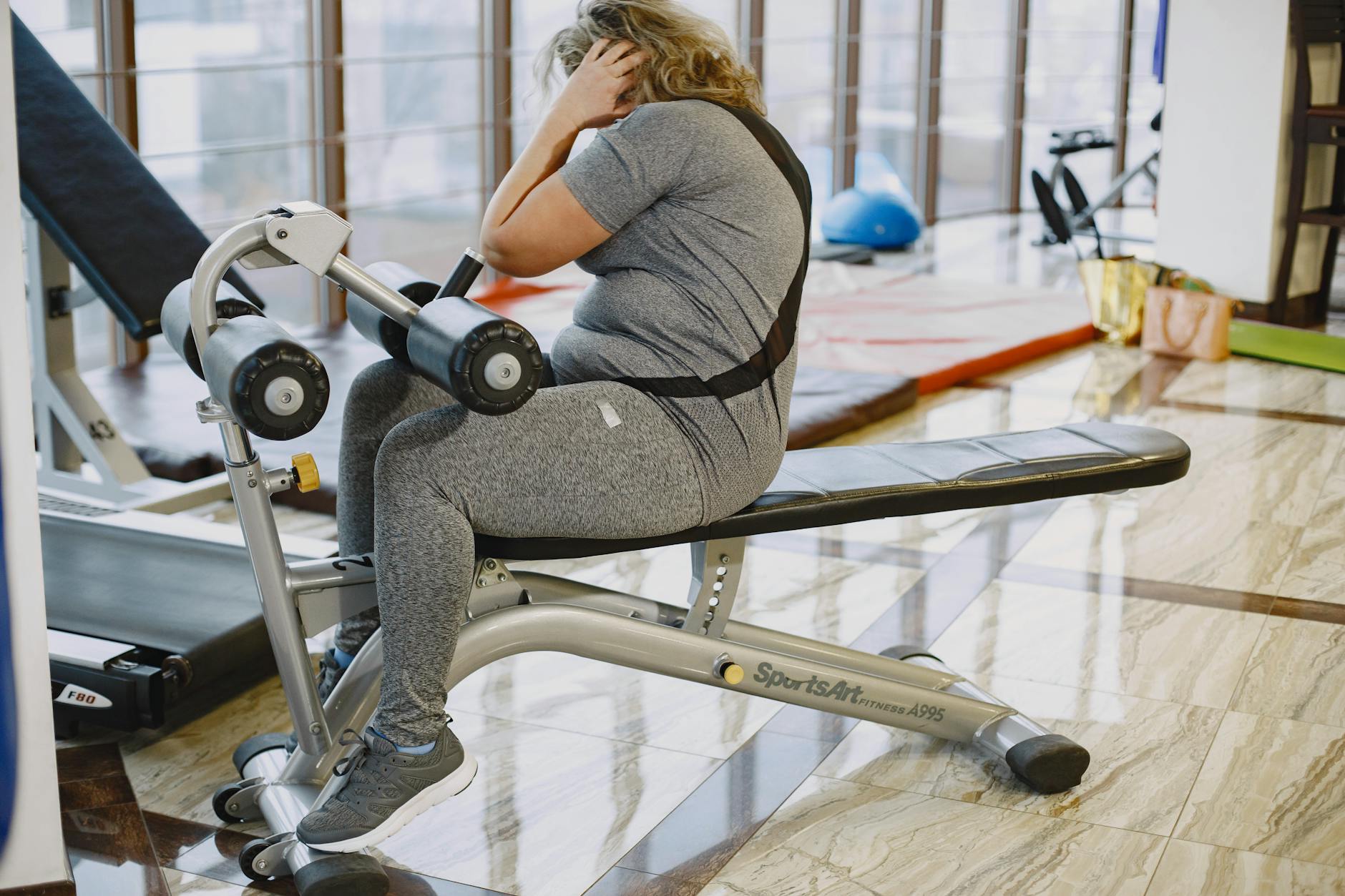
Cardio vs. Strength Training for Weight Loss: The Verdict
Understanding the Roles
This is a question I get asked all the time: cardio vs. strength training for weight loss. The truth is, both are vital for a well-rounded approach to shedding pounds and building a healthy body. Cardio is king when it comes to immediate calorie burning and cardiovascular health. Strength training, on the other hand, builds muscle mass. More muscle means a higher resting metabolic rate, meaning you burn more calories even when you're not exercising.
The Synergistic Approach
The most effective strategy for weight loss often involves a combination of both. Imagine this: you do a cardio session to burn a significant number of calories during your workout, and then you incorporate strength training a few times a week to build muscle that will continue to burn calories throughout the day. This synergistic approach maximizes your fat loss potential and creates a more toned, athletic physique. Neglecting either component means leaving potential results on the table.
Prioritizing for Your Goals
If your primary goal is rapid weight loss and you're short on time, you might lean slightly more towards cardio, particularly HIIT. However, if your aim is to build a strong, lean physique and maintain weight loss long-term, strength training becomes equally, if not more, important. For women, in particular, building muscle through strength training can be incredibly empowering and help combat the myth that lifting weights will make them "bulky." You can find some excellent tips tailored for weight loss for women that emphasize this balance.

Making Cardio Work for YOU
Consistency is Key
You've probably noticed a theme here: consistency. It's far better to do 30 minutes of moderate cardio five times a week than to do an hour-long, grueling session once every two weeks. Your body thrives on routine. Find a schedule that fits your life and stick to it as much as possible. Even on days when you don't feel like it, a shorter, less intense session is better than nothing. Think of it as an investment in your future self.
Listen to Your Body
This is crucial. Pushing yourself too hard, too soon, can lead to injury and burnout. Pay attention to how your body feels. If you're experiencing persistent pain, take a rest day or scale back the intensity. Recovery is just as important as the workout itself. The Mayo Clinic research on cardio for weight loss often highlights the importance of gradual progression and listening to bodily cues.
Fueling Your Efforts
Cardio burns calories, but what you eat fuels your body and impacts your weight loss. It’s important to have a balanced diet that supports your activity level. Trying to out-exercise a poor diet is an uphill battle. I always advise my clients to focus on whole, unprocessed foods and to ensure they're getting adequate protein and healthy fats. Before you even start thinking about your workout, consider decluttering your kitchen. A pantry cleanout for weight loss can be a powerful first step in establishing healthier eating habits.
The Long Game: Sustainable Cardio for Lasting Results
Beyond the Quick Fix
The most effective cardio for weight loss isn't about a quick fix; it's about adopting a lifestyle. It's about finding activities you genuinely enjoy, that fit into your life, and that contribute to your overall well-being. When you shift your mindset from "I have to do cardio" to "I get to move my body," everything changes. This is where true, sustainable weight loss happens, and where you build a healthier, happier you for the long haul. The Centers for Disease Control and Prevention research on cardio for weight loss consistently emphasizes the importance of sustainable, long-term physical activity.
Your Personal Cardio Journey
So, what are you waiting for? Start exploring different forms of cardio. Try a new class, go for a hike, dance in your living room. Find what makes you feel good, what challenges you in a healthy way, and what you can see yourself doing consistently. The journey to weight loss is personal, and your cardio routine should be too. Remember, every step, every stride, every beat of your heart is a step towards a healthier, stronger you. The World Health Organization research on cardio for weight loss supports the idea that consistent physical activity is a cornerstone of public health and weight management.