
Imagine this: you're cresting a ridge, the sun warming your face, a panoramic vista unfolding before you. You feel strong, capable, and utterly present. But then, a familiar slump hits. Your legs feel heavy, your mind fuzzy, and that last snack you crammed into your pocket feels like a distant, unhelpful memory. What if you could consistently feel that surge of energy, that unwavering stamina, all the way to the summit and back down? This isn't magic; it's about mastering your hiking nutrition tips. I've spent years on trails, from gentle woodland strolls to grueling multi-day treks, and I've learned firsthand that what you eat (and drink!) before, during, and after your hike makes a monumental difference.
Fueling Your Ascent: The Foundation of Great Hikes
It's easy to overlook the importance of proper nutrition when the allure of the trail calls. We grab whatever's convenient, often forgetting that our bodies are about to undertake a significant physical challenge. Think of your body as a finely tuned engine; it needs the right kind of fuel to perform optimally. My approach to hiking nutrition tips centers on providing sustained energy, replenishing lost fluids, and supporting muscle function. This means looking beyond just calories and considering the macronutrient balance and the quality of the food you choose.
Pre-Hike Preparations: Setting the Stage
The meal you eat before you even step onto the trail is crucial. It's your initial energy reserve, and getting it wrong can set you up for a disappointing experience. You want to top off your glycogen stores without feeling overly full or sluggish.
The Power of Complex Carbohydrates
Focus on complex carbohydrates. These are digested slowly, providing a steady release of energy. Think oatmeal, whole-wheat toast with a thin layer of nut butter, or even a banana. I used to just grab a sugary granola bar, but the energy crash was inevitable. Now, I swear by a bowl of oatmeal about 1-2 hours before a longer hike. It truly makes a difference in my sustained energy levels.
Protein and Healthy Fats
Don't neglect protein and healthy fats, but keep them in moderation before a hike. A little bit can help with satiety and provide a secondary energy source. A small handful of nuts or a couple of tablespoons of Greek yogurt can be beneficial. Too much fat, however, can slow digestion and make you feel heavy.
Trail Snacks: Your Mid-Hike Lifeline
This is where many people stumble. They either bring too little, too much, or the wrong kinds of food. The best hiking snacks are portable, nutrient-dense, and easy to eat on the go, even with gloves on or while navigating uneven terrain. They should provide quick energy boosts and help maintain blood sugar levels.
Quick Energy Sources
For immediate energy, dried fruits are fantastic. Dates, apricots, and raisins are packed with natural sugars that your muscles can readily use. Energy chews or gels are also an option for very demanding hikes, but I prefer whole foods when possible. A trail mix with dried fruit, nuts, and seeds offers a great combination of quick sugars and sustained energy.
Sustained Energy Foods
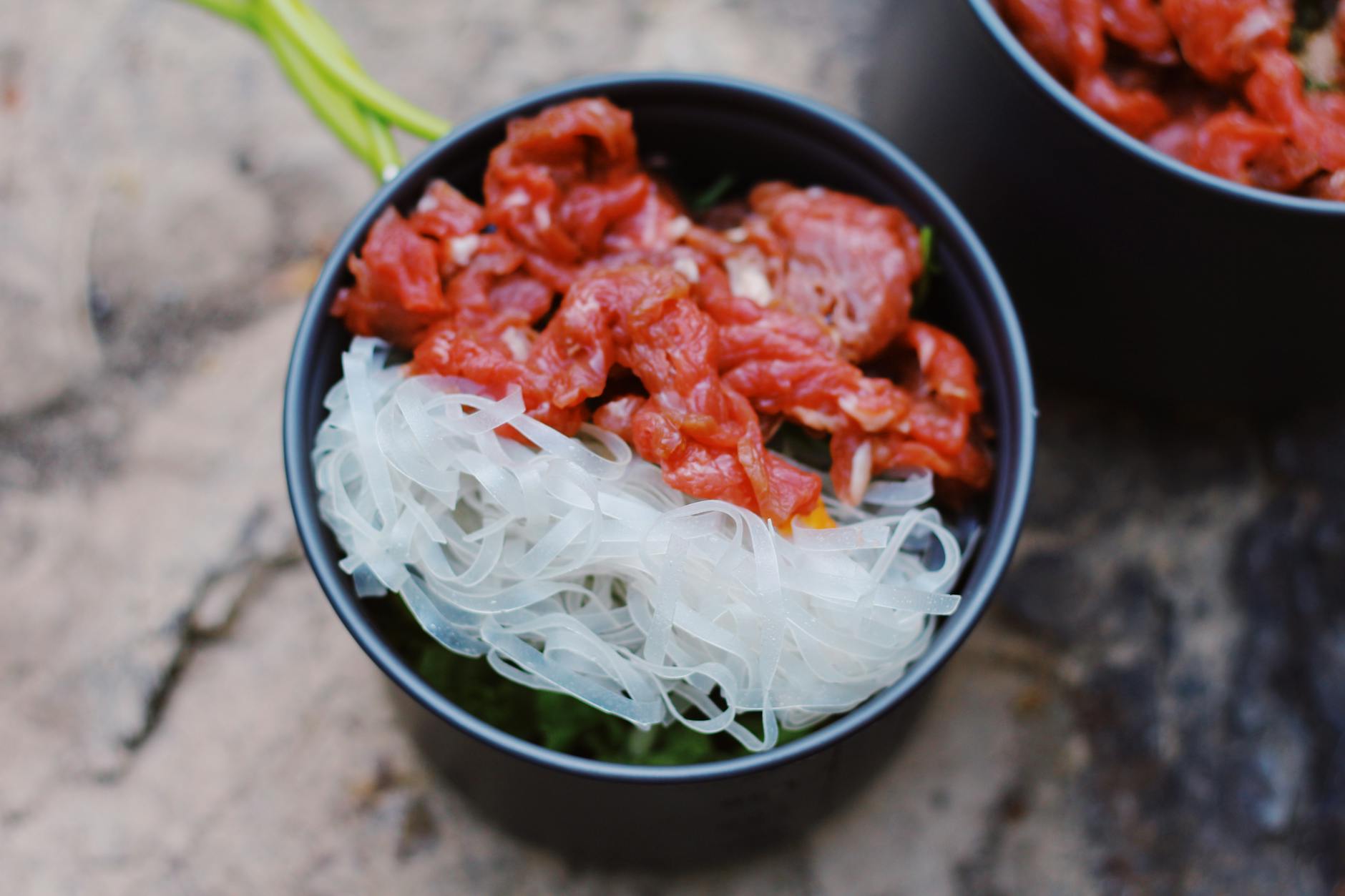
For longer-lasting fuel, consider things like jerky (beef, turkey, or even plant-based), hard-boiled eggs (if you can keep them cool), or whole-grain crackers with a small packet of nut butter. These provide a more balanced release of energy compared to simple sugars alone. I'll be real with you, sometimes the simplest things like a good quality protein bar that isn't loaded with sugar are my go-to. Look for bars with a good balance of carbs, protein, and healthy fats.
Savory Options to Break the Sweet Cycle
It's easy to get tired of sweet snacks. Don't underestimate the power of savory trail food ideas! Pretzels, salted nuts, or even a small bag of trail mix with some savory elements can be a welcome change. Some people even pack small portions of cheese or cured meats, which can be great sources of protein and fat for sustained energy.
Hydration: The Often-Overlooked Pillar of Hiking Nutrition
You can have the best hiking nutrition tips in the world, but if you're dehydrated, your performance will plummet. Thirst is actually a late indicator of dehydration, so it's vital to drink proactively. This is something I learned the hard way on a particularly hot summer hike where I underestimated my fluid needs.
How Much Water Do You Really Need?
There's no one-size-fits-all answer, as it depends on the intensity of the hike, the weather, and your individual sweat rate. A good general guideline is to aim for about half a liter of water per hour of moderate hiking. For strenuous activity or hot conditions, you'll need significantly more. Carrying electrolyte tablets or powders can also be a game-changer, especially on longer hikes where you're sweating a lot.
Electrolytes: More Than Just Water
When you sweat, you lose electrolytes like sodium, potassium, and magnesium. These are crucial for muscle function and fluid balance. Replacing them is just as important as replacing water. I often add an electrolyte tablet to my water bottle, especially for hikes over two hours or in warm weather. For those looking for more natural options, consider hydrating recipes clear skin that can also be adapted for on-the-go consumption, like infused water with fruit and a pinch of salt.
Beyond Water: What Else Can You Drink?
While water is king, other beverages can contribute to your hydration and energy needs. Sports drinks can be helpful for long, intense hikes as they provide carbohydrates and electrolytes. However, be mindful of the sugar content. Diluting them with water can be a good strategy. Some people also opt for coconut water, which is naturally rich in electrolytes.

The Unexpected Angle: Listening to Your Body on the Trail
Here's the thing about hiking nutrition tips: they're guidelines, not rigid rules. Your body will tell you what it needs if you learn to listen. This is a skill that develops over time and with experience. You might find that certain foods work wonders for you, while others leave you feeling heavy or unsatisfied. This is where personal experimentation comes into play.
Recognizing Hunger and Energy Cues
Pay attention to the subtle signs. Are you feeling a slight dip in energy? That's your cue to grab a quick-release carbohydrate. Is your stomach rumbling? It might be time for something more substantial. Don't wait until you're ravenous or completely depleted. Consistent, small fuel-ups are far more effective than one big, late meal.
The Role of Mood and Enjoyment
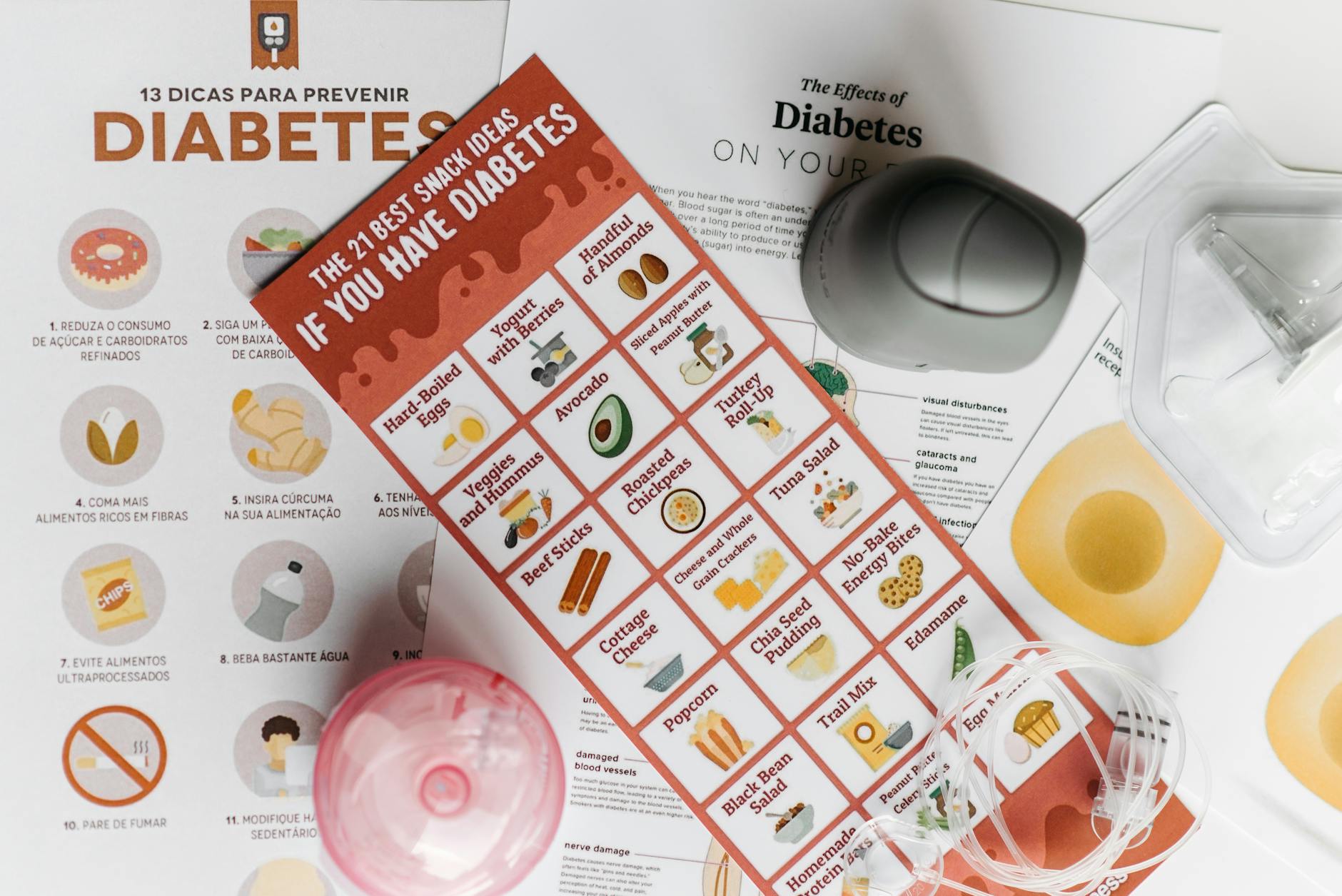
Honestly, what you eat on a hike should also be enjoyable! If you're forcing down bland, unappetizing food, it's going to feel like a chore. Pack things you genuinely look forward to eating. This can significantly boost your morale, especially on challenging days. Think about the last time you were really tired on a hike and a delicious snack made all the difference. This is why I love exploring spring mood foods and incorporating them into my trail snacks when the season allows.
Post-Hike Recovery: Rebuilding and Replenishing
The hike might be over, but your body is still working hard to recover. Proper post-hike nutrition is essential for muscle repair, replenishing glycogen stores, and preparing you for your next adventure. This is often the most neglected part of hiking nutrition tips.
The Importance of the Recovery Window
Within 30-60 minutes after finishing your hike, your body is most receptive to nutrient intake. Aim for a combination of carbohydrates and protein. This helps kickstart the recovery process. A smoothie with fruit and protein powder, or Greek yogurt with berries, is an excellent choice. You might also consider spring garden meals as they often incorporate fresh, nutrient-rich ingredients perfect for recovery.
Longer-Term Replenishment
Beyond that immediate window, continue to focus on balanced meals that include lean protein, complex carbohydrates, and healthy fats. This supports ongoing muscle repair and energy restoration. Don't underestimate the power of whole, unprocessed foods to help your body bounce back stronger.
Putting it All Together: Your Personalized Hiking Nutrition Plan
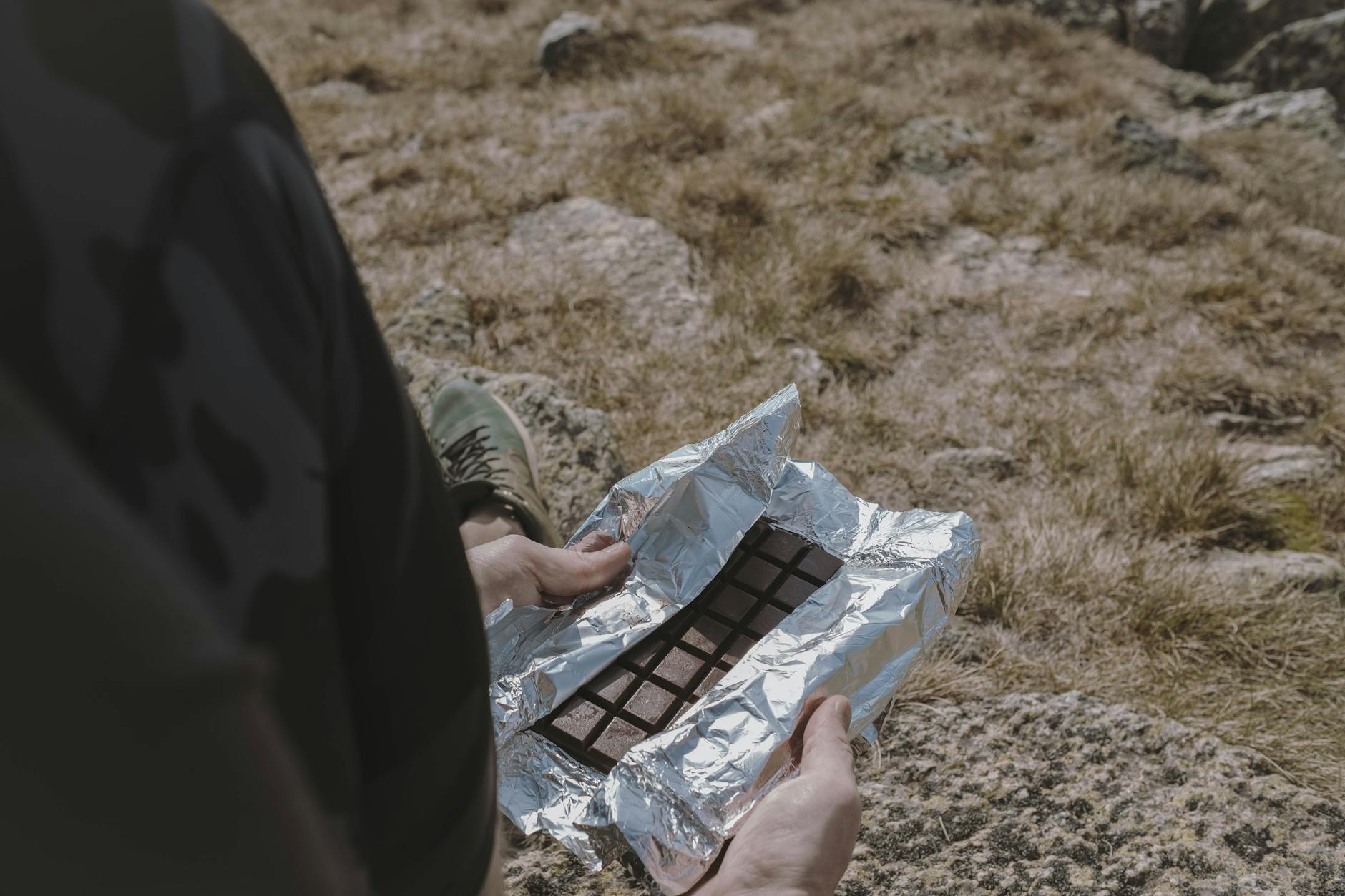
Developing effective hiking nutrition tips is an ongoing process. It involves understanding the basics, experimenting with different foods, and learning to interpret your body's signals. For spring hiking, in particular, focusing on nutrient-dense, yet lightweight options is key. This aligns with the general principles of spring nutrition outdoor. Remember, the goal is to enhance your enjoyment of the outdoors, not to add another layer of stress. With thoughtful planning and mindful eating, you can transform your hiking experience, feeling energized and strong from the trailhead to the summit and back.