Have you ever felt that vague sense of "off" – maybe a little bloated, a bit sluggish, or just not quite yourself? It’s a feeling many of us get, and often, the root of it lies deeper than we think, specifically within our gut. Understanding the connection between **probiotics gut health** is one of the most powerful steps you can take towards a more vibrant you.
My journey into the world of gut health wasn't born from a textbook; it was forged in the trenches of my own digestive struggles. I used to battle constant bloating and unpredictable energy levels. It wasn't until I truly started paying attention to what was happening *inside* my body, and specifically my gut microbiome, that things began to shift.
The Gut Microbiome: Your Inner Ecosystem
Think of your gut as a bustling city, teeming with trillions of microorganisms – bacteria, fungi, viruses, and more. This community is known as the gut microbiome, and it plays a far more significant role in your overall health than most people realize. It’s not just about digestion; it influences your immune system, your mood, even your skin.
The Balancing Act
The key here is balance. When the good guys (beneficial bacteria) are in the majority, your gut city functions smoothly. They help break down food, produce essential vitamins, and keep the less friendly inhabitants in check.
When Things Go Awry
But when the balance tips, and the less beneficial bacteria start to dominate, you can experience a whole host of issues. This imbalance, often called dysbiosis, can manifest as digestive upset, fatigue, and a general feeling of unwellness. It’s like a traffic jam in your inner city, causing chaos and slowdowns.
What Exactly Are Probiotics?
So, where do probiotics fit into this picture? Simply put, probiotics are live microorganisms – the good bacteria and yeasts – that, when consumed in adequate amounts, confer a health benefit on the host. They are the reinforcements your gut city needs when its own population is struggling.
More Than Just Bacteria
It's important to understand that not all bacteria are created equal. Probiotics are specific strains of bacteria and yeasts that have been studied for their positive effects. They are the carefully selected workers who know how to get the job done efficiently.
The Scientific Backing
Research into probiotics and their impact on the gut microbiome is constantly evolving. Many studies, including those supported by the National Institutes of Health research on probiotics gut health, are uncovering the specific mechanisms by which these beneficial microbes work.

The Remarkable Probiotic Benefits for Your Gut Health
The advantages of incorporating probiotics into your diet are extensive, especially when it comes to your digestive system. This is where I saw the most dramatic changes myself.
Digestive Health Revival
One of the most well-known probiotic benefits is improved digestive health. They can help restore the natural balance of gut bacteria, which can be disrupted by factors like antibiotics, stress, or poor diet. This can lead to significant spring gut health improvements.
Easing Bloating and Gas
For me, this was huge. Probiotics helped me find bloating relief I hadn't thought possible. By supporting the breakdown of food and reducing the production of gas-producing bacteria, they can make a world of difference.
Promoting Regularity
Consistent bowel movements are a sign of a healthy gut. Probiotics can help regulate your digestive system, promoting regularity and preventing both constipation and diarrhea.
Boosting Your Immune System
Did you know that a significant portion of your immune system resides in your gut? A healthy gut microbiome, supported by probiotics, can strengthen your immune defenses, helping your body fight off infections more effectively.
Mood and Mental Well-being
The gut-brain axis is a fascinating area of research. Your gut bacteria produce neurotransmitters that influence mood and cognitive function. A balanced microbiome can contribute to improved mood and reduced feelings of anxiety. This one surprised me; I didn't expect my gut to impact my mental clarity so much.
Natural Ways to Boost Your Probiotics Gut Health
While probiotic supplements are readily available, I'm a firm believer in getting as much nutrition as possible from whole foods. This approach not only nourishes your gut but also provides a broader spectrum of nutrients.
The Power of Fermented Foods
Fermented foods are naturally rich in probiotics. They undergo a process where microorganisms break down sugars, creating beneficial compounds and live cultures. Think of them as the artisanal producers in your gut city.
Yogurt and Kefir
These dairy-based powerhouses are perhaps the most popular sources. Look for plain, unsweetened varieties with "live and active cultures" on the label. Kefir, a fermented milk drink, often contains a wider variety of probiotic strains than yogurt.
Sauerkraut and Kimchi
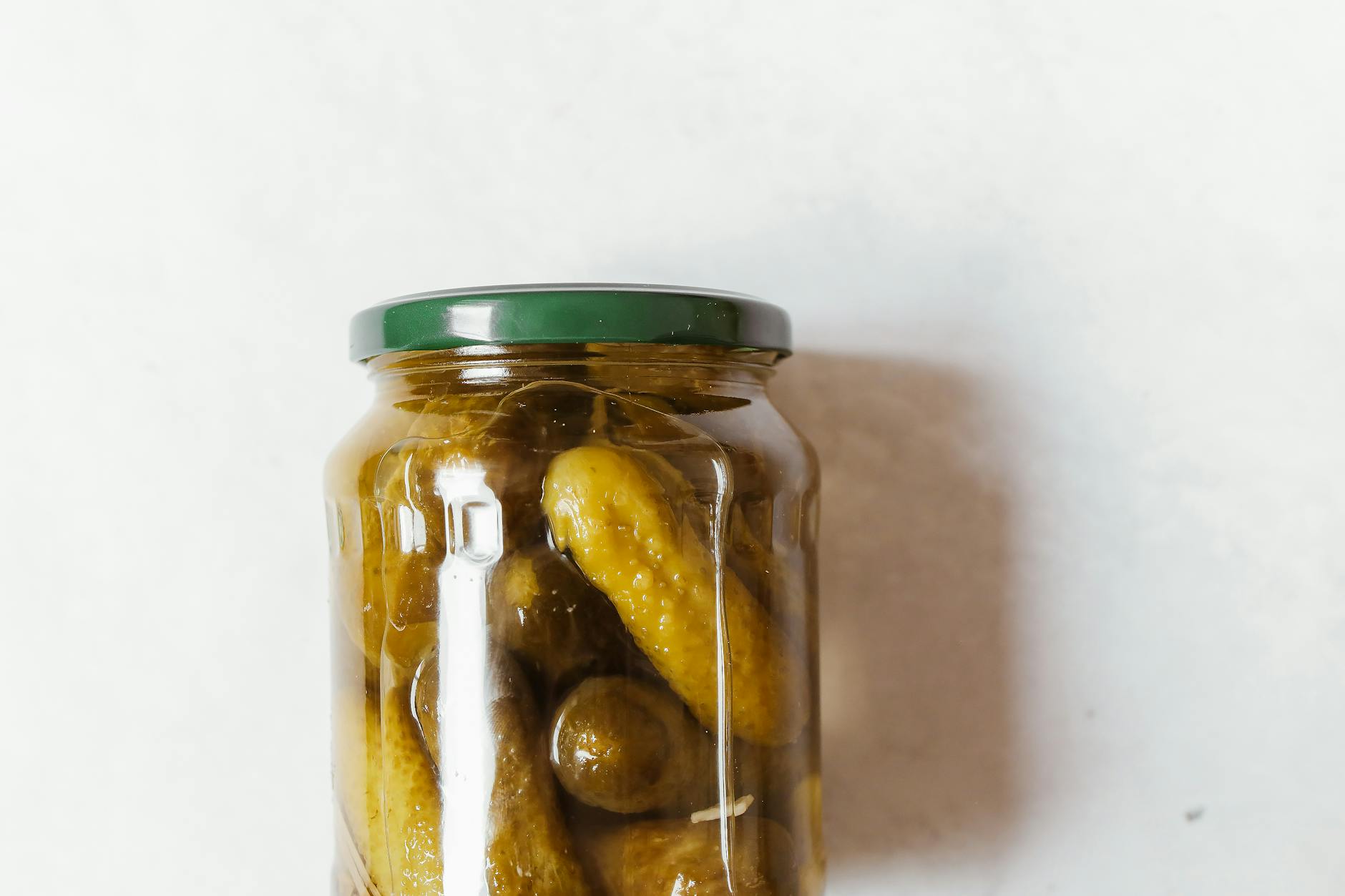
These fermented cabbage dishes are not only delicious but also packed with probiotics. Their tangy flavor comes from lactic acid fermentation. I love adding kimchi to stir-fries for a spicy kick and a gut-friendly boost.
Kombucha
This fizzy, fermented tea is another popular choice. While it contains probiotics, be mindful of the sugar content in some commercial brands. Making your own can be a rewarding way to control ingredients.
Beyond Fermented: Other Gut-Friendly Foods
While fermented foods are superstars, other foods also support a healthy gut environment.
Fiber-Rich Foods
Prebiotics are essentially the food for your probiotics. High-fiber foods like fruits, vegetables, and whole grains feed the beneficial bacteria in your gut, helping them thrive. Aiming for a diverse range of plant-based foods is key to a thriving gut.
Bone Broth
Rich in amino acids like glutamine, bone broth can help repair and seal the gut lining, which is crucial for overall digestive health.
When to Consider Probiotic Supplements
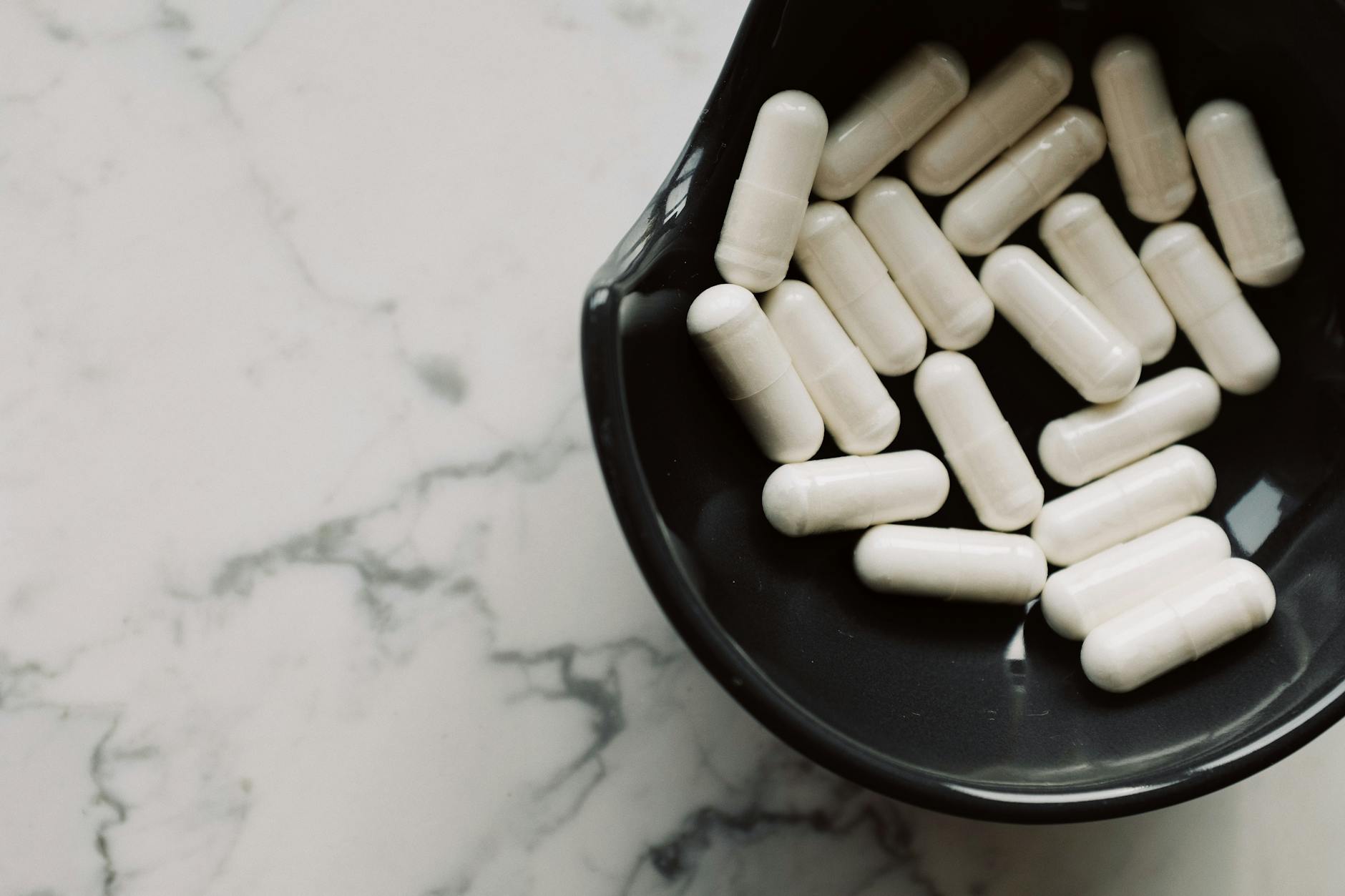
There are times when supplements can be a valuable addition to your diet, especially if you're struggling with specific digestive issues or have recently taken antibiotics.
Choosing the Right Supplement
The world of probiotic supplements can be overwhelming. Look for products that specify the strains of bacteria and the colony-forming units (CFUs). It's always a good idea to consult with a healthcare professional or a registered dietitian to find the best probiotic for your individual needs. They can help you navigate the science and ensure you're getting a product backed by Centers for Disease Control and Prevention research on probiotics gut health.
Antibiotic Use and Probiotics
Antibiotics are powerful tools for fighting infections, but they can also wipe out beneficial gut bacteria. Taking probiotics during and after a course of antibiotics can help mitigate this disruption and support a quicker gut health revival.
Integrating Probiotics for Overall Wellness
Nourishing your gut is a cornerstone of holistic wellness. It’s not just about avoiding problems; it’s about actively promoting a state of vitality.
Seasonal Wellness and Your Gut
As seasons change, so does our environment and often our diet. Embracing spring gut health means preparing your body for renewed energy. Think of it as giving your inner ecosystem a spring cleaning. Incorporating probiotic-rich foods can be a fantastic way to support this transition.
Beyond Digestion: The Wider Impact
Remember, the benefits extend far beyond the digestive tract. A healthy gut microbiome is linked to better skin health – think of achieving that spring skin glow from within! It also plays a role in energy levels and can even influence how well you sleep, especially when paired with nutrients like magnesium for sleep. Getting your macronutrient balance right is also crucial for sustained energy, particularly as you prepare for more active spring months. Macronutrient Balance Spring: Boost Your Performance Now!
My Personal Probiotic Recipe
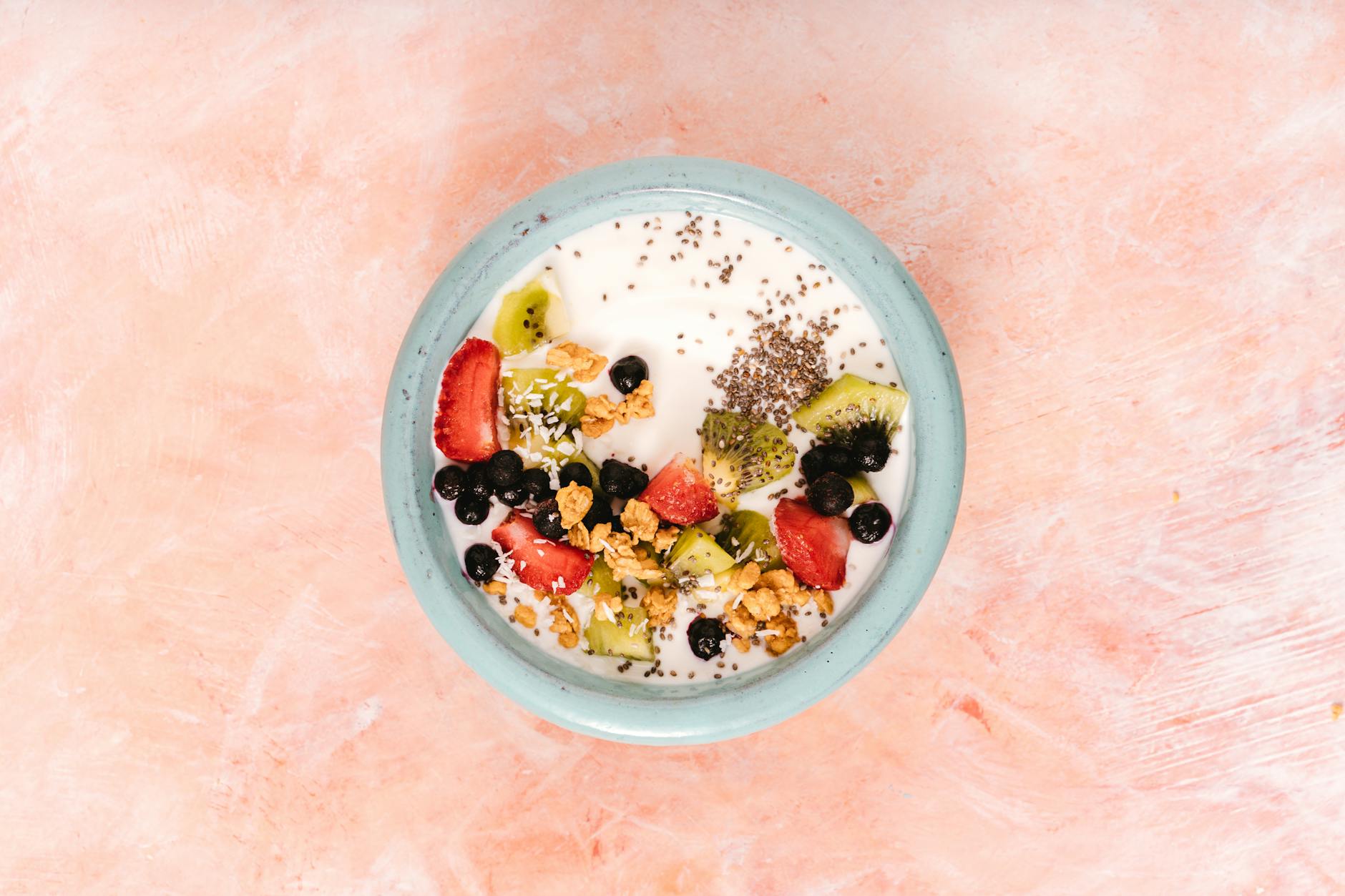
One of my favorite ways to get my probiotic fix is through a simple smoothie. I blend plain Greek yogurt (full-fat, always!), a handful of berries, a tablespoon of chia seeds, and a splash of unsweetened almond milk. Sometimes, I’ll even throw in a bit of ginger for an extra digestive kick. It’s a quick and delicious way to support my probiotic recipes and my overall spring gut health. If you're looking for more ideas, check out these easy vegan recipes for spring, many of which can be adapted to include fermented elements.
The Long Game: Nurturing Your Gut
Building and maintaining a healthy gut microbiome is a marathon, not a sprint. It requires consistent effort and a mindful approach to what you eat and how you live.
Consistency is Key
Don't expect overnight miracles. Incorporating probiotic-rich foods and potentially supplements regularly will yield the best results. Your gut bacteria are constantly changing, so ongoing support is essential for sustained gut health revival.
Listen to Your Body
Pay attention to how different foods make you feel. Your body will tell you what it likes and what it doesn't. This self-awareness is a powerful tool in your health journey.
A Holistic Approach
Remember that diet is just one piece of the puzzle. Stress management, adequate sleep, and regular physical activity all play a crucial role in supporting your gut health. It’s all interconnected.
Your gut is a complex and vital organ system that deserves your attention. By understanding the role of **probiotics gut health** and making conscious choices to nourish your inner ecosystem, you’re investing in a foundation for vibrant health that will ripple through every aspect of your life. So, start small, be consistent, and enjoy the journey to a healthier, happier you.