
The Truth About Healthy School Lunches
A lot of people think that packing a healthy school lunch means hours in the kitchen every night, wrestling with picky eaters, and resorting to bland, boring food. Honestly, I used to think that too. It felt like an insurmountable task, especially with my own kids. But here's the thing: creating truly healthy school lunches doesn't have to be a chore. It's about smart planning, understanding what kids actually need to thrive, and a few simple tricks that make a huge difference. We're not aiming for perfection here; we're aiming for progress and nourishment.
Why the School Lunch Matters More Than You Think
Think about it: your child spends a significant chunk of their day at school. Their brain is working overtime, learning, socializing, and growing. The fuel they get during that midday break can make or break their afternoon. A sugary snack or a processed lunchable might give them a quick burst of energy, but it's often followed by a crash, leaving them tired, unfocused, and irritable. This is why prioritizing healthy school lunches is so incredibly important. It's not just about avoiding junk; it's about actively fueling their potential.
The Afternoon Slump is Real
You've probably noticed it yourself. That post-lunch dip in energy. For kids, this can manifest as difficulty concentrating in class, fidgeting, or even behavioral issues. A balanced meal provides sustained energy, keeping their minds sharp and their bodies ready for whatever the school day throws at them. Research from organizations like the Centers for Disease Control and Prevention research on healthy school lunches consistently highlights the link between nutrition and academic performance.
Building a Balanced School Meal: It's Not Rocket Science
So, what actually constitutes a "healthy school lunch"? It's not about complicated recipes or obscure ingredients. It's about balance. I like to think of it as a plate, or in this case, a lunchbox, that has a few key components. This ensures they're getting a variety of nutrients to support their physical and cognitive development.
The Power of the Protein
Protein is crucial for satiety, meaning it helps kids feel full and satisfied for longer. This prevents them from getting hungry again too soon and reaching for less healthy options. Think lean meats, poultry, fish, beans, lentils, tofu, or even hard-boiled eggs. These provide the building blocks for growth and repair.
Don't Forget the Fiber Friends (Fruits & Veggies!)
This is where many school lunches fall short. Fruits and vegetables are packed with vitamins, minerals, and fiber, which aids digestion and keeps energy levels stable. Aim for a variety of colors! Different colors often mean different nutrients. Even if your child is a bit fussy, there are ways to incorporate them. We'll get to that.
Smart Carbs for Sustained Energy
Carbohydrates are the body's primary source of energy. The key is to choose whole, unprocessed sources. Whole-wheat bread, brown rice, quinoa, whole-wheat pasta, and starchy vegetables like sweet potatoes are excellent choices. These release energy slowly, preventing those dreaded sugar spikes and crashes. Quick healthy lunches for kids often rely on these smart carb choices.
Healthy Fats for Brain Power
Fats are essential for brain health and nutrient absorption. Healthy fats can be found in avocados, nuts, seeds, and olive oil. These are great additions to school lunches and provide sustained energy. Just be mindful of school policies regarding nuts, as many schools have allergy restrictions.
Kid-Friendly School Lunches: Winning Over Picky Eaters
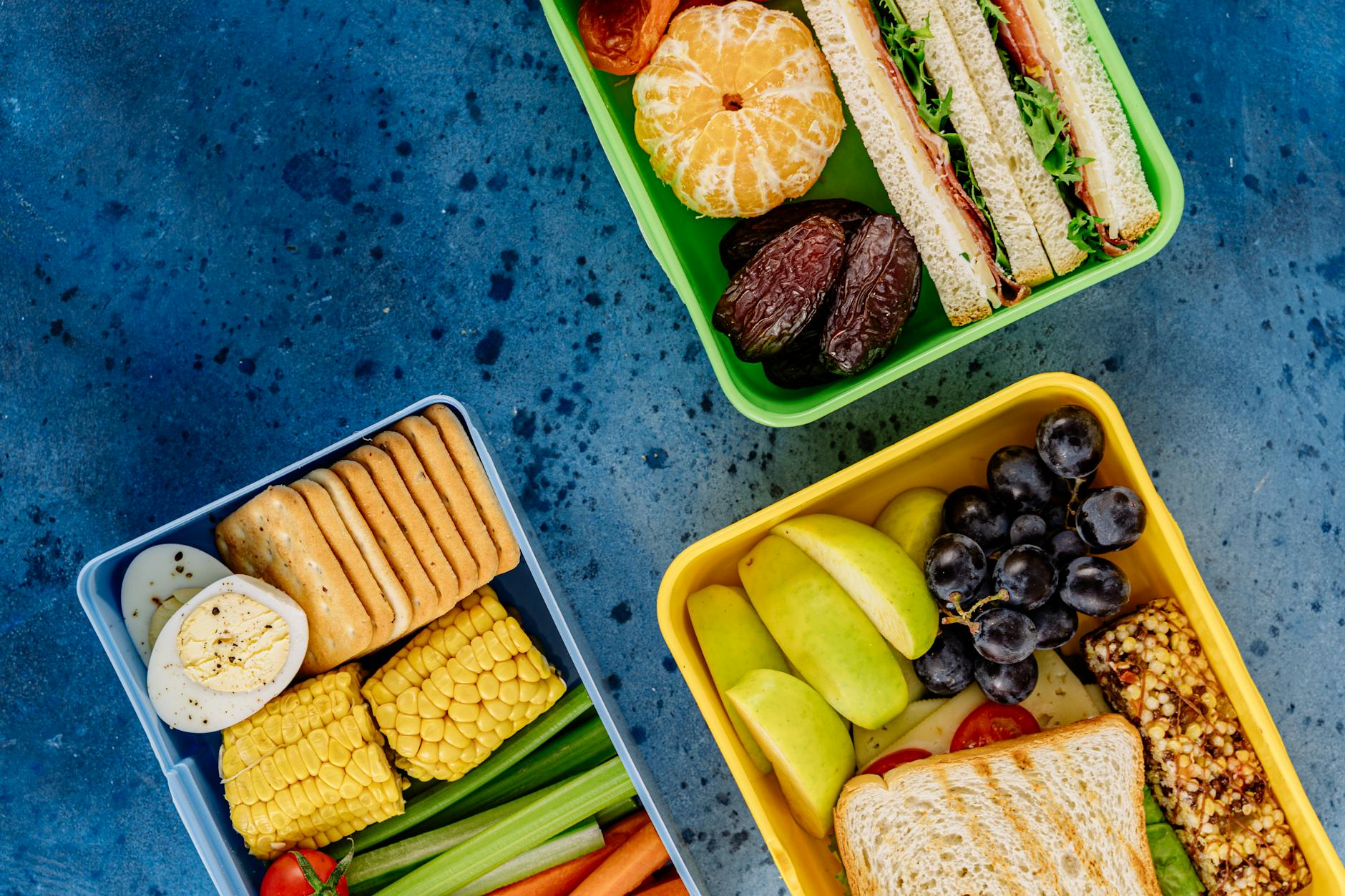
This is often the biggest hurdle, right? You pack what you think is healthy, and it comes home untouched. I'll be real with you, it took me a while to figure this out. The trick isn't to force them to eat broccoli if they hate it; it's to find creative, appealing ways to include nutritious foods. Making food fun and engaging is half the battle.
Involve Them in the Process
Kids are more likely to eat something they helped prepare. Let them choose between two healthy options for their main, or have them help wash vegetables. Even small tasks can foster a sense of ownership over their meal. This is a simple yet effective way to encourage them to try new things.
Presentation Matters
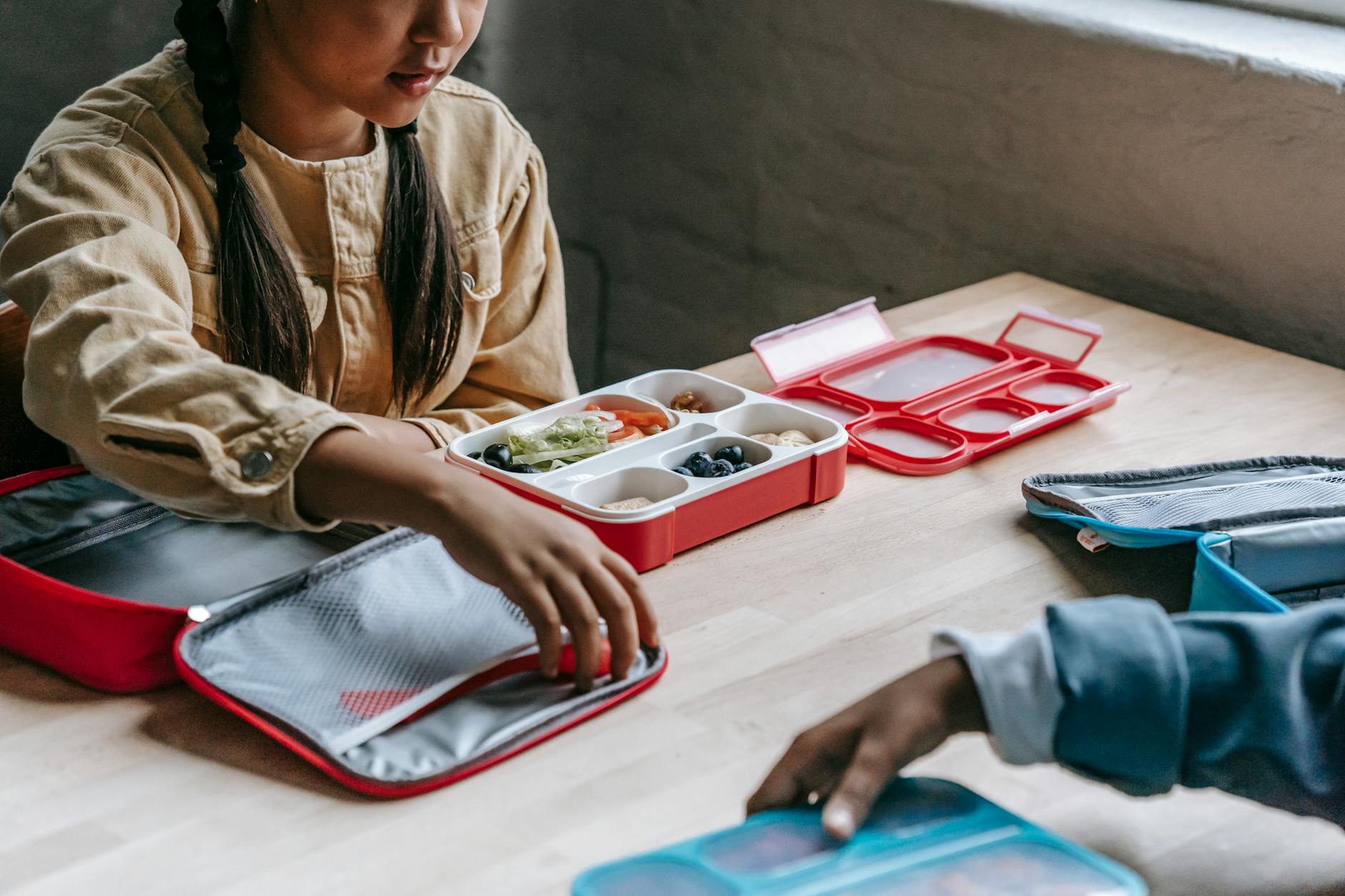
Seriously, a few cookie cutters can work wonders. Fun shapes for sandwiches or fruits can make a meal more appealing. Think about bento-style boxes where you can separate different food items. This is particularly helpful for kids who don't like their food touching. It also allows for a greater variety of small, appealing portions.
Creative Wraps and Rolls
Instead of a traditional sandwich, try rolling up fillings in whole-wheat tortillas or even large lettuce leaves. You can fill them with lean turkey and avocado, hummus and shredded carrots, or chicken salad made with Greek yogurt. These are easy to hold and eat, perfect for little hands.
Deconstructed Meals for the Win
Sometimes, presenting food in a deconstructed way is best. Instead of a mixed salad, offer a container with grilled chicken strips, cherry tomatoes, cucumber slices, a small portion of quinoa, and a little container of dressing. This gives them control over what they combine and how much of each item they eat. It's a great approach for school lunch ideas that offer flexibility.
Easy School Lunch Recipes and Time-Saving Hacks
I know what you're thinking: "Lisa, I barely have time to get myself out the door, let alone make elaborate lunches." I hear you! The good news is that healthy school lunches don't require gourmet cooking. It's about efficiency and smart preparation. These are the school lunch packing tips that have saved me.
The Magic of Meal Prep
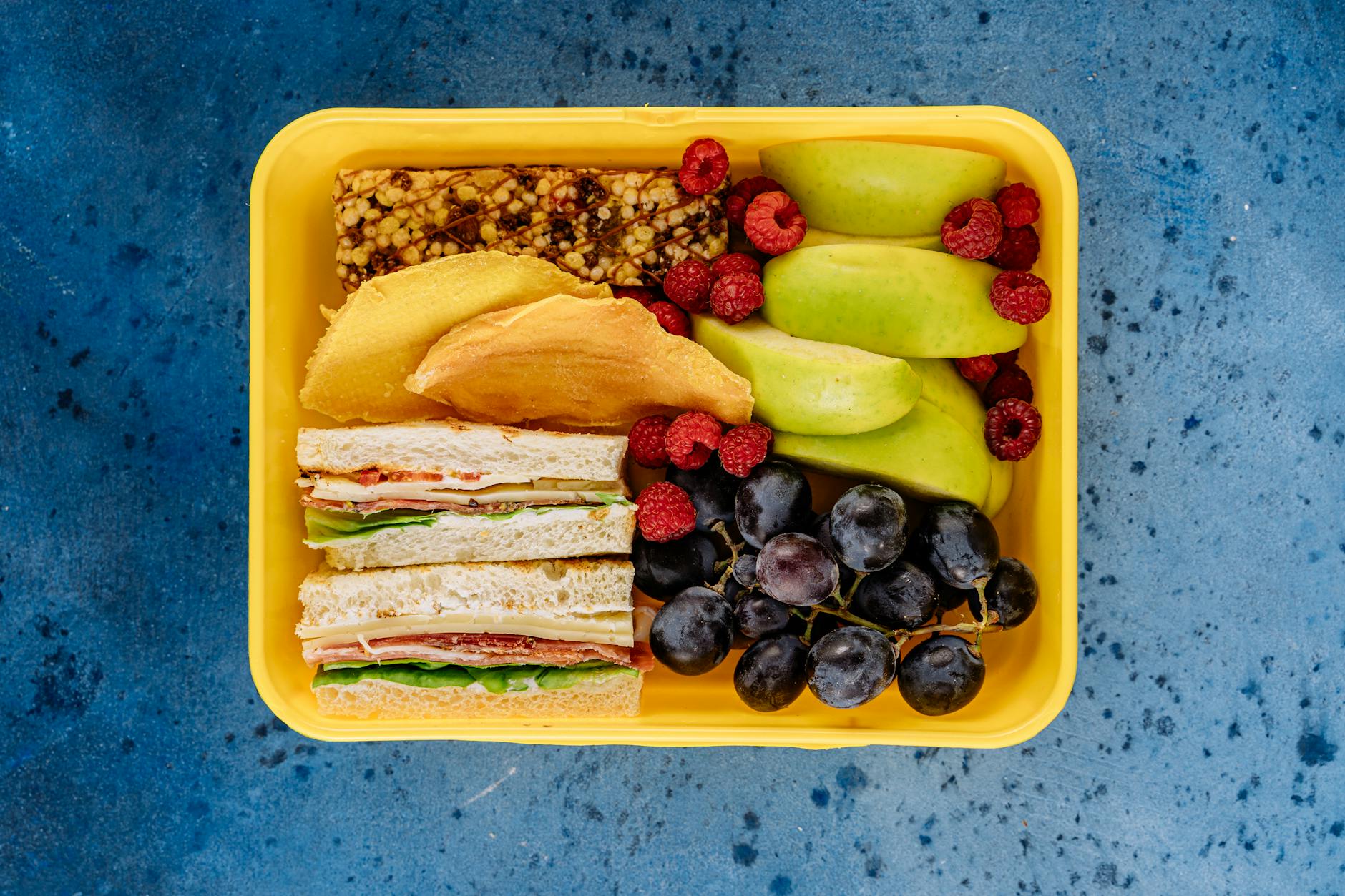
Dedicate an hour or two on the weekend to prep. Wash and chop fruits and vegetables. Cook a batch of grains like quinoa or brown rice. Hard-boil eggs. Make a big batch of chicken salad or lentil soup. Store these components in airtight containers in the fridge. Then, in the morning, it’s just a matter of assembling. This is a game-changer for busy weeknights and mornings. It transforms what feels like a daily struggle into a quick assembly process.
Batch Cooking Proteins
Grill or bake a few chicken breasts, some salmon, or a batch of tofu. These can be sliced for sandwiches, added to salads, or served alongside grains and veggies. Even simple roasted chickpeas can be a great protein-packed addition. If you're looking for something quick and flavorful, consider a Mediterranean Chicken Recipe that can be prepped ahead and enjoyed cold.
Embrace Leftovers
Don't underestimate the power of dinner leftovers! If you made a healthy stir-fry, lentil stew, or pasta dish, pack a portion for lunch the next day. This is one of the easiest ways to ensure you're sending nutritious food without extra effort. It's a win-win for everyone.
Smart Snack Choices
Beyond the main meal, think about nutritious snacks. Fruit, yogurt, cheese sticks, a small handful of nuts or seeds (if allowed), or veggie sticks with hummus are all great options. These provide sustained energy between meals and prevent those mid-afternoon hunger pangs. If you're managing blood sugar, keeping Diabetic Snack Ideas in mind can be beneficial for the whole family.
Nutritious Lunchbox Ideas for Every Week
Variety is key to keeping things interesting and ensuring a broad range of nutrients. Here are some ideas to get your creative juices flowing, covering different categories and making your school lunch menu ideas more dynamic.
The "Build-Your-Own" Bowl
This is a fantastic way to use up various ingredients. Start with a base of cooked quinoa, brown rice, or even mixed greens. Add a protein like grilled chicken, chickpeas, or black beans. Top with chopped veggies like bell peppers, corn, and cucumbers. A drizzle of a simple vinaigrette or a dollop of salsa completes it. This is infinitely adaptable and a great way to use up odds and ends from the fridge.
Pasta Salad Powerhouse
Whole-wheat pasta tossed with chopped vegetables (broccoli florets, cherry tomatoes, bell peppers), a lean protein (cubed chicken, tuna, or white beans), and a light dressing made with olive oil and lemon juice. You can add a sprinkle of cheese or some Kalamata olives for extra flavor. It’s a hearty and satisfying option.
Soup and Sandwich Combos
A thermos of homemade soup (lentil, vegetable, chicken noodle) paired with a half sandwich on whole-wheat bread can be a comforting and nutritious lunch. Use lean meats, cheese, or hummus for the sandwich filling. This is especially great for colder months.
Homemade Lunchables (The Healthy Way!)
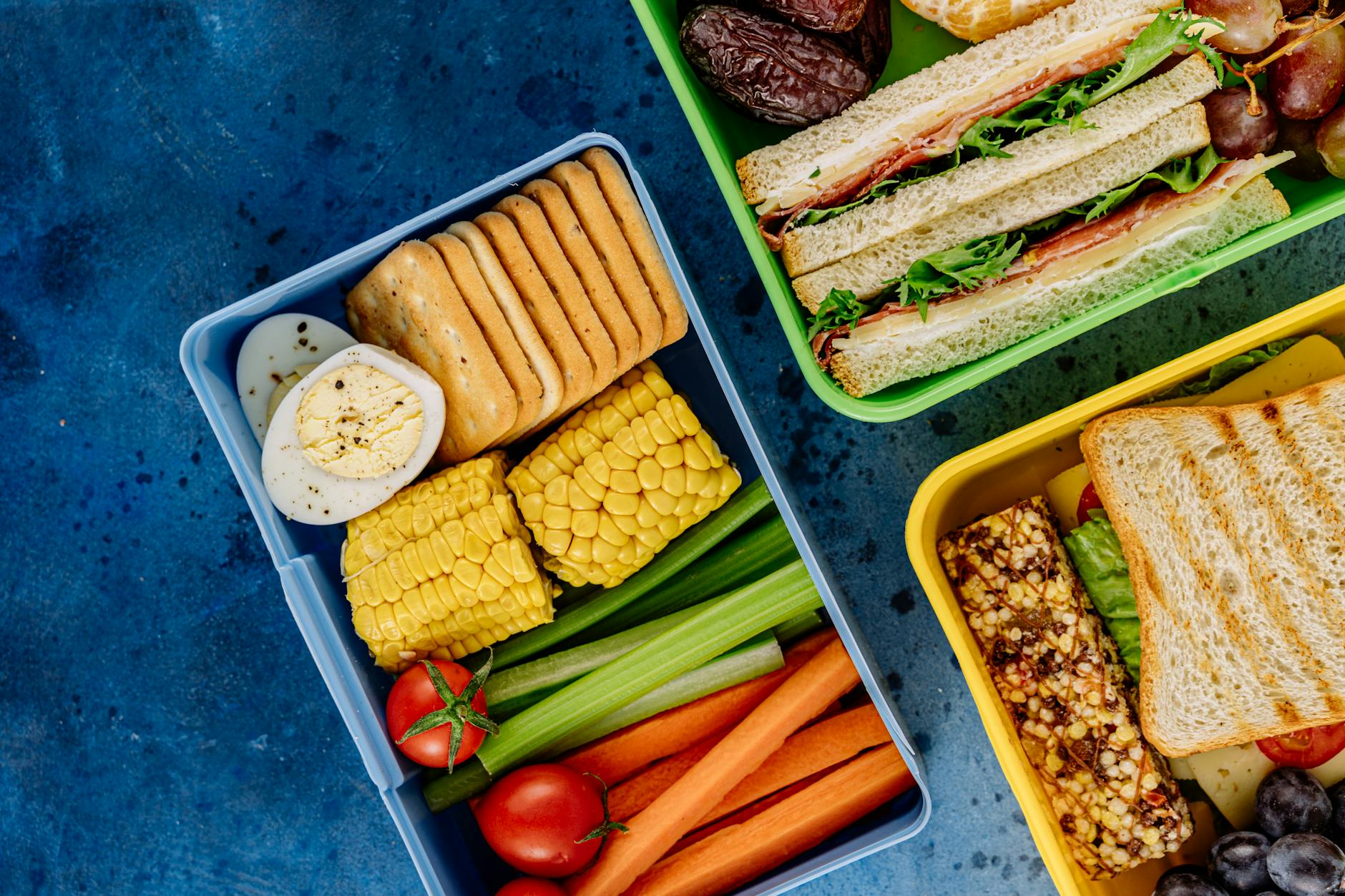
Instead of relying on pre-packaged versions, create your own! Include whole-wheat crackers, cheese cubes or slices, lean deli meat or hard-boiled eggs, and a side of fruit or veggie sticks. It offers the same fun presentation as a store-bought lunchable but with far more control over the ingredients. These nutritious lunchbox ideas are perfect for kids who love variety.
Allergy-Friendly School Lunches and Special Considerations
Navigating allergies or dietary restrictions adds another layer to packing healthy school lunches. It requires careful attention to ingredients and clear communication with the school.
Understanding Common Allergens
Peanuts, tree nuts, dairy, eggs, soy, wheat, and fish are common allergens. If your child has an allergy, it's crucial to be vigilant about avoiding cross-contamination. Read labels meticulously. Many schools have policies in place to create nut-free zones, so it's essential to be aware of these. For these situations, Healthy Office Snacks often have great ideas that translate well to lunchboxes, focusing on fruit, veggies, and seed-based alternatives.
Creative Substitutions
For nut allergies, sunflower seed butter is a great substitute for peanut butter. For dairy allergies, there are many plant-based milk and yogurt alternatives. If gluten is an issue, opt for gluten-free pasta, bread, or grain bowls. The goal is to find delicious and satisfying alternatives so that no one feels left out.
Communicating with the School
Always inform the school nurse and your child's teacher about any allergies or dietary needs. Pack clear labels on food containers if necessary. Knowing the school's policies on food sharing and preparation can also be very helpful. This ensures that your child’s lunch is not only healthy but also safe.
Ultimately, creating healthy school lunches is an ongoing process, not a one-time fix. It’s about making small, consistent choices that add up. Don't aim for perfection; aim for nourishing your child with foods that will help them learn, grow, and feel their best. You've got this!