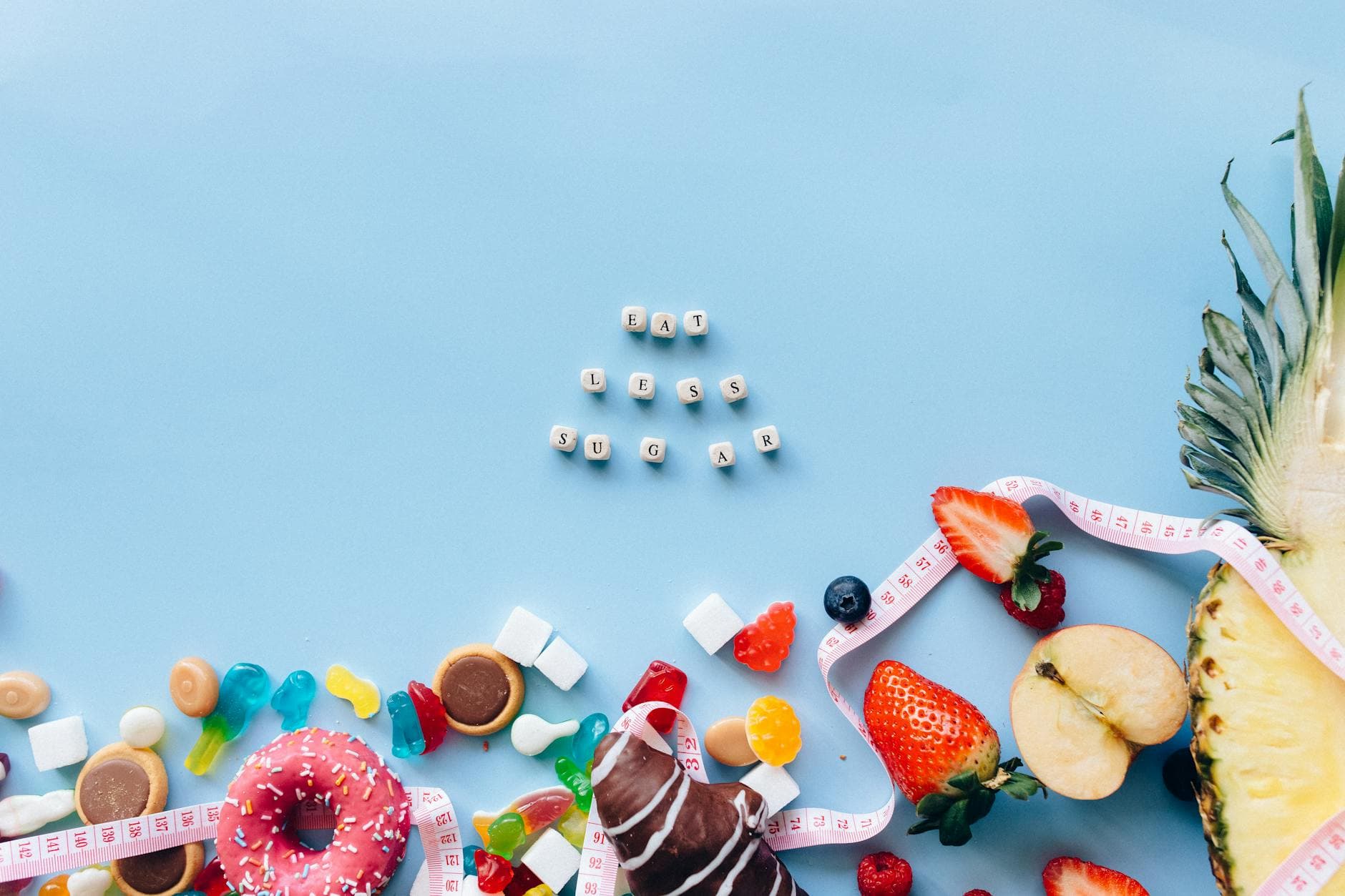
What if I told you that achieving a truly healthy way of eating wasn't about deprivation, impossible restrictions, or chasing the latest fad? What if it was about discovering a sustainable, joyful relationship with food that actually makes you feel incredible, inside and out? For years, I’ve seen people struggle, myself included, trying to navigate the confusing world of nutrition, often feeling like they're failing before they even start. But it doesn't have to be that way. I'm here to share some practical, no-nonsense healthy diet tips that come from genuine experience and a deep desire to help you thrive.
Here's the thing: true health isn't a destination you arrive at after a grueling journey; it's a collection of small, consistent choices that build momentum. It's about empowering yourself with knowledge, understanding your body, and making choices that serve your long-term well-being. Forget everything you think you know about "dieting" and let's talk about building a life where healthy food is a source of energy, pleasure, and vitality.
Rethinking Your Plate: Beyond the Basics of Healthy Food Choices
You've probably heard it a million times: "Eat more fruits and vegetables." And yes, that's absolutely true! But it's also a bit simplistic, isn't it? Making healthy food choices goes deeper than just knowing what's good for you; it's about understanding why and how to integrate these foods into your daily life in a way that feels natural and satisfying.
Prioritizing Whole, Unprocessed Foods
Honestly, this is the cornerstone of everything. When you strip away all the marketing hype and conflicting information, the most powerful thing you can do for your health is to focus on real, whole foods. Think about what your great-grandmother would recognize as food – fresh produce, lean proteins, whole grains, nuts, and seeds. These foods are packed with the nutrients, fiber, and goodness your body truly needs.
I'll be real with you: processed foods, with their added sugars, unhealthy fats, and artificial ingredients, are designed to be hyper-palatable and addictive. They offer quick energy but little lasting nutritional value, often leading to energy crashes and cravings. Shifting away from them isn't always easy, but the difference in how you feel is profound.
Embracing a Rainbow of Produce
This one surprised me when I first started digging into nutrition science. It's not just about eating *any* vegetable; it's about eating a wide variety. Each color in fruits and vegetables represents different antioxidants and phytonutrients, all working together to protect your body.
Think about the last time you consciously tried to eat every color of the rainbow in a day or a week. Most people fall into a rut, eating the same few things. Challenge yourself to try a new fruit or vegetable every week. You might discover a new favorite! This variety supports your gut health, boosts your immune system, and provides a broader spectrum of essential vitamins and minerals, as highlighted by World Health Organization research on healthy diet tips.
Understanding Protein and Healthy Fats
Protein isn't just for bodybuilders; it's crucial for satiety, muscle repair, and countless bodily functions. Aim for a source of lean protein at every meal – chicken, fish, beans, lentils, eggs, or Greek yogurt. This helps keep you full and prevents those dreaded energy slumps.
And let's talk about fats. For too long, fats were demonized, but healthy fats are absolutely essential. Avocados, nuts, seeds, olive oil, and fatty fish like salmon provide vital omega-3s, support brain health, and help absorb fat-soluble vitamins. Don't fear them; embrace them in moderation.
The Power of Preparation: Simple Diet Tips for Success
Look, I get it. Life is busy. Between work, family, and everything else, finding time to cook healthy meals can feel like another chore. But I promise you, a little bit of foresight and preparation can completely revolutionize your healthy eating journey. These easy diet tips are about making healthy choices the default, not an uphill battle.
Mastering the Art of Meal Planning
If there's one habit that changed my own relationship with food, it's meal planning. It's not about being rigid; it's about having a general idea of what you'll eat, which drastically reduces decision fatigue and impulse buys. On Sunday, spend 30 minutes sketching out your meals for the week. This includes breakfast, lunch, dinner, and even healthy snacks.
You might be wondering, "Where do I even start?" Begin with your dinners, then think about how leftovers can become lunches. For breakfast, consider simple, repeatable options. For instance, I love making a big batch of overnight oats or stocking up on ingredients for a quick Healthy Breakfast Sandwich. Having a plan means you walk into the grocery store with a purpose and aren't left staring into an empty fridge at 6 PM, wondering what to do.
Batch Cooking for Busy Lives
Once you have your meal plan, batch cooking is your secret weapon. Dedicate an hour or two on a specific day (for me, it's Sunday afternoon) to prep ingredients or cook entire meals. Roast a big tray of vegetables, cook a large batch of quinoa or brown rice, grill some chicken breasts, or prepare a big pot of soup.
Having these components ready makes assembly during the week a breeze. Suddenly, throwing together a nutritious lunch or dinner takes minutes, not an hour. This strategy is particularly helpful for Delicious Low Carb Ground Beef Recipes, where you can cook the meat in advance and use it in various meals.
Smart Snacking and Hydration
Snacks get a bad rap, but they can be a crucial part of a healthy diet, especially if you choose wisely. The key is to have Healthy Snacks Near Me: Find Delicious & Nutritious Options readily available. Think fruit, a handful of nuts, Greek yogurt, or veggie sticks with hummus. These bridge the gap between meals, preventing you from getting ravenously hungry and overeating later.
Hydration is another simple but often overlooked aspect. Our bodies are mostly water, and every single bodily function depends on it. Often, what we perceive as hunger is actually thirst. Keep a water bottle handy and sip throughout the day. Aim for at least 8 glasses, more if you're active. Water aids digestion, nutrient absorption, and helps you feel more energetic.

Mindful Eating: Beyond What You Eat, How You Eat
One of the most profound shifts in my own journey, and something I always emphasize in my nutrition advice, is the concept of mindful eating. It's not just about the food on your plate; it's about your awareness, your environment, and your relationship with that food. This approach offers some of the best diet tips for sustainable weight loss and overall well-being.
Slowing Down and Savoring
How often do you eat while distracted – scrolling on your phone, watching TV, or working? Chances are, it's pretty often. When we eat mindlessly, we're disconnected from our body's hunger and fullness cues. We often eat faster, chew less, and ultimately consume more than we need, without truly enjoying it.
Try this: for just one meal today, put away all distractions. Focus on the colors, textures, and smells of your food. Chew slowly. Notice how your body feels as you eat. This simple practice can dramatically improve your digestion and help you recognize when you're truly satisfied, not just full.
Understanding Portion Control Without Obsession
I used to think portion control meant meticulously weighing and measuring everything. While that can be useful for specific goals, it's not sustainable for most people long-term. Instead, I advocate for a more intuitive approach based on visual cues and listening to your body.
Here's a simple trick: use smaller plates. It's a psychological hack that makes your meal look more substantial. Also, familiarize yourself with general portion sizes using your hand as a guide – a palm-sized piece of protein, a cupped hand of grains, and two cupped hands of vegetables. The Centers for Disease Control and Prevention research on healthy diet tips often emphasizes visual cues for portion management. It’s about being aware, not obsessive.
Listening to Your Body's Hunger and Fullness Cues
This is perhaps the most crucial aspect of mindful eating. Our bodies are incredibly intelligent, sending us signals about hunger and satiety. The problem is, we often override them with external cues – finishing everything on our plate, eating because it's "time," or emotional eating.
Before you eat, ask yourself: Am I truly hungry? What kind of hungry am I? (Is it a craving, or actual physical hunger?) While eating, regularly check in: Am I still enjoying this? Am I feeling comfortably full, or am I pushing past that point? Learning to trust these internal signals is a game-changer for long-term health and sustainable weight loss.
Beyond Food: Building Healthy Lifestyle Habits
When people ask me for the best diet tips, I always tell them it's not just about food. Our diet is inextricably linked to our entire lifestyle. Dieting tips for beginners often overlook these crucial elements, but they are foundational to lasting success and overall well-being.
The Essential Role of Sleep
This is my personal soapbox, honestly. If you're not getting enough quality sleep, your healthy eating efforts are fighting an uphill battle. Lack of sleep messes with your hunger hormones (ghrelin and leptin), making you hungrier, especially for high-carb, high-sugar foods, and less satisfied after eating. It also impacts your willpower and energy levels, making it harder to make good choices.
Aim for 7-9 hours of quality sleep each night. Establish a consistent bedtime routine, make your bedroom dark and cool, and limit screen time before bed. You'll be amazed at how much easier it is to stick to your healthy eating goals when you're well-rested.
Moving Your Body Joyfully
I'm not talking about punishing yourself with workouts you hate. I'm talking about finding ways to move your body that you actually enjoy. Whether it's dancing, walking in nature, cycling, swimming, or playing with your kids, physical activity is vital. It boosts your mood, improves energy levels, strengthens your body, and complements your healthy eating.
Even small bursts of activity add up. Take the stairs, park further away, go for a brisk 15-minute walk during your lunch break. The goal is consistency, not intensity. This is a key component of a truly healthy lifestyle, as supported by Mayo Clinic research on healthy diet tips.
Managing Stress and Emotional Eating
This is a big one, and often overlooked when discussing healthy diet tips. Stress, anxiety, boredom, and sadness can all trigger emotional eating. We reach for comfort foods not because we're physically hungry, but because we're seeking emotional solace.
Becoming aware of your emotional eating triggers is the first step. Then, develop alternative coping mechanisms: call a friend, go for a walk, listen to music, meditate, or engage in a hobby. It takes practice, but learning to separate your emotions from your plate is transformative for both your physical and mental health. Recognize that food is fuel and pleasure, but not a therapist.
My Personal Take: Why "Diet" is a Four-Letter Word (Sometimes)
For years, I approached food with a "diet mentality." I’d jump from one restrictive plan to another, always looking for the quickest way to lose weight fast. I’d cut out entire food groups, feel deprived, inevitably "fall off the wagon," and then beat myself up about it. It was an exhausting, self-defeating cycle, and honestly, it made me miserable. I used to think the only way to be healthy was to suffer through it.
But here’s my opinion, forged from years of personal struggle and professional learning: the word "diet" itself often sets us up for failure because it implies a temporary state of restriction, rather than a permanent lifestyle change. The most effective, sustainable weight loss and true health come from building habits you can stick with for life. It's about finding what nourishes your body and soul, what makes you feel vibrant, and what you genuinely enjoy eating.
It’s not about perfection; it’s about progress. It’s about understanding that one "unhealthy" meal doesn't derail your entire journey, just as one healthy meal doesn't magically fix everything. It's about consistency, self-compassion, and a commitment to learning what truly works for *your* unique body. That, to me, is the real secret to lasting health.
Embarking on a journey to better health doesn't require a complete overhaul overnight. It starts with one small, intentional step. Choose one or two of these healthy diet tips that resonate most with you and commit to implementing them this week. Maybe it's adding a serving of vegetables to every meal, planning your breakfasts, or simply drinking more water. Give yourself grace, celebrate your small victories, and remember that every positive choice is a step towards a healthier, happier you. You've got this, and I'm genuinely rooting for you.