
I remember standing in the snack aisle, utterly defeated. My kids were begging for chips, and I was torn between their pleas and my desire to feed them something nutritious. It felt like a constant battle, a compromise I dreaded every single week. Then, I started digging. I wanted to find a way to satisfy that crunchy craving without derailing our healthy eating goals. This quest led me down a rabbit hole of ingredients, cooking methods, and surprisingly delicious alternatives. The good news? It’s absolutely possible to find or make genuinely healthy chips that everyone will love.
Navigating the "Healthy Chips" Minefield
The term "healthy chips" itself can be a bit of a marketing ploy, can't it? You see bags plastered with claims of being "baked," "low-fat," or "made with real vegetables," and you hope for the best. But here's the thing: not all chips are created equal, and what one person considers healthy, another might not. My approach has always been to look beyond the buzzwords and understand what actually goes into our food.
Decoding the Labels
When you pick up a bag, what should you be looking for? It’s more than just the calorie count. I always scan the ingredient list first. If I can't pronounce half of what's on there, it's usually a red flag. Look for whole food ingredients, minimal processing, and a good balance of macronutrients if possible.
You've probably noticed that many "healthy" options still pack a surprising amount of sodium. While a little salt is fine, excessive amounts can contribute to high blood pressure. The Centers for Disease Control and Prevention research on healthy chips consistently points to sodium as a major concern in processed snacks.
The Calorie Conundrum
Low calorie chips are often the first thing people seek out when trying to be healthier. It's a valid concern, especially if you're watching your weight. However, sometimes low-calorie options achieve this by sacrificing flavor or using artificial ingredients, which isn't ideal either. The goal isn't just to eat less, but to eat *better*.
Think about the last time you ate a handful of something that was "low-calorie" but unsatisfying. You likely reached for more soon after. True satisfaction comes from nutrient-dense foods that keep you full and energized. That's why understanding the nutritional profile beyond just calories is so important for finding truly healthy chips.
The Best Healthy Chips: My Top Picks
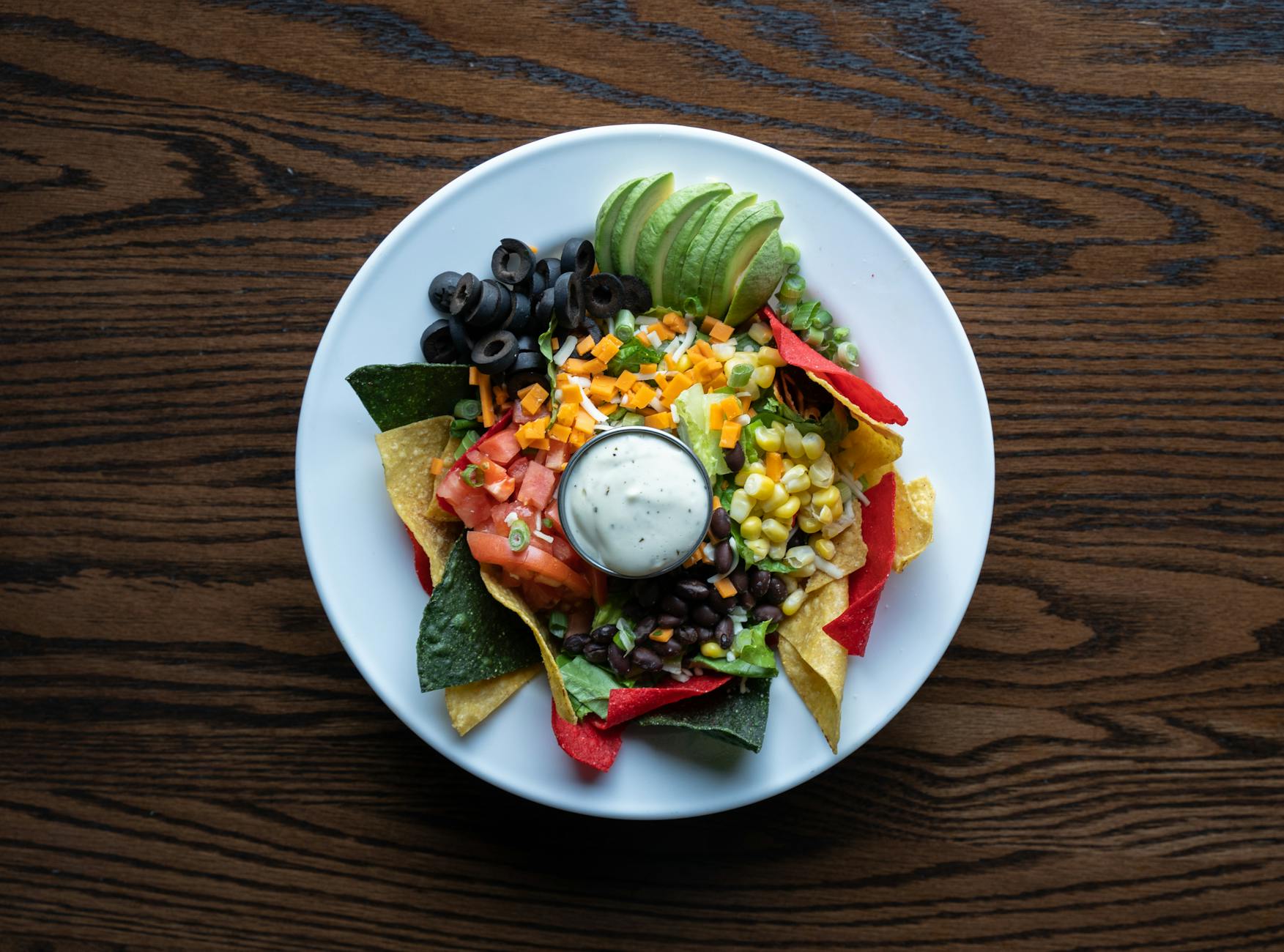
After years of testing and tasting, I’ve found a few store-bought options that consistently hit the mark for healthy chips. These are the ones I feel good about keeping in my pantry for those moments when a quick snack is needed, and I haven't had time to prep something homemade.
Veggie Chips That Actually Taste Good
Veggie chips were a revelation for me. The idea of getting more vegetables in a crunchy format was incredibly appealing. Some brands use a medley of root vegetables like sweet potato, beet, and parsnip, which offer a lovely natural sweetness and a good dose of fiber. I’ll be real with you, some early versions were oily and bland, but the market has evolved.
One of my favorites is made from baked kale or sweet potato. These often have simple ingredient lists: the vegetable, a healthy oil (like olive or avocado), and a pinch of salt and pepper. They provide vitamins and minerals that you just don't get from traditional potato chips.
The Rise of Lentil and Bean-Based Snacks
This is where things got really interesting for me. Lentil and bean-based chips are fantastic because they offer a significant protein and fiber boost. This makes them incredibly satiating, meaning you're less likely to overeat. They often have a satisfying crunch and a mild, pleasant flavor that pairs well with dips.
I used to think bean-based snacks would have a strong, earthy taste, but I was pleasantly surprised. Brands that use simple seasonings and high-quality ingredients can create a product that rivals traditional chips in taste and texture. This one surprised me with how versatile it is – great on its own or crumbled over a salad.
Beyond Potato: Exploring Other Whole Food Options
Don't limit yourself to just potato. Many companies are now making chips from ingredients like cassava, plantains, or even seaweed. These offer different flavor profiles and nutritional benefits. For example, seaweed snacks are packed with iodine and other minerals.
When looking for these alternatives, again, check the ingredients. Some plantain chips can be fried in less-than-ideal oils, so opt for baked or lightly fried versions. The key is to find snacks that use whole, recognizable ingredients as their base.
Homemade Chips: The Ultimate Control
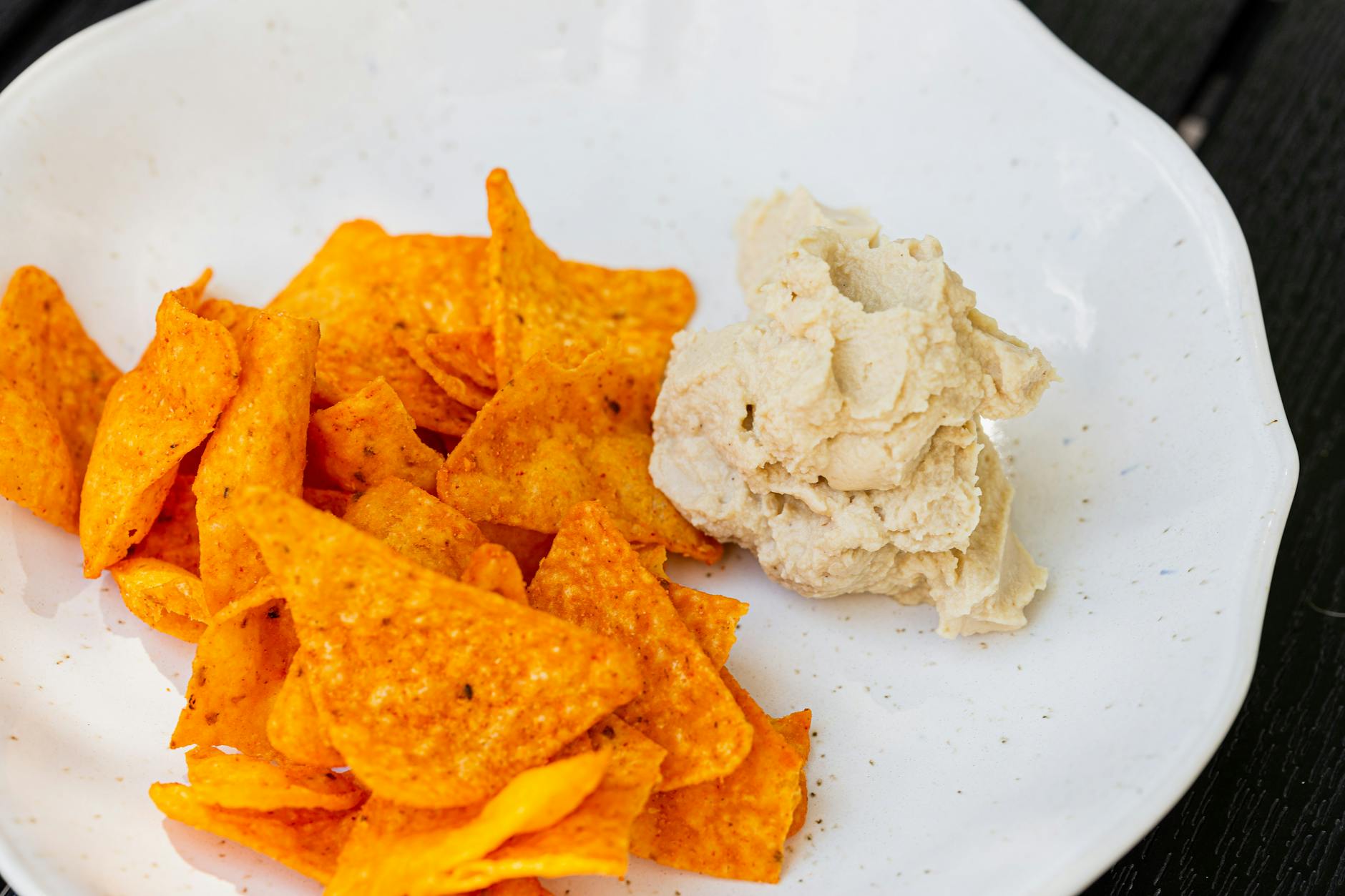
Honestly, if you want the absolute best healthy chips, making them yourself is the way to go. It gives you complete control over the ingredients, the cooking method, and the seasoning. Plus, it's often more cost-effective and incredibly rewarding!
Air Fryer Chips: A Game Changer
My air fryer has become my best friend in the kitchen, especially for making guilt-free snacks. You can achieve a fantastic crispy texture with a fraction of the oil used in traditional frying. You can make potato, sweet potato, zucchini, or even apple chips in an air fryer.
Here's a simple method: slice your chosen vegetable thinly (a mandoline slicer is your friend here!). Toss with a tablespoon of olive oil or avocado oil, salt, pepper, and any other desired spices (paprika, garlic powder, or even a touch of cinnamon for apple chips). Arrange in a single layer in your air fryer basket and cook at around 375°F (190°C) for 10-15 minutes, flipping halfway through, until golden and crispy. This method is so quick and yields amazing results. I often make a batch of Mediterranean diet plan-friendly zucchini chips with a sprinkle of za'atar.
Oven-Baked Wonders
If you don't have an air fryer, your oven is still a powerful tool. Similar to the air fryer method, thinly slice your vegetables, toss with a little oil and seasonings, and spread them in a single layer on a baking sheet lined with parchment paper. Bake at a moderate temperature, around 300-350°F (150-175°C), for 20-40 minutes, depending on the thickness and type of vegetable, flipping occasionally. Keep a close eye on them, as they can go from perfectly crisp to burnt very quickly.
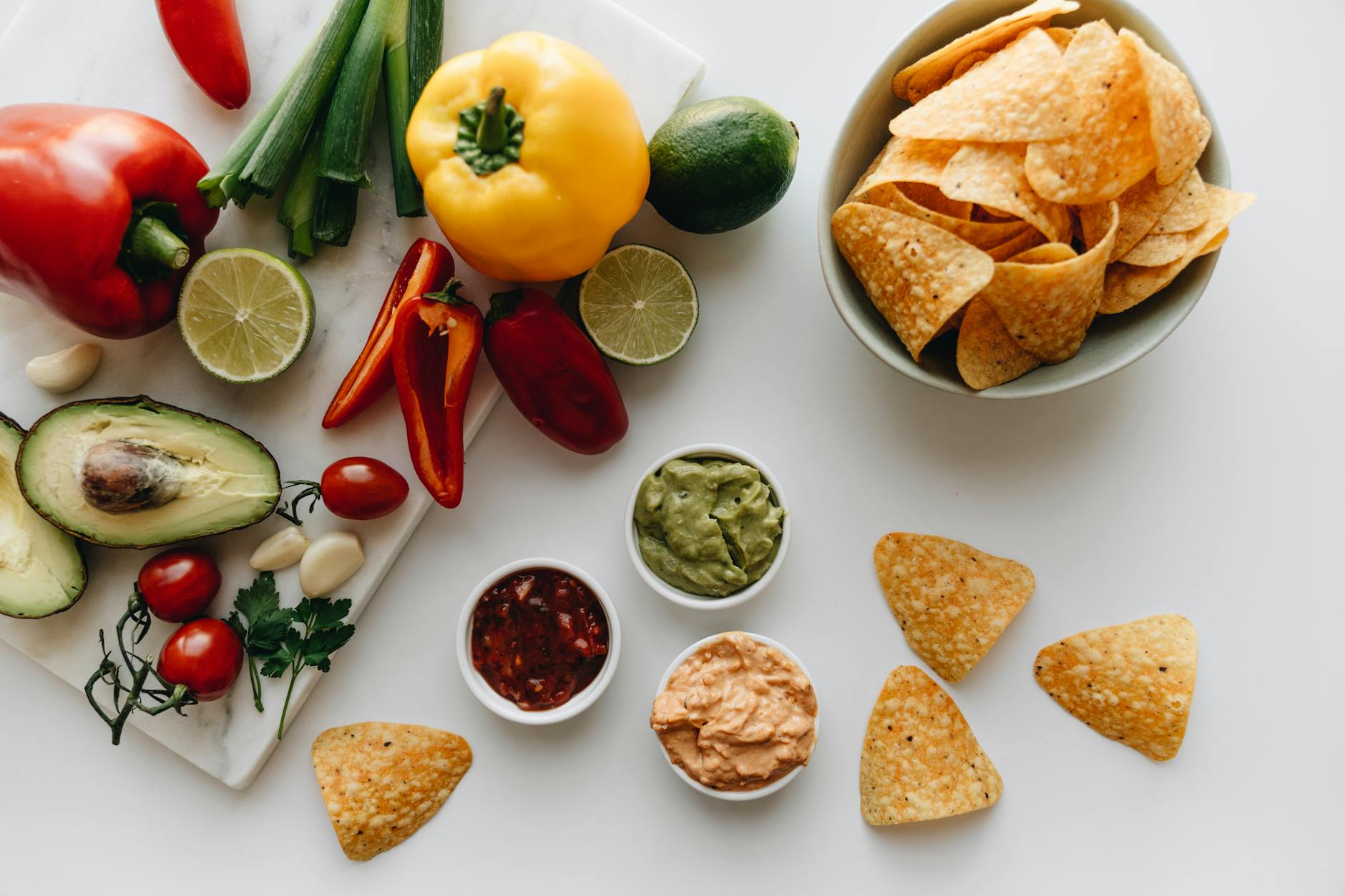
This technique is fantastic for creating nutrient-dense snacks. For instance, beetroot chips baked this way are packed with antioxidants and have a beautiful, earthy flavor. They are a perfect addition to a healthy snack platter alongside some hummus and olives, much like you'd find in a Mediterranean salad recipe.
Beyond the Potato: Creative Homemade Ideas
Don't be afraid to experiment! You can make delicious chips from things you might not expect. Think about thinly sliced parsnips, carrots, or even jicama for a refreshing crunch. For a sweeter option, thinly sliced apples or pears, baked until crisp, make a wonderful treat.
One of my go-to homemade snacks is a mix of baked sweet potato and zucchini chips. They offer a variety of nutrients and textures. I often serve these alongside a healthy main course, like a healthy dinner for two, or pack them for lunch. The possibilities for whole food snacks are truly endless when you start thinking outside the potato box.
The Role of "Diet Snacks" and Nutrient Density
When we talk about healthy chips, it's important to consider the broader context of our snacking habits. Are we reaching for snacks that truly nourish us, or just filling a void? The concept of "diet snacks" can sometimes lead us down a path of highly processed, low-calorie items that lack real nutritional value.
Prioritizing Nutrient-Dense Options
My philosophy has always been to focus on nutrient-dense foods. This means foods that provide a lot of vitamins, minerals, fiber, and antioxidants for their calorie content. Even a small portion of a nutrient-dense snack can be far more satisfying and beneficial than a larger portion of something less nutritious.
Consider the difference between a bag of standard potato chips and a handful of baked sweet potato chips. The sweet potato chips offer beta-carotene, fiber, and a complex carbohydrate profile, making them a superior choice for sustained energy. This aligns perfectly with the principles of a Dash Diet plan, which emphasizes whole, unprocessed foods.
Snack Ideas That Fuel Your Body
Healthy chips are just one piece of the puzzle. When I guide people toward better snacking, I encourage a variety of whole food snacks. This could include a small handful of almonds, a piece of fruit with a spoonful of nut butter, Greek yogurt with berries, or even some hard-boiled eggs. These options provide protein and healthy fats, which are key for satiety and blood sugar balance.
The goal is to create a snacking pattern that supports your overall health and well-being, rather than sabotaging it. If chips are a craving you can't shake, finding or making healthier versions is a fantastic strategy. It’s about making smart swaps that align with your goals, not about deprivation.
Making Smart Swaps for Lasting Habits
The journey to healthier eating is rarely about drastic overhauls; it’s about consistent, small, smart swaps. Finding delicious and satisfying healthy chips is a perfect example of this. It’s about recognizing that you don’t have to give up everything you love, but rather finding better ways to enjoy it.
The Long-Term Benefits of Mindful Snacking
When you consistently choose nutrient-dense snacks, you’ll notice a difference. You’ll likely have more energy, better digestion, and a more stable mood. This creates a positive feedback loop, making it easier to continue making healthy choices. It's a sustainable approach that works, unlike restrictive diets that often lead to rebound cravings and weight gain.
The satisfaction you get from a truly healthy snack is different. It’s a quiet hum of well-being, not a fleeting sugar rush followed by a crash. This mindful approach extends to all areas of your diet, including when you're looking for that perfect crunchy bite. For more inspiration on this lifestyle, you might find the best Mediterranean cookbook recommendations helpful.
Embracing the "Guilt-Free" Mindset
Ultimately, the most important aspect of finding or making healthy chips is embracing the "guilt-free" mindset. When you know you've made a conscious choice that nourishes your body, you can enjoy that crunch without reservation. It’s about empowering yourself with knowledge and making choices that align with your health goals, one delicious chip at a time. The National Institutes of Health research on healthy chips often highlights the psychological benefits of mindful eating, which includes enjoying food without guilt.