
I remember a time, not so long ago, when my mornings felt like a race against the clock, fueled by lukewarm coffee and a vague sense of dread. Breakfast was an afterthought, often a sugary granola bar grabbed on the way out the door, or worse, skipped entirely. My energy would crash mid-morning, leaving me irritable and reaching for whatever processed snack was closest. It wasn't just about feeling tired; it was about feeling disconnected from my body, like I was constantly playing catch-up. I knew I needed a change, a real change, and that's when I started to truly explore the power of healthy breakfast eggs.
For years, I’d heard the whispers, the outdated warnings about cholesterol, the idea that eggs were something to be consumed in moderation, or even avoided. Honestly, I used to think of eggs as either a greasy diner staple or something reserved for a weekend brunch indulgence. But as I delved deeper into nutrition, sifting through studies and talking to experts, I realized how profoundly wrong I'd been. Eggs, prepared thoughtfully, are a cornerstone of a vibrant, energy-filled morning. They truly revolutionized my approach to the most important meal of the day.
My Journey to Truly Healthy Breakfast Eggs
The Early Morning Scramble (and the Mistakes I Made)
My initial attempts at a "healthy" breakfast with eggs weren't always perfect. I'd whip up a quick scramble, sure, but often with too much cheese, or paired with white toast and processed meats. I was missing the point entirely. The eggs themselves were fine, but the accompanying cast of characters often sabotaged their nutritional potential. I was still craving that mid-morning pick-me-up because I wasn't giving my body what it truly needed: sustained energy, fiber, and diverse micronutrients.
I remember one particular morning, rushing to get to an early client meeting. I threw together a quick egg and cheese sandwich on a bagel, thinking I was doing myself a favor. By 10 AM, my stomach was rumbling, and my focus was shot. That's when it hit me: "healthy" isn't just about the main ingredient; it's about the whole plate. It’s about how you build the meal around that star player. I needed to rethink my entire strategy for a truly healthy breakfast meal prep.
Cracking the Code: What "Healthy" Really Means
Here's the thing: "healthy" isn't a one-size-fits-all definition. For me, it means nourishment that fuels my body and mind without leaving me feeling heavy or sluggish. It means ingredients that are as close to their natural state as possible, packed with vitamins, minerals, and fiber. When it came to eggs, this meant moving beyond just frying them up and hoping for the best. It meant embracing vegetables, healthy fats, and whole grains as their partners in crime.
It’s about understanding the synergy of food. An egg alone is good, but an egg alongside a medley of colorful vegetables and a slice of avocado toast? That's where the magic happens. That's a meal that sustains you, keeps your blood sugar stable, and provides a spectrum of nutrients that work together. It's about intentional eating, not just consuming calories.
Why Eggs Deserve a Second Look
Look, for decades, eggs got a bad rap, mostly due to their cholesterol content. But extensive research, including studies highlighted by institutions like National Institutes of Health, has largely exonerated dietary cholesterol for most healthy individuals. The truth is, the body regulates its own cholesterol production, and for many, eating eggs doesn't significantly impact blood cholesterol levels in a negative way.
What eggs *do* offer is a powerhouse of nutrition. They’re a complete protein, meaning they contain all nine essential amino acids your body can't produce on its own. They're also loaded with vitamins like D, B12, and A, and minerals like selenium and choline. Choline, in particular, is a nutrient that’s vital for brain health and liver function, and many people don't get enough of it. So, when you're thinking about a truly beneficial start to your day, those humble eggs are punching well above their weight.
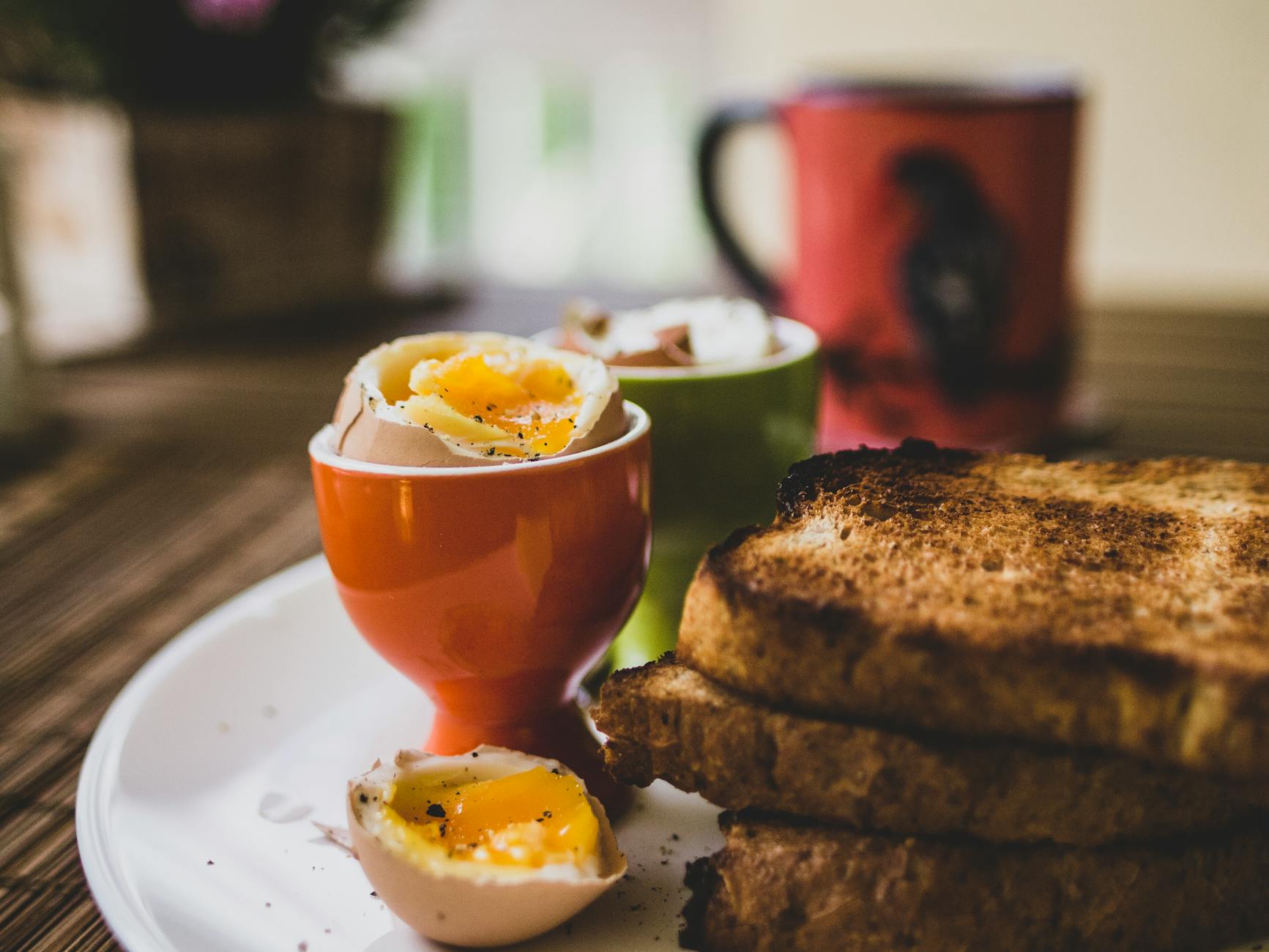
The Unsung Hero of Your Morning Plate: Why Eggs Are MVP
Protein Power: Fueling Your Day
Think about the last time you had a breakfast high in sugar and refined carbs. How long did that energy last? Not long, right? The beautiful thing about eggs is their incredible protein content. One large egg packs about 6 grams of high-quality protein. This isn't just about building muscle; protein is crucial for satiety. It keeps you feeling full longer, which means fewer cravings and more stable energy levels throughout your morning.
This sustained energy is particularly important if you're trying to manage your weight or simply avoid that mid-morning slump. A healthy breakfast for weight loss with eggs can be incredibly effective because protein slows down digestion, preventing those sharp spikes and crashes in blood sugar. For me, this was a game-changer. No more reaching for unhealthy snacks before lunch.
Beyond Protein: Vitamins and Minerals Galore
While protein often gets the spotlight, the nutritional density of eggs goes far beyond that. The yolk, especially, is a treasure trove. It's where you'll find fat-soluble vitamins like Vitamin D, which is essential for bone health and immune function, and Vitamin A, crucial for vision. You'll also get Vitamin B12, vital for nerve function and energy production, and riboflavin, another important B vitamin.
Then there's choline, as I mentioned earlier. Just two large eggs provide over 50% of your daily recommended intake. Choline supports brain development and memory, and it plays a role in detoxification processes in the liver. Selenium, another mineral found in eggs, acts as an antioxidant, protecting your cells from damage. Honestly, when you break it down, eggs are like a natural multivitamin wrapped in a convenient shell.
Debunking Cholesterol Myths (This one surprised me!)
I'll be real with you, for years, even I was wary of the cholesterol in eggs. It was deeply ingrained in the public consciousness. But the science has evolved dramatically. Modern research, supported by organizations like Harvard Health, indicates that for most people, dietary cholesterol has a minimal impact on blood cholesterol levels. Our bodies are incredibly smart; they adjust their internal cholesterol production based on what we eat.
It's saturated and trans fats, more so than dietary cholesterol, that tend to raise "bad" LDL cholesterol. So, if you're eating eggs alongside bacon, sausage, and buttered toast every morning, the eggs aren't the primary culprit. When you pair them with vegetables and healthy fats, you're getting all the benefits without the worry. This shift in understanding was truly liberating for me and allowed me to fully embrace eggs as a staple.
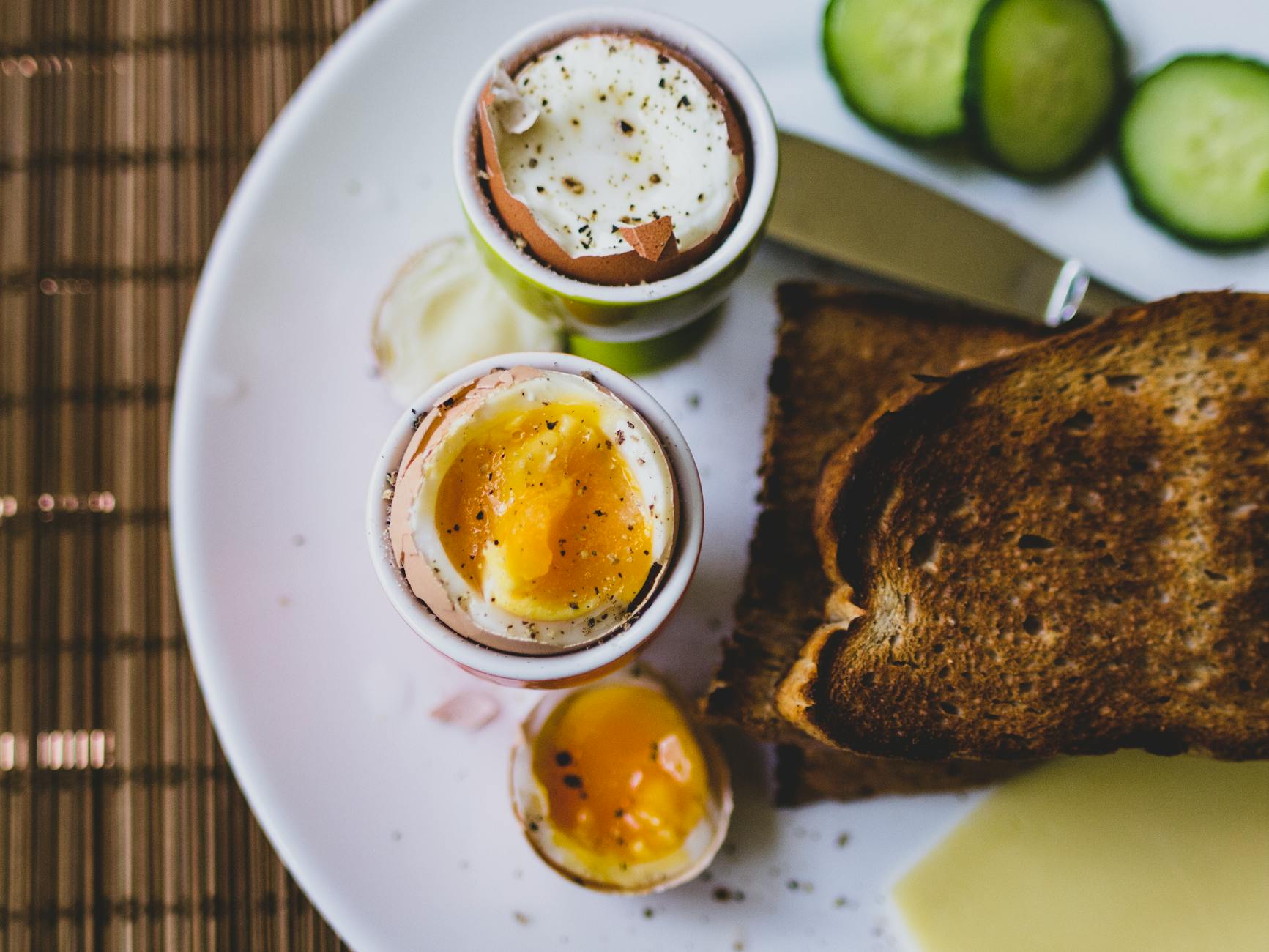
Crafting Your Perfect Healthy Egg Breakfast: It's Easier Than You Think
The Foundation: Quality Eggs Matter
You might be wondering, "Are all eggs created equal?" Not quite. While all eggs offer fantastic nutrition, choosing higher-quality eggs can make a difference. Look for pasture-raised or free-range eggs when possible. These chickens typically have access to outdoor spaces, forage for natural foods, and often produce eggs with richer yolks and a more robust nutrient profile, including higher levels of omega-3 fatty acids. This isn't just a marketing gimmick; it genuinely reflects the chicken's diet and environment.
I always encourage people to invest a little more here if their budget allows. You'll often taste the difference, and you'll know you're getting eggs from hens that lived a better life. This small choice can elevate your entire healthy breakfast ideas with eggs experience.
The Magic of Vegetables: Pairing for Peak Nutrition
This is where your healthy breakfast eggs really shine! Adding vegetables isn't just about adding bulk; it's about infusing your meal with fiber, antioxidants, and a rainbow of vitamins and minerals. Think about it: a plain egg scramble is good, but a vegetable egg scramble bursting with spinach, bell peppers, onions, and mushrooms? That's a powerhouse meal.
My personal rule of thumb is to aim for at least two different colors of vegetables with my eggs. Sautéed spinach and cherry tomatoes, finely diced zucchini and sweet potato, or even just a handful of mixed greens tossed in at the end. These additions transform a simple egg dish into a complete, balanced, and incredibly satisfying meal. It’s an easy way to boost your nutrient intake right from the start of your day.
Smart Fat Choices: Avocado, Olive Oil, and More
While eggs contain some healthy fats, pairing them with additional good fats enhances satiety and helps your body absorb those fat-soluble vitamins. Avocado is a fantastic choice, providing monounsaturated fats, fiber, and potassium. A sliced avocado alongside your eggs or mashed onto whole-grain toast with a fried egg on top is pure perfection.
Another excellent option is to cook your eggs in a good quality olive oil or avocado oil, rather than butter or highly processed vegetable oils. These oils offer their own health benefits and contribute to a well-rounded fat profile. A drizzle of extra virgin olive oil over your finished eggs also adds a lovely flavor. These smart fat choices make a huge difference in how your body processes and utilizes the nutrients in your high protein egg breakfast.
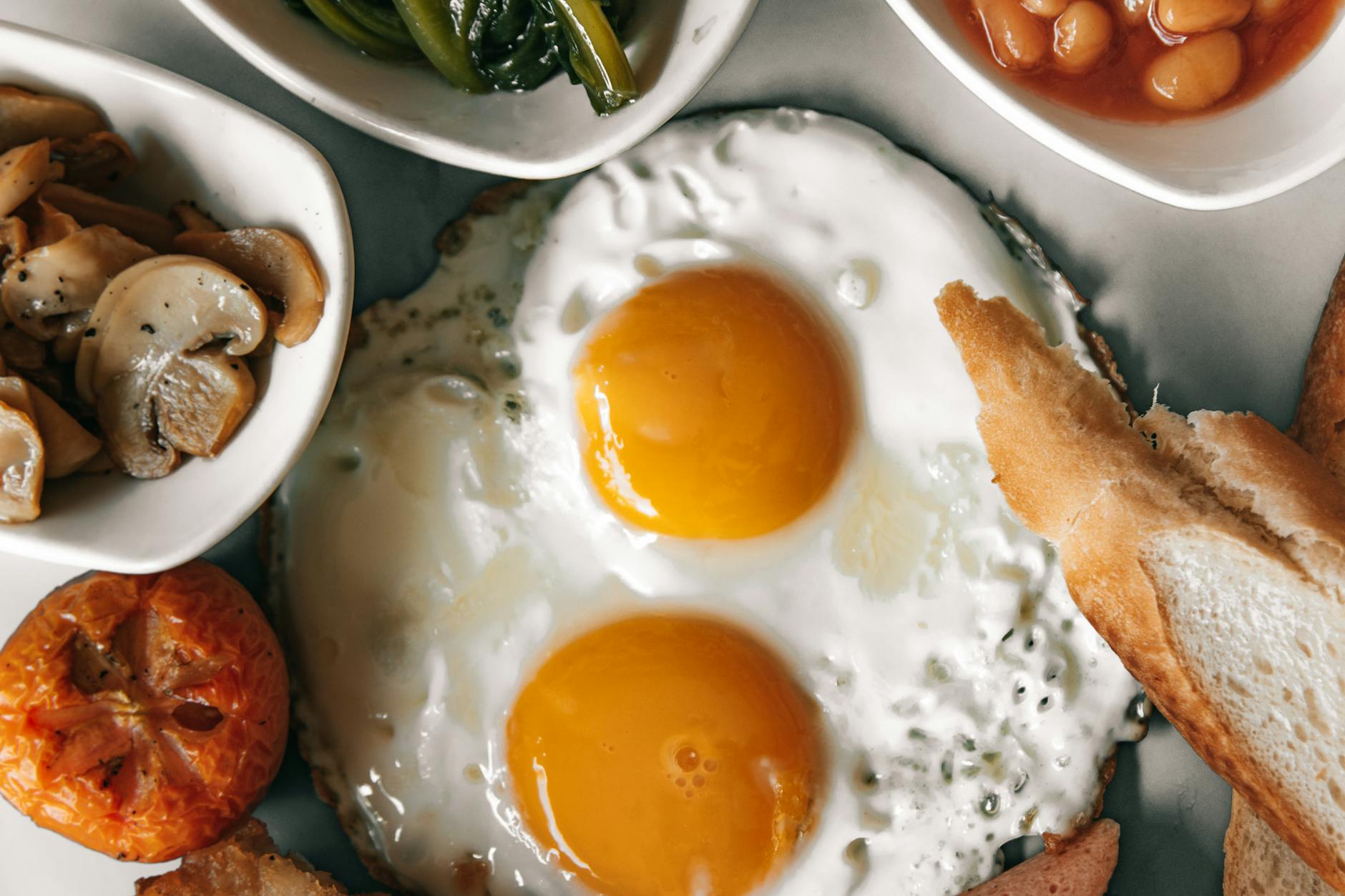
Quick, Easy, and Delicious: My Go-To Healthy Egg Breakfast Recipes
The Ultimate Veggie Scramble
This is my absolute favorite healthy egg breakfast recipes for a busy morning because it's so adaptable. You can literally use whatever vegetables you have on hand. It's a fantastic way to clear out those lingering bits in your fridge and ensure nothing goes to waste. Plus, it’s packed with flavor and nutrients.
Lisa's Speedy Scramble Method
- Heat a drizzle of olive oil in a non-stick pan over medium heat.
- Add finely diced onions, bell peppers, and mushrooms. Sauté until softened, about 3-5 minutes.
- Toss in a handful of spinach or kale; cook until wilted.
- Whisk 2-3 eggs (or a mix of whole eggs and egg whites breakfast recipes for a lighter option) with a splash of milk or water, salt, and pepper.
- Pour the egg mixture over the vegetables. Stir gently as the eggs set, until cooked to your desired consistency.
- Serve immediately, perhaps with a sprinkle of fresh herbs or a dash of hot sauce. This is a truly quick healthy egg breakfast.
Avocado Toast with a Sunny-Side Twist
This recipe is a classic for a reason, and it’s one of my favorite avocado and egg breakfast combinations. It's satisfying, visually appealing, and incredibly nutritious. The healthy fats from the avocado pair beautifully with the protein from the egg, and the whole-grain toast provides complex carbohydrates for sustained energy.
- Toast a slice of good quality whole-grain bread.
- While it's toasting, mash half an avocado with a fork, season with a pinch of salt, pepper, and a squeeze of lemon juice.
- In a separate pan, cook one or two eggs sunny-side up, over easy, or poached – whatever you prefer.
- Spread the mashed avocado generously onto the toast.
- Carefully place the cooked egg on top of the avocado.
- Finish with a sprinkle of chili flakes, everything bagel seasoning, or fresh cilantro. This is an incredibly easy healthy egg breakfast that feels gourmet.
Baked Egg Muffins: The Ultimate Meal Prep Hack
For those super busy weeks, these egg muffins are a lifesaver. They're perfect for healthy breakfast meal prep. You can make a batch on Sunday, and have a grab-and-go healthy egg breakfast for several days. They’re also endlessly customizable.
- Preheat your oven to 350°F (175°C). Lightly grease a muffin tin.
- Chop your favorite vegetables (bell peppers, spinach, onions, mushrooms, cooked sweet potato).
- Whisk 8-10 eggs (or a mix of whole eggs and egg whites) with a splash of milk, salt, and pepper.
- Divide the chopped vegetables among the muffin cups.
- Pour the egg mixture over the vegetables, filling each cup about two-thirds full.
- Bake for 18-22 minutes, or until the eggs are set and lightly golden.
- Let cool, then store in an airtight container in the fridge. Reheat in the microwave or toaster oven for a speedy, protein rich breakfast recipes.

Beyond the Basics: Elevating Your Healthy Egg Breakfast Game
Flavor Boosters: Herbs, Spices, and Fermented Foods
Don't let your eggs be bland! Herbs and spices are your best friends for adding incredible flavor without extra calories or unhealthy fats. Fresh chives, parsley, dill, or cilantro chopped and stirred into your scramble or sprinkled over a fried egg make a world of difference. For spices, think turmeric (great anti-inflammatory benefits!), smoked paprika, or a pinch of cumin. A dash of red pepper flakes adds a nice kick.
Consider adding a small side of fermented foods like kimchi or sauerkraut. These not only provide a tangy, savory counterpoint but also deliver beneficial probiotics for gut health. This is a simple step, but it truly elevates the meal, transforming it from merely nutritious to delightfully delicious. It's about making your healthy breakfast eggs an experience.
When to Reach for Egg Whites (and When Not To)
You’ve probably seen plenty of egg whites breakfast recipes out there, especially for those focused on lean protein. Egg whites are almost pure protein, with very few calories and no fat or cholesterol. They can be an excellent choice if you're specifically monitoring your fat or cholesterol intake, or if you want to boost your protein without adding extra yolk. For example, if you’re making a large scramble with lots of cheese, using a few egg whites can balance the meal.
However, remember that the yolk is where most of the vitamins and minerals reside. So, while egg whites have their place, don't shy away from the whole egg. A balanced approach often works best: maybe two whole eggs and one egg white, or just two whole eggs if you’re pairing them with plenty of vegetables and healthy fats. It's about finding what works for your body and your goals, not just blindly following trends.
Thinking Outside the Carton: Other Protein Pairings
While eggs are stellar on their own, sometimes you want to mix things up or add even more protein. Consider pairing your eggs with a small serving of smoked salmon for an omega-3 boost – this is especially great if you're looking for healthy salmon recipes beyond dinner. A scoop of cottage cheese on the side adds extra protein and calcium. For a vegetarian option, a small serving of black beans or lentils can round out your meal with fiber and plant-based protein.
Even a handful of nuts or seeds, like almonds or pumpkin seeds, sprinkled on top can add healthy fats, fiber, and an extra protein punch. These additions ensure your high protein egg breakfast keeps you full and focused through even the most demanding mornings. If you're exploring keto egg breakfast ideas, these pairings can be particularly useful for maintaining your macros.
Common Pitfalls: Why Your "Healthy" Egg Breakfast Might Be Missing the Mark
Overloading with Unhealthy Sides
This is a big one. You might be making perfect healthy breakfast eggs, but then you pile on sides that negate all the good. Think about the typical diner breakfast: eggs, bacon, sausage, hash browns, and white toast with butter and jam. While delicious occasionally, as a daily ritual, this can be a calorie, saturated fat, and sugar bomb. The processed meats are often high in sodium and unhealthy fats, and refined carbs offer little nutritional value.
Instead, choose whole-grain toast, fresh fruit, or a side salad. If you crave a meat side, opt for lean turkey bacon or chicken sausage sparingly. The key is balance and intentionality. Don't let your healthy main act be overshadowed by unhealthy supporting players. This is also true for other meals, like when I plan healthy dinners for two – the sides matter just as much as the main.
Cooking Methods That Strip Nutrition
How you cook your eggs matters. Deep-frying eggs in unhealthy oils or drowning them in butter adds unnecessary calories and saturated fat. While a little healthy fat for cooking is good, excessive amounts can quickly turn a nutritious meal into something less beneficial. Overcooking eggs, especially the yolk, can also reduce some of their nutrient availability.
My go-to methods are poaching, soft scrambling, or cooking sunny-side up with minimal healthy oil. These methods preserve the integrity of the egg and its delicate nutrients. Even a simple hard-boiled egg is a fantastic, no-fuss option. It’s about being mindful of technique, not just ingredients. It’s a small adjustment that makes a big difference in the overall health profile of your meal.
The Importance of Portion Control
Even with healthy foods, portion control is crucial. While eggs are nutritious, eating five or six whole eggs every single morning might be overkill for many people, depending on their activity level and dietary needs. Two to three eggs, especially when paired with a generous amount of vegetables and a healthy carb source, is usually plenty to keep you satisfied and fueled.
Think about the overall calorie and nutrient density of your entire plate. Are you adding too much cheese? Too much oil? Are your "healthy" sides actually super-sized? Being mindful of portions ensures you’re getting adequate nutrition without overdoing it. This balance is key to making your healthy breakfast eggs truly work for you. If you're ever looking for healthy breakfast near me, remember that even those places can serve up oversized portions.
Ultimately, transforming your morning routine with healthy breakfast eggs isn't about rigid rules or deprivation. It's about making informed choices, embracing whole foods, and listening to your body. It's about finding joy in nourishing yourself right from the start of the day. So, go ahead, crack open those eggs, get creative with your veggies, and build a breakfast that truly serves you, fueling your energy and focus for whatever the day may bring. Your body, and your mind, will thank you for it.