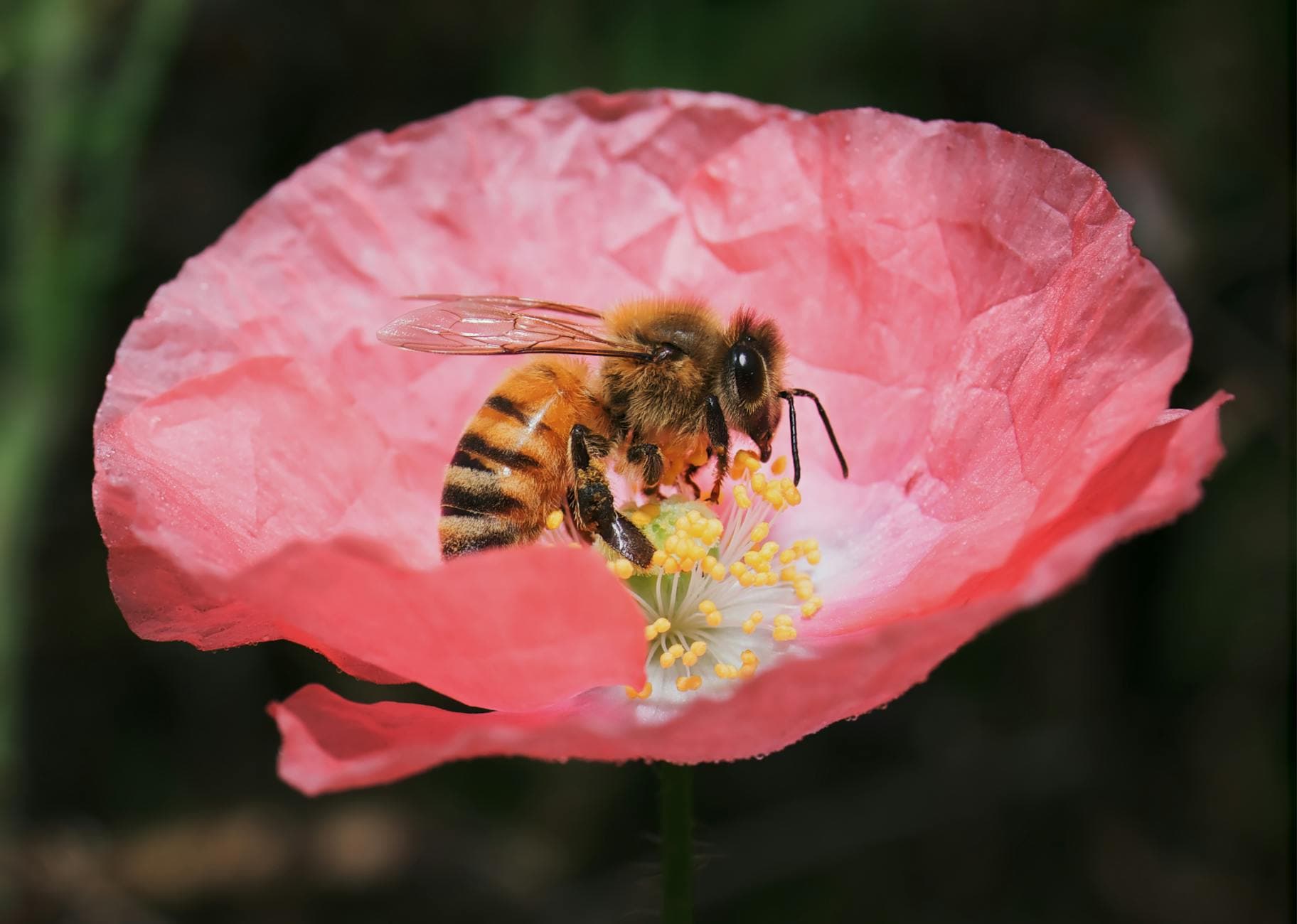
The first time I truly understood the misery of spring pollen allergies, I was about ten years old. It was one of those perfect spring days where the sun felt warm on your skin, the air smelled sweet with blooming flowers, and everyone else seemed to be outside, laughing and playing. Me? I was huddled indoors, eyes puffy and red, my nose running like a faucet, and my throat felt like sandpaper. I remember peeking out the window, feeling a profound sense of unfairness. Why did this beautiful season, bursting with life, feel like a personal attack?
Years later, after countless sniffles, sneezes, and itchy eyes, I’ve learned a thing or two about navigating this annual assault. It’s not just a minor inconvenience; for many of us, it’s a significant disruption to our lives. We're talking about pollen season symptoms that can leave you feeling utterly drained, your focus shot, and your enjoyment of life significantly diminished. But here’s the thing: while you can’t stop the pollen from flying, you absolutely can learn to manage it. This isn't about a miracle cure, but about hard-won wisdom, practical strategies, and a shift in perspective that can make all the difference.
The Unseen Enemy: What Causes Spring Allergies?
It’s easy to blame the pretty flowers for those tell-tale spring allergy symptoms, but the real culprits are often much smaller and more pervasive. Understanding the root cause is the first step toward effective management. It’s a complex interplay of nature and our own immune systems working overtime.
The Pollen Parade
Spring pollen allergies are primarily triggered by airborne particles released by plants as they reproduce. Trees are usually the first offenders. Think about the fuzzy catkins on birch trees, the abundant pollen from oaks, and the wind-borne seeds from pines. These microscopic grains are designed to travel far and wide, and unfortunately, they can end up in our nasal passages and airways.
An Overzealous Immune System
For most people, inhaling pollen is harmless. But if you have allergies, your immune system mistakenly identifies these harmless proteins as dangerous invaders. It then launches a defensive response, releasing chemicals like histamine. This histamine is what causes all those annoying symptoms: sneezing allergies, itchy eyes spring, nasal congestion spring, and that general feeling of being unwell.
Seasonal Allergy Causes Beyond Trees
While trees often kick off the season, they aren't the only players. As spring progresses, grasses start to release their pollen, contributing to the ongoing misery. Even weeds can play a role. The specific types of pollen and when they're prevalent can vary significantly depending on your geographic location, which is why understanding your local Centers for Disease Control and Prevention research on spring pollen allergies is so important.
Recognizing the Signs: More Than Just a Cold
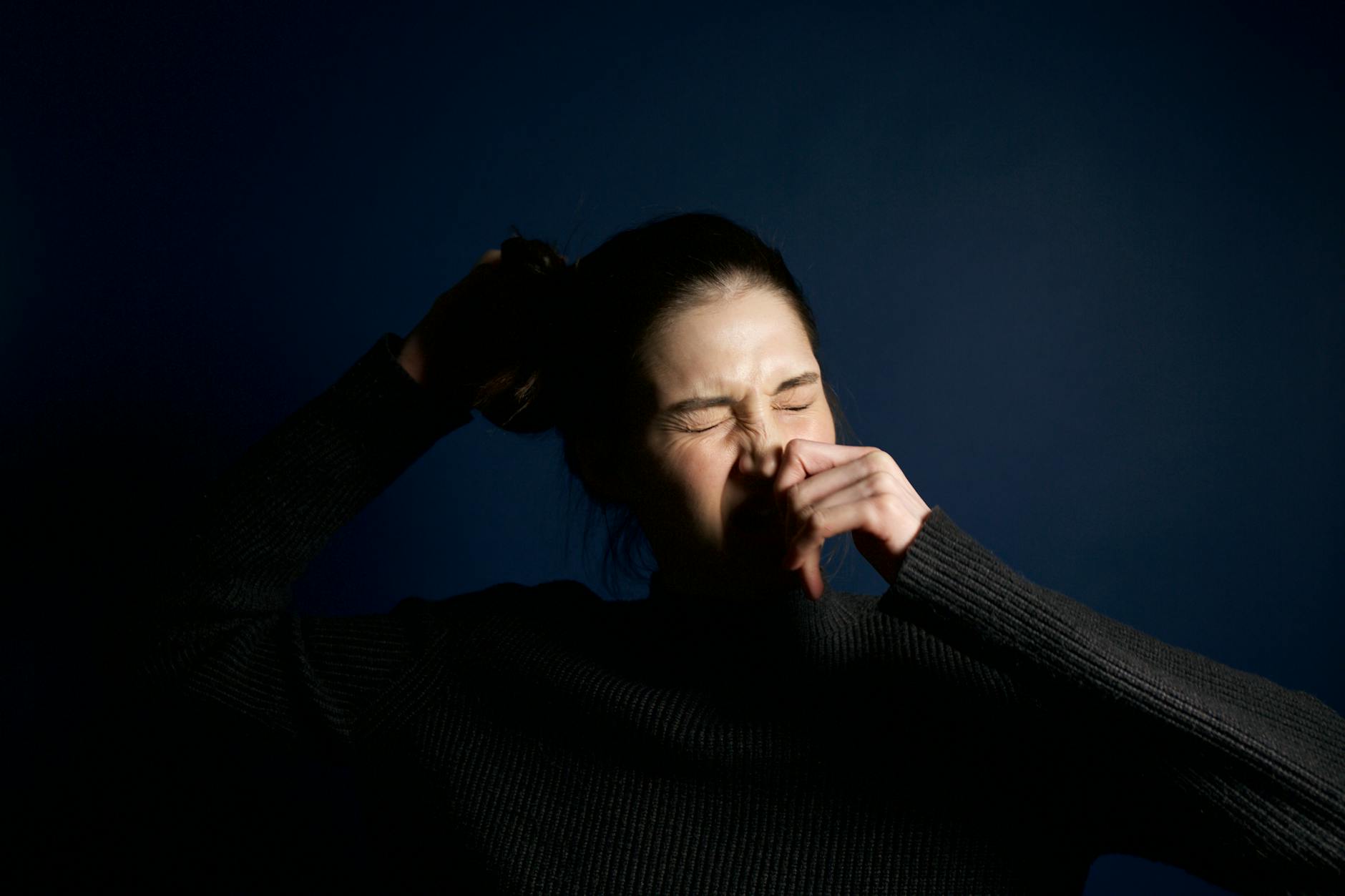
One of the biggest challenges with spring pollen allergies is that the symptoms can often be mistaken for a common cold. However, there are key differences that can help you distinguish between the two. I used to think I just got sick every spring until I started paying closer attention.
The Sneaky Similarity
Both colds and allergies can cause sneezing, a runny nose, and watery eyes. This overlap is what makes it so confusing for so many people. You might find yourself reaching for cold medicine only to realize it’s not touching the real problem.
Distinctive Differences
Here’s where you can often tell the difference: a cold typically comes with a fever and body aches, which are rare with allergies. Also, allergy symptoms tend to be more persistent throughout the pollen season, whereas a cold usually resolves within a week or two. The itching is another big clue; itchy eyes spring and an itchy throat are classic allergy hallmarks that you rarely experience with a cold.
The Itch Factor
Honestly, the itching is what always gets me. It’s not just a mild irritation; it can be intense, driving you to rub your eyes until they’re red and sore. This intense itchiness, along with sneezing fits that can feel like they’ll never end, is a strong indicator that you’re dealing with allergic rhinitis symptoms rather than a simple virus.

Spring Allergy Relief: Your Toolkit for Comfort
This is where the real work comes in – finding what brings you relief. It’s a personal journey, and what works for one person might not work for another. I’ve experimented with a lot of different approaches over the years, and I’ve found that a multi-pronged strategy is usually the most effective. Think of it as building your own personal defense system against the pollen.
Minimizing Exposure: The First Line of Defense
This is crucial for managing spring pollen allergies. It’s about being smart and proactive.
Keep Pollen Out
When the Harvard Health research on spring pollen allergies indicates high pollen counts, your best bet is to stay indoors as much as possible, especially during peak pollen times (usually mid-morning to early evening). Keep windows and doors closed. Consider using air purifiers with HEPA filters in your home and bedroom.
Cleanliness is Key
Shower and change your clothes after spending time outdoors to remove pollen that has clung to your body and garments. Don’t forget to rinse your hair before bed. Vacuum carpets and upholstery regularly, as they can trap pollen.
Medication Options: Targeted Treatments
There's a wide range of over-the-counter and prescription medications available.
Antihistamines
These are often the first line of treatment for sneezing allergies and itchy eyes. They work by blocking the effects of histamine. Newer generations tend to be less sedating.
Nasal Corticosteroids
These are highly effective for reducing inflammation in the nasal passages, helping with nasal congestion spring and runny noses. They often require consistent daily use to be most effective.
Decongestants
These can provide temporary relief from nasal stuffiness, but they should be used cautiously and not for extended periods.
Natural Approaches and Lifestyle Adjustments
Beyond medications, there are many natural strategies that can complement your treatment plan. I’ve found that focusing on overall health can significantly improve my resilience to allergens. This is where Spring Allergy Relief: Diet & Lifestyle Tips becomes so valuable.
Hydration Matters
Staying well-hydrated is fundamental for overall health, and it can help thin mucus, making it easier to clear. Make sure you’re drinking enough water throughout the day. Check out these Hydration Tips Spring: Stay Refreshed on Warmer Days.
Dietary Support
Certain foods and nutrients can play a role. Some people find that increasing their intake of foods rich in Vitamin C, which has natural antihistamine properties, or omega-3 fatty acids, which can help reduce inflammation, makes a difference. Magnesium is another mineral that’s often overlooked but can be beneficial for those with allergies. You can learn more about Magnesium Oil Benefits: Unlock Your Health & Wellness Pot....
Local Honey (with a Caveat)
The theory here is that consuming local honey exposes you to small amounts of local pollen, potentially desensitizing your immune system over time. While some people swear by it, the scientific evidence is mixed, and it’s not a guaranteed solution for everyone. It’s worth discussing with your doctor if you’re considering this.

How to Prevent Pollen Allergies: A Proactive Stance
While true prevention of allergies is complex and often genetic, there are strategies you can employ to minimize your risk of severe reactions and potentially improve your long-term outlook. This is about building resilience, not just reacting to symptoms.
Early Intervention is Key
Don't wait until your symptoms are unbearable to seek help. If you know you’re prone to spring pollen allergies, start your treatment plan *before* pollen season officially begins. Your doctor can help you determine the best timing for starting medications like nasal sprays or antihistamines.
Allergen Immunotherapy
For those with severe or persistent allergies, allergen immunotherapy (allergy shots or sublingual tablets) offers a more long-term solution. This treatment gradually exposes your body to increasing amounts of the allergen, helping your immune system become less reactive. It’s a commitment, often taking several years, but it can significantly reduce or even eliminate allergy symptoms for many people. The National Institutes of Health has extensive information on this, which you can explore via National Institutes of Health research on spring pollen allergies.
Lifestyle Factors and Stress Management
It might sound surprising, but your overall health and stress levels can impact your allergy symptoms. Chronic stress can weaken your immune system and exacerbate inflammatory responses. Finding healthy ways to manage stress, whether through exercise, meditation, or spending time in nature (on low-pollen days, of course!), can be beneficial. And as the days get longer and the weather improves, it’s natural to feel more energetic, but sometimes that transition can be tough, leading to what many call Spring Fatigue Remedies: Beat Tiredness Naturally.

The Unexpected Connection: When Spring Allergies Affect Your Mood
This is one aspect of spring pollen allergies that often gets overlooked, but it’s something I’ve experienced firsthand and seen in others. The constant discomfort, lack of sleep due to nasal congestion, and general feeling of being unwell can take a toll on your mental well-being. You might find yourself feeling more irritable, less motivated, and generally down, even though the sun is shining outside. This is where the science behind Spring Sad Science: Unlocking the Mystery of SAD can offer some insight into how seasonal changes can impact our mood.
The Physical Toll on Mental Health
When you’re constantly battling itchy eyes, sneezing fits, and a blocked nose, your ability to focus and enjoy life diminishes. This can lead to frustration and a sense of isolation, especially if your friends and family are out enjoying the season. Think about the last time you were sleep-deprived due to congestion – it’s no wonder your mood suffers.
Seeking Support
If you notice a significant drop in your mood or energy levels during allergy season, don’t hesitate to talk to your doctor. They can help you manage your allergy symptoms more effectively, which in turn can improve your mental well-being. Sometimes, addressing the physical discomfort is all that’s needed to lift the fog.
Navigating spring pollen allergies is a marathon, not a sprint. It requires patience, experimentation, and a willingness to adapt your strategies as the season progresses. Remember that feeling of helplessness I described at the beginning? You don't have to live with that. By understanding the causes, recognizing the symptoms, and employing a proactive and multifaceted approach to relief, you can reclaim your spring and enjoy the beauty of the season without feeling like it’s attacking you. It’s about finding your balance and learning to thrive, even when the pollen count is high.