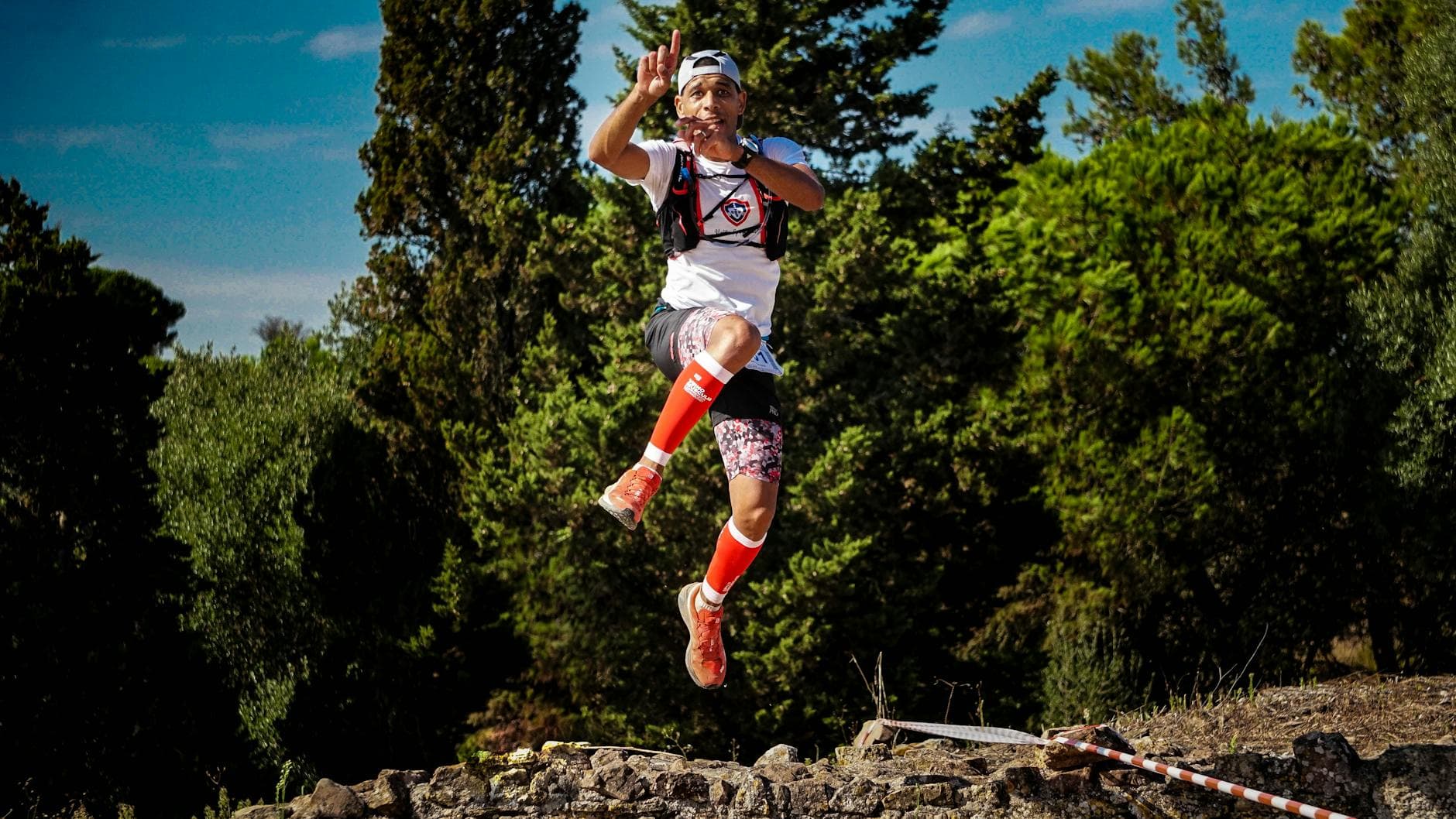
Did you know that a significant percentage of people who try trail running for the first time end up getting injured? It’s not because trail running is inherently dangerous, but because many **trail running beginners** approach it with the same mindset as road running, and that’s a recipe for disaster. I learned this the hard way, slipping and twisting my ankle on a seemingly innocent root, which sidelined me for weeks. This guide is born from those stumbles and subsequent discoveries, a distillation of what I wish someone had told me when I first laced up my shoes for the dirt.
The Allure of the Unpaved Path
Why Trade Asphalt for Aeration?
There's a magic to trail running that asphalt can't replicate. It’s more than just a change of scenery; it’s a fundamental shift in how you engage with your body and the environment. The unpredictable terrain forces you to be present, to observe, and to adapt. You’re not just running; you’re navigating, problem-solving with every stride. This mental engagement is incredibly rewarding, offering a kind of active meditation that road running often lacks.
Beyond the Treadmill: A Full-Body Workout
The benefits of trail running extend far beyond cardiovascular health. The uneven surfaces demand more from your stabilizer muscles, particularly in your ankles, knees, and hips. This leads to improved balance and proprioception, making you a more robust athlete overall. Think of it as a natural, dynamic strength training session woven into your cardio. You’ll also find your calves and glutes working in ways you never noticed on flat ground.
The Mental Reset Button
Honestly, the mental benefits are what keep me coming back, especially after a stressful week. Stepping onto a trail feels like stepping away from the noise of daily life. The scent of pine needles, the sound of birds, the dappled sunlight through the trees – it all conspires to calm the mind. For **trail running beginners**, this escape can be a powerful motivator, offering a much-needed respite. It’s a chance to disconnect from screens and reconnect with nature, and with yourself.
Your First Foray: What to Expect and How to Prepare
The Shock of the Uneven
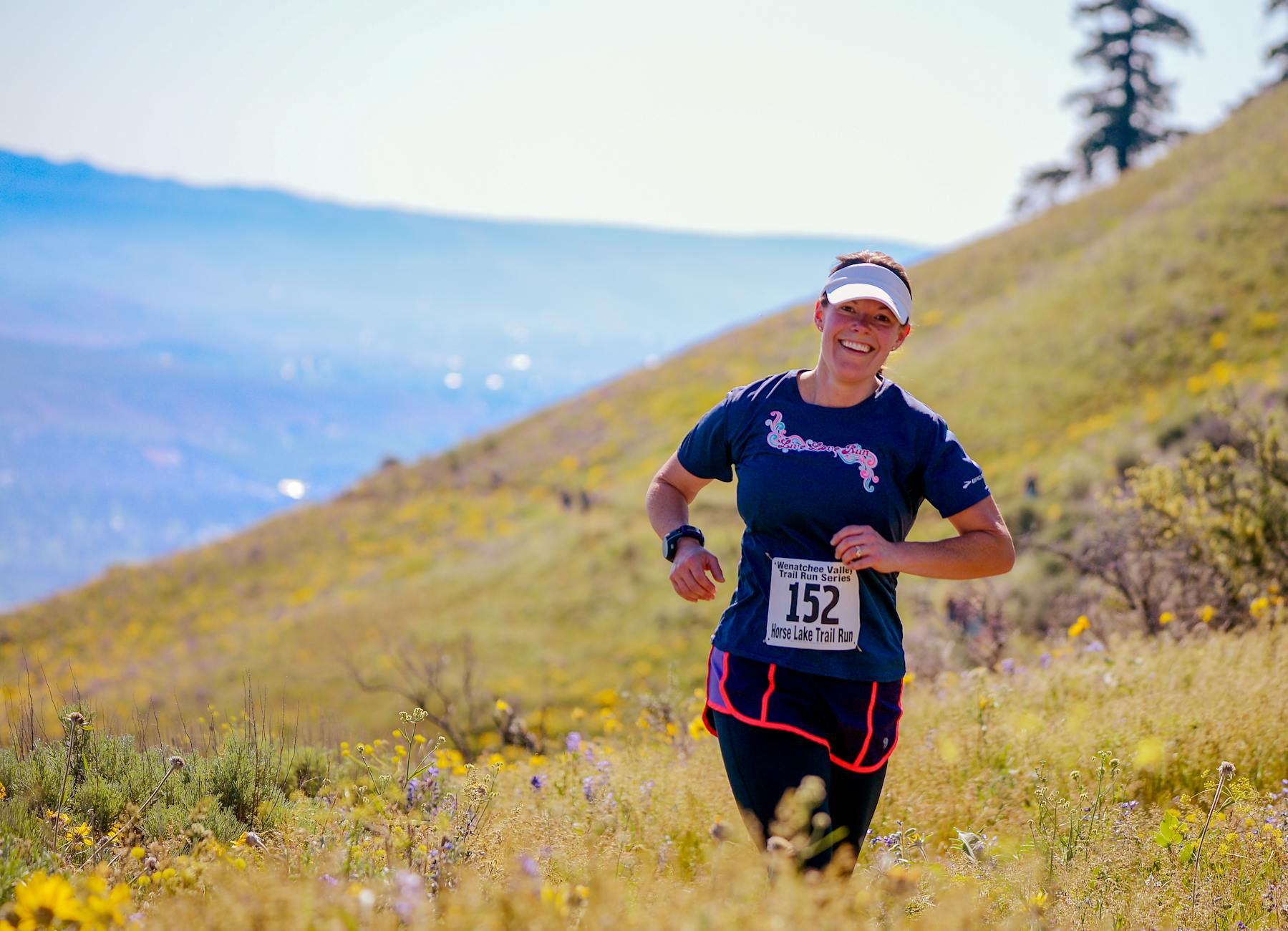
When you first hit the trails, the biggest surprise will likely be the ground itself. It’s rarely flat or consistent. You’ll encounter roots, rocks, mud, and gradients that can change in an instant. This variability is what makes trail running so engaging, but it also requires a different approach than road running. Your stride will shorten, your cadence might increase, and your focus will sharpen. Don't be discouraged if you feel slower or less efficient initially; that's perfectly normal for **trail running beginners**.
Gear Up: Less is More, But Smarter is Key
You don't need a whole new wardrobe to start, but a few key pieces make a world of difference.
Trail Running Shoes: Your Foundation
This is where I’d splurge first. Road running shoes are too soft and lack the grip and protection needed for trails.
Traction is Paramount
Look for shoes with aggressive outsoles that can bite into dirt and mud. The lugs, those little nubs on the sole, are crucial for grip.
Protection and Support
A good trail shoe will offer some underfoot protection from rocks and roots, and a more stable platform to prevent ankle rolls. Brands like Salomon, Brooks, and Hoka offer excellent options for beginner trail runners. I personally found a pair with a rock plate to be a game-changer for my sensitive feet.
Clothing: Think Layers and Durability
You don't need specialized trail running clothing initially. Moisture-wicking fabrics are always a good idea, whether you're on the road or the trail.
Weather-Appropriate Layers
Check the forecast and dress accordingly. A lightweight, packable windbreaker is invaluable for unpredictable mountain weather.
Comfort Over Compression
Focus on comfortable, non-chafing materials. For **trail running beginners**, comfort is king.
Hydration and Fuel: Essential for Longer Efforts
While short trail runs might not require much, it’s good practice to carry water.
Small is Smart
A handheld water bottle or a small hydration vest can be enough for an hour or two on the trail.
Snack Wisely
For longer runs, gels or energy chews can be a lifesaver. Don't wait until you're hungry; fuel proactively.
Mastering the Trail: Technique for the Uninitiated
Foot Placement: The Art of the Stumble-Proof Stride
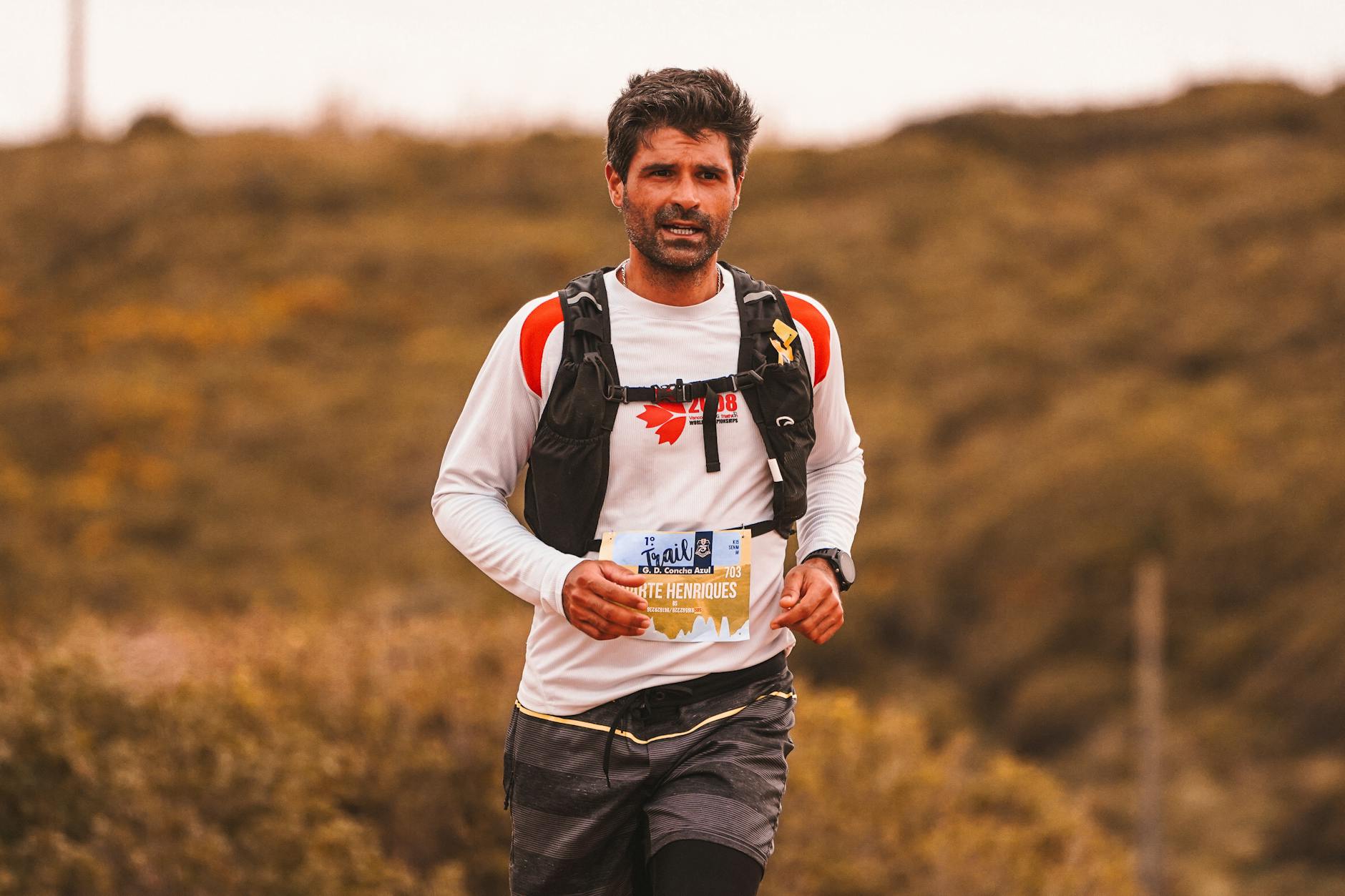
This is perhaps the most crucial aspect for **trail running beginners**. Instead of pounding the pavement, you'll be dabbing your feet.
Look Ahead, Not Down
It sounds counterintuitive, but constantly staring at your feet will make you trip. Instead, scan the trail a few steps ahead to anticipate obstacles.
Shorter Strides, Quicker Feet
Think of it as a dance. Shorter, quicker steps allow you to react and adjust your foot placement more effectively. It’s about efficiency and control, not just speed.
Use Your Arms for Balance
Your arms are your stabilizers. Let them swing naturally, but be prepared to use them for balance when navigating tricky terrain. I used to keep mine stiff, which only made me more wobbly.
Navigating Hills: Uphill and Downhill Differences
Hills are where trail running truly separates itself.
Uphill Power
Lean into the hill, shorten your stride, and focus on a steady rhythm. Think about driving your knees up. For steep climbs, don't be afraid to use your hands on your thighs or the ground to help propel yourself.
Downhill Control
This is where many beginners get into trouble. Resist the urge to let gravity take over. Keep your knees bent, your weight slightly back, and your feet light. It’s more about controlled falling than running. Think about absorbing the impact through your legs.
The Mental Game: Embracing the Challenge
Trail running demands a different mental fortitude.
Patience is a Virtue
You will be slower than you are on the road, and that’s okay. Embrace the process of learning and adapting.
Celebrate Small Victories
Successfully navigating a technical section or making it up a steep climb is an accomplishment. Acknowledge these wins.
Trail Running Safety: Staying Secure on the Scenic Route
Know Before You Go: Planning Your Adventure
This is non-negotiable for **trail running beginners**. A little preparation goes a long way.
Research Your Route
Understand the terrain, elevation changes, and potential hazards. Are there stream crossings? Steep drop-offs? Is it a well-maintained trail or more primitive?
Check the Weather
Mountain weather can change in an instant. Be prepared for rain, wind, or sudden temperature drops, even if the forecast looks clear.
Tell Someone Your Plans
This is a critical safety step. Let a friend or family member know where you're going, your planned route, and when you expect to be back.
Packing Essentials: Your Trail Safety Kit
Beyond water and a snack, consider these items.
Navigation Tools
A map and compass, or a GPS device/app on your phone (with a portable charger!), can be lifesavers if you get turned around.
First-Aid Basics
A small kit with bandages, antiseptic wipes, and any personal medications is wise.
Emergency Shelter
For longer or more remote runs, a lightweight emergency blanket can be crucial. This one surprised me with how little space it takes up.
Awareness is Key: Your Surroundings Matter
Stay attuned to what's happening around you.
Wildlife Encounters
Research common wildlife in the area. Make noise to avoid surprising animals. Generally, they want to avoid you as much as you want to avoid them.
Trail Etiquette
Be courteous to other trail users. Uphill runners generally have the right of way. Yield to hikers and bikers.
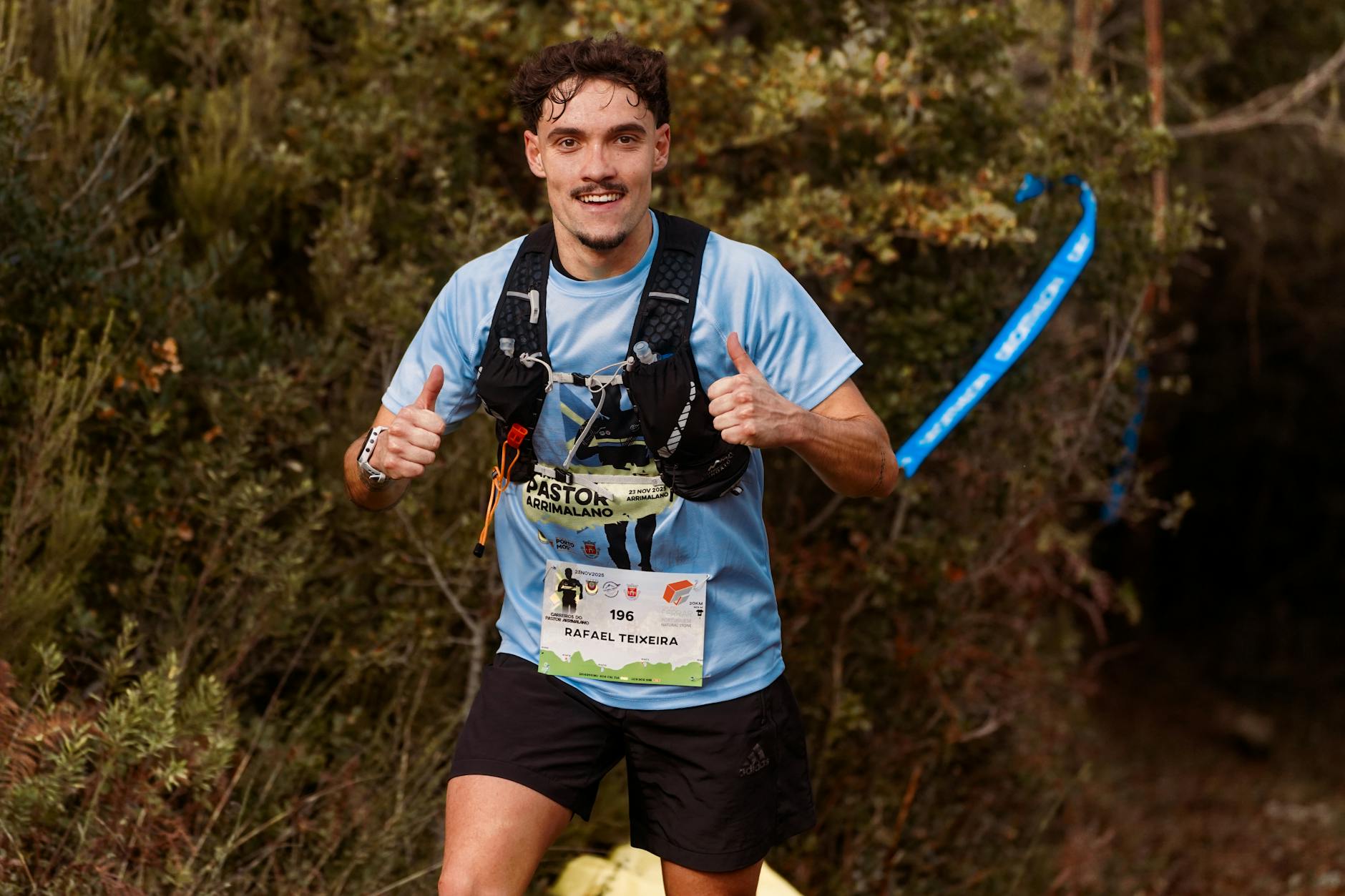
The Unexpected Rewards: Beyond Fitness
Trail Running for Weight Loss: A Holistic Approach
While any form of running contributes to weight loss, trail running offers unique advantages. The varied intensity, the engagement of more muscle groups, and the increased calorie burn due to the terrain can make it a highly effective tool. Plus, the mental benefits can help you stick with it long-term, which is the real secret to sustainable weight loss. It’s not just about burning calories; it’s about building a healthier relationship with movement and your body. You might find yourself craving the outdoors, making it less of a chore and more of a passion.
Building Resilience, One Step at a Time
The challenges of trail running – the steep climbs, the technical descents, the unexpected weather – build a profound sense of resilience. You learn to push through discomfort, to adapt when things don't go as planned, and to trust your own capabilities. This mental toughness translates directly into other areas of your life. For **trail running beginners**, this might be the most significant, albeit intangible, benefit. It's about discovering a strength you didn't know you possessed.
A Deeper Connection to Nature
I’ll be real with you, the most profound impact trail running had on me was fostering a deeper appreciation for the natural world. You notice the subtle changes in seasons, the intricate patterns of leaves, the resilience of plants pushing through rocky soil. It’s an immersive experience that reconnects you to something larger than yourself. This connection can be incredibly grounding and therapeutic. It’s a reminder of the beauty and complexity that exists just beyond our paved paths. For anyone looking for a more mindful and engaging way to exercise, **trail running beginners** should absolutely consider this path. It’s a journey that nourishes the body and the soul.